Protein Rich Foods List: Complete UK Guide for 2026
Comprehensive UK protein rich foods list by category with protein content per 100g. Meat, fish, dairy, plant-based options plus medication interactions.

By Reece Douglas · Founder, FreshPlate
Listen to this article
Protein Rich Foods List: Complete UK Guide for 2026
Protein is essential for building and repairing tissues, supporting immune function, and maintaining muscle mass throughout life. Whether you're managing a health condition, taking medication, or simply trying to meet daily protein targets, knowing which foods pack the most protein per serving helps you plan balanced meals efficiently.
This comprehensive UK guide lists protein-rich foods organised by category, with exact protein content per 100g for easy comparison. We've focused on foods readily available in British supermarkets, from Tesco and Sainsbury's to Aldi and local butchers. You'll also find important notes on how certain high-protein foods interact with common medications, so you can make informed choices that work with your treatment plan.
Meat and Poultry: Highest Protein Sources
Meat and poultry consistently deliver the highest protein concentrations per 100g, along with complete amino acid profiles and highly bioavailable iron and B vitamins. These values reflect raw weight unless otherwise specified.
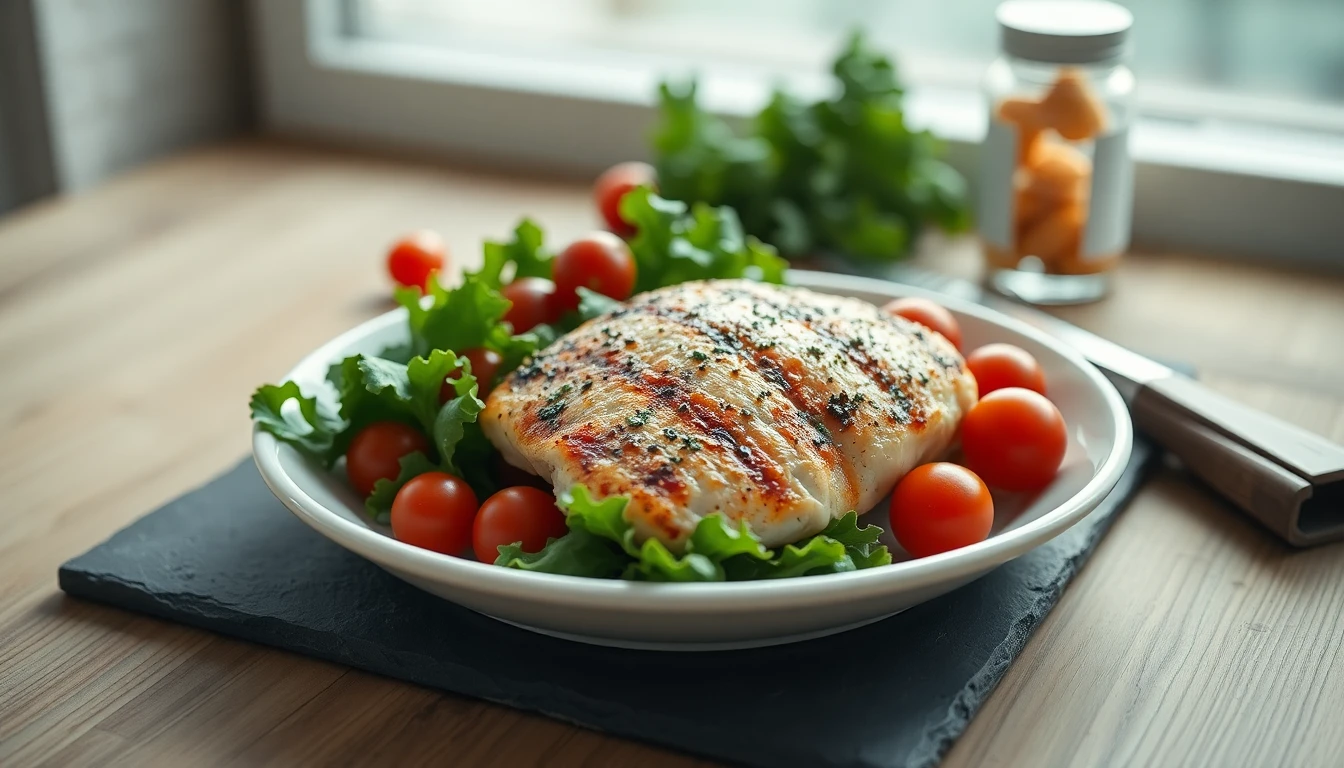
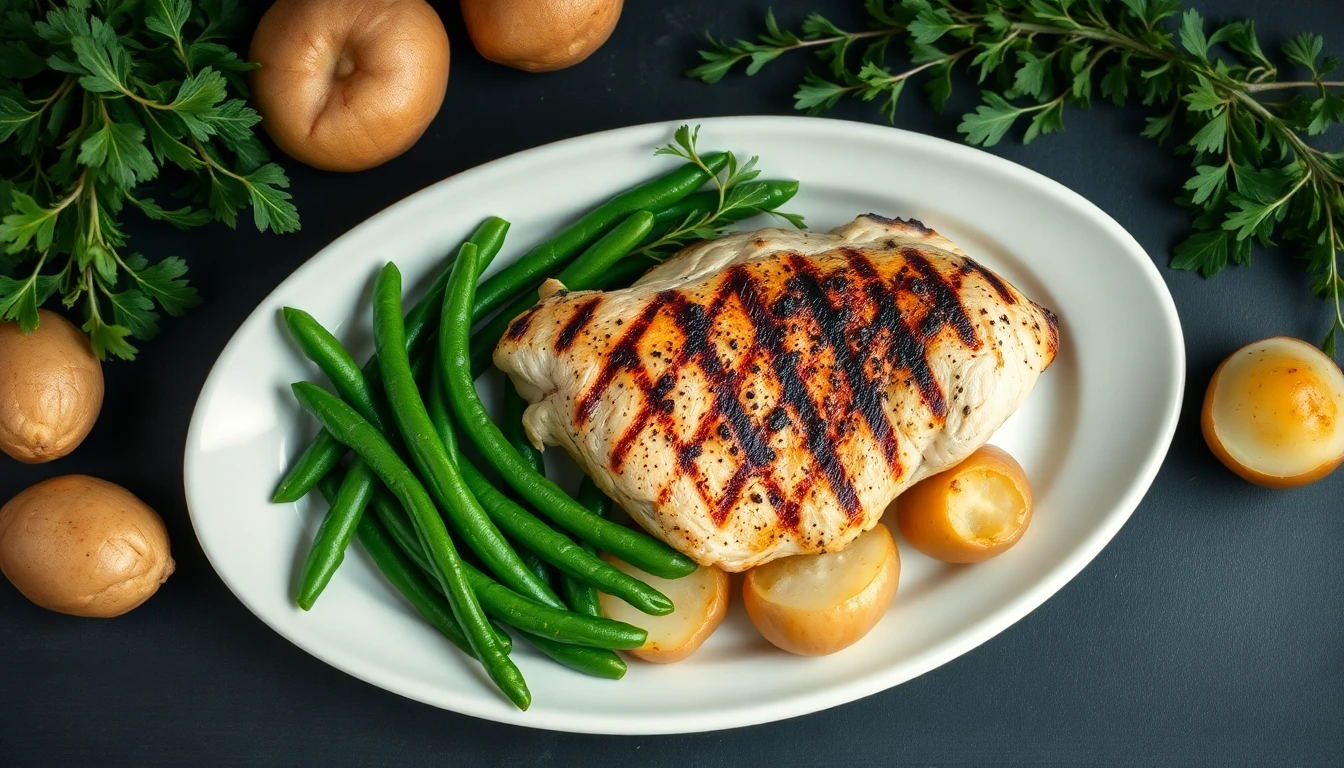
- Chicken breast (skinless) — 31g protein per 100g — Leanest poultry option, widely available fresh and frozen across UK supermarkets
- Turkey breast — 30g protein per 100g — Similar profile to chicken, often more affordable in larger packs at Asda and Morrisons
- Beef steak (lean cuts: sirloin, fillet) — 27g protein per 100g — Higher in iron and zinc than poultry, choose grass-fed when possible
- Pork loin (trimmed) — 26g protein per 100g — Economical choice, good source of thiamine
- Lamb leg (trimmed) — 25g protein per 100g — Higher in fat than other meats but rich in vitamin B12
- Venison — 30g protein per 100g — Increasingly available in Waitrose and Tesco, very lean game meat
- Duck breast (skinless) — 23g protein per 100g — Higher in iron than chicken, richer flavour
- Chicken thighs (skinless) — 26g protein per 100g — More affordable than breast, slightly higher fat content
Processed Meat Considerations
Processed meats like bacon, sausages, and deli meats contain 15-20g protein per 100g but also carry high sodium and preservative loads. The NHS recommends limiting processed meat to no more than 70g per day due to links with colorectal cancer risk.
Fish and Seafood Protein Sources
Fish provides complete protein alongside omega-3 fatty acids and, in many cases, significant iodine for thyroid function. Both fresh and frozen options from UK supermarkets deliver comparable nutritional value. Those searching for foods rich in iodine for thyroid health will find marine fish particularly valuable, with cod, haddock, and prawns providing 100-150 micrograms per 100g.
- Tuna (fresh or tinned in water) — 30g protein per 100g — Convenient tinned option from any supermarket, watch mercury in pregnancy
- Salmon (wild or farmed) — 25g protein per 100g — Excellent omega-3 source, widely available fresh and smoked
- Cod — 23g protein per 100g — Lean white fish, staple in UK fish and chip shops, high in iodine
- Haddock — 24g protein per 100g — Similar to cod, sustainable MSC-certified options at most supermarkets
- Prawns — 24g protein per 100g — Low-fat option, frozen bags economical at Iceland and Lidl
- Mackerel — 26g protein per 100g — Oily fish rich in omega-3 and vitamin D, affordable tinned or fresh
- Sardines (tinned) — 25g protein per 100g — Budget-friendly, bones add calcium, long shelf life
- Sea bass — 21g protein per 100g — Premium option at Waitrose and Marks & Spencer
- Mussels — 24g protein per 100g — Sustainable shellfish, frozen packs at Tesco and Sainsbury's
Oily Fish and Medication Interactions
Oily fish like salmon, mackerel, and sardines are generally beneficial for cardiovascular health. However, those taking anticoagulants such as warfarin should maintain consistent omega-3 intake rather than dramatically increasing consumption, as omega-3 fatty acids have mild blood-thinning effects. If you're on clopidogrel (Plavix), moderate fish consumption is safe and encouraged, but consult your pharmacist before starting high-dose fish oil supplements.
Dairy and Egg Protein Options
Dairy products and eggs provide high-quality protein with excellent bioavailability, meaning your body efficiently absorbs and uses the amino acids. UK supermarkets stock extensive ranges suitable for vegetarians.
- Parmesan cheese — 36g protein per 100g — Highest protein cheese, use grated to control portions
- Greek yoghurt (0% fat) — 10g protein per 100g — Breakfast staple, Fage Total and own-brand options widely available
- Cheddar cheese — 25g protein per 100g — British classic, choose mature for stronger flavour with less quantity
- Cottage cheese — 11g protein per 100g — Low-fat option, increasingly popular in tubs at Tesco and Aldi
- Eggs (whole) — 13g protein per 100g, ~6g per medium egg — Complete protein source, free-range widely available
- Mozzarella — 18g protein per 100g — Lower sodium than aged cheeses, good for cooking
- Skyr (Icelandic yoghurt) — 11g protein per 100g — Thicker than Greek yoghurt, stocked at most major supermarkets
- Quark — 12g protein per 100g — Fat-free soft cheese, growing availability in UK markets
- Milk (semi-skimmed) — 3.5g protein per 100ml — Convenient liquid protein, fortified with vitamin D in many brands
Tyramine in Aged Dairy Products
Those searching for tyramine rich food information should note that aged cheeses like mature Cheddar, Stilton, and Parmesan contain significant tyramine levels. This compound can interact with MAO inhibitor antidepressants (such as phenelzine and tranylcypromine), potentially causing dangerous blood pressure spikes. If you're taking MAOIs, choose fresh cheeses like cottage cheese, cream cheese, or ricotta instead, and avoid all aged, fermented, or strong-flavoured varieties.
Plant-Based Protein Sources
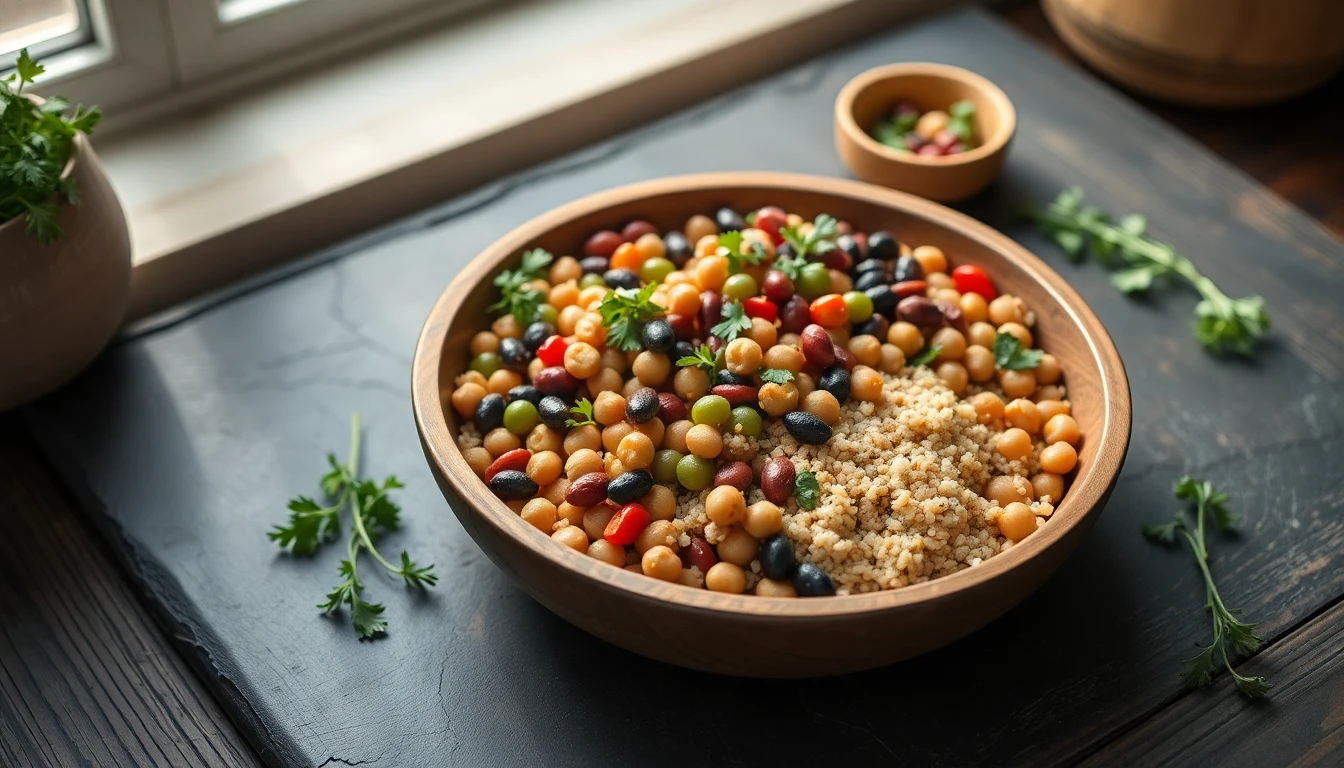
Plant proteins support vegetarian and vegan diets effectively when combined properly to ensure complete amino acid intake. Many UK supermarkets now stock extensive plant-based ranges, making high-protein vegan eating more accessible than ever. For those interested in how to combine plant proteins effectively, pairing legumes with grains creates complete amino acid profiles.
Legumes and Pulses
- Soya beans (cooked) — 16g protein per 100g — Complete plant protein, basis for tofu and tempeh
- Lentils (cooked red, green, or Puy) — 9g protein per 100g — Budget-friendly, quick-cooking, available dried or tinned
- Chickpeas (cooked) — 9g protein per 100g — Versatile in curries and salads, tinned versions at every supermarket
- Black beans (cooked) — 9g protein per 100g — Popular in Mexican dishes, rich in folate
- Kidney beans (cooked) — 9g protein per 100g — Staple for chilli, always cook dried beans thoroughly to destroy toxins
- Garden peas (frozen) — 5g protein per 100g — Convenient frozen option, surprisingly good protein contribution
- Edamame beans — 11g protein per 100g — Fresh soya beans, frozen packs widely available, popular snack
Nuts, Seeds, and Nut Butters
- Peanuts (dry roasted) — 26g protein per 100g — Technically a legume, affordable protein source
- Almonds — 21g protein per 100g — Heart-healthy fats, good vitamin E source
- Pumpkin seeds — 19g protein per 100g — Rich in zinc and magnesium, easy salad topper
- Cashews — 18g protein per 100g — Creamier texture, higher carbohydrate than other nuts
- Pistachios — 20g protein per 100g — Pre-portioned in shells helps control intake
- Peanut butter (natural, no added sugar) — 25g protein per 100g — Meridian and Pip & Nut brands widely stocked
- Almond butter — 21g protein per 100g — Premium alternative to peanut butter, increasingly available
- Chia seeds — 17g protein per 100g — Also provide omega-3 and excellent fibre, use in puddings
- Hemp seeds — 32g protein per 100g — Complete plant protein, nutty flavour, sold in health sections
Soya Products and Meat Alternatives
UK supermarkets now stock extensive ranges of plant-based protein products, from established brands like Quorn to newer entries like THIS and Moving Mountains.
- Tofu (firm) — 12g protein per 100g — Cauldron and Tofoo brands in most supermarkets, absorbs flavours well
- Tempeh — 19g protein per 100g — Fermented soya, firmer texture than tofu, nutty flavour
- Seitan (wheat gluten) — 25g protein per 100g — Not suitable for coeliacs, high protein density
- Quorn mince (mycoprotein) — 14g protein per 100g — UK-invented meat alternative, widely available
- Plant-based burgers (Beyond, Moving Mountains) — 18-20g protein per 100g — Convenient processed options, check sodium content
Whole Grains
Whilst grains contribute less protein per 100g than legumes, they add up significantly across daily intake and provide complementary amino acids.
- Quinoa (cooked) — 4.4g protein per 100g — Complete protein grain, gluten-free, sold in most supermarkets
- Oats (dry) — 11g protein per 100g — Breakfast staple, also good beta-glucan fibre source
- Wholemeal bread — 9g protein per 100g — Choose seeded varieties for extra protein
- Spelt — 15g protein per 100g (dry) — Ancient grain, higher protein than modern wheat
- Buckwheat — 13g protein per 100g (dry) — Despite name, gluten-free and unrelated to wheat
High-Protein Breakfast Foods
Protein breakfast foods help stabilise blood sugar, reduce mid-morning hunger, and support muscle maintenance throughout the day. Aiming for 20-30g protein at breakfast sets a strong nutritional foundation.
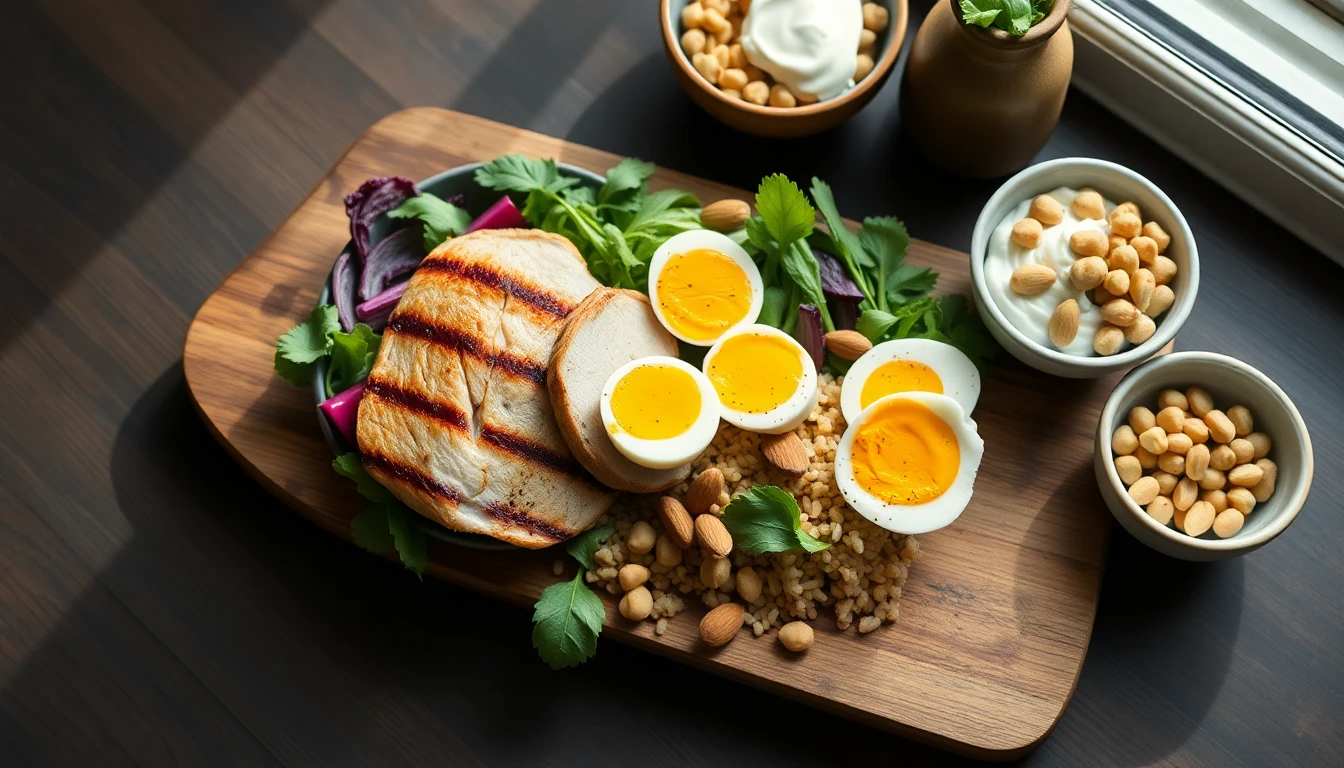
- Greek yoghurt with nuts and seeds — 15-20g protein per serving — Combine 150g yoghurt with 20g almonds
- Scrambled eggs (2-3 eggs) — 12-18g protein — Add cheese for extra 5-7g, serve on wholemeal toast
- Smoked salmon and cream cheese bagel — 20g protein — 50g salmon provides 12g, bagel and cheese add remainder
- Protein porridge — 15-25g protein — Make oats with milk instead of water, stir in protein powder or add nut butter
- Breakfast burrito — 20-25g protein — Scrambled eggs, black beans, cheese in wholemeal wrap
- Cottage cheese on toast — 15g protein — 100g cottage cheese on two slices seeded bread
- Protein smoothie — 20-30g protein — Blend milk, Greek yoghurt, banana, oats, and nut butter
Protein Needs and Medication Considerations
The UK government recommends 0.75g protein per kilogram of body weight daily for adults, which equates to roughly 56g for men and 45g for women of average weight. However, individual needs vary with age, activity level, and health conditions. Older adults, athletes, and those recovering from illness typically require 1.2-2g per kilogram.
Certain medications and conditions affect how you should approach protein intake. Those taking methotrexate for rheumatoid arthritis or other autoimmune conditions often search for folate-rich foods for methotrexate toxicity, as this medication depletes folate stores. Fortunately, many high-protein foods also provide folate: chickpeas (172 micrograms per 100g cooked), lentils (181 micrograms), and edamame beans (311 micrograms) support both protein and folate needs simultaneously.
People researching chromium rich foods or choline rich foods will find that protein-rich animal products frequently provide these nutrients as well. Beef, eggs, and turkey offer substantial chromium, whilst eggs stand out as the richest choline source at 147mg per large egg. Those managing diabetes or insulin resistance might specifically seek chromium for blood sugar control alongside adequate protein to stabilise glucose levels.
Kidney Disease and Protein Restriction
Individuals with chronic kidney disease stages 3-5 may need to limit protein intake to 0.6-0.8g per kilogram under medical supervision, as excessive protein creates metabolic waste products kidneys must filter. If you have kidney disease, discuss appropriate protein targets with your renal dietitian before increasing intake, and consider reading about chronic kidney disease stage 3 diet modifications for comprehensive guidance.
Blood Thinners and Vitamin K
Whilst protein foods themselves don't interfere with anticoagulants, some protein sources like liver and certain fish are rich in vitamin K, which affects warfarin efficacy. Those on warfarin should maintain consistent rather than erratic intake of vitamin K-rich foods. Patients taking newer anticoagulants like apixaban don't need to restrict vitamin K intake.
How FreshPlate Simplifies Protein Planning
Tracking protein content whilst managing medication interactions, dietary restrictions, and personal preferences quickly becomes overwhelming when planning meals manually. FreshPlate's personalised nutrition platform automatically builds high-protein recipes around your specific medications, health conditions, and dietary requirements, calculating exact macronutrient targets for your goals.
The app's free food-medication interaction checker flags potential issues before you shop or cook, so you can confidently choose protein sources that work with your treatment plan rather than against it. Whether you need high-protein breakfasts that avoid tyramine for MAOI medications, plant-based options that provide adequate choline and B12, or kidney-friendly moderate-protein meals, FreshPlate generates weekly meal plans with UK supermarket ingredients and detailed nutritional breakdowns. You focus on eating well; the app handles the complex nutrition calculations and safety checks in the background.
Frequently asked questions
What foods are rich in iodine?
+
Iodine-rich foods include white fish like cod and haddock (100-150 micrograms per 100g), prawns, dairy products, and eggs (20-30 micrograms per egg). Seaweed provides exceptionally high amounts but can exceed safe limits, so consume occasionally rather than daily.
Which foods contain high tyramine levels?
+
Tyramine-rich foods include aged cheeses (Cheddar, Stilton, Parmesan), cured meats (salami, pepperoni), fermented foods (sauerkraut, kimchi), and yeast extracts like Marmite. These can interact dangerously with MAO inhibitor antidepressants, causing severe blood pressure spikes.
What are the best chromium-rich foods?
+
Chromium-rich foods include broccoli, green beans, beef, turkey breast, eggs, and whole grains. Brewer's yeast provides the highest concentration, though it's less commonly consumed. Most people obtain adequate chromium from a varied diet including these protein sources.
How much protein should I eat per day?
+
The UK government recommends 0.75g protein per kilogram of body weight daily (roughly 56g for men, 45g for women of average weight). Active individuals, older adults, and those recovering from illness may need 1.2-2g per kilogram. Spread intake across three meals for optimal muscle protein synthesis.
What are the best plant-based protein sources for vegans?
+
Top vegan protein sources include tofu (12g per 100g), tempeh (19g), lentils (9g cooked), chickpeas (9g), hemp seeds (32g), and peanut butter (25g). Combining legumes with grains creates complete amino acid profiles comparable to animal proteins.
Sources
Did this answer your question?
Reece reads every reply. Questions we have not covered become new guides.
Make protein one less thing to worry about.
Get our free protein guide by email — the best food sources, what helps and hinders absorption, and a week of meal ideas. One genuinely useful email a week — no spam, unsubscribe anytime.
Free forever. You'll also be first in line for the FreshPlate app — with a free trial at launch.