Clopidogrel & Food: What to Avoid While Taking Plavix
Complete list of foods to avoid with clopidogrel (Plavix). Learn which vegetables are safe, whether you need a special diet, and if you can take it on an empty stomach.

By Reece Douglas · Founder, FreshPlate
Listen to this article
Clopidogrel & Food: What to Avoid While Taking Plavix
If you've been prescribed clopidogrel—commonly known by the brand name Plavix—you're likely taking it to prevent blood clots after a heart attack, stroke, or vascular procedure. This antiplatelet medication works by stopping platelets in your blood from sticking together, reducing your risk of serious cardiovascular events. Understanding clopidogrel food interactions is an important part of ensuring your medication works as intended.
The good news is that clopidogrel doesn't require the strict dietary restrictions associated with warfarin. However, there are still some important considerations around timing, specific foods, and supplements that can affect how well your medication works. This guide will walk you through everything you need to know about eating safely and sensibly whilst taking clopidogrel.
How Clopidogrel Works and Why Food Matters
Clopidogrel is a prodrug, meaning it needs to be converted by liver enzymes—specifically CYP2C19—into its active form before it can prevent platelets from clumping together. This conversion process is where potential food interactions become relevant.
Unlike vitamin K antagonists such as warfarin, clopidogrel doesn't interact directly with vitamin K-rich foods like leafy greens. Instead, food interactions with clopidogrel typically involve substances that either interfere with the liver enzymes responsible for activating the drug or directly affect platelet function themselves.
The Activation Process
When you take clopidogrel, approximately 85% of the dose is broken down by enzymes before it ever becomes active. Only about 15% is converted into the active metabolite that actually prevents platelet aggregation. This means that anything that interferes with the CYP2C19 enzyme system can potentially reduce how well your medication works—and certain foods and drinks fall into this category.
Complete List of Foods to Avoid With Clopidogrel
The list of foods you must avoid whilst taking clopidogrel is actually quite short. Unlike some other cardiovascular medications, clopidogrel allows considerable dietary flexibility. Here's what you genuinely need to limit or avoid, and what's perfectly safe.
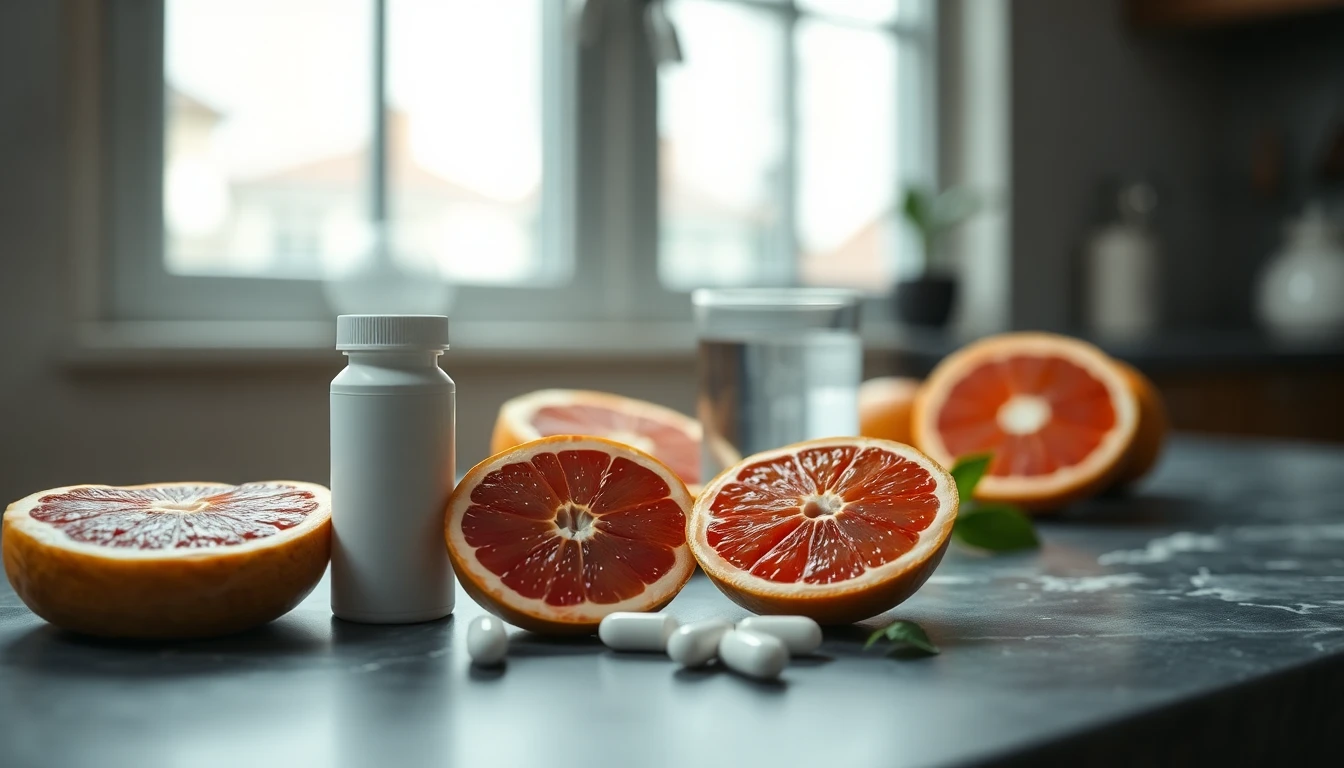
The primary concern is grapefruit and related citrus fruits. Grapefruit juice contains compounds called furanocoumarins that can inhibit the CYP3A4 enzyme system in your intestines. Whilst CYP3A4 isn't the primary enzyme that activates clopidogrel, research suggests that grapefruit may interfere with the drug's absorption and metabolism, potentially reducing its antiplatelet effects.
- Grapefruit (all forms) — Fresh grapefruit, grapefruit juice, and grapefruit segments should be avoided as they may reduce clopidogrel effectiveness
- Pomelo — Contains similar compounds to grapefruit and should also be avoided
- Seville oranges — Sometimes used in marmalade; check labels and limit consumption
- Safe citrus fruits — Regular oranges, lemons, limes, mandarins, clementines, and tangerines are all fine to enjoy freely
What About Other Foods?
Beyond grapefruit and pomelo, there are no other foods you must completely avoid. However, it's sensible to be moderate with concentrated supplements of garlic, ginger, turmeric, and high-dose vitamin E (above 400 IU daily), as these may have additive effects on bleeding risk. Using these ingredients in normal cooking amounts is perfectly safe and actually beneficial for heart health.
Which Vegetables Are Safe on Clopidogrel?
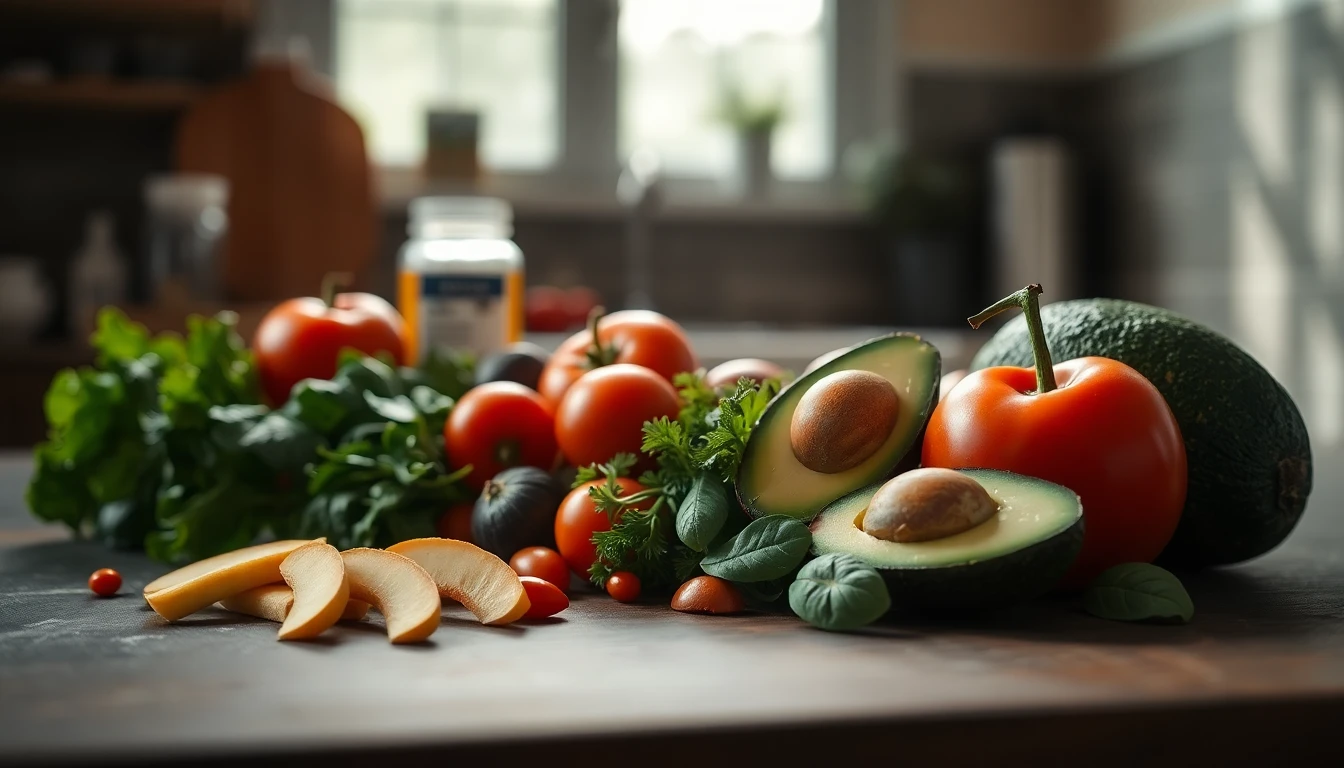
All vegetables are safe whilst taking clopidogrel. This is one of the key differences between clopidogrel and warfarin. You can eat as much spinach, kale, broccoli, cabbage, Brussels sprouts, and other leafy greens as you like without affecting your medication.
Vitamin K-rich vegetables don't interfere with clopidogrel because the medication works by a completely different mechanism than warfarin. Clopidogrel affects platelet aggregation, whilst warfarin affects vitamin K-dependent clotting factors. This means you don't need to monitor or restrict your intake of any vegetables whilst taking clopidogrel.
- Leafy greens — Spinach, kale, spring greens, chard, and rocket are all safe and encouraged
- Brassicas — Broccoli, cauliflower, cabbage, and Brussels sprouts pose no concerns
- Salad vegetables — Lettuce, cucumber, tomatoes, and peppers can be eaten freely
- Root vegetables — Carrots, beetroot, parsnips, and turnips are all fine
- No monitoring needed — Unlike with warfarin, you don't need to keep your vegetable intake consistent
Avocado and Clopidogrel
Avocados are safe to eat whilst taking clopidogrel. There is no established interaction between avocados and this medication. Avocados are rich in heart-healthy monounsaturated fats, fibre, and potassium—all beneficial for cardiovascular health. Feel free to include them as part of a balanced diet.
Can Plavix Be Taken on an Empty Stomach?
Yes, clopidogrel can be taken on an empty stomach. Food doesn't significantly affect its absorption, so you have complete flexibility in when you take it. The medication is absorbed effectively whether taken with meals or between them.
What matters most is consistency. Taking clopidogrel at the same time each day helps maintain steady levels in your bloodstream and makes it easier to remember your dose. Many people find that linking their medication to a daily routine—such as breakfast or dinner—helps with adherence, but others prefer taking it on waking or before bed.
- Morning on empty stomach — Perfectly effective; take on waking if this suits your routine
- With breakfast — Popular choice that links medication to morning routine; food may help if you experience mild stomach upset
- With dinner — Another consistent daily anchor point; choose this if evening routines are more reliable for you
- Before bed — Fine if this works better for your schedule; no reduction in effectiveness
- Avoid skipping doses — More important than whether you take it with food; set reminders if needed
If You Experience Stomach Upset
Whilst clopidogrel doesn't typically cause significant gastrointestinal issues, some people find that taking it with a small amount of food helps prevent mild stomach discomfort. If you notice persistent stomach pain, indigestion, or any signs of gastrointestinal bleeding (such as black stools or vomiting blood), contact your healthcare provider immediately, as these could indicate a more serious issue requiring medical attention.
Foods and Supplements That Affect Platelet Function
Beyond direct drug interactions, certain foods and supplements have natural antiplatelet or blood-thinning properties. When combined with clopidogrel, they could theoretically increase your bleeding risk. This doesn't mean you must avoid these foods entirely—most are healthy components of a balanced diet—but it does mean you should consume them in moderate, consistent amounts rather than in large, sporadic doses or as concentrated supplements.
Omega-3 Fatty Acids and Oily Fish
Oily fish like salmon, mackerel, sardines, and herring are excellent sources of omega-3 fatty acids, which have anti-inflammatory properties and may have mild antiplatelet effects. The good news is that eating fish as part of a heart-healthy diet—which you should be doing if you're taking clopidogrel—is generally safe and beneficial. In fact, cardiovascular guidelines recommend eating oily fish at least twice weekly.
- Regular fish consumption — Two portions of oily fish per week is recommended and safe for most people on clopidogrel
- Standard fish oil supplements — Doses up to 3g daily are generally considered safe but discuss with your doctor first
- High-dose omega-3 supplements — Doses above 3g daily may increase bleeding risk; always check with your healthcare provider
- Balance is key — Don't suddenly start taking large amounts of omega-3 supplements without medical guidance
Garlic, Ginger, and Turmeric
These culinary staples have been studied for their potential cardiovascular benefits, and all three contain compounds that may affect platelet function. Using them as normal cooking ingredients poses no problem and can be part of an anti-inflammatory diet. However, concentrated supplements are a different matter.
- Cooking with garlic — Safe and encouraged as part of a healthy diet; adds flavour without significant antiplatelet effects
- Fresh ginger — Fine in normal culinary amounts; ginger tea and cooking use don't pose concerns
- Turmeric in food — The amounts used in curries and cooking are perfectly safe
- Concentrated supplements — Garlic capsules, ginger extracts, and high-dose curcumin supplements should be discussed with your healthcare provider before use
Vitamin E and Other Supplements
Vitamin E in high doses has antiplatelet properties and could theoretically increase bleeding risk when combined with clopidogrel. Getting vitamin E from food sources like nuts, seeds, and vegetable oils is not a concern. However, supplements containing more than 400 IU of vitamin E daily should be reviewed with your doctor.
- Food sources of vitamin E — Almonds, sunflower seeds, spinach, and avocados are safe and nutritious
- Vitamin E supplements — Check with your healthcare provider, especially if taking more than 400 IU daily
- Other supplements to query — Ginkgo biloba, feverfew, dong quai, and high-dose vitamin C all have potential antiplatelet effects
Do You Need a Special Diet on Plavix?
No, you don't need to follow a special restrictive diet whilst taking clopidogrel. Beyond avoiding grapefruit and pomelo, you can eat a normal, varied diet. However, since you're taking clopidogrel to protect your cardiovascular system, it makes sense to support this goal with an overall heart-healthy eating pattern.
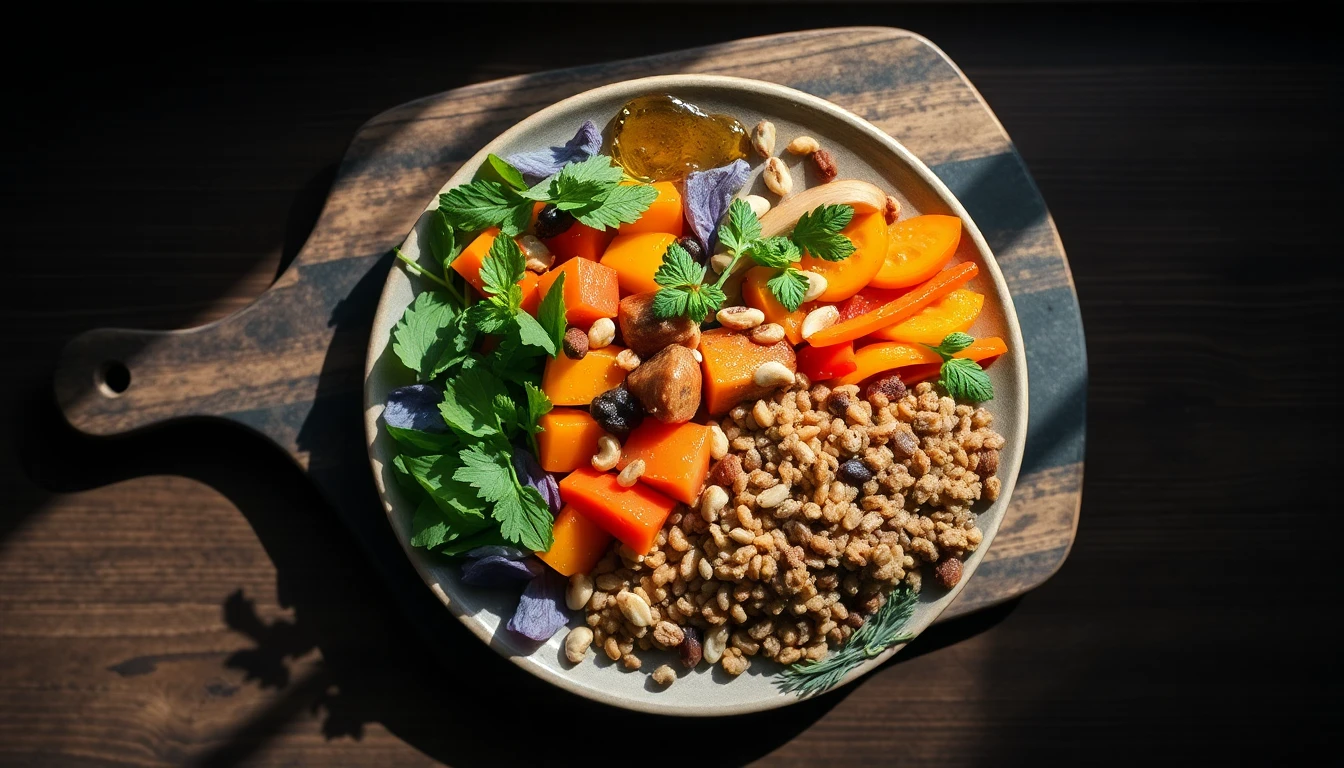
Focus on a Mediterranean-style diet rich in vegetables, fruits, whole grains, legumes, nuts, olive oil, and moderate amounts of fish and poultry. This pattern has strong evidence for reducing cardiovascular risk and doesn't interfere with clopidogrel's effectiveness. In fact, eating well supports your treatment goals.
- Plenty of vegetables — Aim for at least five portions daily; all varieties are safe, including leafy greens
- Whole grains — Brown rice, quinoa, oats, and wholemeal bread support heart health without medication interactions
- Lean proteins — Chicken, turkey, fish, beans, and lentils provide nutrition without affecting platelet function
- Healthy fats — Olive oil, rapeseed oil, nuts, and avocados support cardiovascular health
- Limit processed foods — Reduce salt, added sugars, and saturated fats to support your overall treatment goals
- Stay hydrated — Adequate fluid intake supports circulation and overall health
What About Alcohol?
Moderate alcohol consumption doesn't directly interfere with clopidogrel's mechanism of action, but it does increase the risk of gastrointestinal bleeding—which is already a potential side effect of antiplatelet medications. If you choose to drink, stick to the UK guidelines of no more than 14 units per week, spread over several days with some alcohol-free days. However, if you have other risk factors for bleeding or a history of stomach ulcers, you may need to be more cautious or avoid alcohol entirely. Always follow your doctor's specific advice for your situation.
How FreshPlate Can Help With Your Clopidogrel Journey
Keeping track of medication interactions whilst trying to maintain a nutritious, varied diet can feel overwhelming. That's where FreshPlate comes in. Every recipe the app generates is built around your own medication list, and you add clopidogrel by its brand or generic name from the NHS's own medicines list. The app reads each medicine by its active ingredient, so Plavix gets the clopidogrel rules.
Clopidogrel is one of the few hard blocks in the app: FreshPlate never puts grapefruit or grapefruit juice in a recipe for someone taking it. Everything else is advisory, so it's still worth checking the details with your pharmacist.
Every recipe and meal has a For you tab that lists your medicines. Where the checker has quoted the NHS page or US FDA label on food, it opens those words about food, quoted word for word, with a link to the checker page. If there's no advice on file yet for a medicine, the tab says so and points you to your pharmacist. You can also use our free food–medication interaction checker on the website: type a medication or its brand name and see the foods to watch in seconds, at /website/tools/food-medication-checker/.
Frequently asked questions
What is the list of foods to avoid with clopidogrel?
+
The main foods to avoid with clopidogrel are grapefruit (fresh fruit, juice, and segments), pomelo, and Seville oranges, as these may reduce the medication's effectiveness. All other foods—including all vegetables, regular oranges, and most fruits—are safe to eat. You don't need a restrictive diet on clopidogrel.
What vegetables should I avoid when taking clopidogrel?
+
You don't need to avoid any vegetables whilst taking clopidogrel. All vegetables are safe, including leafy greens like spinach, kale, broccoli, and cabbage. Unlike warfarin, clopidogrel doesn't interact with vitamin K, so you can eat any vegetables freely without affecting your medication.
Do I need to follow a special diet while taking Plavix?
+
No, you don't need a special diet whilst taking Plavix (clopidogrel). Simply avoid grapefruit and pomelo, and eat a normal heart-healthy diet with plenty of vegetables, fruits, whole grains, and lean proteins. All vegetables are safe, and the medication can be taken with or without food.
Can I take Plavix on an empty stomach?
+
Yes, Plavix (clopidogrel) can be taken on an empty stomach. Food doesn't affect how well it's absorbed, so you can take it with meals or between them—whichever works best for you. The most important thing is to take it at the same time each day for consistency.
Can I eat avocado whilst taking clopidogrel?
+
Yes, avocados are safe to eat whilst taking clopidogrel. There is no known interaction between avocados and this medication. Avocados are rich in heart-healthy fats and nutrients that support cardiovascular health, so feel free to include them in your diet.
Why can't I drink grapefruit juice with clopidogrel?
+
Grapefruit juice may interfere with the liver enzymes that activate clopidogrel, potentially reducing its effectiveness at preventing blood clots. The compounds in grapefruit called furanocoumarins can affect drug metabolism. Most healthcare providers recommend avoiding grapefruit whilst taking this medication to ensure it works properly.
Can I take fish oil supplements with clopidogrel?
+
Standard doses of fish oil (up to 3g daily) are generally considered safe with clopidogrel, but you should discuss any supplements with your doctor first. High doses of omega-3 supplements combined with antiplatelet medications could increase bleeding risk. Eating oily fish twice weekly is recommended and safe.
Sources
Did this answer your question?
Reece reads every reply. Questions we have not covered become new guides.
Eating around clopidogrel shouldn’t be guesswork.
Get our free clopidogrel food guide by email — the foods to watch, safe swaps, and meal ideas that work with your medication. One genuinely useful email a week — no spam, unsubscribe anytime.
Free forever. You'll also be first in line for the FreshPlate app — with a free trial at launch.