Apixaban Vitamin K Foods: What You Need to Know
Unlike warfarin, apixaban (Eliquis) doesn't require vitamin K restrictions. Learn which foods are safe, common diet myths, and how to eat confidently.

By Reece Douglas · Founder, FreshPlate
Listen to this article
Apixaban Vitamin K Foods: What You Need to Know
If you've just been prescribed apixaban (brand name Eliquis), you might be worried about giving up your favourite foods. Perhaps your doctor mentioned it's a blood thinner, and you've heard that means avoiding leafy greens and other vitamin K-rich foods. Here's the reassuring truth: unlike the older anticoagulant warfarin, apixaban doesn't require you to restrict vitamin K in your diet.
This distinction matters enormously for your daily eating habits and nutritional health. Whilst warfarin works by interfering with vitamin K pathways in your body, apixaban uses an entirely different mechanism that isn't affected by dietary vitamin K. In this guide, we'll explain exactly how apixaban differs from warfarin, which foods you can enjoy freely, what restrictions (if any) actually apply, and how to dispel the common myths that cause unnecessary worry for people taking modern anticoagulants.
How Apixaban Differs from Warfarin
To understand why apixaban and vitamin K foods don't interact, it helps to know how these medications work differently. Warfarin, which has been used since the 1950s, prevents blood clots by blocking vitamin K's role in producing clotting factors in your liver. When you eat foods high in vitamin K whilst taking warfarin, you essentially reduce the medication's effectiveness because you're providing more of the very substance it's trying to block.
Apixaban belongs to a newer class of anticoagulants called direct oral anticoagulants (DOACs), specifically a factor Xa inhibitor. Rather than interfering with vitamin K pathways, apixaban works by directly blocking factor Xa, an enzyme in the clotting cascade. This mechanism is completely independent of vitamin K, which means dietary vitamin K has no impact on how apixaban works in your body.
The Clinical Evidence
Multiple clinical studies have confirmed that apixaban's effectiveness remains stable regardless of vitamin K intake. Unlike warfarin, which requires regular INR blood tests to monitor how your diet and medication interact, apixaban provides predictable anticoagulation without needing dietary adjustments or frequent monitoring. This represents a significant quality-of-life improvement for people requiring long-term anticoagulation therapy.
Why the Confusion Exists
The persistent myth about avoiding vitamin K on all blood thinners stems from decades of warfarin use and the strict dietary guidance that accompanied it. Many patients, and even some healthcare providers less familiar with newer anticoagulants, automatically apply warfarin's restrictions to all blood thinners. Additionally, older educational materials and outdated online resources continue to circulate, perpetuating confusion about DOACs like apixaban.
Vitamin K Foods You Can Enjoy on Apixaban
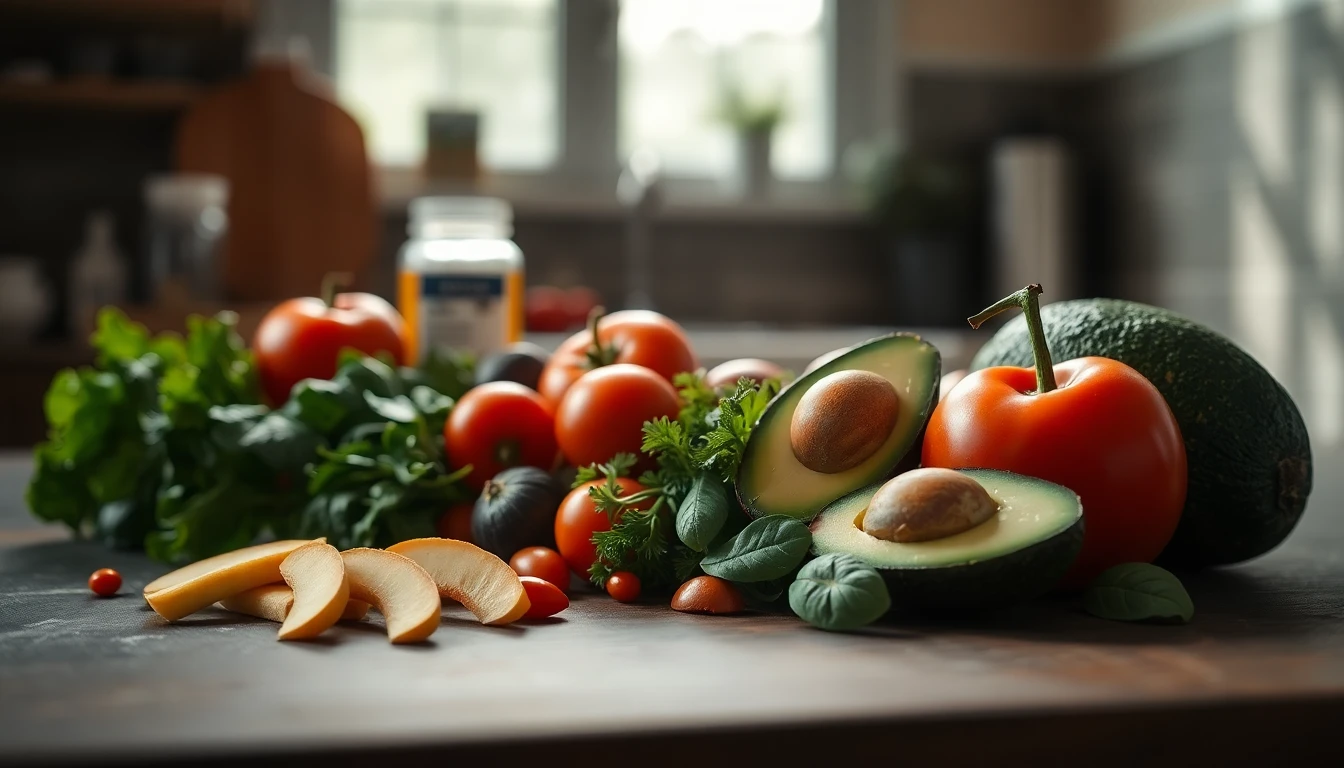
The liberating reality for people taking apixaban is that you can eat vitamin K-rich foods freely without worrying about interfering with your medication. This includes many of the most nutritious foods available, which are important for overall cardiovascular health and wellbeing.
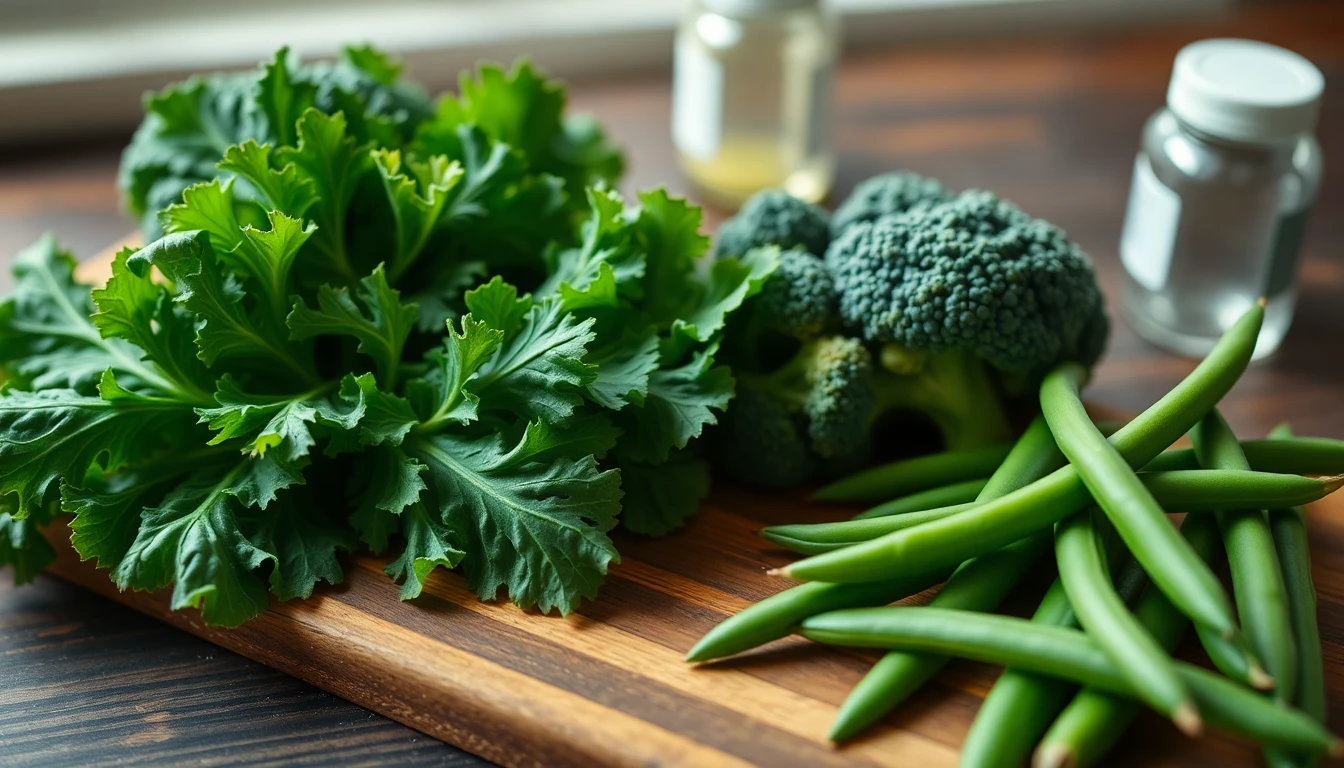
- Leafy green vegetables — Spinach, kale, Swiss chard, collard greens, spring greens, rocket, and lettuce are all excellent choices with no restrictions
- Cruciferous vegetables — Broccoli, Brussels sprouts, cabbage, and cauliflower provide valuable nutrients without affecting apixaban
- Herbs — Fresh parsley, coriander, basil, and other herbs contain vitamin K but pose no problems for apixaban users
- Vegetable oils — Rapeseed oil, soybean oil, and olive oil can be used freely in cooking
- Other vegetables — Asparagus, green beans, peas, spring onions, and okra are all safe options
- Fruits — Kiwi fruit, avocados, grapes, and blackberries contain vitamin K and are perfectly fine to eat
Building a Balanced Plate
Not only can you eat these foods, but you should actively include them in your diet. Leafy greens and cruciferous vegetables provide fibre, antioxidants, folate, and minerals that support heart health, help maintain healthy blood pressure, and reduce inflammation. For someone taking apixaban—often prescribed for atrial fibrillation or to prevent stroke—these cardiovascular benefits are particularly valuable.
A varied diet rich in vegetables, fruits, whole grains, lean proteins, and healthy fats supports your overall treatment goals. There's no need to track vitamin K intake, maintain consistent portions, or avoid certain days of the week for eating greens, as was required with warfarin.
Food and Drink Interactions That Do Matter
Whilst vitamin K isn't a concern with apixaban, there are some genuine dietary considerations to keep in mind. Being aware of these actual interactions helps you take your medication safely and effectively.
Grapefruit and Cranberry
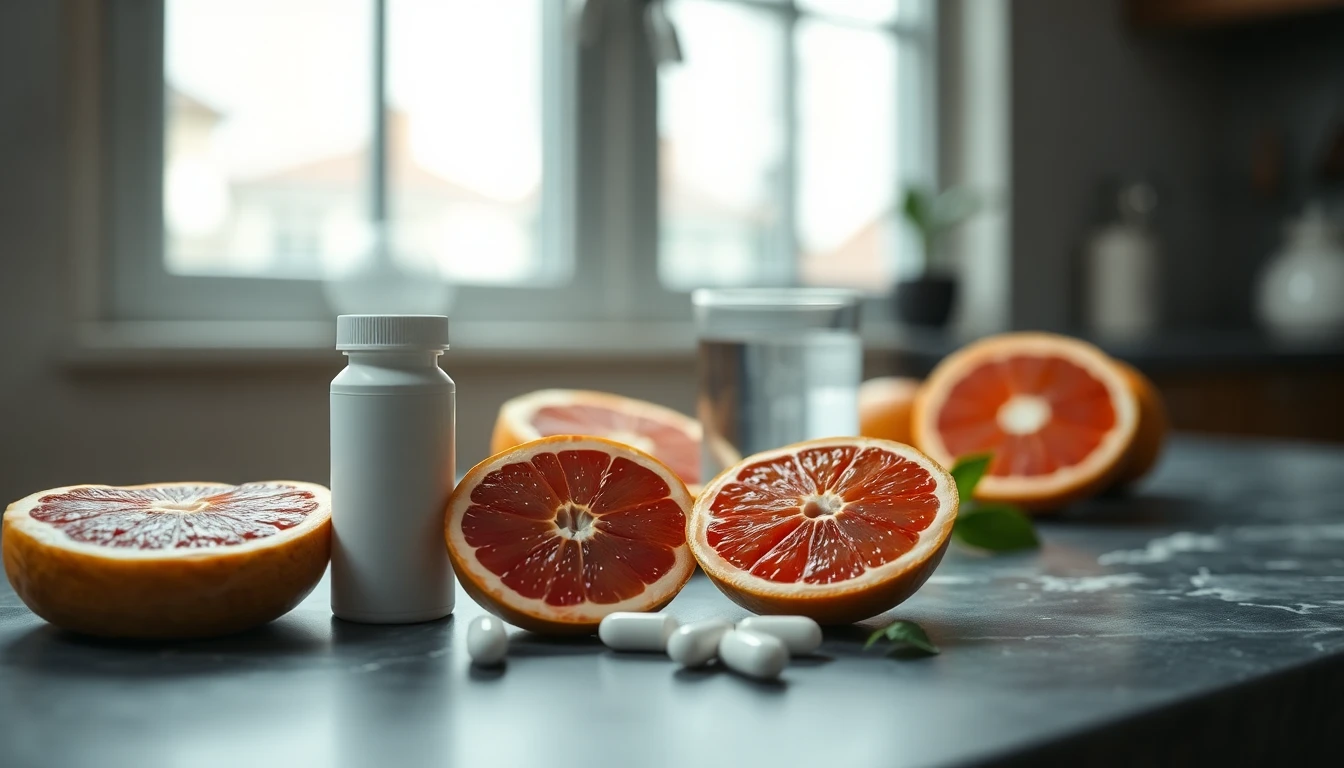
The evidence on grapefruit and apixaban is mixed, but some caution is warranted. Grapefruit contains compounds that affect drug-metabolising enzymes in your liver and intestines, potentially increasing apixaban levels in your blood. Whilst the interaction isn't as significant as with some other medications, it's sensible to avoid large amounts of grapefruit or grapefruit juice, particularly drinking it regularly or in concentrated forms.
Cranberry products, particularly concentrated cranberry juice or supplements, may also interact with anticoagulants. Small amounts of cranberries in food are generally fine, but avoid therapeutic quantities or concentrated supplements without discussing with your healthcare provider.
Alcohol Considerations
Alcohol doesn't directly interact with apixaban's mechanism, but it does increase bleeding risk independently. The NHS recommends not drinking more than 14 units per week if you're taking anticoagulants, spread over at least three days. Binge drinking or chronic heavy alcohol use can also affect liver function, which matters because your liver metabolises apixaban. Moderation is key—an occasional glass of wine or beer is generally acceptable, but discuss your specific situation with your doctor.
Herbal Supplements and Natural Products
Several herbal products can increase bleeding risk or interfere with apixaban metabolism. Be particularly cautious with St John's wort, which significantly reduces apixaban levels by increasing its breakdown in the liver. Other supplements that may increase bleeding risk include ginkgo biloba, garlic supplements, ginger in therapeutic doses, turmeric/curcumin supplements, fish oil in high doses, and vitamin E supplements. Always inform your healthcare team about any supplements you're taking or considering.
Common Misconceptions About Blood Thinner Diets
Understanding what doesn't apply to apixaban helps reduce unnecessary dietary anxiety and allows you to focus on genuinely important health behaviours.
- Myth: All blood thinners require the same diet — Different anticoagulants work differently. Apixaban's dietary profile is much simpler than warfarin's, whilst antiplatelet drugs like aspirin or clopidogrel have different considerations altogether
- Myth: You must avoid all green vegetables — This outdated advice applies only to warfarin users, and even they can eat greens with consistent intake. Apixaban users have no restrictions whatsoever on green vegetables
- Myth: Vitamin K supplements are dangerous with any anticoagulant — Whilst taking vitamin K supplements with warfarin is problematic, and isn't generally recommended with apixaban either, dietary vitamin K from food is completely safe with apixaban
- Myth: You need regular blood tests to monitor your diet — Unlike warfarin, apixaban doesn't require INR monitoring or dose adjustments based on vitamin K intake. Routine blood monitoring isn't needed unless specific concerns arise
- Myth: Missing one dose or eating the 'wrong' food will cause a stroke — Whilst medication adherence is important, apixaban has a relatively stable effect, and there are no 'wrong' foods in terms of vitamin K. If you miss a dose, take it as soon as you remember on the same day, then continue normally
When to Seek Clarification
If you've received conflicting information from healthcare providers, or if printed materials with your medication suggest vitamin K restrictions, don't hesitate to ask for clarification. It's possible someone has confused apixaban with warfarin, or that generic blood thinner advice is being applied too broadly. Your pharmacist or prescribing doctor can confirm that vitamin K restrictions don't apply to your specific medication.
Practical Tips for Eating Well on Apixaban
Taking apixaban doesn't mean adopting a special diet, but these practical strategies help you eat well and manage your medication effectively.
- Take apixaban with or without food — Unlike some medications, apixaban can be taken either way, so take it however is easiest to remember consistently
- Prioritise consistency in timing — Taking apixaban at the same times each day (usually twice daily, 12 hours apart) maintains stable blood levels. Pairing it with meals can help you remember
- Focus on heart-healthy eating — Since apixaban is often prescribed for cardiovascular conditions, emphasise foods that support heart health: plenty of vegetables, fruits, whole grains, oily fish, nuts, seeds, and legumes
- Stay hydrated — Adequate fluid intake supports overall health and may help reduce bleeding risk by maintaining good kidney function
- Be cautious with NSAIDs — Non-steroidal anti-inflammatory drugs like ibuprofen can increase bleeding risk when combined with apixaban. Paracetamol is generally the safer choice for pain relief, but consult your doctor
- Monitor for bleeding signs — While eating well, stay alert for unusual bruising, bleeding gums, blood in urine or stools, or prolonged bleeding from cuts. Report concerning symptoms promptly
Maintaining Nutritional Quality
Being on apixaban long-term is an opportunity to optimise your overall diet for cardiovascular health. The Mediterranean dietary pattern, rich in vegetables (including those high in vitamin K), fruits, whole grains, legumes, nuts, olive oil, and fish, has strong evidence for reducing cardiovascular events. This eating style aligns perfectly with apixaban therapy, as there are no restrictions that would prevent you from following this heart-protective approach.
If you're concerned about nutritional adequacy or have multiple dietary requirements due to other health conditions, consider asking your GP for a referral to a registered dietitian who can provide personalised guidance.
How FreshPlate Can Help Alongside Your Apixaban
Managing medications alongside dietary preferences, nutritional needs, and health conditions can feel overwhelming, even when the food restrictions are minimal. FreshPlate builds every recipe it generates around your own medication list, so you don't have to start from scratch each time you plan a meal.
You can add your medicines by brand or generic name, and the app reads each one by its active ingredient. On every recipe and meal, the For you tab lists your medicines. For those where the interaction checker has quoted the NHS or US FDA words about food, you'll see that wording quoted word for word, with a link to the checker page. For the rest, it tells you there is no advice on file yet and points you to your pharmacist. FreshPlate has no specific rule for apixaban, so please don't expect the app to flag, block or warn about anything particular for it. Your pharmacist or prescriber is the right person to ask about food and apixaban.
If you're managing other health issues alongside apixaban, the For you tab on each recipe also shows why it suits your goal and conditions, what was checked against your allergens, diet and religious food rules (anything the app can't verify is only ever noted, never ticked), and whether it fits what is left of your day. You can also try the free food–medication checker on our website at /website/tools/food-medication-checker/: type a medication or its brand name and see the foods to watch in seconds.
Frequently asked questions
Can I eat spinach and kale whilst taking apixaban?
+
Yes, absolutely. Apixaban doesn't interact with vitamin K, so you can eat spinach, kale, and all other leafy greens freely without affecting your medication's effectiveness. Unlike warfarin, apixaban works independently of vitamin K pathways.
Do I need to avoid vitamin K foods on Eliquis?
+
No, you don't need to avoid vitamin K foods whilst taking Eliquis (apixaban). This medication doesn't interact with dietary vitamin K, so there are no restrictions on eating vegetables, herbs, or other vitamin K-rich foods.
What foods should I avoid while taking apixaban?
+
There are very few dietary restrictions with apixaban. It's sensible to limit grapefruit and cranberry juice, avoid excessive alcohol, and be cautious with herbal supplements. Vitamin K-rich foods like leafy greens are perfectly safe and don't need to be avoided.
Is apixaban affected by diet like warfarin is?
+
No, apixaban is much less affected by diet than warfarin. Warfarin requires strict monitoring of vitamin K intake, whilst apixaban works through a different mechanism that isn't influenced by dietary vitamin K, making it simpler to manage.
Can I drink alcohol whilst taking Eliquis?
+
Moderate alcohol consumption is generally acceptable with Eliquis (apixaban), but stick to NHS guidelines of no more than 14 units per week. Excessive drinking increases bleeding risk and can affect liver function, so moderation is important. Discuss your specific situation with your doctor.
Sources
Did this answer your question?
Reece reads every reply. Questions we have not covered become new guides.
Eating around apixaban shouldn’t be guesswork.
Get our free apixaban food guide by email — the foods to watch, safe swaps, and meal ideas that work with your medication. One genuinely useful email a week — no spam, unsubscribe anytime.
Free forever. You'll also be first in line for the FreshPlate app — with a free trial at launch.