Sulforaphane Foods: Your UK Cruciferous Vegetable Guide
Discover sulforaphane-rich foods and how to prepare cruciferous vegetables to maximise cancer-protective compounds. Evidence-based cooking tips included.

By Reece Douglas · Founder, FreshPlate
Listen to this article
Sulforaphane Foods: Your UK Cruciferous Vegetable Guide
If you've heard whispers about broccoli being a 'superfood', there's genuine science behind the hype. The secret lies in a compound called sulforaphane, which forms when you chop, chew or otherwise damage cruciferous vegetables. Research suggests this remarkable molecule may help protect cells from damage, reduce inflammation, and even support the body's natural defences against certain cancers.
But here's the catch: sulforaphane is surprisingly temperamental. Overcook your broccoli, and you'll destroy the enzyme needed to create it. Skip the chopping step, and you'll miss out on much of its potential. In this guide, we'll explore which foods contain the highest levels of sulforaphane precursors, what the research actually tells us about its benefits, and most importantly, how to prepare these vegetables to maximise this protective compound without sacrificing flavour.
What Is Sulforaphane and Why Does It Matter?
Sulforaphane isn't actually present in intact vegetables. Instead, cruciferous vegetables contain a precursor compound called glucoraphanin and an enzyme called myrosinase, stored in separate compartments within plant cells. When you cut, chop or chew these vegetables, the cell walls break down, allowing glucoraphanin and myrosinase to meet and react, forming sulforaphane.
This compound belongs to a family called isothiocyanates, which give cruciferous vegetables their distinctive pungent flavour. What makes sulforaphane particularly interesting to researchers is its ability to activate a cellular pathway called Nrf2, which switches on genes that produce antioxidant and detoxification enzymes. Think of it as flipping a master switch that tells your cells to boost their own protective mechanisms.
Laboratory and animal studies have shown promising results for sulforaphane's potential role in cancer prevention, particularly for breast, prostate and colorectal cancers. Human research is still emerging, but observational studies consistently show that people who eat more cruciferous vegetables have lower risks of certain cancers. Whilst we can't claim sulforaphane alone prevents disease, it appears to be one beneficial component of these remarkably healthy vegetables.
The Myrosinase Factor
The myrosinase enzyme is absolutely critical for sulforaphane formation, but it's also quite fragile. Heat rapidly destroys it, which is why cooking methods matter enormously. Interestingly, the bacteria in your gut can also convert some glucoraphanin to sulforaphane, but this process is far less efficient than the plant's own myrosinase enzyme.
This is why frozen vegetables often provide less sulforaphane than fresh ones—blanching before freezing inactivates myrosinase. It's also why that mushy, overcooked broccoli from your school dinners offered minimal benefit beyond basic fibre and vitamins.
Top Sulforaphane Foods Available in the UK
All cruciferous vegetables contain some glucoraphanin, but concentrations vary significantly. Here are the richest sources you'll find in British supermarkets and greengrocers, listed with their approximate glucoraphanin content.
- Broccoli sprouts — The undisputed champion, containing 10-100 times more glucoraphanin than mature broccoli. Three-day-old sprouts offer peak concentrations. You can grow these at home from seeds available at health food shops.
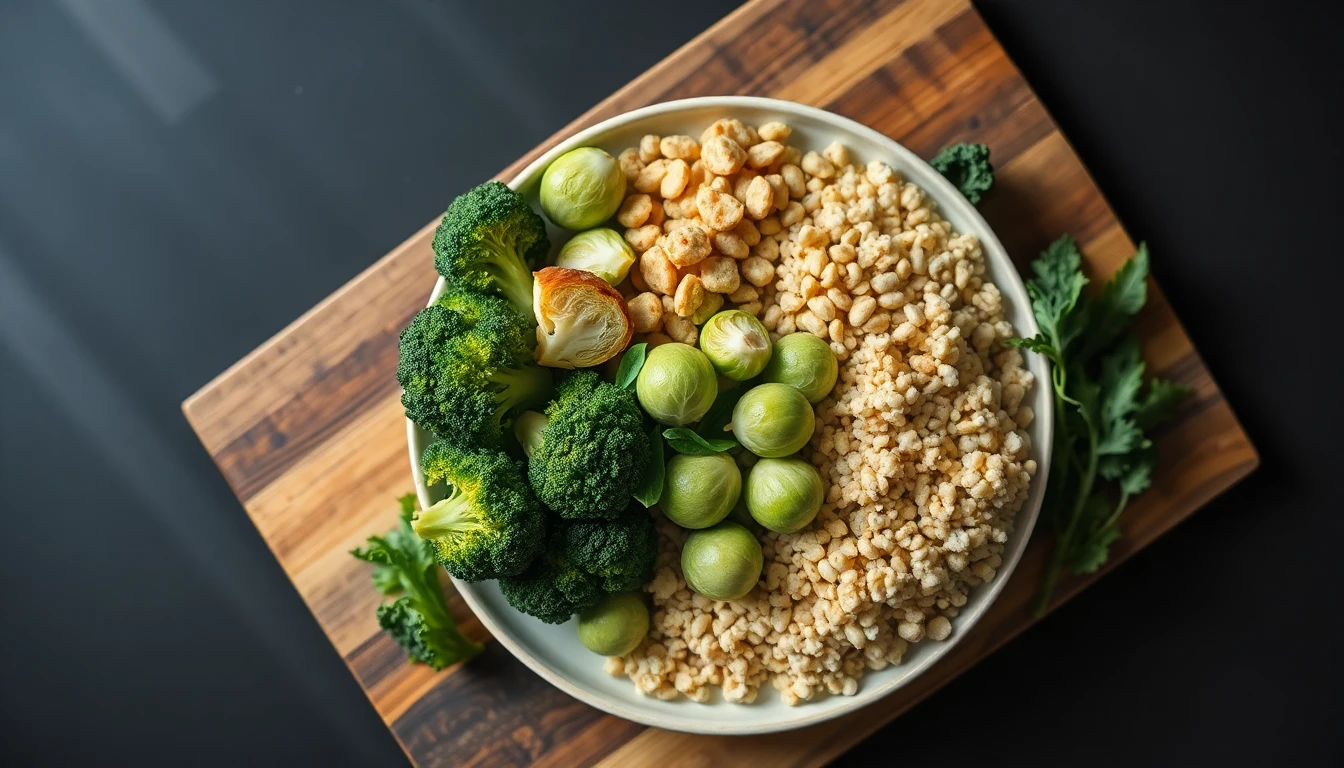
- Broccoli — Particularly the florets and younger stems. Purple sprouting broccoli, popular in British spring markets, is an excellent choice. Fresh British broccoli tends to have higher levels than imported varieties that have travelled long distances.
- Brussels sprouts — Often overlooked beyond Christmas dinner, these compact cabbages pack substantial glucoraphanin, especially when harvested after the first frost.
- Cabbage — Red and white varieties both contain good amounts, with red cabbage offering additional anthocyanin antioxidants. Savoy cabbage is another excellent British variety.
- Kale — Particularly curly kale and the darker varieties. Cavolo nero (black kale) is increasingly popular in UK shops and offers excellent levels.
- Cauliflower — Both white and the trendy purple, orange and green varieties contain glucoraphanin, though generally less than broccoli.
- Rocket (arugula) — This peppery salad leaf is a cruciferous vegetable that provides sulforaphane precursors and can be eaten raw.
- Radishes — Including the common red variety and the larger daikon (mooli) radishes found in Asian grocers.
- Watercress — A British classic that grows wild in chalk streams and is cultivated commercially, offering a peppery punch of glucoraphanin.
How to Maximise Sulforaphane Through Preparation
The way you prepare cruciferous vegetables can increase or decrease sulforaphane availability by more than tenfold. These evidence-based techniques will help you get the most from your veg without sacrificing taste or convenience.
The Chop-and-Wait Method
Chopping triggers sulforaphane formation, but the reaction takes time. Research shows that chopping broccoli or cabbage and letting it sit for 30-90 minutes before cooking allows maximum sulforaphane to form whilst the myrosinase enzyme is still active. The sulforaphane itself is more heat-stable than the enzyme, so once formed, it better survives cooking.
This technique is particularly useful if you're meal prepping. Chop your broccoli or Brussels sprouts in the morning, leave them in a covered bowl in the fridge, then cook them for dinner. You'll preserve significantly more sulforaphane than if you cooked immediately after chopping.
Best Cooking Methods
If eating everything raw doesn't appeal (and for many cruciferous vegetables, it's not particularly palatable), these cooking methods preserve the most sulforaphane.
- Light steaming — Three to four minutes for broccoli florets maintains myrosinase activity whilst making vegetables more digestible. Use a steamer basket over boiling water and keep a lid on to trap steam.
- Quick stir-frying — High heat for a very short time (2-3 minutes) in a hot wok or pan. The brief cooking period limits enzyme destruction. Add vegetables to an already hot pan.
- Raw consumption — Obviously preserves everything, perfect for finely shredded cabbage in slaws, thinly sliced Brussels sprouts in salads, or broccoli florets in crudités.
- Microwaving — Surprisingly effective when done briefly (1-2 minutes on high for a portion of broccoli). The short cooking time and minimal water preserve sulforaphane better than boiling.
Methods to Avoid
Boiling is the worst option for sulforaphane preservation. The high temperature destroys myrosinase, and water-soluble compounds leach into the cooking water. If you do boil cruciferous vegetables, keep the time under three minutes and consider using the cooking water in soups or sauces to reclaim some nutrients.
Prolonged roasting at high temperatures (above 200°C for more than 15 minutes) will also significantly reduce sulforaphane availability, though it does create delicious caramelisation. There's a trade-off between sulforaphane content and palatability—burnt Brussels sprouts may convert vegetable sceptics, even if they're not nutritionally optimal.
The Mustard Powder Trick
If you've already cooked your broccoli and realised you've destroyed the myrosinase, there's a rescue option. Mustard seeds (and therefore mustard powder) contain their own myrosinase that can convert glucoraphanin to sulforaphane. Adding a pinch of mustard powder to cooked cruciferous vegetables can restore some sulforaphane formation.
This works particularly well in dishes like cauliflower cheese (add mustard powder to the cheese sauce), roasted Brussels sprouts (toss with a mustard-based dressing after cooking), or broccoli salads. You need very little—about a quarter teaspoon per 100g of vegetables.
Sulforaphane and Cancer Protection: What the Research Shows
The connection between cruciferous vegetables and cancer prevention is one of the most robust findings in nutritional epidemiology. Large observational studies consistently show that people who eat more cruciferous vegetables have lower risks of several cancer types, particularly lung, colorectal, breast and prostate cancers.
Sulforaphane appears to work through multiple mechanisms. Laboratory research shows it can help cells eliminate potential carcinogens more efficiently, reduce inflammation that can promote tumour growth, inhibit enzymes that activate carcinogens, and even trigger apoptosis (programmed death) in cancer cells whilst leaving healthy cells unharmed.
A study published in the British Journal of Nutrition found that men who ate more cruciferous vegetables had altered gene expression in their prostate tissue in ways that might reduce cancer risk. Other research has shown that sulforaphane can inhibit histone deacetylase (HDAC) enzymes, which are often overactive in cancer cells.
It's crucial to note that whilst these findings are promising, they don't mean cruciferous vegetables cure or prevent cancer on their own. Cancer is complex, involving genetics, environment, lifestyle and chance. However, regular consumption of these vegetables as part of a varied diet appears to be a sensible, evidence-based strategy for reducing risk.
Practical Ways to Eat More Sulforaphane Foods
Knowing the science is one thing; actually eating enough cruciferous vegetables is another. Here are realistic strategies for incorporating more sulforaphane-rich foods into your weekly routine.
- Grow broccoli sprouts — Keep a jar on your windowsill and add a handful to sandwiches, salads or grain bowls. They're ready in 3-5 days and cost pennies compared to shop-bought sprouts.
- Batch-prep chopped veg — On Sunday, chop broccoli, cauliflower and cabbage, let them sit for an hour, then store in the fridge in separate containers. You've activated the sulforaphane and they're ready to quickly steam or stir-fry throughout the week.
- Add to morning eggs — Lightly steamed broccoli or kale pairs beautifully with scrambled eggs, omelettes or alongside poached eggs on toast.
- Make Asian-style slaws — Finely shredded raw cabbage (red and white), rocket and thinly sliced radishes with a sesame-ginger dressing make an excellent side dish or sandwich filling.
- Roast with compensation — If you love roasted Brussels sprouts or cauliflower, dress them with a mustard vinaigrette after cooking to restore some myrosinase activity.
- Keep frozen as backup — Whilst fresh is better for sulforaphane, frozen cruciferous vegetables still provide fibre, vitamins and some glucoraphanin that your gut bacteria can convert. They're invaluable for busy weeks.
- Try new varieties — Purple sprouting broccoli in spring, romanesco in autumn, and different kale varieties keep things interesting and ensure you're getting a range of beneficial compounds.
How FreshPlate Optimises Your Sulforaphane Intake
Remembering which cooking method preserves sulforaphane, timing your chopping, and balancing nutritional optimisation with actual enjoyment of your meals can feel overwhelming. This is precisely where FreshPlate takes the mental load off your plate.
When you set up your FreshPlate profile, the app learns your health goals, any medications you take, and conditions you're managing. If cancer prevention or anti-inflammatory eating is a priority for you, FreshPlate automatically increases the frequency of cruciferous vegetables in your personalised recipe suggestions. More importantly, the recipes include specific preparation instructions designed to maximise sulforaphane—you'll see notes like 'chop broccoli and set aside whilst you prepare other ingredients' or 'steam for 3-4 minutes until just tender'.
The app also accounts for palatability and practical reality. If you've indicated you dislike raw broccoli, FreshPlate won't push broccoli sprout salads on you. Instead, it might suggest lightly steamed tenderstem broccoli with a mustard-seed dressing, or a quick stir-fry that preserves nutrients whilst creating the flavours and textures you actually enjoy. Nutrition science is only useful if you'll actually eat the food, and FreshPlate's algorithms balance optimal preparation with your genuine preferences and cooking skills.
Frequently asked questions
What food has the most sulforaphane?
+
Broccoli sprouts contain the highest concentration of glucoraphanin (the sulforaphane precursor), with 10-100 times more than mature broccoli. Three-day-old sprouts offer peak levels. Among mature vegetables, fresh broccoli florets, particularly purple sprouting varieties, contain the most.
Does cooking broccoli destroy sulforaphane?
+
Cooking destroys myrosinase, the enzyme that creates sulforaphane, but not sulforaphane itself once formed. To maximise sulforaphane, chop broccoli and wait 30-90 minutes before cooking, or cook very briefly (3-4 minutes steaming). Boiling for more than 5 minutes destroys most potential sulforaphane.
How much broccoli should I eat for sulforaphane benefits?
+
Research suggests 3-5 servings of cruciferous vegetables per week provides measurable health benefits. One serving equals approximately 80g (a generous handful of broccoli florets). For therapeutic levels of sulforaphane, some studies use broccoli sprouts providing 30-50mg of sulforaphane, equivalent to roughly 30g of fresh sprouts.
Can you get sulforaphane from supplements?
+
Yes, sulforaphane and glucoraphanin supplements exist, but whole food sources are generally preferable. Supplements lack the fibre, vitamins and other beneficial compounds found in cruciferous vegetables. If considering supplements, choose glucoraphanin with active myrosinase enzyme, and discuss with your GP, especially if taking medications.
Is frozen broccoli as good as fresh for sulforaphane?
+
Frozen broccoli contains less available sulforaphane than fresh because blanching before freezing inactivates myrosinase. However, it still contains glucoraphanin that your gut bacteria can partially convert to sulforaphane, plus fibre and other nutrients. Adding mustard powder to cooked frozen broccoli can help restore sulforaphane formation.
Sources
Did this answer your question?
Reece reads every reply. Questions we have not covered become new guides.
Make sulforaphane one less thing to worry about.
Get our free sulforaphane guide by email — the best food sources, what helps and hinders absorption, and a week of meal ideas. One genuinely useful email a week — no spam, unsubscribe anytime.
Free forever. You'll also be first in line for the FreshPlate app — with a free trial at launch.