Antioxidant Rich Foods: UK List & Health Benefits
Which foods are highest in antioxidants? A practical UK guide to ORAC scores, food sources by type, daily portions, and what the science actually shows.

By Reece Douglas · Founder, FreshPlate
Listen to this article
Antioxidant Rich Foods: UK List & Health Benefits
Antioxidants protect your cells from oxidative stress, a process linked to ageing, inflammation and chronic diseases including heart disease, type 2 diabetes and some cancers. Your body makes some antioxidants naturally, but dietary sources provide the majority.
This guide ranks antioxidant rich foods available in UK supermarkets by ORAC score and type, explains what the research shows, and sets out daily portions that deliver measurable results.
FreshPlate logs every meal by photo, barcode or search, then rolls the day into one health score against your nutrition targets, including micronutrient coverage across antioxidant sources. I built it that way because tracking "eat more antioxidants" is impossible without knowing whether your five portions actually vary—whether Monday's blueberries, spinach and almonds cover different compounds than Tuesday's raspberries, kale and walnuts. The app doesn't claim anything specific about antioxidants, but it shows you whether your choices spread across colours and types, which is what the research in this guide says matters. I have also made sure when signing up to FreshPlate users have the option to add ingredients they have made from scratch, add it to their meal plan and also decide on what measurement conversion they would like. For example if you are based in the US you have the option to see customary units such as:
Weight and Mass
Ounce (oz): Used for light items or small portions of food.
Pound (lb): Equal to 16 ounces, used for body weight and heavier items.
Volume and Liquid Capacity
Fluid ounce (fl oz): Small liquid amounts.
- Cup (c): Equal to 8 fluid ounces, common in cooking.
- Pint (pt): Equal to 2 cups.
- Quart (qt): Equal to 2 pints.
- Gallon (gal): Equal to 4 quarts, often used for milk or gasoline.
I look forward to catering for more US users as the app continues to scale
What Are Antioxidants and How Do They Work?
Antioxidants neutralise free radicals, unstable compounds produced during metabolism, exercise, pollution exposure and inflammation. Free radicals damage cell membranes, proteins and DNA through oxidative stress.
Your body maintains a balance between free radicals and antioxidants. When free radicals overwhelm antioxidant defences, oxidative damage accumulates and contributes to disease risk.
Dietary antioxidants include vitamins (C, E), minerals (selenium, manganese), carotenoids (beta-carotene, lutein, lycopene) and polyphenols (flavonoids, phenolic acids). Each works through different mechanisms, which is why variety matters more than single high doses.
Highest Antioxidant Foods by ORAC Score
ORAC (Oxygen Radical Absorbance Capacity) measures a food's ability to neutralise free radicals in laboratory conditions. Scores are given per 100 grams. While ORAC values don't perfectly predict health outcomes in humans, they provide a useful starting point for comparing foods.
These foods are widely available in UK shops and rank highest by ORAC score. Values are approximate and vary by variety, ripeness and growing conditions.
- Cloves — 314,446 ORAC units per 100g, though typically used in tiny amounts
- Raw cacao powder — 95,500 units, 1-2 tablespoons in porridge or smoothies
- Dark chocolate (85% cocoa) — 20,816 units, 20-30g daily provides benefits without excess sugar
- Pecans — 17,940 units, 30g portion (about 15 nuts)
- Blueberries — 9,621 units fresh, 2,906 units frozen per 100g
- Blackberries — 5,905 units, 80g portion counts as one of your five a day
- Kidney beans — 8,459 units, 80g cooked portion
- Cranberries — 9,090 units, though usually sweetened in commercial products
- Artichoke hearts — 6,552 units, tinned versions widely available
- Prunes — 8,059 units, 30g portion (about 3 prunes)
- Walnuts — 13,541 units, 30g portion
- Ground cinnamon — 131,420 units, 1 teaspoon in coffee or porridge
- Oregano (dried) — 175,295 units, 1 teaspoon in cooking
Common UK Vegetables and Fruits
These everyday foods deliver significant antioxidants at typical serving sizes.
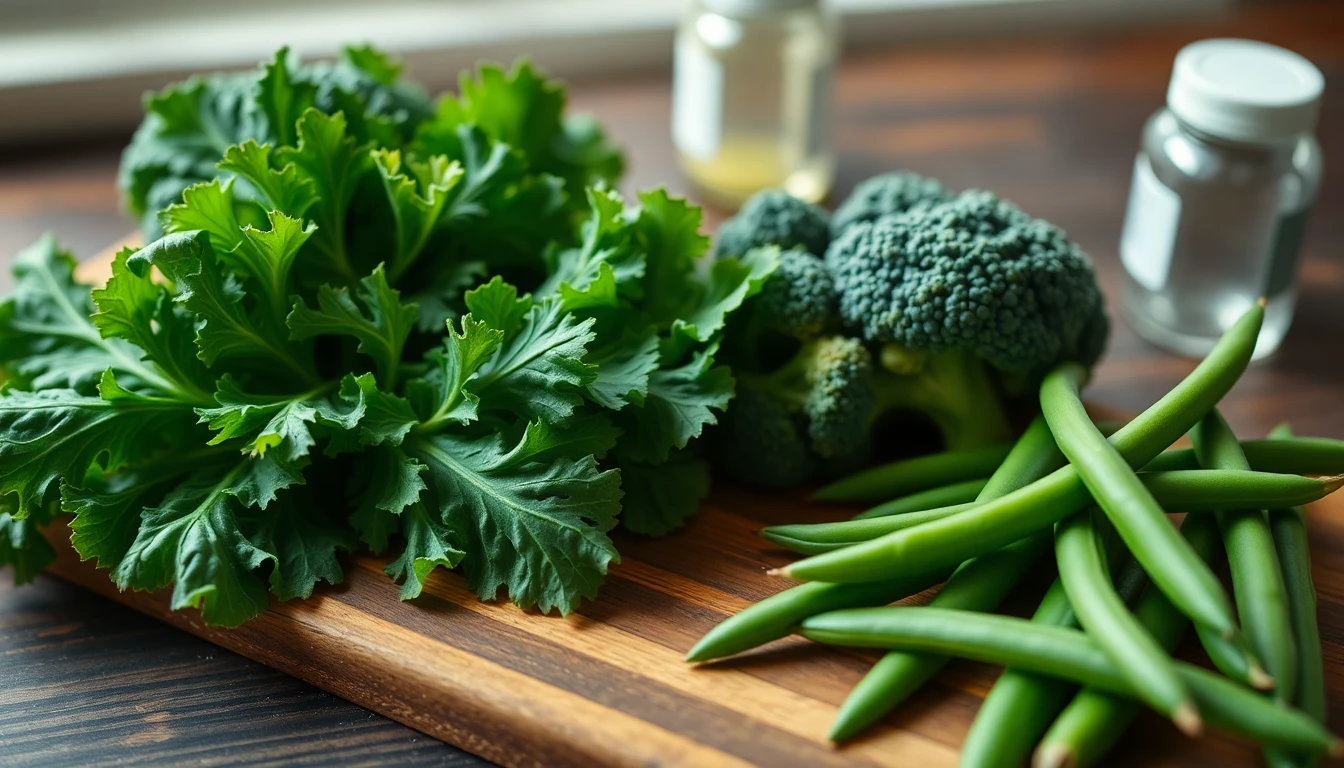
- Kale — 1,770 units per 80g portion (raw), higher when steamed
- Red cabbage — 2,496 units per 80g raw
- Beetroot — 1,776 units per 100g cooked
- Spinach — 1,513 units per 80g raw
- Broccoli — 890 units per 80g cooked
- Red bell peppers — 821 units per 80g raw
- Raspberries — 5,065 units per 100g
- Strawberries — 4,302 units per 100g
- Red apples — 3,898 units per 100g with skin
- Red grapes — 1,837 units per 100g
Antioxidant Rich Foods by Type
Different antioxidants target different types of free radicals and work in different body tissues. Eating a variety ensures broad protection.
Polyphenols
Polyphenols include flavonoids, phenolic acids, stilbenes and lignans. They reduce inflammation and improve blood vessel function.
- Green tea — contains catechins, particularly EGCG; 3-4 cups daily in studies
- Extra virgin olive oil — oleocanthal and hydroxytyrosol; 2 tablespoons daily
- Berries — anthocyanins that give red, blue and purple colours
- Apples — quercetin concentrated in the skin
- Red wine — resveratrol, though alcohol risks outweigh benefits above 1 unit daily
- Coffee — chlorogenic acid; 3-4 cups daily linked to lower disease risk
Carotenoids
Fat-soluble pigments that give orange, red and yellow colours. Your body converts some carotenoids to vitamin A.
- Carrots — beta-carotene, better absorbed when cooked with a little fat
- Sweet potatoes — beta-carotene, one medium potato provides 400% of vitamin A needs
- Tomatoes — lycopene, concentrated in tinned and cooked tomatoes
- Red peppers — beta-carotene and capsanthin
- Spinach and kale — lutein and zeaxanthin for eye health
- Butternut squash — beta-carotene, 80g portion provides 240% of vitamin A needs
Vitamin C
Water-soluble antioxidant that regenerates vitamin E. UK adults need 40mg daily; smokers need an extra 35mg.
- Red peppers — 190mg per pepper, the richest common source
- Blackcurrants — 200mg per 100g
- Kiwi fruit — 93mg per fruit
- Oranges — 70mg per medium orange
- Strawberries — 80mg per 100g portion
- Broccoli — 90mg per 80g cooked portion
Vitamin E
Fat-soluble antioxidant that protects cell membranes. UK adults need 4mg for men, 3mg for women.
- Sunflower seeds — 35mg per 100g, a 30g portion provides over 10mg
- Almonds — 26mg per 100g
- Hazelnuts — 15mg per 100g
- Avocado — 2mg per half avocado
- Spinach — 2mg per 100g cooked
- Rapeseed oil — 22mg per 100g
Selenium
Mineral required for glutathione peroxidase, an antioxidant enzyme. UK adults need 60-75mcg daily. Soil selenium varies significantly by region, affecting food content.
- Brazil nuts — 1,917mcg per 100g, just 1-2 nuts daily meets needs; avoid exceeding 400mcg daily
- White fish — 40mcg per 100g cooked
- Eggs — 15mcg per large egg
- Wholemeal bread — selenium added to UK flour; 2 slices provide about 20mcg
- Poultry — 20-30mcg per 100g cooked
What the Research Shows About Health Benefits
Large observational studies link diets rich in antioxidant foods with lower risks of heart disease, stroke, type 2 diabetes and some cancers. The strongest evidence supports whole foods rather than isolated supplements.
A 2019 meta-analysis in the European Heart Journal found that each daily 200g portion of fruit and vegetables reduced cardiovascular disease risk by 8-10%. The effect plateaued at five portions daily, the basis for the NHS five-a-day guidance.
Antioxidant supplements show minimal benefit and can cause harm. Beta-carotene supplements increased lung cancer risk in smokers in two large trials. High-dose vitamin E supplements raised prostate cancer risk in the SELECT trial. Whole foods provide antioxidants alongside fibre, minerals and other compounds that work together.
The anti-inflammatory foods list overlaps significantly with antioxidant rich foods, as oxidative stress and inflammation drive each other in chronic diseases.
How Much to Eat Daily
No UK guidance specifies total antioxidant intake, but the five-a-day recommendation provides substantial amounts when you choose varied colours and types. Each portion is 80g for most fruits and vegetables, 30g for nuts and dried fruit.
Practical daily targets:
- Five varied portions — choose at least three different colours across the day
- One handful of berries — fresh or frozen, 80-100g
- Two handfuls of dark leafy greens — raw in salads or cooked, 80g per portion
- One 30g portion of nuts or seeds — unsalted, about a small handful
- 2 tablespoons of extra virgin olive oil — for cooking or dressings
- 1-2 portions of beans or lentils — 80g cooked weight, tinned varieties count
- 20g dark chocolate — 70% cocoa minimum, as an occasional addition not a staple
Combinations That Enhance Absorption
Some antioxidants absorb better when eaten with specific nutrients.
- Carotenoids with fat — add olive oil to tomato sauce, or avocado to carrot salad; increases lycopene absorption by 2-4 times
- Iron with vitamin C — pair spinach with red peppers, or lentils with tomatoes; vitamin C increases non-haem iron absorption
- Curcumin with black pepper — piperine in black pepper increases curcumin bioavailability by 2,000%
- Quercetin with oil — cook onions in rapeseed oil to increase quercetin absorption
Special Considerations and Drug Interactions
Some antioxidant rich foods interact with medications or require caution in specific health conditions.
If you take warfarin or other anticoagulants, maintain consistent vitamin K intake rather than avoiding green vegetables entirely. Large increases in kale, spinach or Brussels sprouts can affect INR levels. The apixaban vitamin K guide explains why consistency matters more than restriction.
Grapefruit and Seville oranges inhibit liver enzymes that metabolise many drugs, including some statins, calcium channel blockers and immunosuppressants. The calcium channel blockers grapefruit guide lists affected medications.
- Green tea with iron supplements — leave a 2-hour gap; catechins reduce iron absorption by up to 60%
- High-dose vitamin E with anticoagulants — increases bleeding risk; avoid supplements above 540mg daily
- Brazil nuts — limit to 1-2 daily due to very high selenium content; excess causes nausea, hair loss and nerve damage
- Berries with methotrexate — folate in berries is beneficial, but avoid folate-rich foods close to methotrexate dose timing; see guidance on folate-rich foods for those on methotrexate
- Beetroot with kidney stones — high oxalate content may increase risk in susceptible individuals; moderate intake to 100g twice weekly
Building Antioxidants Into Your Routine
FreshPlate's free food-medication interaction checker flags combinations that need caution and suggests swaps that preserve antioxidant benefits while avoiding interactions.
The app builds weekly meal plans around foods that suit your specific health conditions and prescriptions, automatically balancing antioxidant variety with practical constraints like budget, cooking time and family preferences.
Frequently asked questions
Which foods are rich in iodine for thyroid health?
+
Iodine rich foods for thyroid function include white fish (140mcg per 100g cod), milk (30mcg per 200ml), yoghurt (60mcg per 150g pot), eggs (25mcg per large egg) and seaweed, though seaweed iodine varies wildly and can provide excessive amounts. UK adults need 140mcg daily; pregnant women need 200mcg.
What are the best choline rich foods?
+
Choline rich foods include eggs (147mg per large egg), beef liver (420mg per 100g), salmon (90mg per 100g fillet), chicken breast (70mg per 100g), broccoli (40mg per 80g cooked) and peanuts (52mg per 30g). UK adults need approximately 400-550mg daily, though no official recommendation exists.
Which foods are highest in chromium?
+
Chromium rich foods include broccoli (11mcg per 80g), wholemeal bread (2mcg per slice), potatoes with skin (2mcg per medium potato), green beans (1mcg per 80g), red wine (1-13mcg per 150ml glass) and turkey (2mcg per 100g). The UK has no chromium dietary reference value, but safe intake is considered 25-30mcg daily for adults.
Do I need to avoid antioxidant foods during chemotherapy?
+
No, you do not need to avoid antioxidant foods during chemotherapy, but avoid high-dose antioxidant supplements without oncologist approval as they may reduce treatment effectiveness in some protocols. Whole foods provide safe amounts and help maintain nutritional status during treatment.
Can you get too many antioxidants?
+
You cannot get too many antioxidants from whole foods, but high-dose supplements can cause harm. Beta-carotene supplements increased lung cancer in smokers, and vitamin E supplements above 540mg daily raised prostate cancer risk. Stick to food sources for safe, balanced intake.
Sources
Did this answer your question?
Reece reads every reply. Questions we have not covered become new guides.
Make antioxidants one less thing to worry about.
Get our free antioxidants guide by email — the best food sources, what helps and hinders absorption, and a week of meal ideas. One genuinely useful email a week — no spam, unsubscribe anytime.
Free forever. You'll also be first in line for the FreshPlate app — with a free trial at launch.