Shelled Peanuts Tyramine MAOI: Peanut Butter Compared
Shelled peanuts, tyramine and MAOIs: why peanut butter is usually seen as low risk while whole peanuts get flagged, and what freshness and portions change.

By Reece Douglas · Founder, FreshPlate
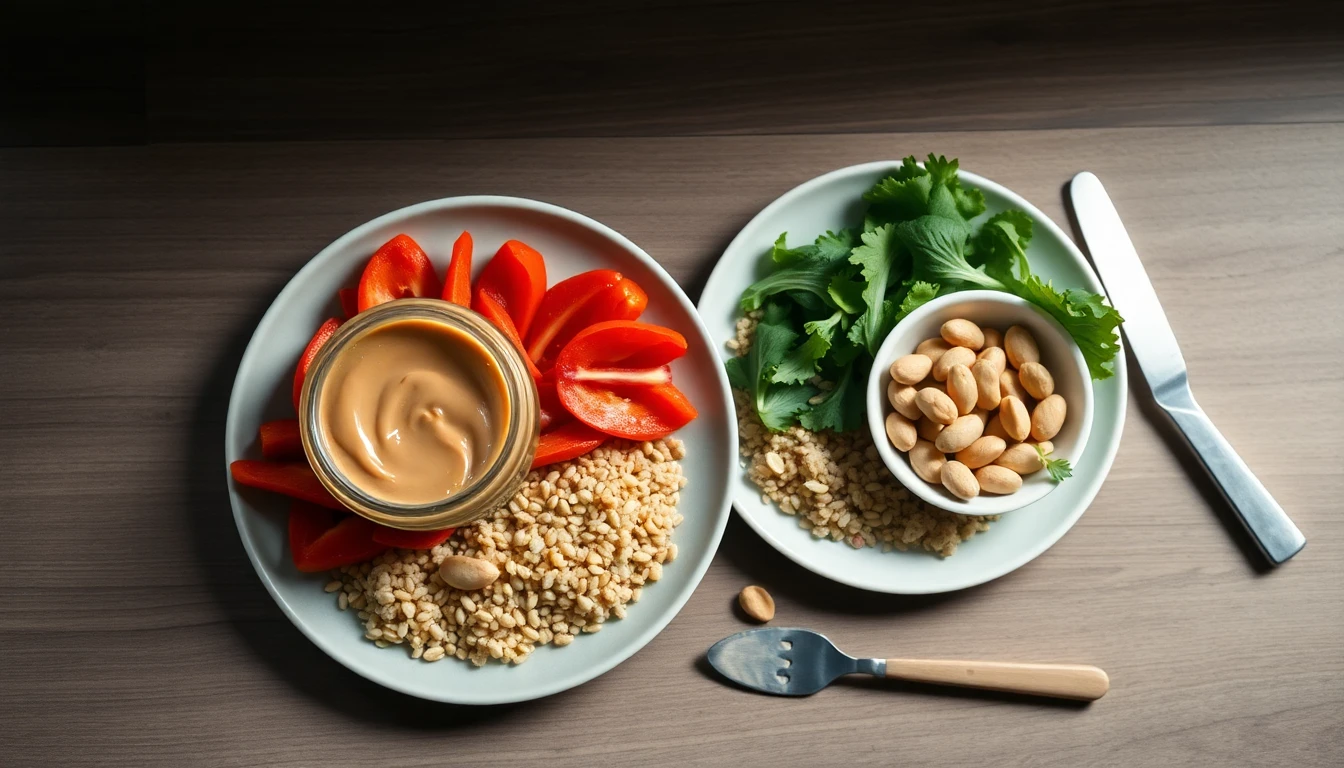
Peanut butter is usually treated as low risk on an MAOI, while whole or shelled peanuts sometimes get a warning. On the guidance FreshPlate works from, normal portions of peanuts are fine. Sources disagree, though, and the reasons are worth understanding.
This post explains why the advice differs, what freshness and storage change, and what to ask the person who prescribed your medication.
People ask me two things about peanuts and MAOIs: whether tyramine is a problem with them, and which foods they should avoid altogether. Peanuts end up on worry lists because of how old, damp or mouldy nuts behave, not because fresh ones are high in tyramine. I wanted one clear answer in plain words, with the reasoning shown. Normal portions of peanuts and peanut butter are fine on standard guidance. What I'd like you to take from this guide is where the real risk sits: spoiled food, aged food and fermented flavourings.
Are shelled peanuts safe on an MAOI?
Yes, normal portions of shelled peanuts are fine on standard MAOI guidance, which is how FreshPlate's interaction checker rates peanuts. The phenelzine label does not list peanuts among the foods to avoid. It names aged cheeses, pickled herring, beer, wine, liver, yeast extract, broad bean pods and yogurt, and warns against any protein food that has been aged, fermented, pickled, smoked or spoiled.
Peanuts are none of those things. They are a dry, unfermented legume, and a fresh, properly stored peanut is not a high-tyramine food. The caution in some lists comes from how nuts behave when old, damp or eaten in very large amounts, not from fresh peanuts.
- Fresh shelled peanuts, small handful — fine — dry, unfermented, no tyramine concern on standard guidance
- Smooth or crunchy peanut butter, a spoonful or two — fine — usually listed as low risk
- Stale, damp or mouldy peanuts — avoid — spoilage is the risk, not the peanut
- Very large quantities — check first — portion size matters on any restrictive diet
Why do peanut butter and whole peanuts get different advice?
The difference comes mostly from how each source was written, not from a chemical gap between the two foods. Peanut butter is ground peanuts, sometimes with salt, oil or sugar. If one is safe, the other is, in the same quantity and condition.
Three things explain the different treatment in practice.
Portion size and how people eat them
Peanut butter is eaten as a spread, a spoonful at a time. Shelled peanuts are eaten by the handful, and it is easy to get through a large bowl without noticing. Some lists flag whole peanuts because of that habit, not the food. A small handful and a half-kilo bag are not the same thing.
Old and inconsistent source lists
Many food lists online were compiled decades ago from limited testing, then copied and shortened. Different lists draw the line in different places, and some put all nuts in a cautious category because they were never tested individually. A list that says peanuts need care and one that says they are fine can trace back to the same uncertainty.
Processing and additives
Shop-bought peanut butter is a manufactured product with a defined shelf life, which is part of why it is treated as predictable. Flavoured, coated or roasted-in-sauce peanuts are different. Soy sauce coatings, yeast extract seasonings and similar flavourings can bring in high-tyramine ingredients, a separate problem from the peanut. Always read the ingredients on flavoured snack nuts.
How do freshness and storage change the risk?
Freshness matters more than the form the peanut comes in. The phenelzine label warns against spoiled or improperly stored protein-rich foods, and the same principle applies to anything you are unsure about. Tyramine builds as protein breaks down, which happens in old or badly stored food.
Peanuts are low in moisture, so they keep well, but they can still go off. If a peanut tastes bitter, musty or stale, or looks mouldy, throw the lot away. Do not pick out the good ones.
- Sealed shop-bought peanut butter, in date — fine — stable and predictable
- Opened jar, stored cool and sealed, within date — fine — follow the label's use-by guidance
- Freshly ground peanut butter from a shop — take care — shorter shelf life, so keep it cold and finish it promptly
- Shelled peanuts from an old open bag — take care — check smell and taste, and bin if in doubt
- Flavoured or sauce-coated peanuts — check the label — soy sauce, yeast extract or fermented flavourings are the problem, not the nut
- Peanuts with any mould — avoid — discard the whole batch
Practical storage habits
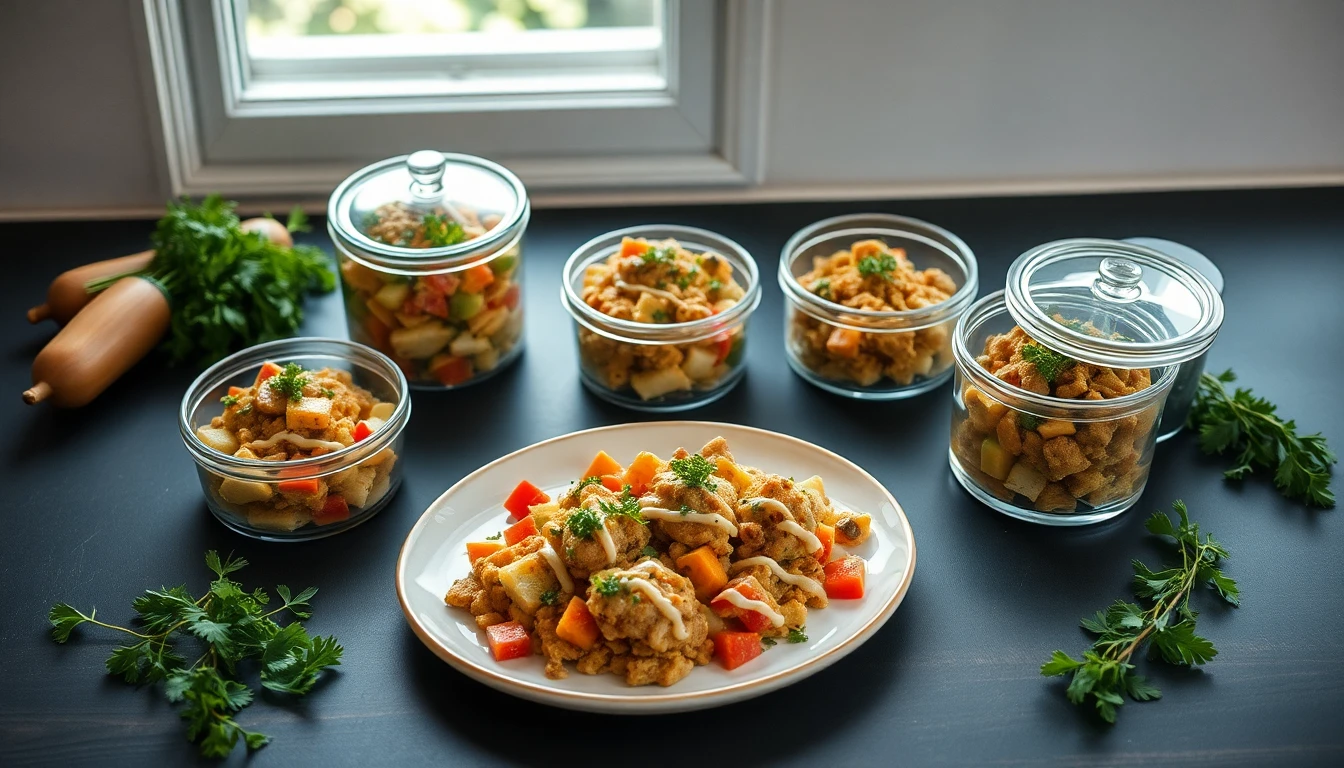
Keep shelled peanuts in a sealed container somewhere cool and dry, and buy smaller bags you will finish within a few weeks. Check the best-before date on peanut butter and note when you opened the jar. Treat peanut sauce like any other leftover: the leftovers rule in our checker is to refrigerate within an hour and eat within 24 hours, or freeze straight away. Our guide to batch cooking and freezer meals covers how to do this safely.
What are the high tyramine foods to avoid on an MAOI?
The foods to avoid are aged cheeses, cured and dry-fermented meats, smoked or pickled fish, fermented sauces and soy products, yeast extracts, fermented vegetables, tap and bottled beer, wine, and anything spoiled or badly stored. Peanuts are not on that list on standard guidance. For the full breakdown, see our MAOI tyramine food list.
Here is how peanuts compare with the foods that genuinely cause concern. The verdicts come from FreshPlate's interaction checker, which draws on the phenelzine prescribing information.
- Peanuts, normal portions — fine — dry and unfermented
- Mature cheddar, Stilton, Parmesan — avoid — aged cheeses are among the highest-tyramine foods
- Cottage cheese, cream cheese — fine — fresh, unripened cheeses are low in tyramine
- Salami, Parma ham — avoid — dry-fermented and cured meats accumulate tyramine
- Smoked salmon, pickled herring — avoid — smoked, pickled and salted fish are high
- Soy sauce, miso, Marmite — avoid — fermented and concentrated yeast products are high
- Sauerkraut, kombucha — avoid — fermented foods and drinks
- Draught beer, bottled beer, red wine — avoid — listed on the phenelzine label
- Overripe fruit — avoid — tyramine rises sharply as fruit over-ripens
- Broad bean pods — avoid — the pods contain dopamine, while shelled beans are lower risk
Why check with your pharmacist or prescriber?
Check with your pharmacist or prescriber because the right advice depends on which MAOI you take, at what dose, and your own blood pressure and health history. The label guidance above is written for phenelzine. Other MAOIs, such as tranylcypromine and isocarboxazid, carry their own prescribing information, and some people are advised to follow a stricter or more relaxed diet than a general list suggests.
Pharmacists are the easiest people to reach with this kind of question, and they can look at your whole medication list. Tyramine is only one interaction: over-the-counter cold remedies, some painkillers and other antidepressants can interact with an MAOI in ways food never will.
- Which MAOI you take — ask whether your specific drug has a different food list
- How much peanut or peanut butter is reasonable — ask for a practical portion for you
- Flavoured and coated nuts — ask whether the seasoning ingredients are a concern
- Any new symptoms after eating — severe headache, a pounding heart or neck stiffness need urgent medical advice, not a food list
How does FreshPlate handle MAOI food rules?
FreshPlate builds recipes around your medication, so a peanut satay or a peanut butter breakfast is checked against MAOI guidance before it reaches your plan, including the storage and leftover rules that catch people out. FreshPlate's free food-medication interaction checker lets you look up any food, including peanuts, and see a plain verdict with the reason behind it.
It does not replace your prescriber. It helps you arrive at your pharmacy appointment with specific questions rather than a vague worry about nuts.
Frequently asked questions
What is the link between tyramine and MAOIs?
+
MAOIs block the enzyme that breaks down tyramine, so tyramine from food can build up in your body and cause a dangerous rise in blood pressure. Tyramine is highest in aged, cured, fermented, smoked, pickled or spoiled foods, which is why those are restricted on an MAOI.
What are the high tyramine foods to avoid on an MAOI?
+
Avoid aged cheeses, cured and dry-fermented meats such as salami, smoked or pickled fish, fermented products such as soy sauce, miso and sauerkraut, yeast extracts such as Marmite, beer and wine, and any spoiled or badly stored protein food. Fresh cheeses like cottage and cream cheese are allowed.
Can I eat peanut butter on an MAOI?
+
Yes, peanut butter is usually considered low risk in normal portions, such as a spoonful or two on toast. Keep the jar in date and stored properly, and check the ingredients on any flavoured varieties.
Are salted or flavoured peanuts safe on an MAOI?
+
Plain salted peanuts are fine in normal portions, but flavoured or sauce-coated ones need an ingredients check. Soy sauce, yeast extract and other fermented flavourings are high-tyramine ingredients, whatever nut they coat.
Why do some MAOI food lists say to avoid nuts?
+
Some older lists group nuts into a cautious category without testing each one, or flag very large portions and stale or mouldy nuts. Fresh, properly stored peanuts in normal portions are not on the phenelzine label's avoid list, but ask your pharmacist if your list says otherwise.
Sources
Did this answer your question?
Reece reads every reply. Questions we have not covered become new guides.
Make MAOIs one less thing to worry about.
Get our free MAOIs guide by email — the best food sources, what helps and hinders absorption, and a week of meal ideas. One genuinely useful email a week — no spam, unsubscribe anytime.
Free forever. You'll also be first in line for the FreshPlate app — with a free trial at launch.