Protein Rich Foods Vegetarian: Complete UK List
Vegetarian protein sources with exact amounts per serving. Eggs, dairy, legumes and grains that deliver protein, plus meal ideas for UK vegetarians.

By Reece Douglas · Founder, FreshPlate
Listen to this article
Protein Rich Foods Vegetarian: Complete UK List
Vegetarian diets meet protein needs without meat or fish. The British Nutrition Foundation recommends 0.75g protein per kilogram of body weight daily for adults—45g for a 60kg person or 56g for a 75kg person.
This list covers UK-available vegetarian protein sources with precise amounts, comparing dairy, eggs, pulses and grains. Meal ideas stack protein across breakfast, lunch and dinner.
FreshPlate's recipe builder filters vegetarian protein sources based on your medication list, calculates protein per meal, and tracks whether your planned recipes meet B12, iron and iodine requirements across the week. When your meals fall short, the app prompts you before the gap becomes a problem. I built it this way because vegetarian eating creates real nutrient risks—B12 deficiency, low iodine intake—but those risks are completely avoidable if the planning happens up front. Every recipe carries a short explanation of how it fits your prescriptions and conditions, so you understand why a lentil dhal works for you when aged cheddar might not.
Simply click the progress tab to track all of your macro and micro nutrients each day. In the app you can log a meal by photo or barcode and see the same per-100 g numbers this guide uses, which is how you find out whether a change actually happened. Allergens are the one place I give the app no flexibility at all: a serious allergen rules a recipe out before it is written and is checked again after.
Eggs and Dairy: Highest Protein Vegetarian Sources
Eggs and dairy deliver complete proteins—all nine essential amino acids the body cannot make. These provide more protein per serving than plant sources and require no preparation to become digestible.
Eggs
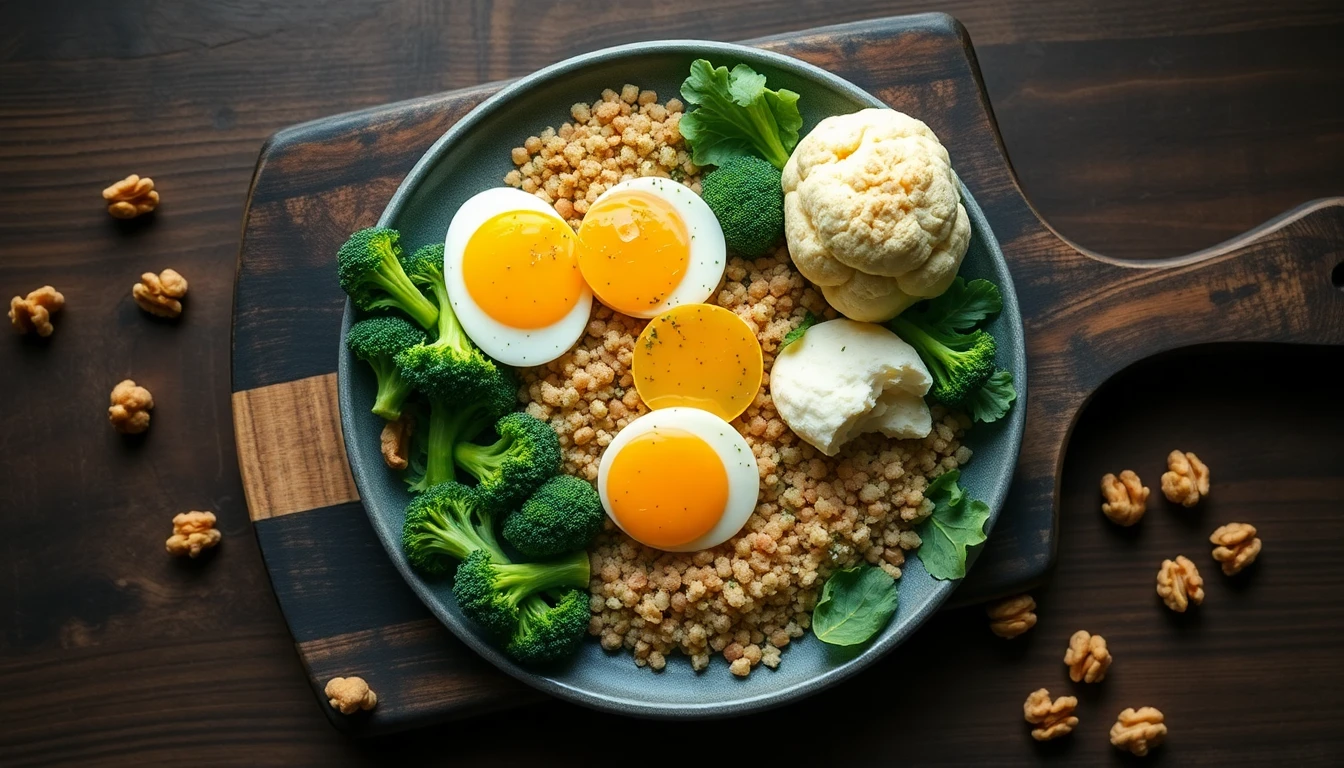
Two large UK eggs (120g total) contain 13g protein. One large egg delivers 6.5g protein, 5g fat, and 70 calories.
- Boiled or poached — 6.5g protein per egg — no added fat
- Scrambled with milk — 7-8g protein per egg — milk adds extra protein
- Omelette (2-egg) — 13-15g protein — add cheese for 18-20g total
Dairy Products
Greek yoghurt and cottage cheese concentrate protein during straining. Milk and cheese provide reliable amounts across all varieties.
- Greek yoghurt (0% fat) — 10g protein per 100g — double that of standard yoghurt
- Cottage cheese — 11g protein per 100g — mild taste, versatile
- Cheddar cheese — 25g protein per 100g — high fat and calories
- Mozzarella — 18g protein per 100g — lower fat than cheddar
- Semi-skimmed milk — 3.6g protein per 100ml — 10.8g per 300ml glass
- Skyr (Icelandic yoghurt) — 10-11g protein per 100g — similar to Greek yoghurt
Legumes: Plant-Based Protein Foundations
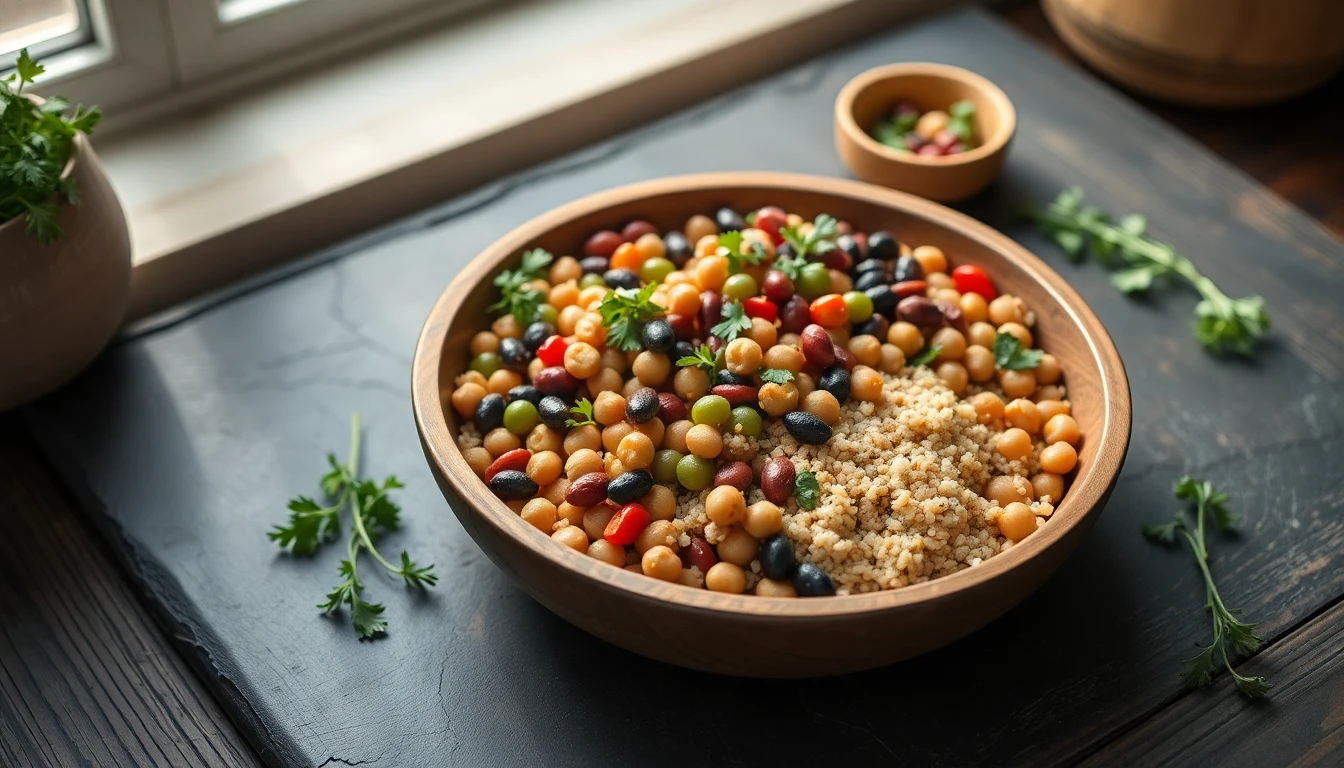
A standard 400g tin of chickpeas or kidney beans (240g drained weight) provides 21g protein. Pair legumes with grains to create complete protein profiles—the amino acids pulses lack, grains supply.
- Red lentils (cooked) — 9g protein per 100g — quick-cooking, 20 minutes
- Green or brown lentils (cooked) — 9g protein per 100g — hold shape in salads
- Chickpeas (cooked) — 8.9g protein per 100g — versatile for hummus or roasting
- Black beans (cooked) — 8.9g protein per 100g — creamy texture
- Kidney beans (cooked) — 8.4g protein per 100g — popular in chilli
- Butter beans (cooked) — 7.1g protein per 100g — mild flavour
- Garden peas (frozen, boiled) — 6g protein per 100g — convenient side dish
- Edamame beans (cooked) — 13g protein per 100g — young soya beans, complete protein
Grains and Seeds: Protein-Boosting Staples
Seeds work as toppings for porridge, salads or yoghurt. A 30g handful of mixed seeds adds 5-6g protein to breakfast or lunch.
- Quinoa (cooked) — 4.4g protein per 100g — all nine essential amino acids
- Oats (dry weight) — 11.2g protein per 100g — 40g serving provides 4.5g
- Wholemeal bread — 9.2g protein per 100g — 2 slices (80g) deliver 7.4g
- Brown rice (cooked) — 2.6g protein per 100g — modest but adds up
- Wholewheat pasta (cooked) — 4.5g protein per 100g — doubles white pasta's protein
- Pumpkin seeds — 19g protein per 100g — 30g portion provides 5.7g
- Chia seeds — 16.5g protein per 100g — 2 tablespoons (30g) give 5g
- Hemp seeds — 31.6g protein per 100g — complete protein, nutty flavour
High Protein Vegetarian Meal Ideas for the UK
A 60kg person needing 45g daily protein could have Greek yoghurt with seeds for breakfast (20g), a chickpea salad for lunch (15g), and lentil dhal for dinner (14g), reaching 49g total. FreshPlate's free food–medication interaction checker flags any concerns with specific protein sources based on your prescriptions.
Protein Breakfast Foods
- Greek yoghurt bowl — 170g Greek yoghurt (17g) + 30g granola (3g) + 1 tablespoon chia seeds (2.5g) = 22.5g protein
- Two-egg omelette — 2 eggs (13g) + 30g cheddar (7.5g) + 2 slices wholemeal toast (7.4g) = 27.9g protein
- Porridge with protein — 50g oats (5.6g) + 200ml semi-skimmed milk (7.2g) + 20g pumpkin seeds (3.8g) = 16.6g protein
- Scrambled eggs on toast — 2 eggs scrambled with milk (15g) + 2 slices wholemeal bread (7.4g) = 22.4g protein
Lunch and Dinner Protein Meals
- Lentil dhal with rice — 150g cooked red lentils (13.5g) + 150g brown rice (3.9g) + 100ml coconut milk (0.5g) = 17.9g protein
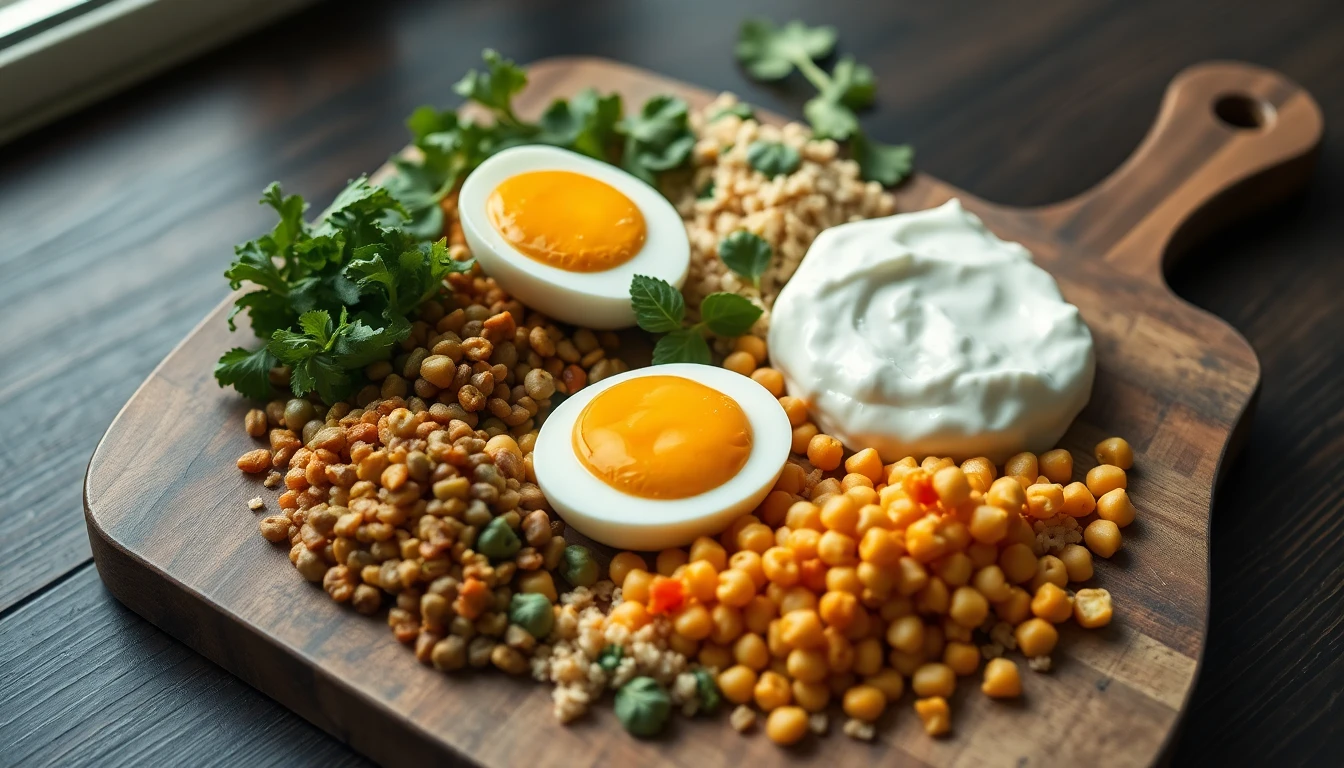
- Chickpea and quinoa salad — 150g chickpeas (13.4g) + 100g quinoa (4.4g) + 100g feta cheese (15.6g) = 33.4g protein
- Three-bean chilli — 240g mixed beans (20g) + 150g brown rice (3.9g) + 30g cheddar (7.5g) = 31.4g protein
- Egg fried rice — 2 eggs (13g) + 200g cooked rice (5.2g) + 100g peas (6g) = 24.2g protein
- Cottage cheese jacket potato — 1 medium baked potato (4.3g) + 150g cottage cheese (16.5g) + 50g sweetcorn (2g) = 22.8g protein
Nutrient Considerations Beyond Protein
Vegetarians on methotrexate should prioritise folate from lentils (181µg per 100g cooked), chickpeas (172µg), or fortified breakfast cereals. Those taking tyramine-restricted medications (certain antidepressants) should limit aged cheeses like mature cheddar and blue cheese, though fresh cheeses like cottage cheese and mozzarella are typically fine. Chromium appears in whole grains, broccoli and green beans; vegetarians eating varied whole foods usually meet the 25µg daily adequate intake without supplements.
- Vitamin B12 — found only in animal products; vegetarians should eat eggs, dairy or fortified foods regularly to avoid deficiency symptoms
- Iron — plant sources (lentils, beans, spinach) provide non-haem iron; pair with vitamin C foods to improve absorption
- Iodine — dairy and eggs supply iodine; vegetarians avoiding both need seaweed or iodised salt to meet requirements
- Choline — eggs are the richest source at 147mg per large egg; other choline-rich foods include dairy and soya
- Zinc — whole grains, legumes and dairy provide zinc, but phytates in plants reduce absorption
How FreshPlate Manages Vegetarian Protein Planning
FreshPlate's recipe builder filters for vegetarian protein sources that work with your medication list and dietary needs. The app calculates protein per meal, flags ingredients that interact with prescriptions like warfarin or MAOIs, and suggests swaps when a protein source conflicts with a drug.
The system tracks nutrients beyond protein—B12, iron, iodine—and prompts when your planned meals fall short. This removes manual cross-checking between nutrition tables and medication leaflets.
Frequently asked questions
What are the best high protein vegetarian meal ideas for UK cooking?
+
Chickpea and quinoa salad (33.4g protein), three-bean chilli with rice and cheese (31.4g), and two-egg omelette with cheese and toast (27.9g) use UK supermarket staples and deliver 25-35g protein per serving.
Which vegetarian foods are richest in iodine?
+
Eggs and dairy are the main vegetarian iodine sources. One large egg provides 24µg iodine, and 200ml semi-skimmed milk supplies around 60µg. Vegetarians who limit both may need iodised salt or seaweed to meet the 140µg daily requirement.
What are good protein breakfast foods for vegetarians?
+
Greek yoghurt with seeds and granola provides 22.5g protein, two scrambled eggs on wholemeal toast deliver 22.4g, and a two-egg cheese omelette with toast reaches 27.9g. Porridge made with milk and topped with seeds supplies 16.6g protein.
How much protein do vegetarians need daily?
+
Most adults require 0.75g protein per kilogram of body weight daily—45g for someone weighing 60kg or 56g for 75kg. Active individuals or those building muscle may need 1.2-2g per kilogram depending on training intensity.
Do vegetarians get complete proteins without meat?
+
Yes. Eggs, dairy products, quinoa, soya beans and edamame provide all nine essential amino acids in one food. Combining legumes with grains—such as lentils with rice or beans with wholemeal bread—also creates complete protein profiles.
Sources
Did this answer your question?
Reece reads every reply. Questions we have not covered become new guides.
Make protein one less thing to worry about.
Get our free protein guide by email — the best food sources, what helps and hinders absorption, and a week of meal ideas. One genuinely useful email a week — no spam, unsubscribe anytime.
Free forever. You'll also be first in line for the FreshPlate app — with a free trial at launch.