Is Spearmint OK With Tyramine? MAOI Safety Guide
Is spearmint ok with tyramine? Fresh spearmint and most culinary herbs are low risk on an MAOI. Here is what to avoid, what to check and why storage matters.

By Reece Douglas · Founder, FreshPlate
Listen to this article
Is Spearmint OK With Tyramine? MAOI Safety Guide
Fresh spearmint is not a recognised tyramine source, and MAOI prescribing information does not list culinary herbs among the foods to avoid. A sprig in a salad or a cup of fresh mint tea is a very different proposition from a slice of Stilton.
The herbs are rarely the problem. What they are mixed with, how they are stored and whether they come as a concentrated product are what matter, and they are covered below. Your prescriber has the final say.
When someone on an MAOI asks about spearmint, they're usually asking something bigger: what is actually safe to put on my plate? I wrote this guide because a fresh herb is a small question with a clear answer, and I'd rather you spend your worry where it counts. Fresh spearmint is a plant food, not an aged or fermented one, so normal culinary amounts are generally considered fine. What I want you to take from it is where the real risks sit: the form the herb comes in, and the foods around it and of course if you are ever unsure head over to the free interaction checker.
Is spearmint ok with tyramine on an MAOI?
Yes, fresh spearmint in normal culinary amounts is generally considered fine on an MAOI. It is a fresh leafy herb, and fresh fruit and vegetables are low in tyramine. Tyramine concentrates in foods that have been aged, fermented, pickled, smoked or left to spoil, and a freshly picked herb leaf is none of those.
The phenelzine label spells out what to avoid: high-protein foods that have undergone protein breakdown by aging, fermentation, pickling, smoking or bacterial contamination, plus items such as aged cheese, pickled herring, beer, wine, liver and yeast extract. Spearmint is not on that list. The label also flags broad bean pods, yogurt, and excessive caffeine and chocolate, none of which a mint leaf resembles.
This is general guidance, not a personal clearance. Different MAOIs carry different rules, and your prescriber knows your dose and history. If you are new to an MAOI, ask before introducing anything concentrated.
- Fresh spearmint leaves — fine — fresh plant material, not aged or fermented
- Fresh mint tea made from leaves — fine in normal cups — a simple infusion of a fresh herb
- Mint sauce made at home with fresh mint — fine if the other ingredients are low tyramine — check the vinegar and any added sauces
- Shop-bought mint sauce or jelly — take care — read the label for yeast extract, soy sauce or fermented ingredients
Which other common herbs are safe on an MAOI?
Fresh culinary herbs such as basil, parsley, coriander, mint, thyme and rosemary are generally treated as fine on an MAOI because they are fresh plant foods used in small amounts. As with spearmint, nothing about a fresh leaf involves ageing or fermentation.
Watch the form the herb comes in, not the herb. A fresh bunch is simple. A paste, a pickled preparation or a ready-made seasoning blend can bring in ingredients that are not.
- Fresh basil, parsley, coriander, thyme, rosemary — fine — fresh herbs, low tyramine in culinary amounts
- Dried herbs in normal cooking amounts — fine — plain dried leaf, no fermentation; check blends for added extracts
- Herb pastes in jars or tubes — take care — check for yeast extract, fermented ingredients and storage claims
- Seasoning mixes and stock cubes — avoid where they contain yeast or meat extract — Oxo and Bovril-style extracts are on the label's avoid list
- Pesto with parmesan — avoid — hard aged cheese is high in tyramine, including as a topping
- Herbs in soy sauce or Worcestershire marinades — avoid — fermented sauces carry significant tyramine
Dried versus fresh herbs
Dried herbs are not a tyramine concern in the way dried fruit can be. Fruit that dries or over-ripens with age can rise sharply in tyramine, which is why overripe fruit is on the avoid list. Keep dried herbs in date and tightly closed, and discard anything that smells off or looks mouldy.
Garlic, chilli and spices
Fresh garlic, fresh chilli and plain ground spices are not tyramine sources. The risk is in what surrounds them: a curry paste with fermented shrimp or a jar of pickled chillies is a different product from a fresh chilli.
Where do tyramine problems actually come from?
The real tyramine risks in the kitchen are aged cheese, cured meats, fermented foods and anything protein-rich that has been stored too long. On an MAOI your body cannot break tyramine down properly, so these foods can cause a dangerous rise in blood pressure. Herbs are a rounding error by comparison.
Spend your attention here. The comparison below follows the label's own categories and the FreshPlate checker's verdicts.
- Mature cheddar, Stilton, Brie, Parmesan, Gorgonzola, Gouda — avoid — aged and ripened cheeses are among the highest-tyramine foods
- Cottage cheese, cream cheese, fresh mozzarella, ricotta — fine — fresh, unripened cheeses are low in tyramine when in date
- Salami, Parma ham — avoid — dry, fermented and air-cured meats accumulate tyramine
- Fresh chicken, fresh fish — fine — if fresh, properly stored and cooked promptly
- Smoked salmon, pickled herring — avoid — smoked, pickled and cured fish are classic high-tyramine foods
- Liver — avoid — spoils quickly, and pâté is aged
- Marmite, stock cubes, soy sauce, miso, Worcestershire sauce — avoid — concentrated yeast and meat extracts and fermented sauces
- Sauerkraut, kombucha — avoid — fermented vegetables and drinks carry high or unpredictable tyramine
- Draught beer, bottled beer, red wine — avoid — the phenelzine label lists beer and wine to avoid
- Spirits — avoid — the label says not to combine an MAOI with CNS depressants such as alcohol
- Yoghurt — avoid — listed on the phenelzine label; ask your prescriber before having any
Foods that need care rather than a flat no
Some foods sit in the middle. Their risk depends on freshness, portion size or preparation.
- Avocado — take care — fine when just ripe; very ripe avocado is higher in tyramine
- Raspberries — take care — normal portions are fine, very large amounts are not
- Chocolate — take care — contains phenylethylamine; a small square is generally fine
- Coffee and caffeine — take care — not a tyramine issue, but large amounts can add to blood-pressure effects
- Fresh tofu — take care — moderate; small portions eaten fresh are usually tolerated, so check with your prescriber
- Bacon and ham — take care — fresh and properly stored is generally lower risk; never eat past the date
- Tinned tuna — take care — fine eaten straight after opening; do not store opened tins
- Pizza — take care — depends on toppings; aged cheeses and cured meats make it high risk
Does mint tea or a herbal supplement change the answer?
Fresh mint tea made by steeping leaves is generally fine, but herbal supplements, extracts and unregulated blends are a different category and should be cleared with your prescriber or pharmacist first. A leaf in hot water is a food. A capsule or concentrated extract has unknown potency and sometimes unknown additives.
There is no widely cited tyramine figure for spearmint, as there is for cheese or soy sauce, so the advice rests on it being a fresh plant food rather than on a measured number. That is reasonable grounds for treating culinary use as low risk, but not a guarantee for concentrated products.
Spearmint and peppermint essential oils and strong herbal preparations are not the same as a few leaves in a drink. If a product is not a plain food, ask a pharmacist, because MAOIs interact with a wider range of medicines and supplements than most people expect. The wider picture is covered in our pharmacist guide to drug-food interactions.
- Fresh mint leaves steeped in hot water — fine — a plain infusion of a fresh herb
- Shop-bought mint teabags with only mint listed — generally fine — check the ingredients list is short and plain
- Herbal blends with many ingredients — take care — read every ingredient and ask a pharmacist if unsure
- Capsules, tinctures and essential oils taken internally — ask first — concentrated and unregulated products are not covered by food guidance
How do I keep herb dishes low in tyramine?
Buy herbs fresh, use them in date, and build the rest of the dish from fresh ingredients. Tyramine rises with storage, so the freshness of the whole meal matters more than the herb on top.
The label warns against spoiled or improperly refrigerated, handled or stored protein-rich foods such as meats, fish and dairy products. A tabbouleh or a mint-and-pea dish is low risk. A lamb dish with mint that sat out all evening is not, because of the lamb, not the mint. For batch cooking, our batch cooking and freezer meals guide covers freezing safely.
- Leftovers — take care — refrigerate within an hour, eat within 24 hours, or freeze immediately
- Fresh meat and fish — fine — cooked the same day and eaten promptly
- Opened tins — take care — eat immediately; do not store opened tins
- Homemade mint sauce — fine — use fresh mint and plain vinegar, and make it close to serving
- Takeaway marinades — avoid — often contain soy sauce or other fermented sauces you cannot see
A simple mint-based plate
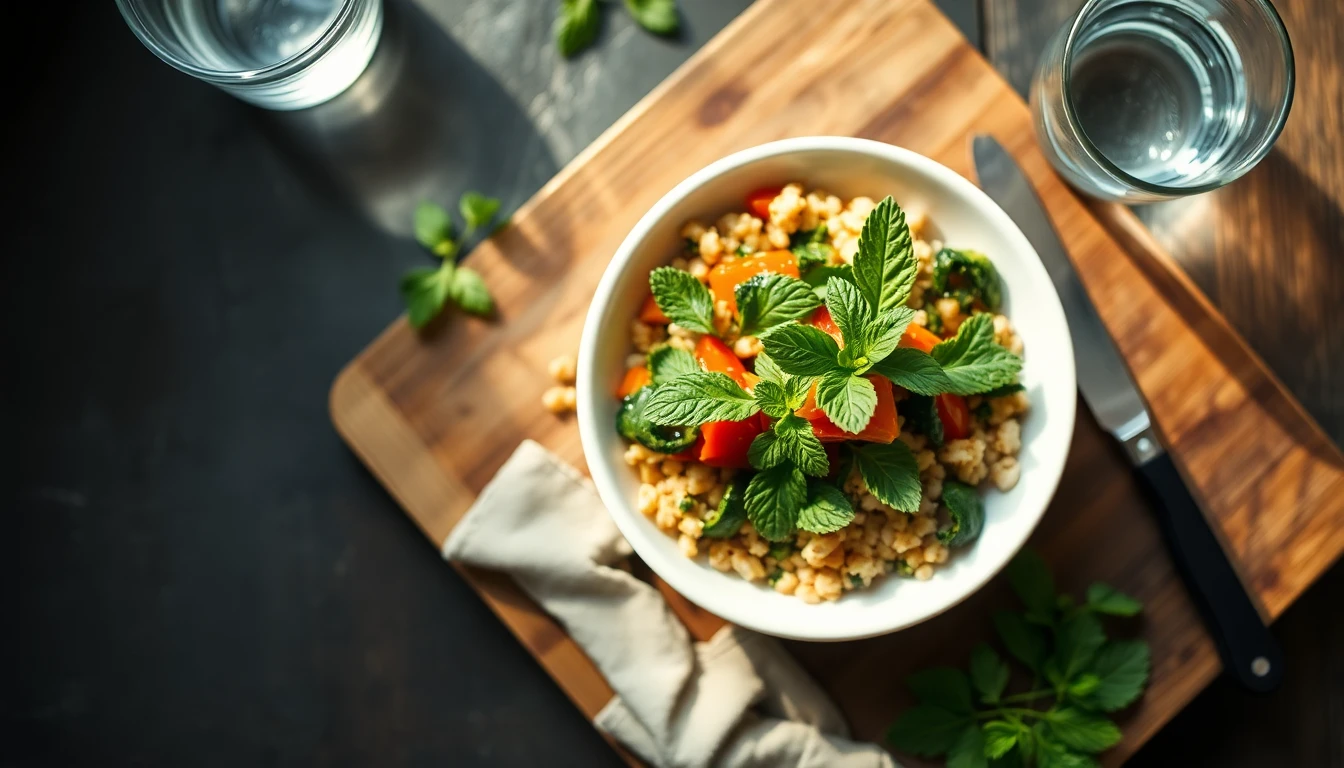
Freshly grilled chicken, a salad of cucumber, tomato and spearmint, a squeeze of lemon and plain bread is low in tyramine from end to end. Swap the chicken for leftover meat from three days ago, or add feta stored for weeks, and the herb is the only part you can stop worrying about.
How does FreshPlate handle MAOIs?
FreshPlate builds recipes around your own medication list, so if you add an MAOI, tyramine-rich foods are a hard block: they are not put into the recipes made for you. Your recipes also have a For you tab that lists your medicines, so you can see what the app has taken into account.
FreshPlate also has a free food-medication interaction checker on the website: type in a medication or its brand name and you can see the foods to watch in seconds. It is a starting point, not a substitute for your prescriber or pharmacist, and any change to your diet on an MAOI is worth mentioning to them.
Frequently asked questions
Is spearmint tea safe on an MAOI?
+
Tea made by steeping fresh spearmint leaves is generally considered fine, since it is a plain infusion of a fresh herb. Check shop-bought blends for added ingredients, and ask your pharmacist before using concentrated extracts or supplements.
Do herbs contain tyramine?
+
Fresh culinary herbs are not recognised as significant tyramine sources and are not on the phenelzine label's avoid list. The risk comes from products made with herbs, such as pesto with parmesan or seasoning blends with yeast extract.
What foods are highest in tyramine?
+
Aged cheeses, dry fermented sausages such as salami, cured meats, smoked and pickled fish, yeast extracts such as Marmite, soy sauce, miso, sauerkraut and tap beer are among the highest. The phenelzine label lists aged cheese, pickled herring, beer, wine, liver and yeast extract.
Can I eat leftovers on an MAOI?
+
Only if handled quickly, because tyramine builds with storage. Refrigerate within an hour, eat within 24 hours, or freeze immediately.
Is mint sauce OK with an MAOI?
+
Homemade mint sauce from fresh mint and plain vinegar is generally fine. Shop-bought versions may contain fermented ingredients or extracts, so read the label.
Sources
Did this answer your question?
Reece reads every reply. Questions we have not covered become new guides.
Make MAOIs one less thing to worry about.
Get our free MAOIs guide by email — the best food sources, what helps and hinders absorption, and a week of meal ideas. One genuinely useful email a week — no spam, unsubscribe anytime.
Free forever. You'll also be first in line for the FreshPlate app — with a free trial at launch.