Valsartan and Bananas: Is Potassium a Problem?
Can you eat bananas on valsartan? Usually yes, in normal amounts. Here is how valsartan raises potassium, who needs blood tests, and which salt substitutes to avoid.

By Reece Douglas · Founder, FreshPlate
Listen to this article
Valsartan and Bananas: Is Potassium a Problem?
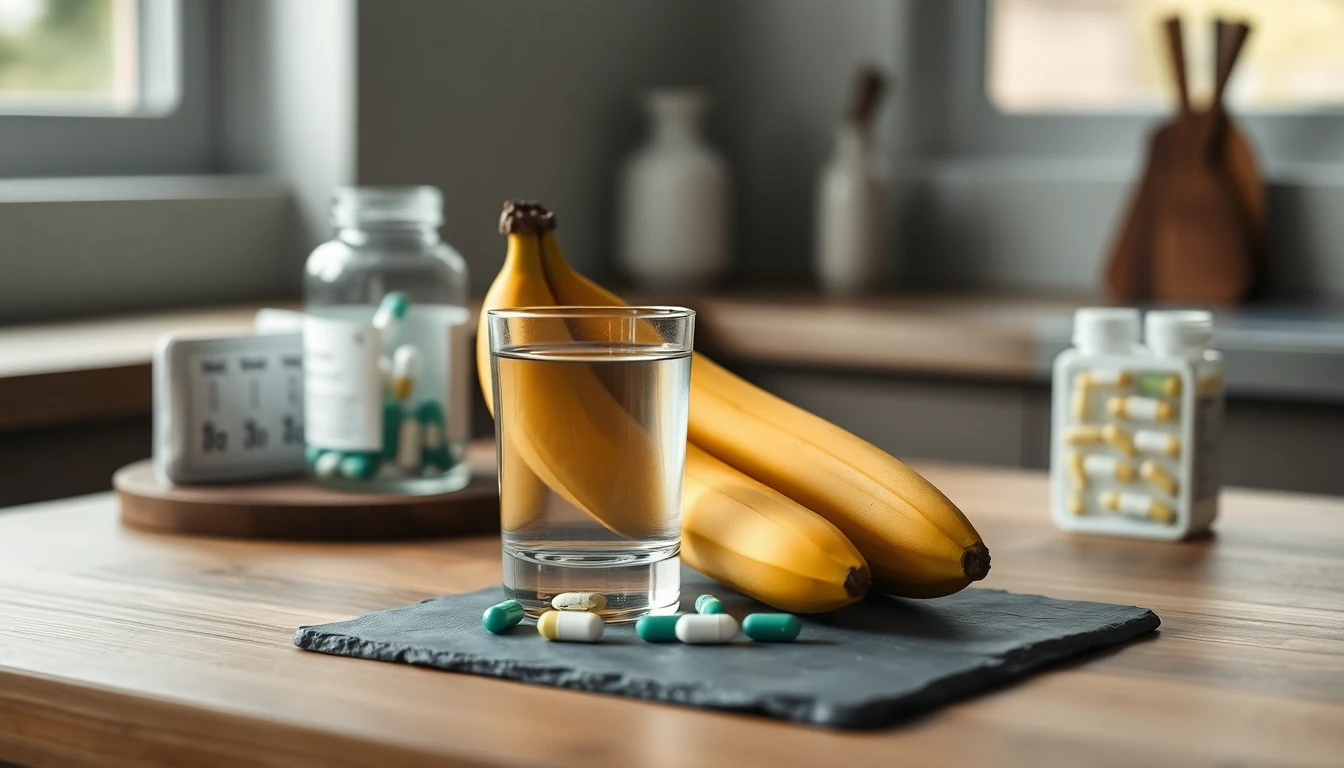
Yes, you can eat bananas on valsartan, and for most people one a day is fine. A medium banana has roughly 400 mg of potassium, a modest part of a normal day's intake.
The bigger potassium risks are reduced kidney function, salt substitutes made with potassium chloride, and certain other tablets. Below: how valsartan raises potassium, who needs blood tests, and what to watch.
I built FreshPlate because guessing about food and medicines is what people already do too much of. In the app I'm building, you add valsartan by its brand or generic name from the NHS medicines list, and every recipe is written around your own medication list. Each recipe has a For you tab listing your medicines, so you can see what has been taken into account rather than trusting a black box. You can also use the free interaction checker on the website to look up valsartan and any food you're unsure about, in seconds. I hope this helps!
Can you eat bananas while taking valsartan?
Yes, and for most people with healthy kidneys, one a day does not cause a problem. The NHS leaflet for valsartan does not list bananas or any other everyday food to avoid, and you can take the tablet at any time of day, with or without food.
The caution is about the drug, not the fruit. Valsartan can raise potassium levels in the blood, so a person already prone to high potassium has less room for error. Whether that is you depends on your kidneys, your other medicines and what else is on your plate, not on a single banana.
A medium banana provides roughly 400 mg of potassium. Adults are generally advised to aim for around 3,500 mg a day from food, so one banana is a small slice. Healthy kidneys excrete excess potassium from ordinary food.
- One medium banana a day — fine for most people — roughly 400 mg potassium, a normal part of a balanced diet
- Several bananas a day, every day — mention it at your next review — it adds up, especially alongside other high-potassium foods and a kidney condition
- Banana-based supplements or potassium powders — ask first — concentrated potassium is a different matter from fruit
- Bananas with kidney disease — ask your GP, renal team or dietitian — your potassium allowance may be set individually
How does valsartan raise potassium?
Valsartan blocks angiotensin II receptors, which reduces the hormone aldosterone, and aldosterone tells your kidneys to get rid of potassium. With less aldosterone signalling, a little more potassium stays in the blood.
For most people the effect is small and causes no symptoms. It matters when something else pushes the same way: kidneys that clear potassium slowly, dehydration, or another medicine that also holds on to potassium. The valsartan prescribing information states that potassium-sparing diuretics such as spironolactone, triamterene and amiloride, potassium supplements, and salt substitutes containing potassium may lead to increases in serum potassium.
Valsartan is an angiotensin receptor blocker (ARB). ACE inhibitors work slightly earlier in the same pathway and affect potassium similarly, as we cover in our guide to ACE inhibitors and potassium foods. If you were switched from one to the other, the same cautions apply.
Who is more likely to have high potassium on valsartan?
Some people sit closer to the line than others.
- Chronic kidney disease — higher risk — kidneys clear potassium less efficiently
- Diabetes — higher risk — kidney changes and hormone effects can reduce potassium excretion
- Older age — higher risk — kidney function tends to decline, and dehydration is more likely
- Taking a potassium-sparing diuretic or potassium supplement — higher risk — these add to valsartan's effect
- Vomiting, diarrhoea or poor fluid intake — temporary higher risk — dehydration strains the kidneys
What high potassium feels like
High potassium often causes no symptoms, which is why blood tests matter more than guesswork. When it does, symptoms can include muscle weakness, tiredness, palpitations or an irregular heartbeat. Do not wait on palpitations or sudden weakness: contact your GP or call NHS 111 the same day, and call 999 if you feel faint, have chest pain or collapse.
Who needs blood tests on valsartan?
Everyone starting valsartan should expect a blood test for kidney function and potassium, usually before treatment and again within a few weeks of starting or after a dose increase. After that, frequency depends on your health and what else you take.
People with kidney disease, diabetes, heart failure or a history of high potassium are typically monitored more closely, often every few months. If your dose has not changed and your results have been steady, annual checks are common. If you are unsure when your next test is due, your GP surgery or pharmacist can tell you.
Tell the surgery if you have vomiting or diarrhoea, or cannot keep fluids down. Your prescriber may suggest pausing valsartan until you are drinking normally again, but do not stop it yourself without asking, as stopping suddenly can let blood pressure creep up.
- Starting valsartan or increasing the dose — test needed — potassium and kidney function are checked in the weeks that follow
- Kidney disease, diabetes or heart failure — test regularly — higher baseline risk, so checks are more frequent
- Adding a new medicine — ask whether a test is due — some drugs, including spironolactone and trimethoprim, can push potassium up
- Stable and well — routine annual check is common — your GP will set the interval
- Sudden illness with dehydration — contact your surgery — you may need a test and a temporary change
Which salt substitutes should you avoid with valsartan?
Avoid potassium-based salt substitutes unless your doctor says otherwise: they are the most common hidden source of extra potassium for people on valsartan. The NHS advises you to tell your doctor if you regularly eat salt alternatives containing potassium, such as LoSalt, while taking valsartan.
This catches people out because cutting salt is good advice for blood pressure, and low-sodium products look sensible. But many replace sodium chloride with potassium chloride, and a teaspoon of a potassium-based substitute can contain far more potassium than a banana.
Check the ingredients label for potassium chloride. Herbs, black pepper, lemon juice, garlic, chilli or spices add flavour with no potassium load and are a safer way to cut salt. For broader dietary blood pressure advice, our amlodipine diet guide covers practical swaps that apply to most blood pressure medicines.
- LoSalt and similar reduced-sodium salts — avoid unless your doctor agrees — made partly with potassium chloride
- Table salt (sodium chloride) — fine in small amounts — contains no potassium, but keep total salt low for blood pressure
- Herbs, spices, lemon, garlic, pepper — good choice — flavour without potassium or sodium
- Potassium supplements and some electrolyte powders — ask first — concentrated potassium on top of valsartan
- Low-sodium ready meals and stock cubes — check the label — some use potassium chloride in place of salt
What else should you watch while taking valsartan?
Alcohol is the other food-related point to watch, as it can add to valsartan's side effects of dizziness, light-headedness and dehydration. The NHS advises trying not to drink too much while taking valsartan, as dehydration also strains the kidneys and can nudge potassium up.
Water is the simplest drink to take with your tablet. The NHS says to take valsartan with water, with or without food, and to try to take it at the same time each day so it becomes routine.
Other high-potassium foods in context
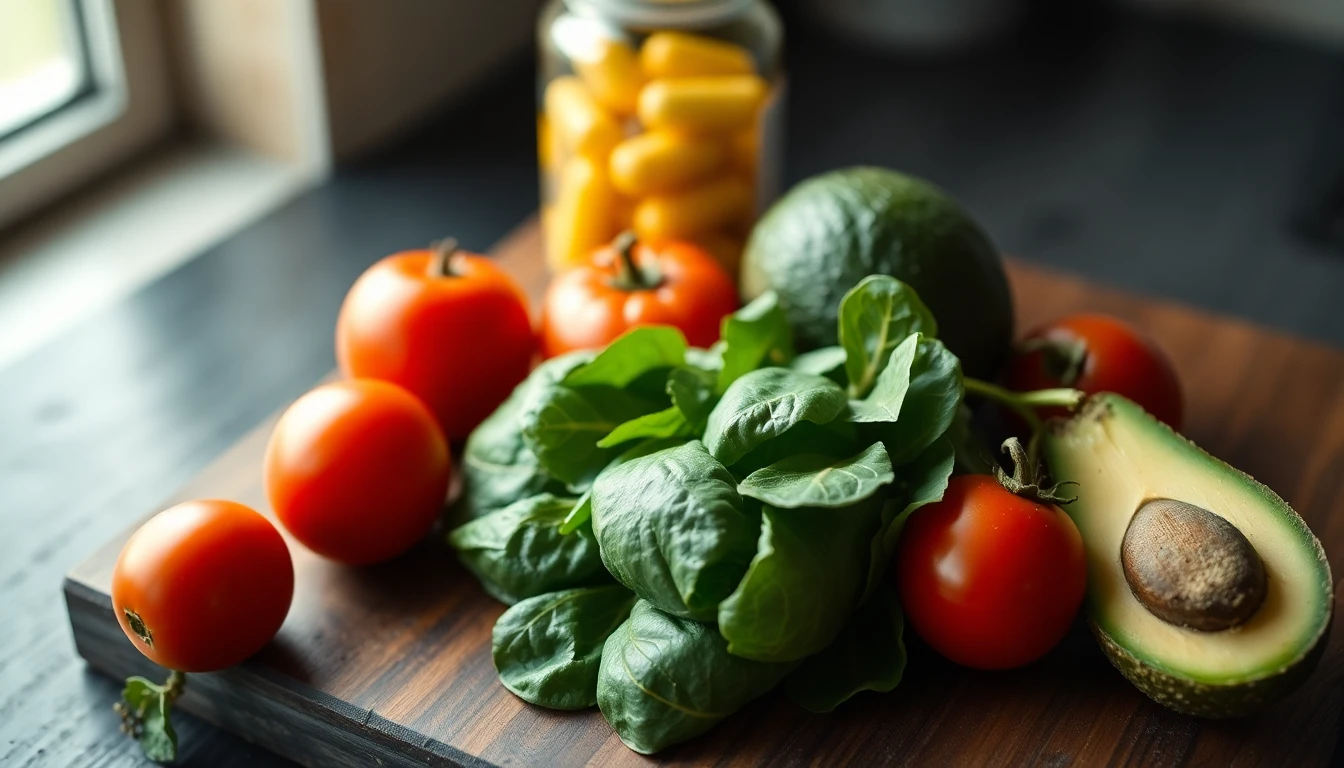
Bananas are one of many potassium sources. Potatoes, tomatoes, spinach, avocados, oranges, dried apricots, beans and yoghurt all contribute. A varied diet with these in normal portions is not a problem for most people on valsartan, and potassium-rich fruit and veg is part of why a healthy diet lowers blood pressure.
- Banana (medium) — fine in normal amounts — roughly 400 mg potassium
- Baked potato with skin — fine in normal amounts — one of the richer everyday sources
- Dried fruit (apricots, figs, prunes) — go steady — concentrated, so potassium stacks up quickly
- Coconut water and fruit smoothies — check portions — several servings can add up
- Fruit and veg generally — keep eating them — the benefit for blood pressure outweighs the risk for most people
When to be more careful
If you have chronic kidney disease, you may have been given a specific potassium limit. The general advice above then does not apply, and your renal team or dietitian should set the plan. Our stage 3 kidney disease diet guide explains how potassium is usually handled at that stage.
How FreshPlate handles valsartan and potassium for you
FreshPlate builds your recipes around the medicines you tell us about. You add valsartan by its brand or generic name from the NHS's own medicines list, and the app reads it by its active ingredient. On the For you tab of every recipe and meal, valsartan appears in your list of medicines. If there are words about food from its own NHS page or US FDA label on file, they open there, quoted word for word, with a link to the checker page. If not, the tab says there is no advice on file yet and points you to your pharmacist.
To check a specific food first, use the free food-medication interaction checker on our website: type valsartan or its brand name and see the foods to watch in seconds.
None of this replaces your GP or pharmacist. If you are unsure about your potassium level, when your next blood test is due, or whether a salt substitute is right for you, ask them. It takes a minute and gives you an answer based on your own results.
Frequently asked questions
Can you eat bananas with valsartan?
+
Yes, most people can eat bananas with valsartan, and one medium banana a day is normally fine. If you have kidney disease or take another medicine that raises potassium, ask your GP or pharmacist how much is right for you.
Can you eat bananas while taking valsartan every day?
+
Yes, for most people with healthy kidneys a daily banana is fine while taking valsartan. A medium banana has roughly 400 mg of potassium, a modest share of a normal day's intake. If you eat several a day or have kidney problems, mention it at your next blood test review.
Does valsartan cause high potassium?
+
Valsartan can raise potassium levels in the blood, usually only slightly. The risk is higher with kidney disease, diabetes, dehydration, potassium supplements, potassium-sparing diuretics or potassium-based salt substitutes.
Can I use LoSalt if I take valsartan?
+
Not without checking with your doctor first. LoSalt and similar products contain potassium chloride, and the NHS advises telling your doctor if you regularly use potassium-containing salt alternatives while taking valsartan.
Should I stop eating potassium-rich foods on valsartan?
+
No, not unless a doctor or dietitian has told you to. Fruit, vegetables, beans and yoghurt are part of a healthy diet for blood pressure, and most people on valsartan can eat them in normal portions.
Sources
Did this answer your question?
Reece reads every reply. Questions we have not covered become new guides.
Eating around valsartan shouldn’t be guesswork.
Get our free valsartan food guide by email — the foods to watch, safe swaps, and meal ideas that work with your medication. One genuinely useful email a week — no spam, unsubscribe anytime.
Free forever. You'll also be first in line for the FreshPlate app — with a free trial at launch.