Vitamin K2 Foods UK: Benefits for Bones & Heart Health
Discover vitamin K2 foods available in the UK, how they differ from K1, and their role in bone and cardiovascular health. Includes dosage guidance.

By Reece Douglas · Founder, FreshPlate
Listen to this article
Vitamin K2 Foods UK: Benefits for Bones & Heart Health
When most people think about vitamin K, they picture leafy greens and blood clotting. But there's another member of the vitamin K family that deserves far more attention: vitamin K2. This lesser-known nutrient plays a crucial role in bone strength and cardiovascular health, yet many people in the UK consume barely a fraction of the optimal amount.
Unlike its better-known cousin vitamin K1, which is abundant in green vegetables, vitamin K2 is found primarily in fermented foods and certain animal products. The distinction matters enormously, because these two forms of vitamin K perform very different jobs in your body. Understanding which foods contain K2 and how to incorporate them into a British diet can make a meaningful difference to your long-term health, particularly if you're concerned about osteoporosis or heart disease.
Understanding Vitamin K1 vs K2: Why the Difference Matters
Vitamin K exists in several forms, but the two most important for human health are K1 (phylloquinone) and K2 (menaquinone). Both are fat-soluble vitamins, meaning they're absorbed alongside dietary fats, but their roles in the body diverge significantly after absorption.
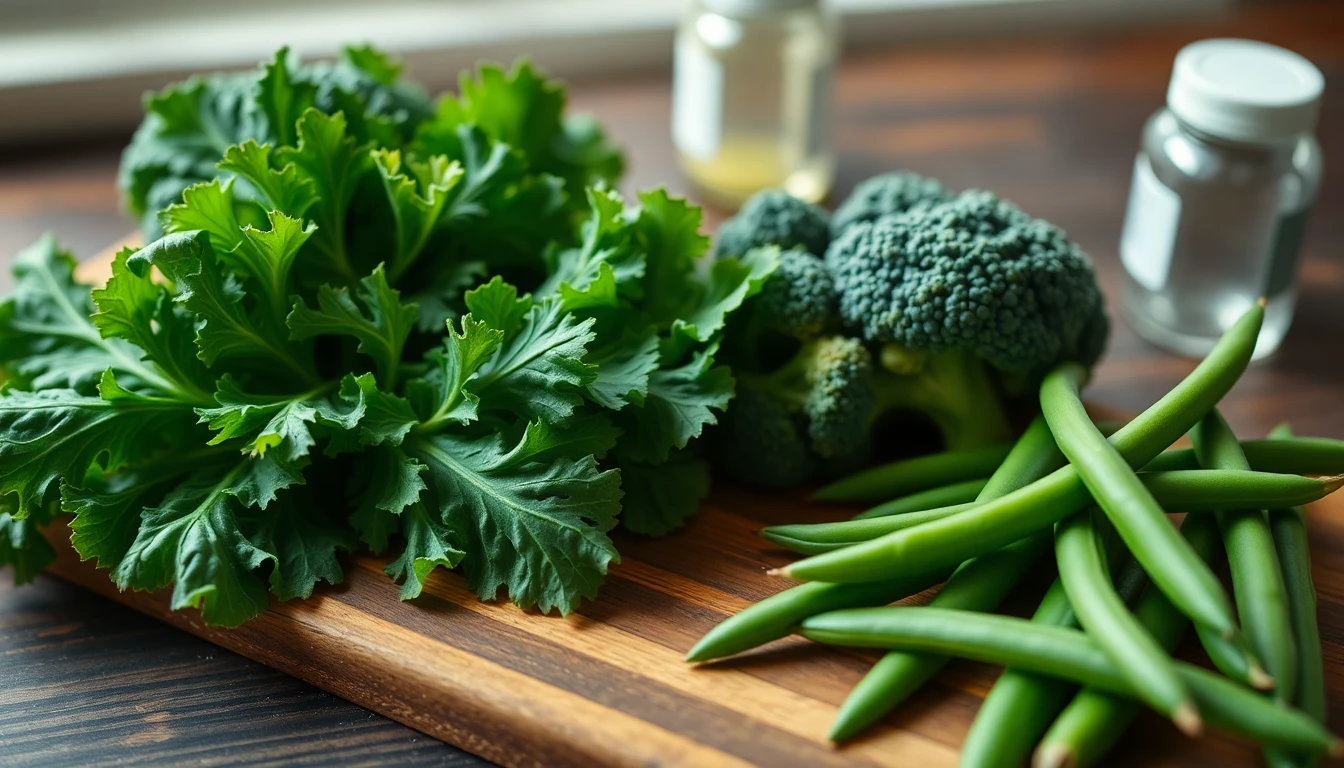
Vitamin K1 is predominantly involved in blood clotting. It's abundant in green leafy vegetables like spinach, kale, and broccoli, and the UK diet typically provides adequate amounts for clotting function. Your liver uses K1 to produce clotting factors that prevent excessive bleeding when you're injured.
Vitamin K2, by contrast, is the form that activates proteins responsible for calcium metabolism. It switches on osteocalcin, which binds calcium to bone matrix, and matrix Gla-protein (MGP), which prevents calcium from depositing in arterial walls. This dual action—building bones whilst protecting arteries—makes K2 uniquely valuable for long-term health. The challenge is that K2 is far less abundant in typical Western diets, and our bodies convert only a small percentage of dietary K1 into K2.
The Subtypes of K2: MK-4 and MK-7
Vitamin K2 itself comes in several subtypes, designated by the length of their molecular side chains. The two most significant for human nutrition are MK-4 and MK-7.
MK-4 has a relatively short half-life in the body (around 1-2 hours) and is found primarily in animal products like egg yolks, butter, and chicken. Your body can also convert some K1 to MK-4, though this conversion is inefficient. MK-7 has a much longer half-life (around 72 hours), allowing it to accumulate to higher concentrations in the blood. It's produced by bacterial fermentation and is found in foods like natto, aged cheeses, and sauerkraut. Research suggests MK-7 may be more effective at reaching extrahepatic tissues, including bone and arterial walls.
Top Vitamin K2 Foods Available in the UK
Finding good sources of vitamin K2 in the UK requires knowing where to look. Whilst natto—a traditional Japanese fermented soybean dish—contains the highest concentrations of MK-7, it's admittedly an acquired taste and not widely available in British supermarkets. Fortunately, there are plenty of more accessible options.
Fermented Foods Rich in K2
Fermentation by specific bacteria generates vitamin K2, making fermented foods your best bet for MK-7.
- Natto — The undisputed champion, providing around 1,000 micrograms of MK-7 per 100g serving. Available from Asian grocery stores and some health food shops in the UK, or online. The sticky texture and strong flavour put many people off, but even a small serving delivers exceptional K2 levels
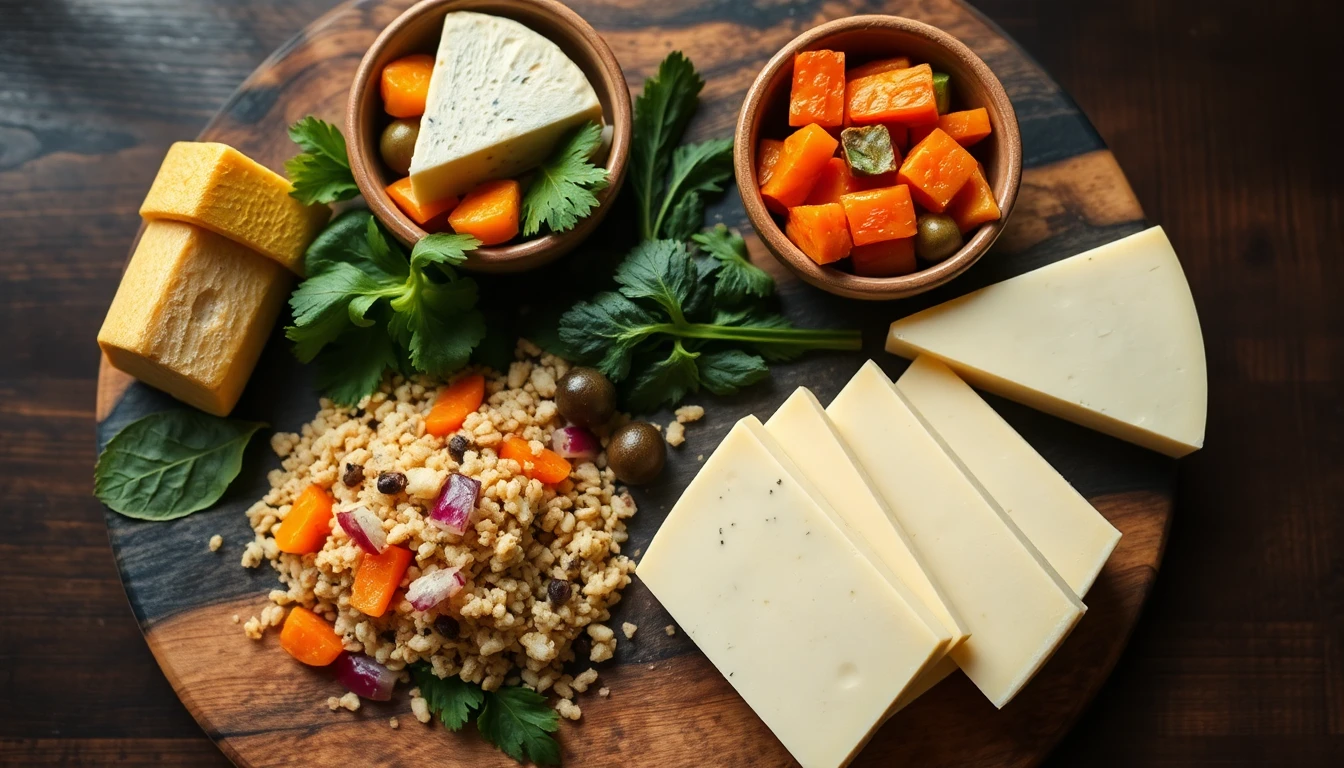
- Hard and aged cheeses — Gouda, Edam, Brie, and aged Cheddar contain meaningful amounts of K2, typically 50-75 micrograms per 100g. The longer the ageing process, the higher the K2 content. British farmhouse cheddars and continental imports are widely available
- Sauerkraut — Traditionally fermented (not pasteurised) sauerkraut provides modest amounts of K2. Look for raw versions in the chilled section rather than shelf-stable jars, which have been heat-treated and contain fewer beneficial bacteria
- Kefir — This fermented milk drink contains some K2, though levels vary depending on the bacterial strains used. Widely available in UK supermarkets
- Blue cheeses — Stilton and Roquefort-style cheeses contain K2 thanks to the Penicillium roqueforti cultures used in production
Animal Products with K2
Animal products contain primarily MK-4, with concentrations highest in animals raised on pasture rather than grain-fed systems.
- Egg yolks — Particularly from pasture-raised hens, providing around 15-30 micrograms of MK-4 per yolk. The vitamin K2 content correlates with the hen's own K2 intake
- Butter and ghee — Grass-fed butter contains approximately 15 micrograms per 100g. Look for British butter from grass-fed herds, more common in summer months
- Chicken liver — Organ meats are concentrated sources of many nutrients, including around 10 micrograms of K2 per 100g
- Chicken (dark meat) — Thighs and drumsticks contain modest amounts of MK-4, roughly 8-10 micrograms per 100g
- Beef liver — Contains small amounts of K2 alongside numerous other nutrients
How Vitamin K2 Supports Bone and Heart Health
The mechanisms by which vitamin K2 protects both skeletal and cardiovascular systems are well-established in nutritional science. Understanding these processes helps explain why adequate K2 intake matters throughout life, not just in older age.
For bone health, vitamin K2 activates osteocalcin, a protein produced by bone-building cells called osteoblasts. Inactive osteocalcin cannot bind calcium effectively, but once activated by K2, it incorporates calcium into the bone matrix, increasing bone mineral density and strength. Studies have shown that people with higher K2 intakes tend to have better bone density and reduced fracture risk, particularly vertebral and hip fractures that become more common with age.
The cardiovascular benefits stem from K2's activation of matrix Gla-protein (MGP), which inhibits calcium deposition in arterial walls. Without adequate K2, calcium can accumulate in arteries—a process called vascular calcification that stiffens vessels and increases cardiovascular risk. Research from the Rotterdam Study found that higher K2 intake was associated with reduced arterial calcification and lower cardiovascular mortality over a 10-year follow-up period. Those consuming at least 32 micrograms of K2 daily had significantly better outcomes than those with lower intakes.
Interactions with Medications
If you take anticoagulant medications, particularly warfarin, vitamin K intake requires careful management because vitamin K counteracts warfarin's blood-thinning effects. Warfarin works by blocking vitamin K's role in clotting factor production, so sudden increases in K intake can reduce the drug's effectiveness.
Interestingly, some evidence suggests vitamin K2 has less impact on clotting compared to K1, though this remains an area of ongoing research. If you're on warfarin, consistency is key—maintaining steady vitamin K intake rather than wild fluctuations. Never make significant dietary changes without consulting your GP or anticoagulation clinic. For those on newer anticoagulants like apixaban or rivaroxaban, vitamin K intake is less restrictive as these drugs work through different mechanisms.
Vitamin K2 Dosage and Requirements
The UK currently doesn't have a specific recommended daily amount for vitamin K2 separately from total vitamin K. The NHS recommends approximately 1 microgram of total vitamin K per kilogram of body weight daily—roughly 65-75 micrograms for most adults. However, this guidance was established primarily with K1's clotting function in mind, not K2's role in calcium metabolism.
Emerging research suggests optimal K2 intake for bone and cardiovascular health may be considerably higher. Many studies showing benefits use doses between 90-200 micrograms of MK-7 daily. The European Food Safety Authority considers intakes up to 360 micrograms of K2 daily to be safe for adults.
Most people in the UK consume only 10-25 micrograms of K2 daily from food, well below these suggested optimal levels. This shortfall occurs because the modern British diet contains relatively few fermented foods compared to traditional diets in regions where K2 intake is higher, such as Japan or parts of continental Europe.
Practical Ways to Increase K2 Intake
Building more K2 into your diet doesn't require drastic changes. Even modest increases can move you closer to optimal levels, and focusing on whole food sources ensures you benefit from other nutrients these foods provide. Working nutrient-dense foods into your meal planning can have broader health benefits beyond just vitamin K2, particularly if you're managing other chronic conditions through dietary modifications.
- Include hard cheese regularly — A 50g portion of aged Gouda or Cheddar several times weekly provides 25-40 micrograms of K2 alongside calcium and protein
- Choose pasture-raised eggs — The premium cost for free-range or organic eggs often correlates with higher nutrient density, including K2
- Try fermented vegetables — Adding a tablespoon of sauerkraut or kimchi to meals introduces beneficial bacteria and some K2
- Opt for grass-fed dairy — When buying butter or full-fat dairy, grass-fed options contain more K2 than grain-fed equivalents
- Consider natto if adventurous — Starting with small amounts mixed into rice or other dishes can help acclimate your palate to this potent K2 source
- Choose dark meat poultry — Chicken thighs contain more K2 than breast meat, alongside other nutrients
Absorption Considerations
As a fat-soluble vitamin, K2 absorption improves when consumed with dietary fat. This means having cheese with olive oil, eggs cooked in butter, or natto with a fatty fish provides better absorption than eating these foods in isolation. If you follow a very low-fat diet, you may absorb less K2 from your food, though even small amounts of fat (10-15g per meal) significantly improve uptake.
Certain health conditions affecting fat absorption—such as Crohn's disease, coeliac disease, or chronic pancreatitis—can impair K2 status. If you have one of these conditions, working with a dietitian to optimize K2 intake becomes particularly important.
Should You Consider K2 Supplements?
Given the gap between typical UK intakes and potentially optimal levels, some people wonder about vitamin K2 supplements. MK-7 supplements derived from natto extract are widely available, typically providing 90-200 micrograms per capsule.
Supplementation may be worth considering if you struggle to include K2-rich foods regularly, follow a vegan diet (which excludes most natural K2 sources), have a condition affecting fat absorption, or have significant risk factors for osteoporosis or cardiovascular disease. Research on supplemental K2 has shown benefits for bone density and arterial health, particularly with consistent long-term use.
However, food sources offer advantages over supplements. They provide K2 alongside other beneficial nutrients, fit naturally into eating patterns, and don't carry the same risk of excessive intake. Most experts recommend prioritizing food sources and considering supplements only when dietary intake proves difficult to achieve. If you do supplement, MK-7 is generally preferred over MK-4 due to its longer half-life and better tissue distribution.
Anyone taking anticoagulants should consult their healthcare team before starting K2 supplements, as these could interfere with medication effectiveness and INR control.
How FreshPlate Fits Around Your Vitamin K2 Foods
Keeping an eye on what you eat day to day can feel like a lot, particularly when you're also managing other dietary requirements, health conditions or medicines. FreshPlate is there to help you see your day clearly, but it doesn't track vitamin K2 or point out which foods contain it, so the K2 foods in this guide are yours to choose.
If you take medicines, you add them by brand or generic name and every recipe the app generates is built around your own list. Warfarin is handled as "keep vitamin K steady", not "avoid greens". On each recipe's For you tab, your medicines are listed, and where the interaction checker has quoted the NHS or US FDA words about food for one of them, you'll see those words word for word, with a link to the checker page. If there's no advice on file yet, it says so and points you to your pharmacist. You can also try the free food–medication interaction checker on our website: type in a medication or its brand name and see the foods to watch.
When you've decided what to eat, you can log meals by photo, barcode or search, or read a pack's label on your phone. The Progress tab then shows how your day is going, with a minerals-and-vitamins panel against targets set for your body and a "How we worked this out" tap behind every number, so you can see where the guidance comes from.
Frequently asked questions
What is the best source of vitamin K2 in the UK?
+
Aged hard cheeses like Gouda, Edam, and mature Cheddar are the most accessible high-quality K2 sources in the UK, providing 50-75 micrograms per 100g. For those willing to try it, natto delivers exceptional amounts (around 1,000 micrograms per 100g) but has limited availability and a challenging flavour profile.
Can you get enough vitamin K2 from a vegan diet?
+
Getting adequate K2 on a vegan diet is challenging as most rich sources are animal products or dairy. Natto and traditionally fermented sauerkraut are vegan options, but many plant-based eaters may benefit from an MK-7 supplement derived from bacterial fermentation to ensure optimal intake.
Is vitamin K2 the same as vitamin K?
+
No, vitamin K2 is a specific form of vitamin K with different functions to vitamin K1. Whilst K1 (from green vegetables) primarily supports blood clotting, K2 (from fermented and animal foods) activates proteins that direct calcium into bones and prevent it from accumulating in arteries.
How much vitamin K2 should I take daily?
+
Whilst the UK lacks specific K2 guidelines, research suggests 90-200 micrograms daily may be optimal for bone and cardiovascular health. Most Britons consume only 10-25 micrograms from food, creating a potential gap that can be addressed through dietary changes or supplementation.
Does vitamin K2 interfere with blood thinners?
+
Vitamin K2 can potentially affect warfarin's effectiveness, though possibly less than K1. If you take anticoagulants, maintain consistent K2 intake rather than sudden changes, and consult your anticoagulation clinic before significantly altering your diet or starting supplements. Newer anticoagulants like apixaban are less affected by dietary vitamin K.
Sources
Did this answer your question?
Reece reads every reply. Questions we have not covered become new guides.
Make vitamin k2 one less thing to worry about.
Get our free vitamin k2 guide by email — the best food sources, what helps and hinders absorption, and a week of meal ideas. One genuinely useful email a week — no spam, unsubscribe anytime.
Free forever. You'll also be first in line for the FreshPlate app — with a free trial at launch.