ADHD Snacks for Kids: Easy Ideas That Get Eaten
Practical ADHD snacks for kids built on protein and fibre, with after-school, bedtime and lunchbox options for when appetite returns as medication wears off.

By Reece Douglas · Founder, FreshPlate
Listen to this article
ADHD Snacks for Kids: Easy Ideas That Get Eaten
The best snacks for a child with ADHD combine protein and fibre. The biggest one is often best offered after school, when medication wears off and appetite returns.
Many children on stimulant medication eat little at lunch, then ask for food at 5pm and again at bedtime. Below are snack ideas for each window, plus no-prep and lunchbox options. No food needs banning.
What makes a good snack for a child with ADHD?
A good snack for a child with ADHD contains protein and fibre, because both slow digestion and keep energy steady between meals. No food treats ADHD. The aim is to keep a child fed, with fewer sharp dips in energy and mood, at a time of day when eating may be hard.
Aim for roughly 5 to 10 g of protein and 2 to 4 g of fibre for a school-age child. That is about a pot of Greek yoghurt with a spoonful of oats, or an apple with a tablespoon of peanut butter. Younger children need smaller portions, and your child's appetite is a better guide than any number. For the wider picture on diet and attention, see our ADHD nutrition guide.
- Protein — keeps a child fuller for longer, so a snack lasts until the next meal rather than an hour
- Fibre — slows the release of sugars from the same snack, which helps avoid a quick spike and crash
- Fat in small amounts — nut butter, cheese or avocado add calories to small appetites without needing a large portion
- Familiar texture and taste — a snack a child will actually eat beats a better one that is refused
Why does appetite change with ADHD medication?
Stimulant medication commonly reduces appetite in children, and the NHS lists reduced appetite as a side effect of ADHD medicines such as methylphenidate. The effect is usually strongest while the medicine is active and fades as it wears off.
Breakfast and lunch may therefore be small, with hunger arriving in the late afternoon or evening. Planning for that pattern works better than fighting it. If your child is losing weight, or growth is slowing, tell the prescriber, because dose, timing and formulation can sometimes be adjusted. Height and weight are normally monitored at medication reviews.
Timing windows to plan around
The exact times depend on whether your child takes a short-acting or long-acting tablet, so treat these windows as a starting point and check with the prescriber if unsure.
- Before school (morning) — offer what they will accept — appetite is often best before the first dose takes effect, so a protein-rich breakfast is worth the effort
- Lunchbox (midday) — small, easy to eat, familiar — appetite is usually at its lowest, so aim for something eaten in three bites rather than a full meal
- After school (3 to 5pm) — the biggest snack — medication often wears off and hunger returns, so this is the best chance to get calories and protein in
- Evening meal (5 to 7pm) — a normal dinner, not rushed — hunger is usually back, so do not fill up on snacks too close to dinner
- Bedtime (about 30 to 60 minutes before sleep) — a light protein and carbohydrate snack — it can help a child who is hungry again, without a heavy meal that disturbs sleep
What are the best after-school ADHD snacks?
The best after-school snacks are the more substantial ones, because a child on medication is most likely to be hungry now. Think of it as a small meal rather than a biscuit, and set it out before the child asks.
Keep the choice small and visible. A plate of two or three options is easier for a tired child than an open question about what they fancy.
- Greek yoghurt with oats and berries — about 10 g protein per 100 g pot, with fibre from the oats and fruit
- Apple slices with peanut or almond butter — protein, fat and fibre in one; use a thin spread for younger children and check for nut allergies
- Houmous with wholemeal pitta and cucumber — chickpeas provide protein and fibre; cut pitta into strips for easy dipping
- Cheese on oatcakes — quick, familiar and filling; add a few grapes on the side
- Scrambled egg on wholemeal toast — a proper small meal, ready in five minutes, with good protein
- Mini bean quesadilla — a wholemeal wrap with beans and a little cheese, cut into triangles
- Smoothie made with milk, banana and oats — useful for a child who will not chew much; add a spoon of nut butter for extra protein
Quick bedtime snacks
If your child is hungry again at bedtime, keep it light and avoid sugary drinks. A small protein and carbohydrate snack is enough, and keeping it consistent makes it part of the routine.
- Warm milk or fortified plant milk with a plain biscuit — gentle, familiar and calming
- Banana with a thin spread of nut butter — easy to eat half asleep
- Small bowl of porridge or Greek yoghurt — slow-release and filling without being heavy
- Wholemeal toast with cheese or egg — a few bites is plenty
What are easy no-prep and lunchbox snack ideas?
The most reliable snacks need no cooking, because on a hard day the best snack is the one you can hand over in 30 seconds. Keep a few in the cupboard and fridge so you are never starting from scratch.
For lunchboxes, small and finger-sized works best when appetite is low. Pack more variety in smaller amounts, and expect some to come back. A half-eaten lunchbox is information, not failure. For a fuller morning plan, see best breakfast for ADHD kids.
No-prep ideas
These need no more than a knife or a spoon.
- Boiled egg — make a batch of six on Sunday; about 6 g protein each
- Cheese cubes or strings — portable and protein-rich
- Roasted chickpeas or edamame beans — fibre and protein; whole nuts are not advised for under-fives because of choking risk
- Fruit with a small pot of yoghurt — apple, pear, banana, berries
- Oatcakes and nut butter — shelf-stable and filling
- Cooked pasta or rice cold, with peas and sweetcorn — leftover dinner works as a snack
Lunchbox-friendly ideas
Pack lunchbox snacks so they can be eaten quickly, since a child with ADHD may rush lunch or be distracted at the table.
- Mini sandwiches or wraps cut into quarters — wholemeal bread with egg, hummus or cheese
- Veg sticks with a small pot of dip — cucumber, carrot, pepper
- Homemade oat and banana muffins — freeze a batch and pack straight from frozen; they defrost by lunchtime
- Pasta pot with chicken or beans — easy to eat with a fork or fingers
- Frozen berries in a small pot — thaw by lunch and keep other items cool
Batch ideas to save time
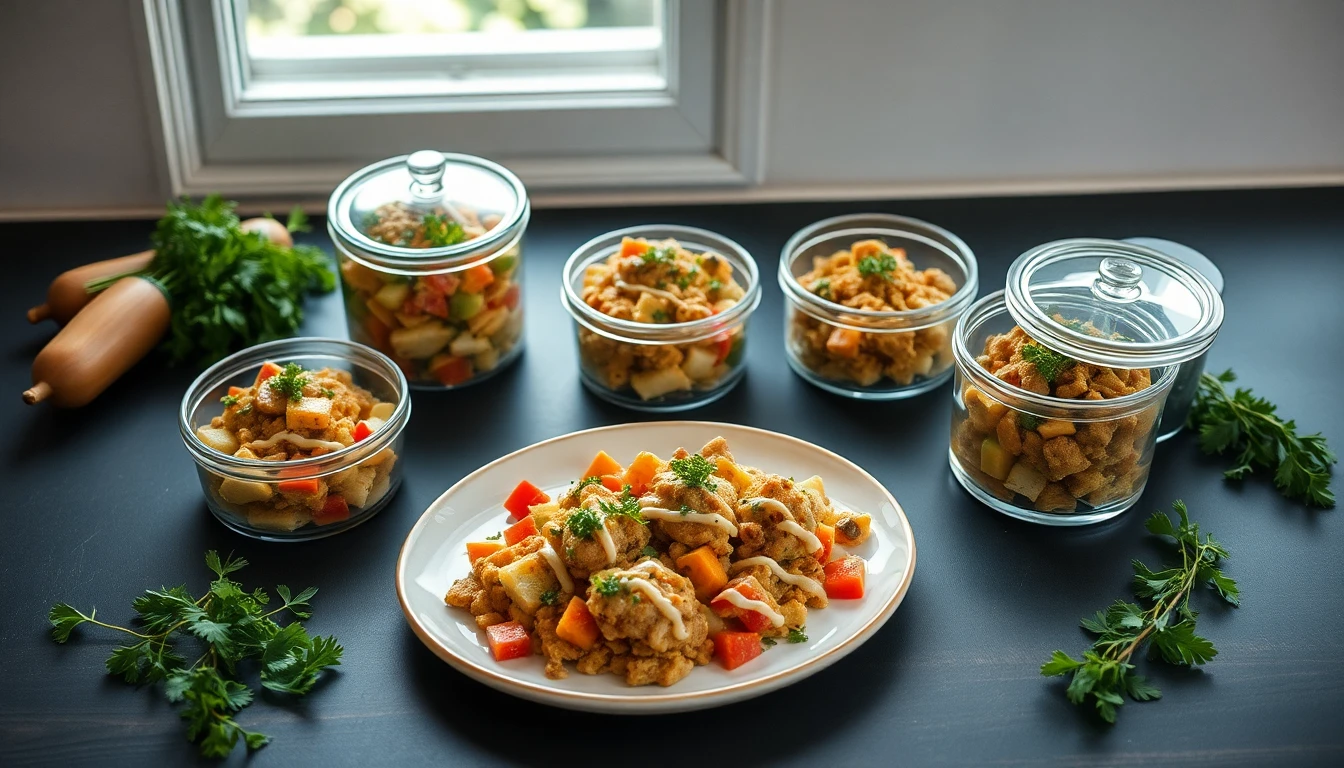
Cooking once and freezing makes weekday snacks much easier. Our guide to batch cooking and freezer meals covers portioning and storage.
Do I need to ban sugar, additives or other foods?
No, you do not need to ban foods for ADHD, and blanket bans are not recommended without a clear reason. Current UK guidance does not advise routine elimination diets for children with ADHD, and cutting out whole food groups can reduce calorie, protein and nutrient intake when appetite is already low.
If particular foods or drinks seem to affect your child, track them. A short food and behaviour diary over two to four weeks can show whether a pattern is real. If you suspect a specific trigger, discuss it with your GP or a registered dietitian before removing it. Strict rules also tend to turn mealtimes into conflict, which does not help a child who already finds eating hard.
- Sweets and biscuits — fine in small amounts — a child who is hungry and under-fed needs calories more than rules
- Fizzy and sugary drinks — limit — they fill small stomachs and add little; water or milk is a better default, especially at bedtime
- Caffeine (cola, energy drinks) — avoid — it can worsen sleep and restlessness, and energy drinks are not recommended for children
- Whole food groups (dairy, gluten, eggs) — do not cut without advice — removing them can leave gaps in protein, calcium and energy
How FreshPlate helps with ADHD snacks
FreshPlate builds snack and meal plans around your child's medication timing, appetite pattern and any allergies or dietary needs, so the biggest snack lands when hunger actually returns. You enter when the medicine is taken and what your child will eat, and it suggests ideas with protein and fibre in realistic portions.
FreshPlate's free food–medication interaction checker lets you check whether a food or drink affects your child's prescribed medicine before you add it to the routine. Always confirm any change with your child's prescriber or pharmacist.
Frequently asked questions
What are good snacks for a child with ADHD?
+
Choose snacks that pair protein with fibre, such as apple with nut butter, Greek yoghurt with oats, houmous with wholemeal pitta, or cheese on oatcakes. These keep energy steadier than sugary snacks alone.
What can I give my child with ADHD who won't eat?
+
Offer small, familiar, easy-to-eat foods and make the largest snack after school, when medication has worn off. Smoothies, yoghurt and finger foods work well. If weight loss or slow growth is a concern, speak to the prescriber.
Should kids with ADHD avoid sugar?
+
No, there is no need for a blanket sugar ban. Limit sugary drinks and keep sweets as occasional extras, but make sure your child is eating enough overall, because under-eating is a bigger concern on stimulant medication.
What is a good bedtime snack for a child with ADHD?
+
A small protein and carbohydrate snack about 30 to 60 minutes before bed works well, such as warm milk with a plain biscuit, banana with nut butter, or a small bowl of porridge. Avoid caffeine and large sugary drinks.
Sources
Did this answer your question?
Reece reads every reply. Questions we have not covered become new guides.
Enjoyed these? There’s more where they came from.
Get fresh ADHD recipes and meal ideas by email — practical, healthy, and built for real weeknights. One genuinely useful email a week — no spam, unsubscribe anytime.
Free forever. You'll also be first in line for the FreshPlate app — with a free trial at launch.