Folate Rich Foods List: Best Natural Sources in the UK
Complete list of folate-rich foods with amounts per serving. Natural sources for pregnancy, general health, and medication considerations explained clearly.

By Reece Douglas · Founder, FreshPlate
Listen to this article
Folate Rich Foods List: Best Natural Sources in the UK
Folate is vitamin B9 in its natural form, found in whole foods. Your body needs it to make red blood cells, repair DNA, and support rapid cell division during pregnancy.
Natural folate differs from synthetic folic acid added to supplements and fortified foods. Both forms work in your body but absorb differently, which matters if you take certain medications or are planning pregnancy.
I built FreshPlate to calculate folate content when you log meals by photo, barcode or search, tracking your daily intake against the 200 or 400 microgram target depending on your profile. The app rolls your day into fit for you score against your own nutrition targets, including micronutrient coverage like folate. Each recipe carries a short explanation of how it fits your medications, conditions and goals. The free food-medication interaction checker at freshplate.health flags potential issues between folate supplements, folate-rich foods, and your prescriptions. I wanted something that handled the arithmetic people shouldn't have to do themselves every day.
What is folate and why does it differ from folic acid?
Folate is vitamin B9 found in whole foods. Folic acid is synthetic B9 added to supplements and fortified products like breakfast cereals and bread.
Your body converts both into the active version, 5-methyltetrahydrofolate. Natural folate converts gradually in the digestive tract; folic acid requires conversion in the liver. Some people carry genetic variations that make this liver conversion less efficient.
Both forms raise blood folate levels effectively. The distinction matters during pregnancy, when taking methotrexate or other folate-affecting medications, or if you have the MTHFR gene variant that reduces folic acid conversion efficiency.
Complete folate rich foods list with amounts per serving
UK dietary reference values recommend 200 micrograms of folate daily for adults, rising to 400 micrograms before and during pregnancy.
Leafy green vegetables
Dark leafy greens provide the highest natural folate concentrations per serving.
- Spinach, boiled — 130 micrograms per 80g serving — loses some folate in cooking but still among the best sources
- Spring greens, boiled — 110 micrograms per 80g serving — widely available and affordable
- Brussels sprouts, boiled — 100 micrograms per 80g serving — seasonal autumn and winter vegetable
- Broccoli, boiled — 65 micrograms per 80g serving — readily available year-round
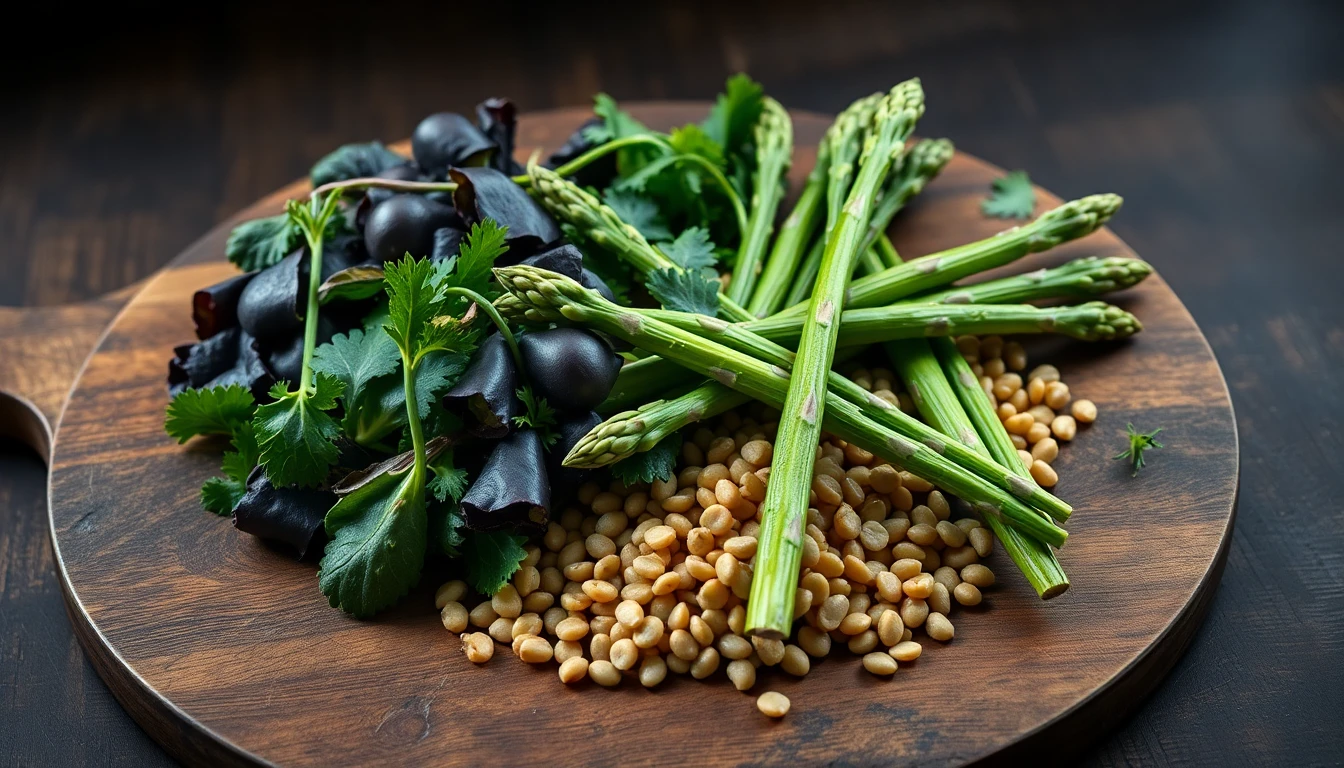
- Asparagus, boiled — 135 micrograms per 80g serving — among the richest natural sources
- Lettuce, raw — 55 micrograms per 80g serving — convenient for salads
Legumes and pulses
Beans, lentils, and peas offer substantial folate alongside protein and fibre.
- Chickpeas, boiled — 90 micrograms per 80g serving — versatile for curries, salads, and hummus
- Black-eyed beans, boiled — 105 micrograms per 80g serving — traditional in Caribbean and African dishes
- Red kidney beans, boiled — 65 micrograms per 80g serving — staple for chilli and stews
- Green lentils, boiled — 90 micrograms per 80g serving — quick-cooking and budget-friendly
- Garden peas, boiled — 50 micrograms per 80g serving — frozen peas retain folate well
Fortified breakfast cereals
Many UK breakfast cereals contain added folic acid.
- Fortified wheat biscuits — 100-150 micrograms per 40g serving — check specific brand labels
- Fortified cornflakes — 80-120 micrograms per 30g serving — varies by manufacturer
- Fortified bran flakes — 100-200 micrograms per 40g serving — higher fibre option
Other good sources
- Oranges, fresh — 50 micrograms per medium orange — also rich in vitamin C
- Avocado — 60 micrograms per half medium avocado — healthy fats aid absorption
- Beetroot, pickled — 55 micrograms per 80g serving — convenient store-cupboard option
- Wholemeal bread — 25-40 micrograms per slice — varies with fortification
- Yeast extract (Marmite) — 100 micrograms per 5g serving — concentrated source but high in salt
How much folate do you need for pregnancy?
Women planning pregnancy need 400 micrograms of folate daily, started before conception and continued through the first 12 weeks of pregnancy. This reduces neural tube defect risk by up to 70%, according to NHS guidance.
Supplementation with 400 micrograms of folic acid daily is recommended alongside a folate-rich diet, because achieving sufficient levels through food alone proves difficult. The synthetic supplement ensures consistent intake during the weeks when the neural tube forms, often before a woman knows she is pregnant.
Some women require higher doses of 5 milligrams daily: those with diabetes, a higher BMI over 30, a previous pregnancy affected by neural tube defects, or those taking anti-epileptic medication. A GP prescribes this higher dose.
Which foods contain choline alongside folate?
Eggs, meat, and fish provide both choline and folate in different proportions. Eggs contain approximately 150 milligrams of choline per large egg but only 25 micrograms of folate. Beef liver provides 350 milligrams of choline and 290 micrograms of folate per 100g serving.
For plant-based diets, combining folate-rich legumes with choline-rich foods like soya products and quinoa covers both nutrients. Chickpeas offer 90 micrograms of folate and 95 milligrams of choline per cooked cup.
Folate considerations with medications
Methotrexate, used for rheumatoid arthritis, psoriasis, and some cancers, depletes folate by blocking the enzyme that activates it. Doctors prescribe 5 milligrams of folic acid once weekly, taken on a different day from the methotrexate dose, to prevent side effects like mouth ulcers, nausea, and low blood cell counts.
Eating folate-rich foods does not interfere with methotrexate effectiveness. The medication blocks folate metabolism in rapidly dividing cells; folate from your diet or the prescribed supplement protects healthy cells without compromising treatment.
Some anticonvulsant medications, including phenytoin and carbamazepine, reduce folate absorption. If you take these long-term, your GP may monitor folate levels and recommend supplementation.
How FreshPlate tracks folate in your meals
FreshPlate calculates folate content when you build recipes, tracking your daily intake against the 200 or 400 microgram targets depending on your profile. The app flags when medications you take affect folate levels and adjusts meal suggestions accordingly.
Our free food-medication interaction checker identifies potential issues between folate supplements, folate-rich foods, and your prescriptions.
The system distinguishes between natural folate from whole foods and synthetic folic acid from fortified products. Recipes prioritise natural sources when possible, filling gaps with fortified options or flagging when a supplement discussion with your GP makes sense.
Frequently asked questions
What foods are rich in iodine?
+
Iodine-rich foods include white fish (140 micrograms per 100g), shellfish, dairy milk (30 micrograms per 200ml), eggs (26 micrograms per egg), and seaweed. Most UK table salt is not fortified.
Which foods are high in tyramine?
+
Tyramine-rich foods include aged cheeses, cured and fermented meats, sauerkraut, soy sauce, draught beer, and Marmite. These matter if you take older MAOI antidepressants, which require strict tyramine restriction.
What are the best chromium-rich foods?
+
Chromium-rich foods include broccoli (11 micrograms per 80g), wholegrain bread, potatoes, green beans, and meat. Most people obtain adequate chromium from a varied diet.
Can I eat folate-rich foods while taking methotrexate?
+
Yes, eating folate-rich foods is safe and encouraged while taking methotrexate. The folic acid supplement your doctor prescribes works alongside dietary folate to prevent side effects without reducing the medication's effectiveness.
Is natural folate better than folic acid supplements?
+
Both natural folate and folic acid raise blood folate levels effectively. Folic acid is more stable and absorbed more predictably, which is why it is used in supplements and recommended before pregnancy, though some people with MTHFR gene variants may handle natural folate more efficiently.
Sources
Did this answer your question?
Reece reads every reply. Questions we have not covered become new guides.
Make folate one less thing to worry about.
Get our free folate guide by email — the best food sources, what helps and hinders absorption, and a week of meal ideas. One genuinely useful email a week — no spam, unsubscribe anytime.
Free forever. You'll also be first in line for the FreshPlate app — with a free trial at launch.