High Cholesterol Diet Plan: What to Eat in the UK
Evidence-based 7-day high cholesterol diet plan with UK foods, practical shopping lists, and sustainable changes that go beyond simple low-fat advice.

By Reece Douglas · Founder, FreshPlate

Listen to this article
High Cholesterol Diet Plan: What to Eat in the UK
Managing high cholesterol through diet isn't simply about cutting fat—it's about choosing the right fats, increasing specific cholesterol-lowering foods, and building sustainable eating patterns that fit into your daily life. Roughly 6 in 10 adults in England have raised cholesterol, yet many receive generic advice that fails to translate into practical meal choices.
This high cholesterol diet plan provides a complete 7-day meal structure using readily available UK foods, a shopping list organised by supermarket aisle, and evidence-based strategies that address LDL cholesterol reduction through four key mechanisms: soluble fibre, plant sterols, healthy fats, and strategic protein choices. The approach goes well beyond outdated low-fat dogma to incorporate current nutritional science on cardiovascular health.
How Diet Reduces Cholesterol: The Four Mechanisms
Dietary changes can reduce LDL cholesterol by 10-25% within 4-6 weeks through four distinct mechanisms. Understanding these helps you make informed choices rather than following restrictive rules.
Soluble fibre binds to bile acids in your intestine, forcing your liver to pull cholesterol from your bloodstream to make more bile. You need 5-10g of soluble fibre daily for this effect—roughly 40g of porridge oats or three servings of beans. Plant sterols and stanols chemically resemble cholesterol and compete for absorption in your gut; 2g daily can reduce LDL by 7-10%. Replacing saturated fats with unsaturated fats changes how your liver processes lipoproteins, whilst strategic protein choices affect cholesterol synthesis pathways.
Foods That Actively Lower Cholesterol
These foods don't simply avoid raising cholesterol—they actively reduce it through the mechanisms above. The Portfolio Diet approach demonstrated that combining these foods produces statin-like LDL reductions.
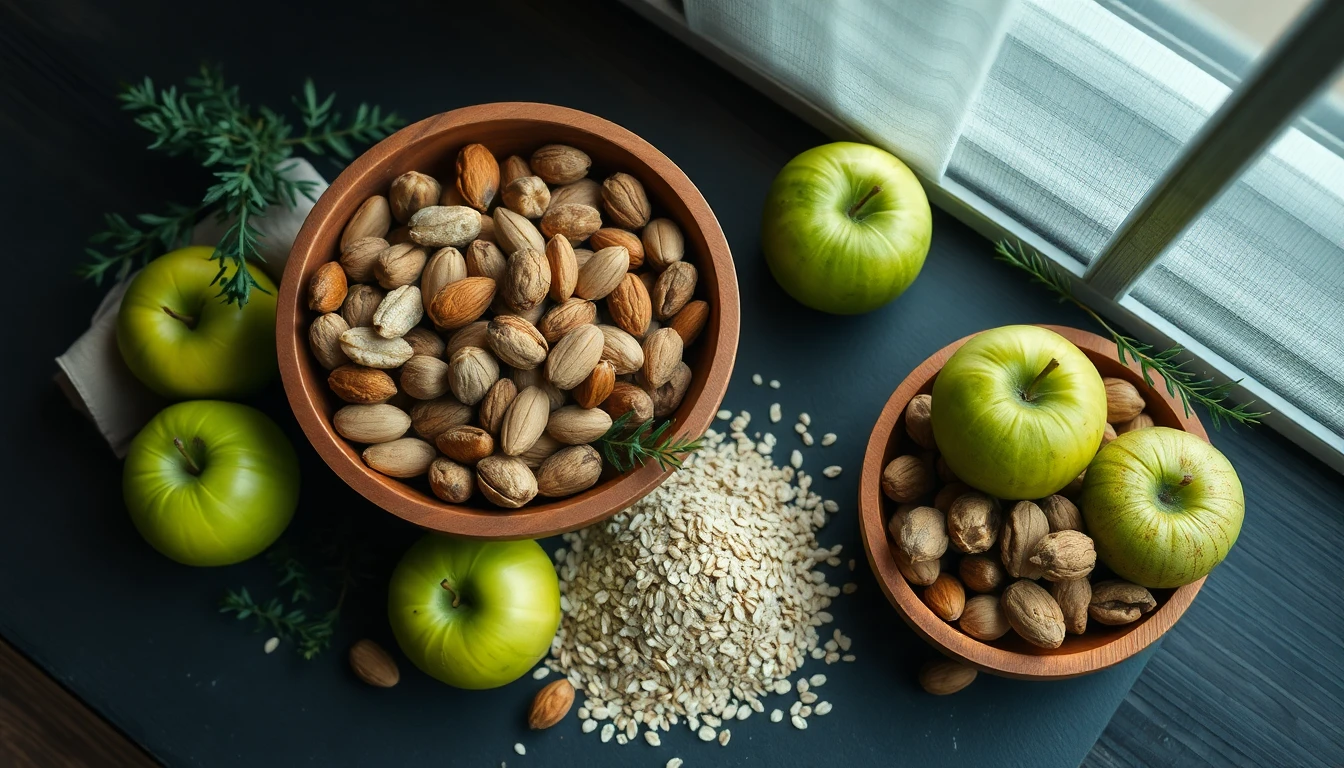
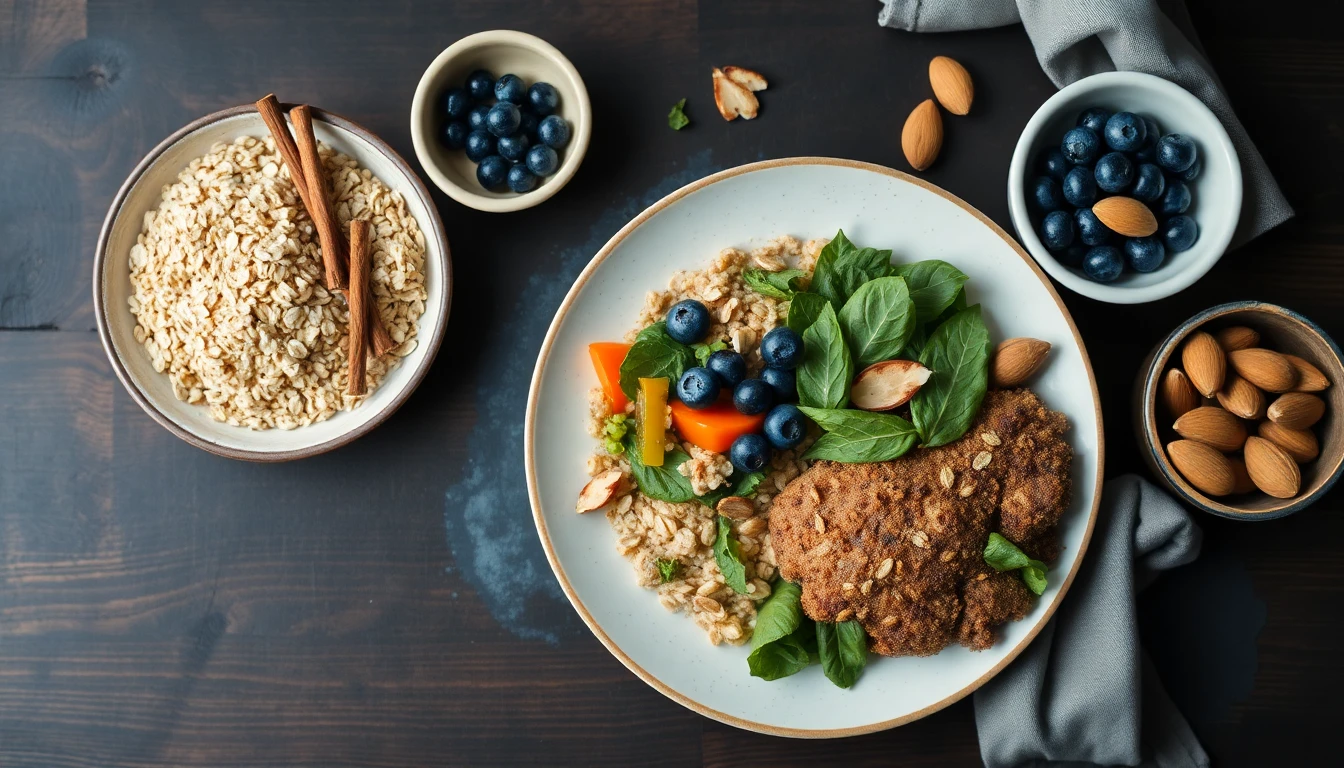
- Oats and barley — contain beta-glucan soluble fibre; 3g daily (40g uncooked oats) reduces LDL by approximately 5-7%
- Beans and pulses — provide soluble fibre and plant protein; 130g serving (half a tin) delivers 3-4g soluble fibre
- Nuts — almonds, walnuts, and cashews supply unsaturated fats and plant sterols; 30g daily (small handful) reduces LDL by 5%
- Plant sterol-enriched foods — fortified spreads, yoghurts, and milk; 2g daily reduces LDL by 7-10%
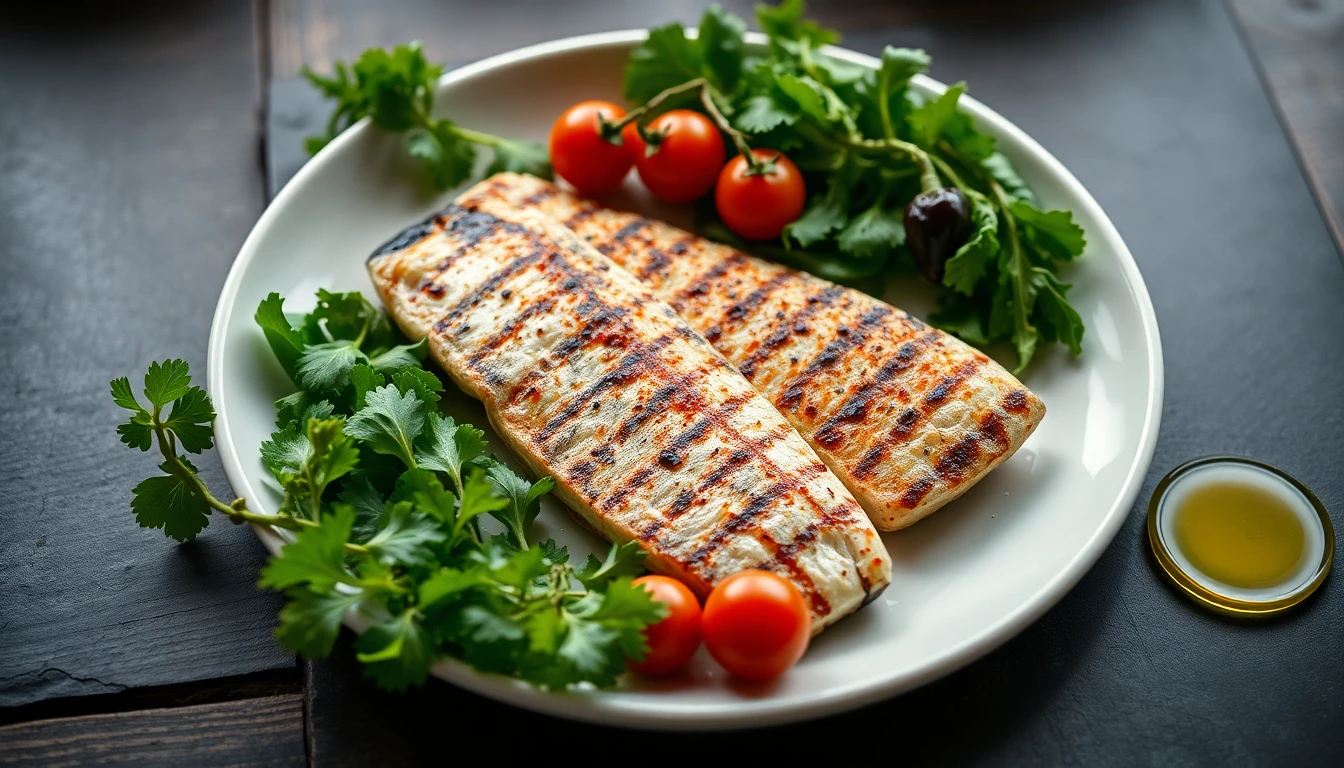
- Oily fish — salmon, mackerel, sardines provide omega-3 fats that lower triglycerides; two 140g portions weekly
- Soya protein — tofu, soya milk, edamame; 25g soya protein daily reduces LDL by approximately 3-4%
- Aubergine and okra — low-calorie sources of soluble fibre particularly effective when consumed regularly
- Apples, pears, and citrus — contain pectin, a soluble fibre; two servings daily contribute 2-3g soluble fibre
Foods to Reduce or Limit
The focus is reducing saturated fat to below 20g daily (ideally below 10% of total calories) and eliminating trans fats completely.
- Butter, ghee, lard — limit to 10g daily maximum; replace with rapeseed or olive oil spreads
- Hard cheeses — Cheddar, Stilton contain 6-7g saturated fat per 30g; choose reduced-fat versions or limit to 30g portions
- Red and processed meats — bacon, sausages, beef mince; limit to once weekly, choose lean cuts, drain visible fat
- Coconut and palm oil — despite plant origin, 85-90% saturated fat; avoid in cooking and processed foods
- Pastries, biscuits, cakes — typically combine saturated fat with refined carbohydrates; reserve for occasional treats
- Full-fat dairy — whole milk contains 2.3g saturated fat per 100ml; switch to semi-skimmed (1.0g) or skimmed (0.1g)
- Fried takeaways — often use palm oil and trans fats; choose grilled options or home-cooked alternatives
7-Day High Cholesterol Diet Plan for UK Households
This meal plan provides approximately 2000 calories daily with less than 20g saturated fat, 30-35g total fibre including 8-12g soluble fibre, and incorporates cholesterol-lowering foods at every meal. Portion sizes suit most adults; adjust according to your energy needs.
Day 1
- Breakfast — 50g porridge oats made with 200ml semi-skimmed milk, topped with 1 sliced apple and 1 tbsp ground flaxseed
- Lunch — Jacket potato with 200g tin reduced-salt baked beans, side salad with olive oil dressing
- Dinner — 140g grilled salmon fillet, 200g roasted Mediterranean vegetables (aubergine, courgette, peppers) with 1 tbsp rapeseed oil, 150g brown rice
- Snacks — 30g unsalted almonds, 1 orange
Day 2
- Breakfast — 2 slices wholemeal toast with plant sterol spread and 1 tbsp peanut butter, 150ml fresh orange juice
- Lunch — Lentil and vegetable soup (homemade or low-sodium tinned), wholemeal roll, apple
- Dinner — Chicken and bean stew: 120g skinless chicken breast, 400g tin mixed beans, tomatoes, onions, garlic, served with 100g pearl barley
- Snacks — Plant sterol yoghurt, carrot sticks with 30g hummus
Day 3
- Breakfast — 40g no-added-sugar muesli with 150ml soya milk, 80g fresh berries, 1 tbsp ground almonds
- Lunch — Wholemeal pitta filled with 100g tinned mackerel in tomato sauce, mixed leaves, cucumber, 1 tsp olive oil
- Dinner — Vegetable and chickpea curry: 240g tin chickpeas, spinach, tomatoes, onions, curry spices, 1 tbsp rapeseed oil; 150g brown rice; side of cucumber raita made with low-fat yoghurt
- Snacks — 2 oatcakes with plant sterol spread, pear
Day 4
- Breakfast — Smoothie: 1 banana, 80g frozen berries, 200ml soya milk, 30g oats, 1 tbsp ground flaxseed
- Lunch — Pearl barley and vegetable salad: 100g cooked pearl barley, roasted vegetables, 30g walnuts, balsamic dressing
- Dinner — 120g grilled turkey breast, 200g roasted Brussels sprouts and carrots with 1 tsp olive oil, 150g sweet potato mash made with semi-skimmed milk
- Snacks — Apple with 1 tbsp almond butter, plant sterol yoghurt
Day 5
- Breakfast — 50g porridge with 1 tbsp chia seeds, 1 sliced pear, drizzle of honey
- Lunch — Wholemeal wrap with 100g grilled chicken, hummus, roasted peppers, rocket; side of vegetable sticks
- Dinner — 140g baked cod fillet with herb crust, 200g steamed broccoli and green beans, 150g new potatoes with plant sterol spread
- Snacks — 30g cashews, orange
Day 6
- Breakfast — 2 slices wholemeal toast with mashed avocado (half avocado) and sliced tomato, 150ml fresh orange juice
- Lunch — Minestrone soup with beans, wholemeal roll, apple
- Dinner — Vegetarian chilli: kidney beans, black beans, peppers, tomatoes, onions; served with 150g brown rice and 2 tbsp low-fat Greek yoghurt
- Snacks — Plant sterol yoghurt with 1 tbsp ground flaxseed, carrot and cucumber sticks
Day 7
- Breakfast — 40g sugar-free granola with 150ml soya milk, 1 sliced banana, 1 tbsp pumpkin seeds
- Lunch — Jacket sweet potato with 200g tin reduced-salt baked beans and side salad with 1 tsp olive oil
- Dinner — 140g grilled mackerel, 200g ratatouille (aubergine, courgette, peppers, tomatoes in olive oil), 100g quinoa
- Snacks — 30g walnuts, pear, 2 oatcakes with plant sterol spread
Your High Cholesterol Shopping List by Aisle
This organised shopping list covers the 7-day plan above and groups items by typical UK supermarket layout. Buy what suits your household size and adjust quantities accordingly.
Fresh Produce
- Fruit — 6 apples, 4 pears, 4 oranges, 4 bananas, 300g mixed berries (fresh or frozen)
- Vegetables — 2 aubergines, 3 courgettes, 4 peppers (mixed colours), 400g broccoli, 300g green beans, 400g Brussels sprouts, 600g mixed salad leaves, 2 cucumbers, 1kg tomatoes, 6 onions, 1 bulb garlic
- Root vegetables — 1kg potatoes, 800g sweet potatoes, 500g carrots
- Herbs — fresh parsley, coriander (or dried equivalents)
Bakery and Grains
- Bread — 1 large wholemeal loaf, 4 wholemeal rolls, pack wholemeal pitta, pack wholemeal wraps
- Breakfast cereals — 500g porridge oats, 500g no-added-sugar muesli, 400g sugar-free granola
- Grains and pulses — 500g brown rice, 250g pearl barley, 250g quinoa
Tinned and Ambient
- Beans and pulses — 3 × 400g tins reduced-salt baked beans, 2 × 400g tins mixed beans, 2 × 400g tins chickpeas, 1 × 400g tin kidney beans, 1 × 400g tin black beans
- Fish — 1 × 200g tin mackerel in tomato sauce, 2 × 400g tins chopped tomatoes
- Soups — 2 tins lentil and vegetable soup, 1 tin minestrone
- Oils and spreads — 500ml rapeseed oil, 500ml olive oil, plant sterol-enriched spread (250g tub)
- Nuts and seeds — 200g almonds (unsalted), 150g walnuts, 150g cashews, 100g ground flaxseed, 100g chia seeds, 100g pumpkin seeds
- Other — peanut butter, almond butter, hummus (300g), oatcakes, balsamic vinegar
Chilled and Dairy Alternatives
- Milk — 4 litres semi-skimmed milk, 2 litres soya milk
- Yoghurt — 4 × plant sterol-enriched yoghurts, 500g low-fat Greek yoghurt, 200g low-fat natural yoghurt
- Fresh meat and fish — 2 × 140g salmon fillets, 1 × 140g cod fillet, 2 × 140g mackerel fillets, 360g skinless chicken breast, 120g turkey breast
Freezer
- Vegetables — frozen spinach, mixed frozen berries if not buying fresh
- Additional protein — consider frozen fish portions for convenience
Beyond Low-Fat: Modern Cholesterol Management Strategies
The outdated 'low-fat everything' approach often replaced beneficial fats with refined carbohydrates, which can actually worsen your lipid profile by raising triglycerides and lowering protective HDL cholesterol. Current evidence supports a more nuanced approach.
The Fat Quality Hierarchy
Not all fats affect cholesterol equally. Prioritising unsaturated fats whilst limiting saturated fats and eliminating trans fats produces better outcomes than blanket fat reduction. If you're taking medications that interact with dietary fats, discuss optimal fat intake with your GP or pharmacist.
- Monounsaturated fats — olive oil, rapeseed oil, avocados, nuts; replace saturated fats with these to lower LDL without reducing HDL
- Polyunsaturated fats — oily fish, walnuts, flaxseed, sunflower seeds; omega-3s particularly benefit triglyceride levels
- Saturated fats — limit to below 20g daily (under 10% of calories); primarily from animal sources and tropical oils
- Trans fats — avoid completely; check labels for 'partially hydrogenated oils' in processed foods
Fibre Types and Targets
Total fibre and soluble fibre serve different functions. Adults need 30g total fibre daily, with at least 8-12g as soluble fibre for cholesterol management. Most UK adults consume only 18-20g total fibre.
- Soluble fibre sources — oats (beta-glucan), barley, beans, lentils, apples, pears, citrus fruits, aubergine, okra, flaxseed, chia seeds
- Insoluble fibre sources — wholemeal bread, brown rice, wheat bran, nuts, seeds, vegetable skins; supports digestive health but doesn't directly lower cholesterol
- Practical target — include soluble fibre at breakfast (oats, fruit) and lunch or dinner (beans, barley, vegetables) to reach 8-12g daily
Carbohydrate Quality Matters
Refined carbohydrates and added sugars can elevate triglycerides and small, dense LDL particles—particularly problematic for cardiovascular risk. Focus on wholegrains, which also contribute fibre.
- Choose — wholemeal bread, brown rice, wholegrain pasta, oats, barley, quinoa, sweet potatoes
- Limit — white bread, white rice, pastries, biscuits, sugary cereals, sweets, sweetened drinks
- Portion awareness — even wholegrains affect blood sugar; combine with protein and healthy fats for balanced meals, particularly relevant if you're also managing conditions that affect blood sugar regulation
Protein Choices and Cholesterol
Protein sources often come packaged with fats. Shifting your protein portfolio towards plant proteins, fish, and lean poultry reduces saturated fat intake whilst maintaining muscle mass and satiety.
- Best choices — beans, lentils, chickpeas, tofu, edamame, oily fish, white fish, skinless poultry
- Moderate — lean red meat (visible fat trimmed) once or twice weekly; eggs (dietary cholesterol has minimal impact on blood cholesterol for most people)
- Limit — fatty red meats, processed meats (bacon, sausages, salami), which combine saturated fat with sodium and preservatives
Common Questions About High Cholesterol Diets
Managing cholesterol through diet raises practical questions about specific foods, meal timing, and how dietary changes compare to medication. Here are evidence-based answers to the most common queries.
Can I Eat Eggs with High Cholesterol?
Yes, most people with high cholesterol can eat up to 6-7 eggs weekly without significantly affecting blood cholesterol levels. Dietary cholesterol (from eggs) has far less impact on blood cholesterol than saturated and trans fats do. The British Heart Foundation confirms that dietary cholesterol minimally affects blood cholesterol for approximately 70% of the population; the remaining 30% show a modest response. Eggs provide high-quality protein, vitamins D and B12, and beneficial nutrients like choline—though if you're specifically increasing choline for brain health, other sources contribute as well. If you have familial hypercholesterolaemia or have been specifically advised to limit eggs by your GP, follow that guidance.
How Quickly Does Diet Lower Cholesterol?
Diet changes typically reduce LDL cholesterol by 10-25% within 4-6 weeks when implemented consistently. The Portfolio Diet trials demonstrated LDL reductions of 13-30% at 4 weeks when participants consumed optimal amounts of soluble fibre, plant sterols, soya protein, and nuts together. Individual responses vary based on genetics, baseline diet quality, and adherence. You'll need a blood test at 6-12 weeks to measure the effect. Combining dietary changes with increased physical activity and weight loss (if overweight) produces faster and greater improvements. Statins reduce LDL by approximately 30-50%, so for some individuals, diet plus medication offers the best outcome.
Do I Still Need Statins If I Change My Diet?
This depends on your overall cardiovascular risk, cholesterol levels, and whether you have existing heart disease. Diet can reduce LDL by 10-25%, whilst statins reduce it by 30-50%; some people need both to reach target levels. If you've been prescribed statins, don't stop taking them without discussing with your GP—even with perfect diet adherence. For individuals with moderate cholesterol elevation and low cardiovascular risk, diet and lifestyle changes alone may suffice, but this requires medical assessment. If you've had a heart attack, stroke, or have diabetes, statins are usually necessary regardless of diet. Your GP will assess your QRISK3 score (10-year cardiovascular risk) to guide treatment decisions. Diet and medication work through different mechanisms and complement each other rather than duplicating effects.
Are Plant Sterols Worth the Extra Cost?
Yes, if you consume 2g daily consistently, plant sterols reduce LDL cholesterol by 7-10% within 2-3 weeks. This requires approximately 2 servings of fortified products daily—such as 25g plant sterol spread on toast plus one plant sterol yoghurt. The annual cost is roughly £150-200, which is reasonable compared to the cardiovascular benefit. Plant sterols work by blocking cholesterol absorption in your intestine; they're most effective when consumed with meals containing some fat. However, they're not necessary if you're achieving good cholesterol control through wholefood sources alone—beans, oats, nuts, and vegetables provide similar benefits without added cost. Consider them a convenient, concentrated option rather than essential.
How FreshPlate Builds Your Cholesterol-Lowering Meal Plan
Managing high cholesterol whilst accounting for medications, other health conditions, and personal food preferences creates complex nutritional requirements. FreshPlate's free food–medication interaction checker identifies potential conflicts between your prescriptions and specific foods, then builds personalised meal plans that optimise cholesterol management without compromising medication effectiveness.
The app automatically calculates your saturated fat, soluble fibre, and plant sterol intake across the week, suggests UK supermarket-available ingredient swaps when you dislike suggested meals, and adjusts portions based on whether you're also managing weight, blood pressure, or other conditions alongside cholesterol. Your meal plan updates when your medications change, ensuring food-drug interactions are continuously monitored—particularly important if you take statins, blood pressure medications, or anticoagulants that interact with specific foods.
Rather than following generic advice, you receive recipes tailored to your exact situation: vegetarian, vegan, gluten-free, dairy-free, or any combination, with every meal working towards your cholesterol targets whilst fitting your household size and cooking confidence. The shopping list organises by supermarket aisle, removes items you already have at home, and prioritises seasonal UK produce to keep costs manageable whilst delivering the evidence-based dietary patterns proven to lower LDL cholesterol.
Frequently asked questions
What is the best diet plan for high blood pressure?
+
The DASH diet (Dietary Approaches to Stop Hypertension) is the most evidence-based eating pattern for high blood pressure, reducing systolic pressure by 8-14 mmHg within 2 weeks. It emphasises fruits, vegetables, wholegrains, low-fat dairy, lean protein, and limits sodium to 2300mg daily (ideally 1500mg for greater effect). The DASH diet overlaps substantially with cholesterol-lowering patterns—both prioritise plant foods, limit saturated fat, and include oily fish—making it ideal if you're managing both conditions simultaneously.
Can diet reverse fatty liver disease?
+
Yes, dietary changes combined with weight loss can reverse non-alcoholic fatty liver disease in many cases. Reducing total calories by 500-750 daily to achieve 7-10% weight loss over 3-6 months significantly reduces liver fat. The most effective dietary pattern emphasises wholegrains, lean protein, vegetables, limits added sugars and refined carbohydrates, and moderates saturated fat—very similar to a cholesterol-lowering diet. Fatty liver and high cholesterol frequently coexist, so the same dietary foundation addresses both conditions.
What foods should I eat for osteoporosis prevention?
+
An osteoporosis diet plan prioritises calcium (700mg daily from dairy, fortified plant milks, leafy greens, tinned fish with bones), vitamin D (10 micrograms daily from oily fish, fortified foods, or supplements October-March in the UK), and adequate protein (0.8-1.0g per kg body weight). Weight-bearing exercise is equally important. If you're managing both osteoporosis risk and high cholesterol, choose semi-skimmed or skimmed dairy for calcium without excess saturated fat, and ensure oily fish consumption for both vitamin D and omega-3 fatty acids.
Is a high-protein vegan diet possible for cholesterol management?
+
Yes, high-protein vegan diets are excellent for cholesterol management since they're naturally free from dietary cholesterol and low in saturated fat. Aim for 1.2-1.6g protein per kg body weight from beans, lentils, chickpeas, tofu, tempeh, edamame, quinoa, nuts, seeds, and soya products. These foods simultaneously provide soluble fibre and plant sterols that lower LDL cholesterol. Combining pulses with wholegrains creates complete proteins; for example, beans with brown rice or hummus with wholemeal pitta provide all essential amino acids whilst supporting cardiovascular health.
How does the Mounjaro diet plan differ from general weight loss diets?
+
Mounjaro (tirzepatide) reduces appetite significantly, requiring dietary adjustments to prevent nutrient deficiencies whilst losing weight. The approach emphasises protein at every meal (25-30g portions) to preserve muscle mass, smaller frequent meals to manage reduced stomach capacity, and nutrient-dense foods within lower calorie targets. For cholesterol management alongside Mounjaro, prioritise lean proteins, vegetables, wholegrains, and healthy fats whilst ensuring adequate fibre to prevent constipation—a common side effect. The same heart-healthy foods work for both goals; portion sizes simply adjust to your medication-reduced appetite.
Sources
- NHS — High cholesterol dietary advice and prevention
- British Heart Foundation — Eating to lower cholesterol
- National Institute for Health and Care Excellence (NICE) — Cardiovascular disease risk assessment and lipid modification (CG181)
- Journal of the American Heart Association — Portfolio Diet for cardiovascular disease risk reduction
Did this answer your question?
Reece reads every reply. Questions we have not covered become new guides.
The right foods make living with high cholesterol easier.
Get our free high cholesterol food guide by email — what to eat more of, what to limit, and simple meals that support you day to day. One genuinely useful email a week — no spam, unsubscribe anytime.
Free forever. You'll also be first in line for the FreshPlate app — with a free trial at launch.