High Fibre Breakfast Recipes for Digestive Health (UK)
Quick, delicious high fibre breakfast recipes delivering 10g+ fibre per serving. Balance soluble and insoluble fibre for optimal gut health using UK ingredients.

By Reece Douglas · Founder, FreshPlate
Listen to this article
High Fibre Breakfast Recipes for Digestive Health (UK)
Starting your day with a high-fibre breakfast is one of the most effective ways to support your digestive health, stabilise blood sugar levels, and maintain a healthy weight. Yet most British adults consume just 18g of fibre daily—well short of the NHS recommendation of 30g. The good news? A single well-planned breakfast can deliver a third of your daily target.
Fibre comes in two main types, and your gut needs both. Soluble fibre dissolves in water to form a gel, feeding beneficial gut bacteria and helping to regulate blood sugar and cholesterol. Insoluble fibre adds bulk to stools and keeps things moving through your digestive system. The recipes below balance both types whilst being genuinely quick to prepare, using ingredients readily available in UK supermarkets. Each serving provides at least 10g of fibre alongside quality protein and healthy fats to keep you satisfied through the morning.
Why Breakfast Matters for Digestive Health
Your gut microbiome—the trillions of bacteria living in your digestive tract—thrives on dietary fibre. These microorganisms ferment soluble fibre into short-chain fatty acids that reduce inflammation, strengthen the gut lining, and may even influence mood and immune function. Skipping breakfast or choosing low-fibre options means missing an opportunity to feed these beneficial bacteria.
Morning is also when your digestive system is naturally primed for activity. Eating a substantial breakfast that includes anti-inflammatory foods and adequate fibre helps establish regular bowel movements and can reduce symptoms of irritable bowel syndrome. Research published in the British Journal of Nutrition found that people who consume most of their daily fibre at breakfast report better digestive comfort throughout the day.
The key is balance. Too much insoluble fibre without adequate fluid can cause bloating, whilst excessive soluble fibre might lead to gas initially as your gut bacteria adjust. The recipes below are designed to provide a balanced ratio of approximately 40% soluble to 60% insoluble fibre—the proportion most people tolerate well.
Understanding Fibre Types in Your Breakfast
Soluble fibre sources for breakfast include oats, chia seeds, flaxseeds, apples, pears, and psyllium husk. These slow digestion, helping you feel full longer and preventing blood sugar spikes. Insoluble fibre comes from wheat bran, whole wheat products, nuts, seeds, and the skins of fruits and vegetables. This type speeds transit time through your gut and prevents constipation.
- Oats — contain beta-glucan, a particularly beneficial soluble fibre that supports heart health and feeds gut bacteria
- Chia seeds — provide both types of fibre and form a gel when soaked, ideal for overnight preparations
- Wheat bran — extremely high in insoluble fibre; just two tablespoons add 6g of fibre to any breakfast
- Ground flaxseed — offers soluble fibre plus omega-3 fatty acids, but must be ground for your body to access the nutrients
- Berries — raspberries lead with 8g fibre per cup, followed by blackberries at 7.6g
Five High-Fibre Breakfast Recipes (10g+ Per Serving)
Each recipe below has been formulated to deliver at least 10g of dietary fibre whilst remaining genuinely quick to prepare. Preparation times assume you have standard kitchen equipment and have completed any overnight soaking or refrigeration in advance.
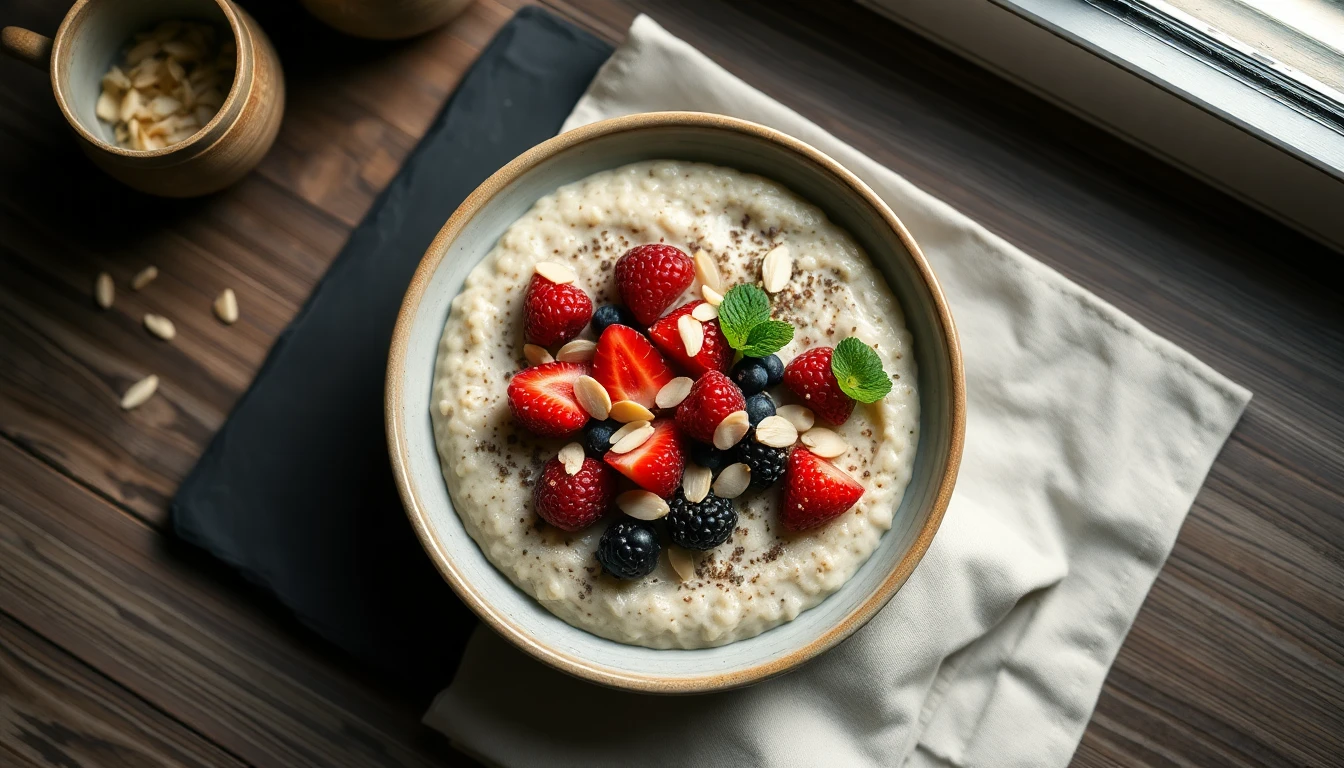
Berry and Seed Power Porridge (12g fibre)
This warming breakfast combines multiple fibre sources for comprehensive gut support. Preparation time: 8 minutes.
- Ingredients — 50g jumbo oats, 300ml unsweetened almond milk, 1 tbsp ground flaxseed, 1 tbsp chia seeds, 100g mixed berries (fresh or frozen), 1 tbsp wheat bran, 15g walnuts (roughly chopped)
- Method — Add oats, ground flaxseed, chia seeds, and wheat bran to a saucepan with the almond milk. Heat gently, stirring frequently, for 4-5 minutes until thickened. Top with berries and walnuts. If using frozen berries, stir them through the hot porridge to warm.
- Fibre breakdown — Soluble: 5g (oats, flaxseed, chia seeds, berries), Insoluble: 7g (wheat bran, oats, nuts, berries)
- Make-ahead tip — Prepare a batch of the dry ingredients (oats, flaxseed, chia, wheat bran) in individual portions. Store in airtight containers for up to two weeks, then simply add liquid and heat when needed.
Overnight Chia Pudding with Apple and Cinnamon (11g fibre)
Perfect for busy mornings, this requires no cooking and can be prepared the night before. The chia seeds create a creamy, tapioca-like texture as they absorb liquid overnight.
- Ingredients — 3 tbsp chia seeds, 200ml unsweetened soy milk, 1 medium apple (diced, skin on), 1 tsp cinnamon, 1 tbsp ground almonds, 1 tbsp wheat bran, 1 tsp vanilla extract, 10g whole almonds (chopped)
- Method — Combine chia seeds, soy milk, cinnamon, wheat bran, and vanilla in a jar or container. Stir well, then refrigerate for at least 4 hours or overnight. In the morning, stir through most of the diced apple and top with remaining apple and chopped almonds.
- Fibre breakdown — Soluble: 4.5g (chia seeds, apple), Insoluble: 6.5g (chia seeds, wheat bran, apple skin, almonds)
- Variation — Swap apple for pear and add a tablespoon of cocoa powder for a chocolate version with similar fibre content.
High-Fibre Breakfast Smoothie Bowl (13g fibre)
A thick, spoonable smoothie topped with crunchy elements provides texture contrast and exceptional fibre density. Preparation time: 5 minutes.
- Base ingredients — 1 frozen banana, 100g frozen raspberries, 2 tbsp oats, 1 tbsp ground flaxseed, 1 tbsp chia seeds, 150ml unsweetened oat milk, 50g baby spinach
- Toppings — 1 tbsp wheat bran, 15g pumpkin seeds, 50g fresh berries, 1 tbsp unsweetened coconut flakes
- Method — Blend all base ingredients until thick and creamy, adding more liquid only if necessary to get the blades moving. Pour into a bowl and arrange toppings on top. Eat with a spoon.
- Fibre breakdown — Soluble: 5g (banana, berries, oats, flaxseed, chia), Insoluble: 8g (wheat bran, seeds, spinach, coconut)
- Pro tip — Freeze ripe bananas when they're heavily spotted for natural sweetness. The frozen fruit keeps the smoothie thick enough to eat with a spoon.
Wholegrain Toast with Smashed Chickpeas and Avocado (11g fibre)
A savoury option that provides protein alongside fibre, ideal for those who prefer less sweet breakfasts. If you're managing blood sugar control, this balanced meal prevents morning glucose spikes.
- Ingredients — 2 slices seeded wholegrain bread (look for 3g+ fibre per slice), 100g tinned chickpeas (drained), half a ripe avocado, juice of half a lemon, 1 tbsp tahini, 1 tsp cumin, handful of rocket, cherry tomatoes (optional)
- Method — Toast the bread. Roughly mash chickpeas with avocado, lemon juice, tahini, and cumin. Spread thickly on toast and top with rocket and sliced tomatoes.
- Fibre breakdown — Soluble: 4g (chickpeas, avocado, oats in bread), Insoluble: 7g (wholegrain bread, chickpeas, vegetables)
- Batch prep — Make a larger batch of the chickpea-avocado mixture (without the avocado oxidising, add lemon juice liberally) and store in the fridge for up to two days. Add fresh avocado each morning.
Bran Flakes Upgrade Bowl (10g fibre)
Transform basic bran flakes into a gut-health powerhouse by adding complementary fibre sources. This is the quickest option when you're genuinely rushed.
- Ingredients — 40g high-fibre bran cereal, 1 tbsp ground flaxseed, 1 tbsp chia seeds, 1 small pear (diced, skin on), 15g walnuts (chopped), 200ml unsweetened almond milk
- Method — Combine bran flakes, ground flaxseed, and chia seeds in a bowl. Add milk and let sit for 2 minutes to soften slightly. Top with diced pear and walnuts.
- Fibre breakdown — Soluble: 3.5g (bran cereal, flaxseed, chia, pear), Insoluble: 6.5g (bran cereal, pear skin, nuts)
- Preparation time — 3 minutes
- Why it works — The chia seeds and flaxseed add beneficial fats and additional fibre whilst making the meal more satisfying than bran flakes alone.
Increasing Fibre Intake Safely
If you currently consume significantly less than 30g of fibre daily, jumping straight to a 12g breakfast might cause temporary digestive discomfort. Your gut bacteria need time to adjust to increased fibre, and rapid changes can lead to bloating, gas, or cramping.
The NHS recommends increasing fibre intake gradually over two to three weeks. Start with recipes containing 6-8g of fibre for the first week, then progress to the full 10g+ versions. Equally important is adequate hydration—aim for at least 6-8 glasses of water daily, as fibre needs fluid to work effectively in your digestive system.
Some people find certain fibre types more troublesome than others. Those with irritable bowel syndrome may need to moderate insoluble fibre during flare-ups, whilst others find soluble fibre causes more gas initially. Pay attention to how different recipes affect your individual digestion and adjust accordingly. If you have Crohn's disease or another inflammatory bowel condition, you may need to modify fibre intake during active inflammation.
Common Mistakes When Adding Fibre
- Insufficient fluid — fibre without water can worsen constipation rather than relieve it; increase water intake proportionally with fibre
- All at once — spreading fibre across three meals is gentler on your digestive system than consuming it all at breakfast
- Ignoring symptoms — persistent bloating or discomfort suggests you're increasing too quickly or have an intolerance that needs investigation
- Forgetting variety — different fibre types feed different gut bacteria; rotate between the recipes rather than eating the same one daily
- Neglecting chewing — thoroughly chewing high-fibre foods begins the digestive process and reduces the burden on your stomach
Maximising Nutritional Value Beyond Fibre
Whilst fibre is the focus of these recipes, a balanced breakfast should also provide protein, healthy fats, and key micronutrients. Each recipe above includes protein sources (from nuts, seeds, soy milk, or legumes) and healthy fats (from seeds, nuts, or avocado) to create a complete meal that stabilises blood sugar and maintains satiety.
The combination of fibre with protein is particularly effective for weight management and metabolic health. Protein triggers the release of satiety hormones whilst fibre slows gastric emptying, meaning you'll feel genuinely full until lunch rather than experiencing mid-morning hunger. This is especially relevant if you're following batch cooking principles and preparing breakfast components in advance.
Many of these recipes also deliver significant amounts of omega-3 fatty acids (from chia, flax, and walnuts), magnesium (from seeds and wholegrains), and polyphenols (from berries). These compounds work synergistically with fibre to reduce inflammation and support overall health.
Budget-Friendly Fibre Sources
High-fibre eating doesn't require expensive superfoods. The most cost-effective fibre sources include porridge oats (check per-100g prices; own-brand versions are identical), wheat bran (extremely cheap per serving), frozen berries (often better value than fresh and equally nutritious), tinned pulses, and own-brand wholegrain bread.
- Porridge oats — approximately 10p per serving, providing 4g fibre per 50g
- Wheat bran — about 5p per tablespoon, delivering 3g fibre
- Frozen mixed berries — roughly 30p per 100g serving with 3-4g fibre
- Tinned chickpeas — around 25p per 100g drained weight, offering 4g fibre plus protein
- Ground flaxseed — buy whole flaxseeds and grind them yourself in a coffee grinder to halve the cost
How FreshPlate Fits Around Your Fibre Needs
Whilst these recipes provide a solid foundation for increasing breakfast fibre, individual needs vary considerably based on age, medications, existing digestive conditions, and overall dietary patterns. FreshPlate builds every recipe it generates around your own medication list and your goals. For medical conditions it steers rather than prescribes: recipes lean towards what public UK guidance (NHS, BDA) says suits the condition, and the app never claims to treat, prevent or cure anything.
Medicines are added by brand or generic name from the NHS's own medicines list, and the app reads each one by its active ingredient. The For you tab on every recipe lists your medicines. For those where the interaction checker has quoted the NHS or US FDA words about food, you'll see those words, with a link to the checker page; for the rest, it says there is no advice on file yet and points you to your pharmacist. You can also look up a medicine yourself on our website's free food–medication interaction checker (/website/tools/food-medication-checker/). If you eat a homemade bake or porridge mix often, Cook on the Meals tab can measure it once from its ingredient lines, keep it in your kitchen, and log a portion in one tap from then on.
Rather than wondering whether a recipe suits you, you can open its For you tab, which shows what was actually checked, a line on why it suits your goal and conditions, and whether it fits what is left of your day. The Progress tab also reads out how your day is going and what to do next. This means you can spend less time puzzling over labels and more time enjoying your breakfast, and for anything about your medication or digestive condition, your pharmacist or GP is the right person to ask.
Frequently asked questions
How much fibre should I eat at breakfast?
+
Aim for 8-12g of fibre at breakfast, which represents roughly one-third of the NHS daily recommendation of 30g. This amount, combined with adequate fibre at other meals, helps most people reach their daily target whilst distributing intake evenly throughout the day to minimise digestive discomfort.
Can I eat high-fibre breakfast if I have IBS?
+
Yes, but you may need to modify recipes based on your IBS subtype. Those with IBS-C (constipation-predominant) generally tolerate and benefit from high fibre, whilst IBS-D (diarrhoea-predominant) may need to emphasise soluble over insoluble fibre. Start with lower amounts and increase gradually whilst monitoring symptoms.
What's the difference between soluble and insoluble fibre?
+
Soluble fibre dissolves in water to form a gel, slowing digestion and feeding beneficial gut bacteria. It's found in oats, chia seeds, and fruits. Insoluble fibre doesn't dissolve and adds bulk to stools, speeding transit through the gut. It's found in wheat bran, wholegrains, and vegetable skins. Both types are essential for optimal digestive health.
Why do I feel bloated when I eat high-fibre breakfast?
+
Bloating typically occurs when fibre intake increases too rapidly or without adequate fluid. Your gut bacteria need 2-3 weeks to adapt to higher fibre levels. Increase gradually, drink plenty of water, and ensure you're chewing thoroughly. If bloating persists beyond three weeks, consider whether you might have an intolerance to a specific ingredient.
Are overnight oats as nutritious as cooked porridge?
+
Yes, overnight oats provide the same fibre, vitamins, and minerals as cooked porridge. The soaking process actually improves digestibility for some people by beginning to break down phytic acid, which can interfere with mineral absorption. Both methods are nutritionally excellent; choose based on texture preference and convenience.
Sources
Did this answer your question?
Reece reads every reply. Questions we have not covered become new guides.
Enjoyed these? There’s more where they came from.
Get fresh fibre recipes and meal ideas by email — practical, healthy, and built for real weeknights. One genuinely useful email a week — no spam, unsubscribe anytime.
Free forever. You'll also be first in line for the FreshPlate app — with a free trial at launch.