High Protein Vegan Meal Prep: 5 Easy UK Recipes
Budget-friendly vegan meal prep recipes with 20g+ protein per serving. Batch-cook these easy plant-based meals using UK supermarket ingredients.

By Reece Douglas · Founder, FreshPlate
Listen to this article
High Protein Vegan Meal Prep: 5 Easy UK Recipes
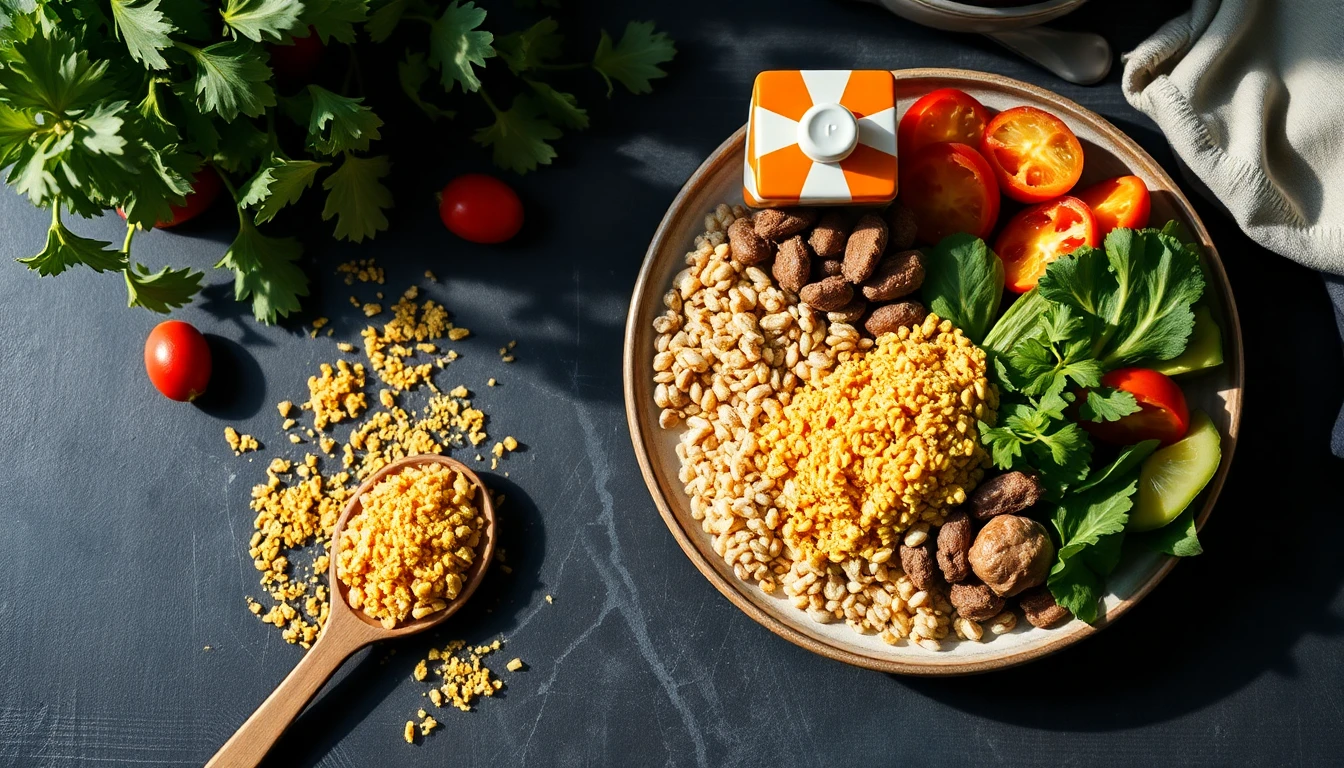
Getting enough protein on a plant-based diet needn't be complicated or expensive. Whether you're fully vegan, trying meat-free Mondays, or following dietary guidance from your healthcare team, batch-cooking high-protein vegan meals saves time and takes the guesswork out of nutrition.
The recipes below each deliver at least 20 grams of protein per serving and rely on ingredients you'll find in any major UK supermarket. Better still, they're designed for batch cooking, freezing well, and reheating brilliantly throughout the week. Let's explore how to meal prep plant-based protein that actually keeps you satisfied.
Why High-Protein Vegan Meal Prep Works
Protein supports muscle repair, immune function, and satiety. The British Nutrition Foundation recommends around 0.75g of protein per kilogram of body weight daily for most adults, though requirements increase if you're active, recovering from illness, or managing certain health conditions.
Vegan protein sources are often rich in fibre, vitamins, and minerals whilst being naturally lower in saturated fat than many animal products. The key to successful plant-based protein intake is variety and planning, which is precisely where meal prep shines.
Batch cooking ensures you always have balanced, protein-rich meals ready, reducing the temptation to reach for less nutritious convenience foods when you're short on time or energy.
Building Blocks of Vegan Protein
Successful high-protein vegan meal prep relies on combining complementary protein sources throughout the day. Here are the workhorses you'll see in the recipes below:
- Pulses — lentils, chickpeas, and beans provide 15-20g protein per cooked cup plus iron and zinc
- Tofu and tempeh — offering 15-20g protein per 100g with all essential amino acids
- Quinoa — a complete protein delivering 8g per cooked cup alongside magnesium
- Nutritional yeast — adds 8g protein per 2 tablespoons plus B vitamins
- Nuts and seeds — hemp seeds, pumpkin seeds, and almonds contribute protein and healthy fats
Recipe 1: Smoky Tempeh and Black Bean Chilli
This hearty chilli delivers 28g protein per generous serving and tastes even better the next day. It freezes beautifully for up to three months.
Ingredients (serves 6)
- 200g tempeh — crumbled (Tesco and Sainsbury's own brands work well)
- 2 x 400g tins black beans — drained and rinsed
- 1 x 400g tin kidney beans — drained
- 2 x 400g tins chopped tomatoes
- 1 large onion — diced
- 3 cloves garlic — minced
- 2 tablespoons tomato purée
- 1 tablespoon smoked paprika
- 2 teaspoons ground cumin
- 1 teaspoon chilli powder — adjust to taste
- 300ml vegetable stock
- 2 tablespoons olive oil
Method
Heat oil in a large pot and sauté the crumbled tempeh until golden, about 5 minutes. Remove and set aside. In the same pot, cook onion until soft, add garlic and spices, cooking for another minute until fragrant. Return tempeh to the pot with tomato purée, tinned tomatoes, beans, and stock. Simmer uncovered for 30 minutes, stirring occasionally, until thickened. Season with salt and pepper.
Divide into six portions. Serve over brown rice or quinoa for additional protein. Each portion delivers approximately 28g protein, 12g fibre, and costs around £1.20.
Recipe 2: Peanut Butter Tofu Stir-Fry
This Thai-inspired meal prep staple provides 24g protein per serving and comes together in under 30 minutes once you've pressed your tofu.
Ingredients (serves 5)
- 400g extra-firm tofu — pressed and cubed
- 4 tablespoons peanut butter — smooth, no added sugar
- 3 tablespoons soy sauce — reduced-salt if preferred
- 2 tablespoons rice vinegar
- 1 tablespoon maple syrup
- 2 teaspoons fresh ginger — grated
- 500g mixed stir-fry vegetables — fresh or frozen (Aldi's frozen mix is excellent value)
- 150g edamame beans — shelled
- 2 cloves garlic — minced
- Sesame oil for cooking
Method
Press tofu between kitchen towels with a weight on top for 15 minutes, then cube. Whisk together peanut butter, soy sauce, vinegar, maple syrup, ginger, and 3 tablespoons water to make the sauce.
Heat sesame oil in a large wok or frying pan over high heat. Fry tofu cubes until golden on all sides, about 8 minutes. Remove and set aside. Stir-fry vegetables and garlic for 4-5 minutes, add edamame, then return tofu to the pan. Pour sauce over everything and toss until well coated and heated through.
Portion into five containers over cooked brown rice or rice noodles. Each serving provides 24g protein, healthy fats, and abundant vegetables for approximately £1.80 per portion.
Recipe 3: Red Lentil and Chickpea Dhal
Deeply satisfying and extraordinarily budget-friendly, this dhal offers 22g protein per serving and costs mere pence to make.
Ingredients (serves 6)
- 250g red lentils — rinsed
- 1 x 400g tin chickpeas — drained
- 1 x 400ml tin coconut milk — lite version works fine
- 1 large onion — finely chopped
- 4 cloves garlic — minced
- 2 tablespoons fresh ginger — grated
- 2 tablespoons curry powder
- 1 teaspoon turmeric
- 1 teaspoon cumin seeds
- 1 x 400g tin chopped tomatoes
- 600ml vegetable stock
- Handful fresh spinach
- 2 tablespoons coconut oil
Method
Heat coconut oil in a large pot and toast cumin seeds for 30 seconds. Add onion and cook until softened, then stir in garlic, ginger, curry powder, and turmeric. Cook for 2 minutes until aromatic.
Add lentils, chickpeas, tomatoes, coconut milk, and stock. Bring to the boil, then reduce heat and simmer for 25-30 minutes until lentils are completely soft and dhal has thickened. Stir in spinach until wilted. Season generously with salt and pepper.
This freezes exceptionally well. Serve with brown rice or wholemeal chapatis. Each portion delivers 22g protein, significant iron content, and costs around 90p.
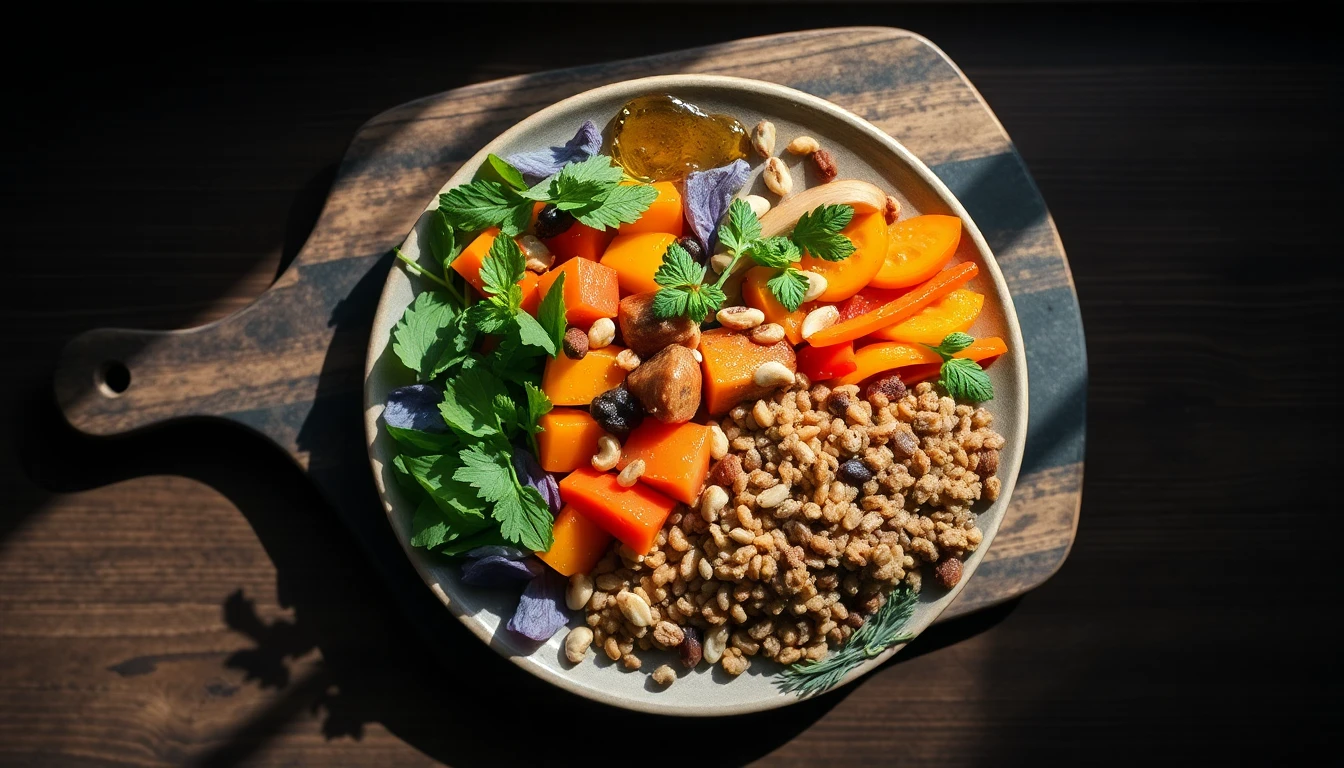
Recipe 4: White Bean and Quinoa Buddha Bowls
These colourful bowls pack 26g protein per serving and are endlessly customisable based on what vegetables you have to hand.
Ingredients (serves 5)
- 200g quinoa — rinsed
- 2 x 400g tins cannellini beans — drained
- 300g cherry tomatoes — halved
- 2 courgettes — diced
- 1 red pepper — chopped
- 200g kale — chopped
- 3 tablespoons tahini
- Juice of 2 lemons
- 2 cloves garlic — minced
- 4 tablespoons nutritional yeast
- Olive oil, salt, pepper
Method
Cook quinoa according to packet instructions. Meanwhile, roast courgettes and pepper with olive oil, salt, and pepper at 200°C for 25 minutes. In the last 10 minutes, add tomatoes to the tray.
Sauté kale with a splash of water until wilted. Warm cannellini beans gently. Make the dressing by whisking tahini, lemon juice, garlic, nutritional yeast, and enough water to achieve a pourable consistency.
Divide quinoa among five containers, top with roasted vegetables, beans, and kale. Pack dressing separately and pour over before eating. Each bowl provides 26g protein, substantial fibre, and costs approximately £1.50 per serving.
Recipe 5: Spiced Tofu and Lentil Cottage Pie
A plant-based twist on the British classic, this cottage pie delivers 30g protein per portion and is perfect for Sunday batch cooking.
Ingredients (serves 6)
- 300g firm tofu — crumbled
- 200g green or brown lentils — cooked
- 2 carrots — diced
- 2 celery sticks — diced
- 1 large onion — diced
- 150g mushrooms — chopped
- 2 tablespoons tomato purée
- 400ml vegetable stock
- 2 tablespoons soy sauce
- 1 teaspoon dried thyme
- 1kg potatoes — for mashing
- 100ml unsweetened soy milk
- 2 tablespoons nutritional yeast
- Olive oil
Method
Boil potatoes until tender, then mash with soy milk, nutritional yeast, salt, and pepper. Set aside. In a large pan, sauté onion, carrots, and celery in olive oil until softened. Add mushrooms and cook for 5 minutes. Stir in crumbled tofu and cook until lightly browned.
Add tomato purée, cooked lentils, stock, soy sauce, and thyme. Simmer for 15 minutes until thickened. Transfer to a large baking dish (or divide among individual dishes for portioning). Top with mashed potato and rough up the surface with a fork.
Bake at 200°C for 25-30 minutes until the top is golden. This freezes brilliantly either before or after baking. Each portion contains 30g protein, plenty of vegetables, and costs around £1.40.
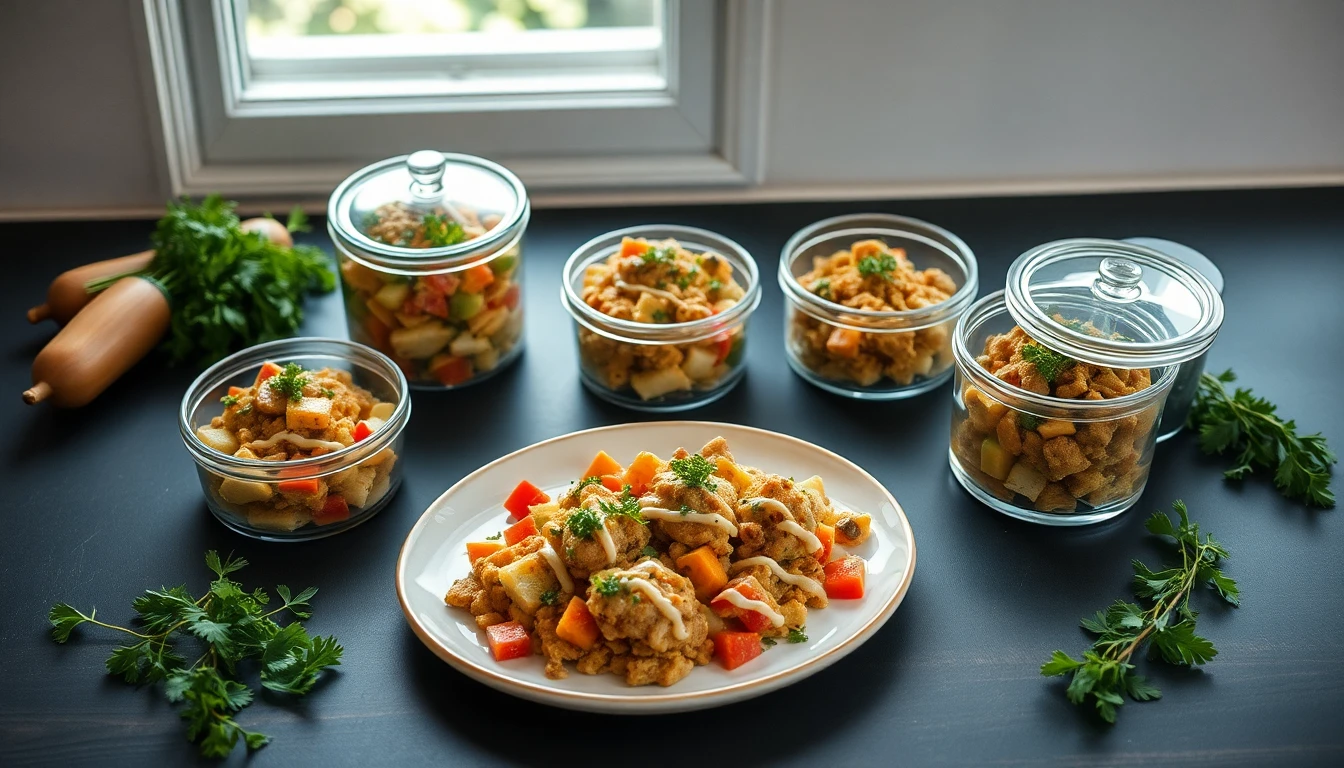
Meal Prep Storage and Reheating Tips
Proper storage ensures your high-protein vegan meal prep stays fresh, safe, and delicious throughout the week.
- Cool completely — allow food to reach room temperature within 2 hours of cooking before refrigerating to prevent bacterial growth
- Use appropriate containers — glass containers are ideal for reheating; BPA-free plastic works well for cold storage
- Label and date — mark containers with contents and date prepared; most cooked dishes keep 4-5 days refrigerated
- Freeze strategically — all five recipes freeze well for up to 3 months; defrost overnight in the fridge
- Reheat thoroughly — ensure food reaches 75°C throughout; add a splash of water to prevent drying
- Keep dressings separate — tahini dressings and sauces stay fresher when stored separately and added before eating
Weekly Meal Prep Routine
Choose two or three recipes from the list above and dedicate 2-3 hours on Sunday to batch cooking. Cook your grains (quinoa, rice) in bulk whilst other dishes simmer. Most of these recipes use similar base ingredients, which reduces your shopping list and food waste.
Portion meals into individual containers immediately so you're not tempted to eat oversized servings. Keep two or three portions in the fridge for the first half of the week and freeze the remainder for later. This approach ensures variety whilst minimising cooking time.
How FreshPlate Simplifies Vegan Meal Planning
Whilst these recipes offer a solid foundation for high-protein vegan meal prep, everyone's nutritional needs differ based on activity levels, health conditions, and medications. Some medications interact with specific nutrients, whilst certain health conditions require careful protein monitoring or potassium restriction.
FreshPlate automatically builds personalised meal plans around your unique requirements, medications, and dietary preferences. Rather than second-guessing whether a recipe fits your needs, the app cross-references your health profile with nutritional data to suggest appropriate portions and alternatives. If you're managing diabetes, taking blood pressure medication, or following guidance from your GP or dietitian, FreshPlate ensures your vegan meal prep supports rather than contradicts your treatment plan.
The app also generates shopping lists organised by supermarket aisle and scales recipes based on household size, taking the mental load out of plant-based nutrition planning. For those juggling health management with busy schedules, this kind of personalised automation makes sustaining a nutritious vegan diet genuinely achievable.
Frequently asked questions
Can you build muscle on a vegan diet?
+
Yes, absolutely. Research published in the British Journal of Nutrition confirms that plant-based diets can support muscle growth when protein intake is adequate and varied. Aim for 1.6-2.2g protein per kilogram of body weight if you're strength training, combining complementary plant proteins throughout the day.
How much protein do vegans need per day?
+
The British Nutrition Foundation recommends 0.75g per kilogram of body weight for most adults, which equates to roughly 45-55g daily for an average person. Active individuals, older adults, and those recovering from illness may need more. Vegan sources are often less bioavailable, so some experts suggest aiming slightly higher, around 1g per kilogram.
What is the cheapest high-protein vegan food in the UK?
+
Dried pulses like lentils, chickpeas, and beans offer the best value, typically costing 50p-£1.50 per kilogram dried and providing 20-25g protein per cooked cup. Tinned varieties are still economical at around 35-50p per tin. Tofu from Aldi or Lidl runs about £1.30 per 400g block with 15-18g protein per 100g.
Do vegan meal prep recipes freeze well?
+
Most vegan stews, curries, chillies, and bakes freeze excellently for up to three months. Cooked grains like quinoa and rice also freeze well. Foods with high water content like cucumber or lettuce don't freeze successfully, so add fresh vegetables and salads when serving rather than before freezing.
How do I get complete protein on a vegan diet?
+
Combine different plant proteins throughout the day to ensure you consume all essential amino acids. Quinoa, soy products (tofu, tempeh, edamame), and nutritional yeast are complete proteins on their own. Pairing grains with legumes (like rice and beans) also creates complete protein profiles.
Sources
Did this answer your question?
Reece reads every reply. Questions we have not covered become new guides.
Enjoyed these? There’s more where they came from.
Get fresh vegan recipes and meal ideas by email — practical, healthy, and built for real weeknights. One genuinely useful email a week — no spam, unsubscribe anytime.
Free forever. You'll also be first in line for the FreshPlate app — with a free trial at launch.