Hyperthyroidism Diet: Foods to Support Recovery
Manage hyperthyroidism and Graves' disease with smart nutrition choices. Learn about iodine moderation, selenium, calcium, and thyroid-friendly foods.

By Reece Douglas · Founder, FreshPlate
Listen to this article
Hyperthyroidism Diet: Foods to Support Recovery
Hyperthyroidism occurs when your thyroid gland produces too much thyroid hormone, speeding up your metabolism and affecting nearly every system in your body. Graves' disease, an autoimmune condition, is the most common cause, though thyroid nodules and inflammation can also trigger the condition. Symptoms often include rapid heartbeat, unexplained weight loss, anxiety, tremors, heat intolerance, and disrupted sleep.
Whilst medication, radioactive iodine therapy, or surgery are the mainstays of treatment, your diet plays a crucial supporting role during recovery. The right nutritional approach can help regulate thyroid hormone production, protect bone health, support cardiovascular function, and reduce oxidic stress. Understanding which foods to moderate and which to prioritise can make a genuine difference to how you feel day-to-day whilst managing this condition.
Understanding the Hyperthyroidism Diet
Unlike hypothyroidism where the thyroid is underactive, hyperthyroidism represents thyroid overdrive. This means your dietary goals are somewhat different. You're not trying to boost thyroid function but rather avoid further stimulation whilst supporting the systems affected by excess thyroid hormone.
The accelerated metabolism characteristic of hyperthyroidism increases your energy expenditure and can lead to unintentional weight loss, muscle wasting, bone density loss, and nutrient depletion. Your diet needs to provide adequate calories and protein to prevent malnutrition, whilst being strategic about specific minerals that directly influence thyroid hormone production.
Three nutritional priorities stand out: moderating iodine intake since iodine is the building block of thyroid hormones, ensuring sufficient selenium and other antioxidants to protect thyroid tissue, and maintaining calcium and vitamin D levels to protect bones weakened by excess thyroid hormone.
Iodine Moderation: The Central Consideration
Iodine is essential for thyroid hormone production, which is precisely why people with hyperthyroidism need to be mindful of excessive intake. Whilst you shouldn't eliminate iodine entirely, avoiding concentrated sources can prevent further stimulation of an already overactive gland.
The UK diet typically provides adequate iodine through dairy products and fish, so deficiency is uncommon. However, certain foods and supplements contain exceptionally high levels that may worsen hyperthyroidism.
- Seaweed and kelp — can contain thousands of times the recommended daily iodine intake in a single serving; avoid nori, kombu, wakame, and spirulina supplements
- Iodised salt — whilst table salt in the UK is not routinely iodised, check labels on specialty salts and seasoning blends
- Fish roe and shellfish — particularly high in iodine; consume occasionally rather than regularly
- Iodine-containing supplements — multivitamins, kelp tablets, and thyroid support formulas often contain concentrated iodine
- Certain medications — amiodarone and some cough syrups contain high iodine levels; discuss with your GP or pharmacist
Foods with Moderate Iodine Levels
Most everyday foods contain safe, moderate amounts of iodine that won't significantly worsen hyperthyroidism. You needn't avoid dairy, eggs, or ocean fish entirely, but being aware of portion sizes helps you maintain balance without unnecessary restriction.
Cruciferous Vegetables: Natural Thyroid Modulators
Cruciferous vegetables contain compounds called goitrogens, which can interfere with thyroid hormone production. Whilst this is a concern for people with hypothyroidism, it may actually offer a modest benefit for those with hyperthyroidism by providing a gentle, natural brake on thyroid activity.
Research suggests that moderate consumption of these vegetables is safe and potentially helpful, though they're certainly not a replacement for medical treatment. Cooking reduces goitrogen activity by about 30%, so lightly steamed or roasted preparations offer a middle ground.
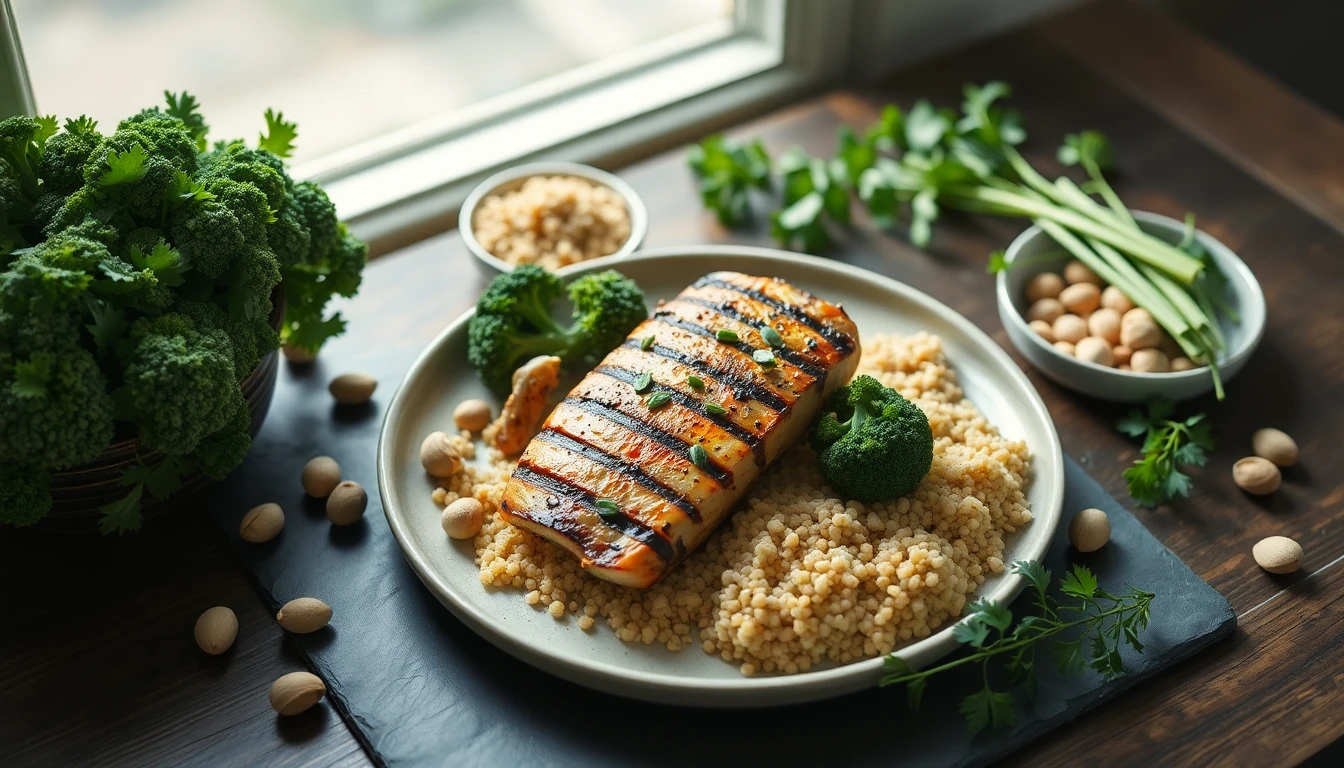
- Broccoli — excellent source of calcium and vitamin C; steam lightly to preserve nutrients
- Cauliflower — versatile vegetable rich in antioxidants and fibre
- Kale and cabbage — nutrient-dense greens providing vitamins K, A, and C
- Brussels sprouts — high in fibre and compounds that support liver detoxification
- Bok choy and pak choi — Asian greens with good calcium content
- Rocket and watercress — peppery salad leaves with anti-inflammatory properties
How Much Is Beneficial?
There's no specific prescription for cruciferous vegetable intake with hyperthyroidism, but including 1-2 portions daily as part of a varied diet appears safe and beneficial. The goitrogenic effect is relatively mild and unlikely to interfere with medication, but if you're consuming these vegetables in large quantities (for example, daily green smoothies with raw kale), mention this to your endocrinologist.
Selenium and Antioxidant Support
Selenium plays a critical role in thyroid hormone metabolism and protects the thyroid gland from oxidative damage. The thyroid contains more selenium per gram of tissue than any other organ, and studies suggest adequate selenium intake may help reduce thyroid antibodies in Graves' disease and support overall thyroid health.
The UK selenium intake has declined over recent decades as we import more grain from selenium-poor regions. Ensuring adequate intake through food is particularly important for thyroid conditions.
- Brazil nuts — exceptionally rich source; just 2-3 nuts daily provides adequate selenium (don't exceed this as too much selenium is harmful)
- Fish and seafood — particularly tuna, sardines, and prawns provide selenium alongside omega-3 fats
- Chicken and turkey — good sources of selenium and high-quality protein to prevent muscle loss
- Eggs — contain selenium in the yolk along with protein and choline
- Sunflower seeds — plant-based selenium source that also provides vitamin E
- Mushrooms — especially cremini and shiitake varieties offer selenium and vitamin D
Other Important Antioxidants
Beyond selenium, vitamins C and E, zinc, and various plant polyphenols help counter oxidative stress associated with hyperthyroidism. Colourful fruits and vegetables, nuts, seeds, and green tea provide these protective compounds. A varied, plant-rich diet naturally delivers a spectrum of antioxidants without need for high-dose supplements, which may interfere with certain medications.
Calcium, Vitamin D, and Bone Protection
Excess thyroid hormone accelerates bone turnover, leading to decreased bone density and increased fracture risk, particularly in postmenopausal women. This makes calcium and vitamin D intake crucial during active hyperthyroidism and throughout recovery.
The NHS recommends 700mg of calcium daily for adults, but those with hyperthyroidism may benefit from higher intakes, especially if taking certain medications. Vitamin D is essential for calcium absorption and bone health, yet deficiency is common in the UK due to limited sunlight exposure.
- Dairy products — milk, yoghurt, and cheese provide calcium and vitamin D (if fortified); choose full-fat versions if struggling with weight loss
- Tinned fish with bones — sardines and salmon provide both calcium and vitamin D
- Fortified plant milks — almond, soya, and oat drinks often contain added calcium and vitamin D; shake well before pouring
- Leafy greens — whilst lower in bioavailable calcium, broccoli, kale, and bok choy contribute meaningful amounts
- Tofu set with calcium — check labels as only certain preparations provide significant calcium
- Almonds and tahini — plant-based calcium sources that also provide healthy fats and protein
Vitamin D Optimisation
Food sources alone rarely provide sufficient vitamin D, particularly in the UK. The NHS advises everyone to consider a daily supplement of 10 micrograms (400 IU) during autumn and winter months, and those with hyperthyroidism may benefit from year-round supplementation. Ask your GP to check your vitamin D levels, as therapeutic doses may be needed if you're deficient. Safe sun exposure during summer months (10-15 minutes on arms and legs without burning) helps your body produce vitamin D naturally.
Supporting Your Body During Treatment
Hyperthyroidism increases your calorie and protein requirements due to elevated metabolism. Many people experience significant unintentional weight loss, muscle wasting, and fatigue. Whilst treatment will eventually normalise your metabolism, strategic eating during the active phase helps prevent malnutrition and supports recovery.
Focus on nutrient-dense, calorie-rich foods rather than empty calories. Frequent, smaller meals may be better tolerated than three large ones, particularly if you're experiencing digestive symptoms or anxiety.
- Adequate protein — aim for at least 1.2-1.5g per kilogram of body weight to preserve muscle; include fish, poultry, eggs, legumes, and dairy
- Healthy fats — nuts, seeds, avocados, olive oil, and oily fish provide concentrated calories and anti-inflammatory omega-3s
- Complex carbohydrates — wholegrains, sweet potatoes, and oats provide sustained energy and B vitamins
- Regular meals — eating every 3-4 hours helps maintain energy and prevents excessive weight loss
- Hydration — increased metabolism and potential diarrhoea raise fluid needs; aim for 2-2.5 litres daily
Foods and Habits to Limit
Certain substances can worsen hyperthyroid symptoms or interfere with medication absorption. Caffeine may exacerbate heart palpitations, tremors, and anxiety. If taking carbimazole or propylthiouracil, consistent timing of meals relative to medication helps maintain stable blood levels. Alcohol can affect liver function and interfere with medication metabolism, so moderation is wise.
How FreshPlate Supports Your Hyperthyroidism Diet
Managing hyperthyroidism means keeping a lot of food questions in your head at once. FreshPlate aims to take some of that weight off: for medical conditions it steers rather than prescribes, so recipes lean towards what public UK guidance (NHS, BDA) says suits the condition. The app never claims to treat, prevent or cure anything.
If you take medication, your recipes are built around your own medication list. You add each medicine by its brand or generic name from the NHS's own medicines list, and the app reads it by its active ingredient. On the For you tab of every recipe, your medicines are listed. For those the interaction checker has quoted on food, you will see the NHS or US FDA words about food, word for word, with a link to the checker page. For the rest, it says there is no advice on file yet and points you to your pharmacist.
Each recipe also explains itself. The For you tab shows what was actually checked for you, such as allergens, diet and religious rules, with anything the app cannot verify only ever noted, never ticked. It gives a line on why the recipe suits your goal and conditions, and says whether it fits what is left of your day. The Progress tab then shows how your day is going, why, and what to do next, with a "How we worked this out" tap behind every number.
Frequently asked questions
What foods should I avoid with hyperthyroidism?
+
Limit high-iodine foods including seaweed, kelp, iodised salt, and excessive amounts of shellfish. Also moderate caffeine as it can worsen symptoms like tremors and palpitations. Most everyday foods are fine in normal portions.
Can diet cure hyperthyroidism?
+
No, diet alone cannot cure hyperthyroidism. Medical treatment with antithyroid drugs, radioactive iodine, or surgery is necessary. However, strategic nutrition choices support recovery, ease symptoms, and protect bone and heart health during treatment.
Are cruciferous vegetables good for hyperthyroidism?
+
Yes, cruciferous vegetables like broccoli, cauliflower, and kale may offer modest benefits for hyperthyroidism due to their natural goitrogenic compounds that slightly reduce thyroid activity. Include 1-2 portions daily as part of a balanced diet.
How much selenium should I take for Graves' disease?
+
Aim for 55-75 micrograms daily from food sources. Two to three Brazil nuts daily typically provide adequate selenium. Avoid high-dose supplements unless recommended by your doctor, as excessive selenium can be harmful.
Why is calcium important with hyperthyroidism?
+
Excess thyroid hormone accelerates bone turnover and increases fracture risk. Adequate calcium (700-1000mg daily) and vitamin D help protect bone density during active hyperthyroidism and throughout recovery.
Sources
Did this answer your question?
Reece reads every reply. Questions we have not covered become new guides.
Support your recovery with every meal.
Get our free thyroid recovery guide by email — iodine-smart food lists, the best selenium and calcium sources, and a week of thyroid-friendly meal ideas. One genuinely useful email a week — no spam, unsubscribe anytime.
Free forever. You'll also be first in line for the FreshPlate app — with a free trial at launch.