Quinoa Protein Content: Complete Amino Acids & UK Recipes
Discover quinoa's complete protein profile, how it compares to other grains, and three high-protein quinoa bowl recipes using UK ingredients.

By Reece Douglas · Founder, FreshPlate
Listen to this article
Quinoa Protein Content: Complete Amino Acids & UK Recipes
If you've wandered down the grain aisle recently, you've probably noticed quinoa's rise from health food curiosity to mainstream staple. But beyond the trendy reputation lies genuinely impressive nutrition science: quinoa is one of the rare plant foods that provides complete protein with all nine essential amino acids your body cannot manufacture on its own.
Understanding quinoa protein content matters especially if you're building meals around dietary restrictions, managing conditions that affect protein needs, or simply trying to eat more plant-based foods. In this guide, we'll examine exactly what makes quinoa's amino acid profile special, how its protein quality compares to other grains and plant sources, and share three practical high-protein quinoa bowl recipes designed around ingredients you'll find in UK supermarkets.
Understanding Quinoa Protein Content and Quality
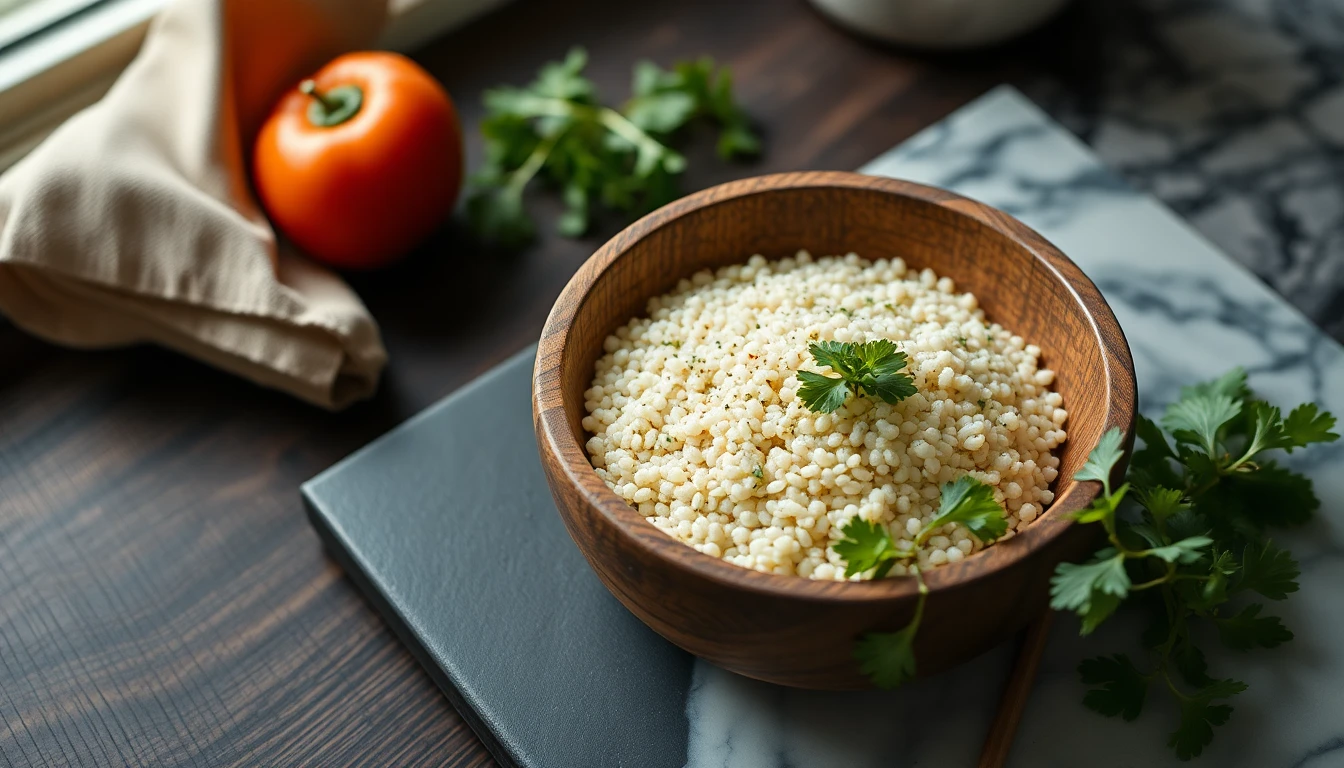
Quinoa (technically a seed, though we cook it like a grain) contains approximately 4.4 grams of protein per 100 grams of cooked quinoa, or about 8 grams per cooked cup. Whilst that's roughly double what you'd get from cooked white rice, the real story isn't just quantity—it's quality.
Protein quality depends on amino acid composition. Your body needs twenty different amino acids to build and repair tissues, produce enzymes, and maintain immune function. Nine of these are 'essential' because you must obtain them from food. Most plant proteins are incomplete, meaning they're low in one or more essential amino acids. Quinoa breaks this rule.
The Complete Amino Acid Profile
Quinoa contains adequate amounts of all nine essential amino acids, earning its status as a complete protein. This places it in rare company among plant foods—most other complete plant proteins are soy-based or require combining different foods together, as explained in complete protein vegan combinations.
- Lysine — often lacking in grains, but present at 0.24g per 100g cooked quinoa; essential for calcium absorption and collagen formation
- Leucine — key for muscle protein synthesis and recovery, at 0.26g per 100g
- Methionine — typically the limiting amino acid in pulses, quinoa provides 0.08g per 100g
- Tryptophan — precursor to serotonin, important for mood regulation and sleep
- Threonine, valine, isoleucine, phenylalanine, histidine — all present in amounts that meet FAO/WHO reference patterns for adult requirements
Protein Digestibility and Bioavailability
Raw nutritional numbers only tell part of the story. Protein digestibility-corrected amino acid score (PDCAAS) measures both amino acid profile and how well your body can actually digest and use that protein. Quinoa scores between 0.70 and 0.85 depending on variety—lower than animal proteins (typically 0.90-1.0) but higher than most other grains.
Quinoa contains compounds called saponins in its outer coating that can interfere with protein absorption, but thorough rinsing before cooking removes most of these. Pre-rinsed quinoa, now standard in UK supermarkets, has already undergone this process.
How Quinoa Protein Compares to Other Sources
Context matters when evaluating any single food. Here's how quinoa stacks up against other common protein sources, both plant and animal-based, using standard serving sizes you'd actually eat.
- Cooked quinoa (185g cup) — 8g protein, complete amino acid profile, 222 calories
- Cooked brown rice (195g cup) — 5g protein, deficient in lysine and threonine, 248 calories
- Cooked lentils (200g cup) — 18g protein, low in methionine but high in lysine, 230 calories
- Cooked chickpeas (164g cup) — 15g protein, low in methionine, 269 calories
- Oats, dry (40g serving) — 5g protein, low in lysine, 152 calories
- Chicken breast, cooked (100g) — 31g protein, complete, 165 calories
- Salmon, cooked (100g) — 25g protein, complete, 206 calories
- Firm tofu (100g) — 8g protein, complete, 76 calories
Practical Implications for Your Diet
Quinoa sits in an interesting middle ground: it won't match pulses or animal proteins for raw protein content per serving, but it provides complete protein in a form that works as a satisfying base grain. This makes it particularly useful when building balanced vegetarian or vegan meals where you want your 'carbohydrate' component to also contribute quality protein.
For those managing specific health conditions, quinoa's nutritional density extends beyond protein. It provides good amounts of magnesium, iron, B vitamins, and fibre—nutrients that matter for blood sugar control and general wellbeing. Unlike many protein-rich foods, it's also naturally gluten-free, making it suitable for coeliac disease management.
Cooking Methods That Preserve Quinoa Protein
Cooking method affects both the final protein content per serving and how much of that protein remains bioavailable. Quinoa is relatively forgiving, but a few techniques optimise results.
The Absorption Method
This standard stovetop approach gives you the most control. Use a 1:2 ratio of quinoa to water or stock. Rinse 100g quinoa thoroughly in a fine-mesh sieve, add to a saucepan with 200ml liquid and a pinch of salt, bring to the boil, reduce to a gentle simmer, cover, and cook for 15 minutes. Remove from heat and let stand covered for 5 minutes, then fluff with a fork.
- Protein per serving — remains stable at approximately 4.4g per 100g cooked
- Texture — light and fluffy with distinct grains
- Best for — grain bowls, salads, meal prep batches
Toasting Before Cooking
Toasting rinsed, drained quinoa in a dry pan for 3-4 minutes before adding liquid enhances nutty flavour without affecting protein content. The Maillard reaction that creates these flavours occurs between amino acids and sugars, but protein quantity remains unchanged. Some research suggests gentle heating may actually improve protein digestibility by denaturing anti-nutritional factors.
Batch Cooking and Freezing
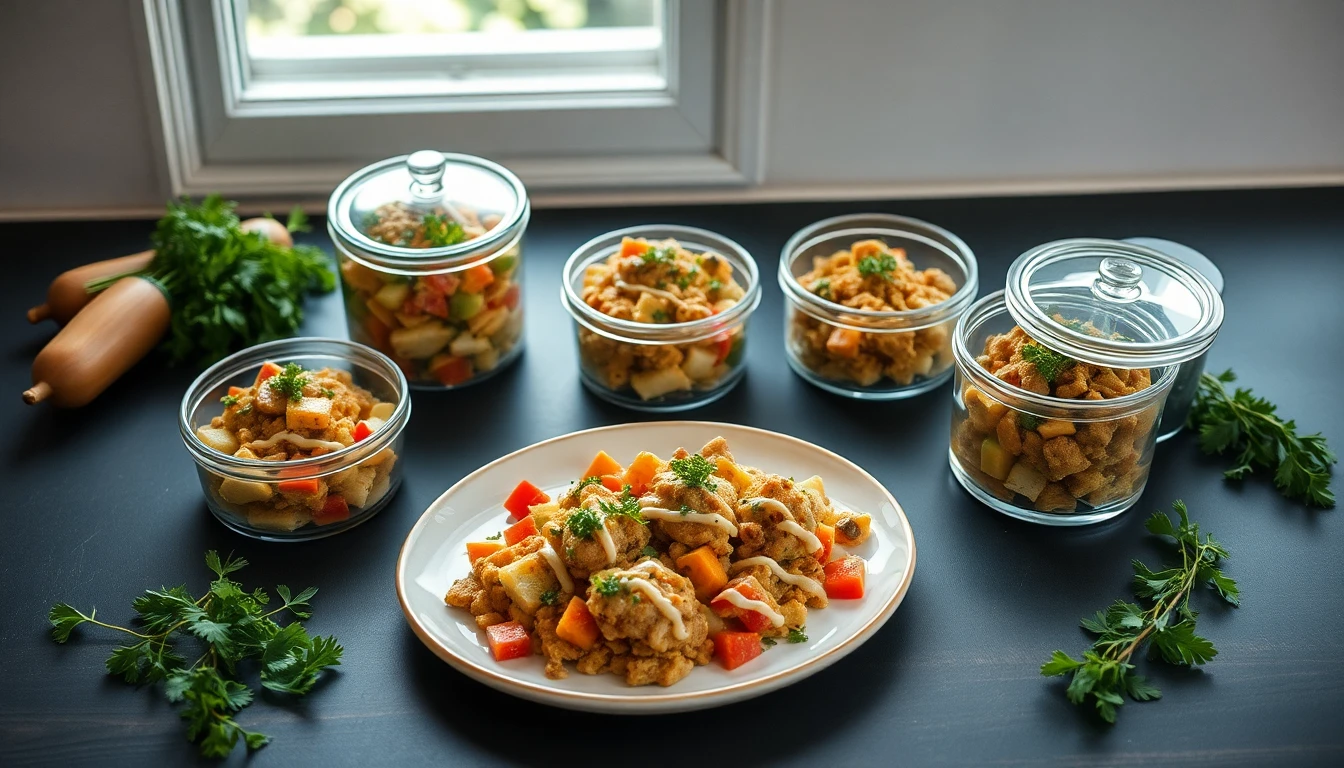
Cooked quinoa freezes remarkably well for up to three months with minimal protein degradation. Spread cooled quinoa on a baking tray, freeze until solid, then transfer to freezer bags. This prevents clumping and allows you to portion exactly what you need. Frozen quinoa thaws quickly in the microwave or can be added directly to soups and stews. If you're interested in broader batch cooking and freezer meals strategies, the same principles apply.
Three High-Protein Quinoa Bowl Recipes for UK Kitchens
These recipes combine quinoa's complete protein with complementary ingredients readily available in UK supermarkets. Each bowl delivers 25-30g protein per serving—enough to support muscle maintenance, satiety, and recovery for most adults.
Mediterranean Quinoa Bowl with Halloumi
This bowl brings together quinoa's plant protein with halloumi's substantial 24g protein per 100g serving. The combination creates a satisfying meal that covers all essential amino acids whilst providing healthy fats from olive oil and tahini.
- Base — 150g cooked quinoa (6.6g protein)
- Protein — 80g grilled halloumi cheese, sliced (19g protein)
- Vegetables — cherry tomatoes, cucumber, red onion, roasted red peppers
- Greens — 40g rocket or spinach
- Dressing — 1 tbsp tahini mixed with lemon juice, garlic, and water (1.5g protein)
- Toppings — 15g pumpkin seeds (3g protein), fresh mint, za'atar seasoning
- Total protein — approximately 30g per bowl
British Autumn Bowl with Smoked Mackerel
Smoked mackerel offers excellent protein (around 19g per 100g) plus omega-3 fatty acids. This bowl celebrates seasonal UK produce whilst delivering substantial nutrition. The combination of quinoa and oily fish provides both complete protein and anti-inflammatory fats, relevant for those following anti-inflammatory foods guidance.
- Base — 150g cooked quinoa (6.6g protein)
- Protein — 100g smoked mackerel fillet, flaked (19g protein)
- Vegetables — roasted beetroot, steamed tenderstem broccoli, grated carrot
- Greens — 40g watercress
- Dressing — 2 tbsp natural yoghurt mixed with horseradish and dill (1.5g protein)
- Toppings — 10g chopped walnuts (1.5g protein), fresh dill
- Total protein — approximately 29g per bowl
Vegan Power Bowl with Spiced Chickpeas
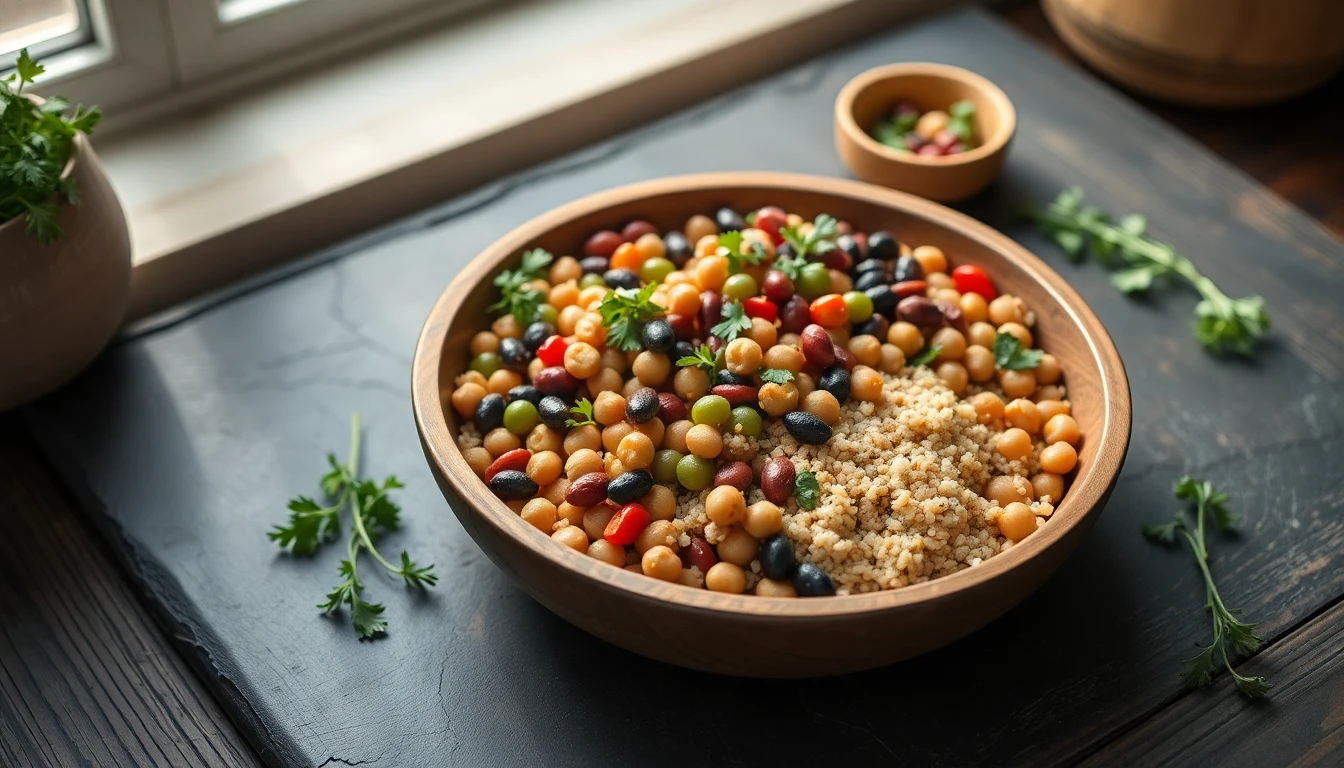
This entirely plant-based bowl combines quinoa with chickpeas—both excellent protein sources that, together, provide a robust amino acid profile. Whilst each is technically complete on its own, combining them ensures abundant amounts of all essential amino acids.
- Base — 150g cooked quinoa (6.6g protein)
- Protein — 130g cooked chickpeas, roasted with cumin and paprika (12g protein)
- Vegetables — roasted sweet potato, red cabbage slaw, pickled red onions
- Greens — 40g kale, massaged with lemon juice
- Dressing — 2 tbsp hummus thinned with lemon juice (2g protein)
- Toppings — 20g mixed seeds (sunflower, pumpkin, sesame) (4g protein), fresh coriander
- Optional boost — 15g nutritional yeast for extra B vitamins and 2g additional protein
- Total protein — approximately 27g per bowl (29g with nutritional yeast)
Quinoa Protein for Specific Dietary Needs
Quinoa's nutritional profile makes it particularly useful for several common dietary situations. Understanding these applications helps you make informed decisions about whether to prioritise quinoa in your meal planning.
Vegetarian and Vegan Diets
The complete amino acid profile addresses one of the main nutritional challenges in plant-based eating. Whilst it's perfectly possible to meet all amino acid needs by eating varied plant proteins throughout the day, quinoa provides insurance in a single food. This matters especially for those new to plant-based eating or anyone with increased protein requirements from illness, injury, or athletic training.
Gluten-Free Requirements
Many traditional grain-based protein sources (seitan, barley, wheat berries) are off-limits for those with coeliac disease or gluten sensitivity. Quinoa fills this gap naturally, providing a grain-like base that's safe for gluten-free diets whilst delivering more protein than rice or gluten-free pasta.
Blood Sugar Management
Quinoa has a lower glycaemic index (53) than white rice (73) or white bread (75), partly due to its protein and fibre content. Both nutrients slow digestion and help moderate the glucose response. The combination of complete protein and low GI makes quinoa a sensible choice when building meals for stable blood sugar, though it should still be portion-controlled and combined with non-starchy vegetables and healthy fats.
Medication Considerations
Unlike some protein-rich foods, quinoa presents minimal medication interaction concerns. It contains moderate potassium (172mg per cooked cup), which is worth noting if you're on medications that affect potassium levels, but it's not a particularly high-potassium food compared to potatoes or bananas. It's also low in vitamin K, so it doesn't interfere with warfarin the way leafy greens might. Always check with your pharmacist about specific concerns related to your medications.
How FreshPlate Works With Quinoa in Your Meals
Working out which foods fit your health conditions, medications and goals takes time and know-how. FreshPlate takes some of that weight off: every recipe it generates is built around your own medication list, and each one has a For you tab that shows what was actually checked for you, why the recipe suits your goal and conditions, and whether it fits what is left of your day.
If quinoa is on your table, the app helps in practical ways. Onboarding asks about cultural and religious food preferences, such as halal, kosher, Caribbean or South Asian, and recipes respect them. Fatal allergens are treated with zero tolerance: the recipe brief forbids them with expanded aliases, and a keyword filter checks every title and ingredient again after the recipe is generated. Recipes you keep go onto a shopping list, so the quinoa and everything to go with it is ready for your next shop.
If you make your own quinoa bake or batch of burgers, Cook on the Meals tab can measure it from its ingredient lines in one go, per 100 g with a real serving size. It keeps the food in your kitchen with a photo, and from then on you can log a slice or a portion in one tap. You can also log meals by photo, barcode or search, and a pack no database knows is read off its own label on your phone, with the ingredients checked against your allergens and food rules. That leaves you free to cook and enjoy your food.
Frequently asked questions
How much protein is in 100g of cooked quinoa?
+
Cooked quinoa contains approximately 4.4 grams of protein per 100 grams. This increases to about 8 grams per standard cooked cup (185g). Unlike most plant proteins, quinoa provides all nine essential amino acids your body cannot produce on its own.
Is quinoa really a complete protein?
+
Yes, quinoa is one of the few plant foods that contains adequate amounts of all nine essential amino acids, making it a complete protein. It's particularly notable for providing lysine, which is often limited in grain-based foods.
Should I rinse quinoa before cooking?
+
Yes, rinsing quinoa removes saponins—natural compounds that can taste bitter and may slightly reduce protein digestibility. Most quinoa sold in UK supermarkets is pre-rinsed, but a quick rinse in a fine-mesh sieve provides extra assurance and improves flavour.
Can I eat quinoa every day?
+
Quinoa can be safely eaten daily as part of a varied diet. Its complete protein, fibre, vitamins, and minerals make it a nutritious choice. However, dietary variety remains important—rotating between quinoa, other whole grains, and diverse protein sources ensures you get the full spectrum of nutrients your body needs.
Is quinoa better than rice for protein?
+
Quinoa contains roughly double the protein of white rice (4.4g vs 2.7g per 100g cooked) and provides complete protein with all essential amino acids, whereas rice is deficient in lysine and threonine. However, rice can still play a valuable role in a balanced diet, particularly when combined with pulses or other protein sources.
Sources
Did this answer your question?
Reece reads every reply. Questions we have not covered become new guides.
Enjoyed these? There’s more where they came from.
Get fresh quinoa recipes and meal ideas by email — practical, healthy, and built for real weeknights. One genuinely useful email a week — no spam, unsubscribe anytime.
Free forever. You'll also be first in line for the FreshPlate app — with a free trial at launch.