Restless Leg Syndrome Diet: Nutrient Deficiencies & Foods
Learn how iron, magnesium, and folate deficiencies affect restless leg syndrome. Discover which foods to eat, avoid, and when to time meals for better sleep.

By Reece Douglas · Founder, FreshPlate

Listen to this article
Restless Leg Syndrome Diet: Nutrient Deficiencies & Foods
If you've ever experienced that irresistible urge to move your legs just as you're settling down for the night, you know how frustrating restless leg syndrome (RLS) can be. The creeping, crawling, or tingling sensations that worsen during rest can seriously disrupt sleep and quality of life. While RLS affects up to 10% of the UK population, many people don't realise that what they eat—or don't eat—can play a significant role in managing symptoms.
Research has established clear links between certain nutrient deficiencies and RLS severity. Iron deficiency is perhaps the most well-documented connection, but magnesium and folate levels matter too. The good news is that targeted dietary changes can help address these deficiencies and may reduce symptom frequency and intensity. In this guide, we'll explore the nutritional science behind restless leg syndrome and provide practical strategies for building a diet that supports better sleep and fewer nighttime disruptions.
The Iron Connection: Why It Matters for Restless Leg Syndrome
Iron deficiency stands out as the most significant nutritional factor in restless leg syndrome. Even when blood iron levels appear normal, studies have found that people with RLS often have reduced iron stores in the brain, particularly in regions responsible for motor control and dopamine regulation. This matters because dopamine dysfunction is central to RLS pathophysiology.
The challenge is that standard blood tests measuring haemoglobin might not reveal the full picture. Ferritin, which indicates iron storage levels, is often a better marker for RLS risk. Research suggests that ferritin levels below 75 micrograms per litre may worsen RLS symptoms, even though this falls within the 'normal' range for general health.
Best Iron-Rich Foods for RLS
Not all dietary iron is created equal. Haem iron from animal sources is absorbed far more efficiently than non-haem iron from plant foods—typically 15-35% absorption compared to 2-20%. For those managing RLS, this difference matters.
- Beef liver — the most concentrated source, providing over 5mg per 100g serving, though strong in flavour
- Lean red meat — grass-fed beef and lamb offer highly bioavailable haem iron alongside protein
- Oysters and mussels — exceptionally rich in iron, with oysters providing around 6mg per six oysters
- Sardines — convenient tinned option offering iron plus omega-3 fatty acids
- Dark poultry meat — chicken and turkey thighs contain more iron than breast meat
- Fortified breakfast cereals — many UK brands are fortified with iron, though check sugar content
- Spinach and Swiss chard — plant sources that work best when paired with vitamin C
- Lentils and chickpeas — budget-friendly options providing around 3-4mg per cooked cup
Maximising Iron Absorption
Simply eating iron-rich foods isn't enough; absorption is equally important. Several dietary factors can either enhance or inhibit how much iron your body actually takes in.
- Vitamin C pairing — add citrus fruits, peppers, or tomatoes to iron-rich meals to boost absorption by up to 300%
- Avoid tea and coffee with meals — tannins in these beverages can reduce iron absorption by up to 60%
- Separate calcium-rich foods — calcium competes with iron for absorption, so don't combine dairy with your iron sources
- Cook in cast iron — this can add small amounts of iron to acidic foods like tomato sauce
- Soak and sprout legumes — reduces phytates that inhibit iron absorption from plant foods
Magnesium and Restless Leg Syndrome: The Relaxation Mineral
Magnesium deficiency is increasingly recognised as a contributor to RLS symptoms. This essential mineral plays crucial roles in muscle relaxation, nerve function, and sleep regulation—all areas that affect restless leg syndrome. Low magnesium levels can increase nerve excitability and muscle tension, potentially triggering or worsening the characteristic sensations of RLS.
UK dietary surveys consistently show that many adults fall short of the recommended 300mg daily intake for women and 270mg for men. Stress, alcohol consumption, and certain medications can further deplete magnesium stores, creating a perfect storm for RLS symptoms.
- Pumpkin seeds — just 30g provides nearly half your daily magnesium requirement
- Almonds and cashews — convenient snacks offering 70-80mg per handful
- Dark leafy greens — spinach, kale, and Swiss chard are excellent sources when cooked
- Black beans and kidney beans — legumes provide magnesium alongside fibre and protein
- Avocado — a medium avocado offers about 60mg plus healthy fats
- Dark chocolate — 70% cocoa or higher provides magnesium as a pleasant bonus (in moderation)
- Mackerel and salmon — oily fish deliver magnesium along with omega-3s
- Whole grains — brown rice, quinoa, and whole wheat contain significantly more magnesium than refined grains
Should You Consider Magnesium Supplements?
While food sources are always preferable, some people with RLS may benefit from magnesium supplementation under medical guidance. Magnesium glycinate or citrate forms are generally better absorbed and less likely to cause digestive upset than magnesium oxide. However, always consult your GP before starting supplements, particularly if you have kidney problems or take medications, as magnesium can interact with certain drugs including some antibiotics and blood pressure medications.
Folate Deficiency and Other B Vitamins in RLS Management
Folate (vitamin B9) deficiency has been linked to restless leg syndrome, though the research is less extensive than for iron. Folate plays important roles in red blood cell formation, nervous system function, and DNA synthesis. Low folate levels may worsen RLS symptoms, particularly in pregnancy when both folate requirements and RLS prevalence increase.
Other B vitamins, particularly B12, also deserve attention. B12 deficiency can cause neurological symptoms that may overlap with or exacerbate RLS. This is especially relevant for people following plant-based diets, those over 50, or anyone taking metformin or proton pump inhibitors, all of which can affect B12 absorption.
- Dark leafy greens — spinach, kale, and romaine lettuce provide natural folate
- Broccoli and Brussels sprouts — cruciferous vegetables are folate-rich when lightly cooked
- Lentils and black-eyed peas — legumes offer substantial folate alongside iron
- Asparagus — just four spears provide about 90mcg of folate
- Fortified foods — many UK breakfast cereals and breads are fortified with folic acid
- Eggs — one of few animal sources of folate, concentrated in the yolk
- Citrus fruits — oranges and grapefruit provide folate plus vitamin C
- Beef liver — extremely rich in both folate and B12, though an acquired taste
Foods and Drinks to Limit or Avoid with Restless Leg Syndrome
Just as important as what you should eat is understanding which foods and beverages may trigger or worsen RLS symptoms. Individual responses vary, but certain dietary factors consistently appear in RLS research and patient reports.
Caffeine: A Major RLS Trigger
Caffeine is perhaps the most commonly reported dietary trigger for restless leg syndrome. As a stimulant that affects dopamine pathways and increases nervous system arousal, caffeine can intensify the sensations and urge to move that characterise RLS. This includes coffee, tea, energy drinks, and even chocolate in large amounts.
If you're not ready to eliminate caffeine entirely, try restricting it to morning hours only and noting whether your symptoms improve. Some people find that even a small afternoon coffee can trigger nighttime RLS.
Alcohol and RLS Symptoms
Whilst alcohol might initially seem relaxing, it frequently worsens RLS symptoms later in the night. Alcohol disrupts sleep architecture, depletes magnesium and B vitamins, and can interfere with iron absorption. Many people with RLS report that even one or two drinks in the evening lead to more severe symptoms during the night.
Sugar and Refined Carbohydrates
High-sugar foods and refined carbohydrates can cause blood sugar spikes and crashes that may trigger RLS symptoms in some individuals. The resulting energy fluctuations and potential effects on neurotransmitter balance could contribute to symptom severity. Focus on complex carbohydrates paired with protein and healthy fats for more stable blood sugar levels.
Processed Foods and Additives
Some people with RLS report sensitivity to certain food additives, particularly monosodium glutamate (MSG) and artificial sweeteners, though rigorous research is limited. Processed foods also tend to be lower in the key nutrients needed for RLS management. Prioritising whole foods naturally addresses both concerns.
Meal Timing and Restless Leg Syndrome Diet Strategies
When you eat may matter as much as what you eat for managing RLS symptoms. Strategic meal timing can help optimise nutrient absorption and minimise nighttime disruptions.
- Don't eat too close to bedtime — finish your evening meal at least 2-3 hours before sleep to allow for digestion
- Include protein at dinner — adequate protein supports dopamine production and may help stabilise symptoms
- Front-load iron intake — absorption is often better earlier in the day, so prioritise iron-rich foods at breakfast or lunch
- Keep dinner moderate in size — very large meals can disrupt sleep and potentially worsen RLS
- Stay hydrated throughout the day — but reduce fluids 1-2 hours before bed to minimise sleep disruption
- Consider a small magnesium-rich snack — some people find that a handful of almonds or pumpkin seeds in early evening helps with nighttime relaxation
Sample Daily Eating Pattern for RLS
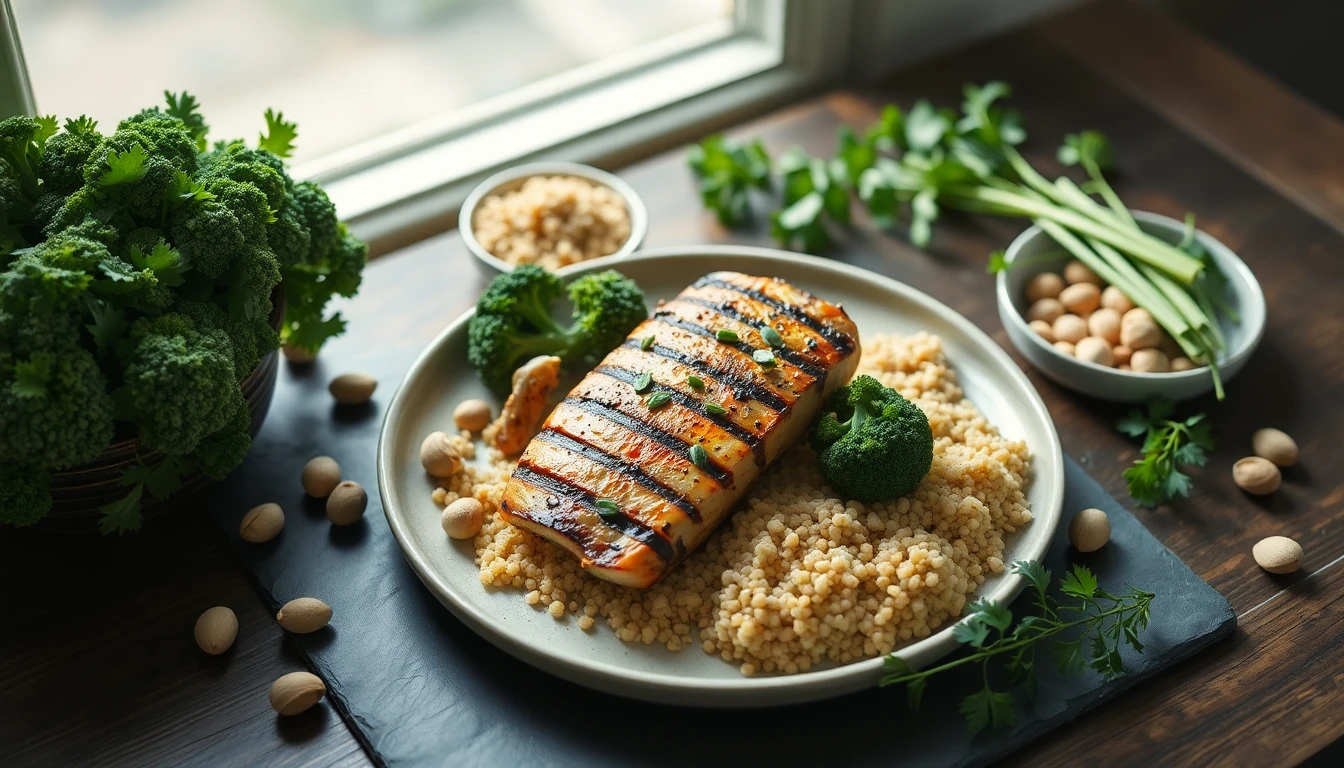
A practical approach might include an iron-rich breakfast such as fortified porridge with berries and pumpkin seeds, a lunch featuring lean meat or fish with dark leafy greens, and a moderate dinner with magnesium-rich foods like salmon with quinoa and steamed broccoli. This pattern ensures good nutrient distribution without overloading your system close to bedtime.
How FreshPlate Supports Your Restless Leg Syndrome Diet
Managing restless leg syndrome through diet requires careful attention to multiple nutrients, potential triggers, and meal timing—which can feel overwhelming when you're already sleep-deprived. This is precisely where FreshPlate can make a meaningful difference in your daily routine.
Our app automatically builds personalised meal plans that prioritise iron, magnesium, and folate-rich foods whilst helping you identify and avoid potential triggers. Simply input your RLS diagnosis and any relevant medications, and FreshPlate generates recipes designed around your specific nutritional needs. The platform tracks your intake of key nutrients, suggests optimal meal timing based on your schedule, and even flags potential absorption inhibitors when you log meals.
Whether you're managing iron deficiency anaemia alongside RLS, following a plant-based diet, or juggling multiple health conditions, FreshPlate adapts your nutrition plan to address all your requirements simultaneously. It's like having a nutrition-savvy friend who remembers all the details you might forget when you're tired—helping you build sustainable eating habits that support better sleep and fewer restless nights.
Frequently asked questions
What is the best diet for restless leg syndrome?
+
The best diet for RLS focuses on addressing nutrient deficiencies, particularly iron, magnesium, and folate. Prioritise lean meats, dark leafy greens, legumes, nuts, seeds, and whole grains whilst limiting caffeine and alcohol. Meal timing also matters—finish eating 2-3 hours before bed for optimal results.
Can low iron cause restless leg syndrome?
+
Yes, iron deficiency is strongly linked to RLS. Even when blood haemoglobin is normal, low brain iron stores can worsen symptoms. Studies suggest maintaining ferritin levels above 75 micrograms per litre may help reduce RLS severity. Consult your GP about testing and appropriate supplementation.
Does magnesium help with restless legs?
+
Magnesium can help with RLS for some people, particularly those with low magnesium levels. This mineral supports muscle relaxation and nerve function. Include magnesium-rich foods like pumpkin seeds, almonds, dark leafy greens, and oily fish. Supplements may help but should be discussed with your doctor first.
What foods make restless leg syndrome worse?
+
Caffeine and alcohol are the most commonly reported RLS triggers. High-sugar foods, refined carbohydrates, and heavily processed items may also worsen symptoms for some people. Additionally, avoid drinking tea or coffee with iron-rich meals as tannins inhibit iron absorption.
Should I take iron supplements for restless legs?
+
Iron supplements can be beneficial if you have confirmed iron deficiency, but you should always check with your GP first. They'll test your ferritin levels and recommend appropriate dosing. Taking iron supplements without deficiency won't help RLS and can cause side effects or dangerous iron overload.
Sources
Did this answer your question?
Reece reads every reply. Questions we have not covered become new guides.
The right foods make living with restless leg syndrome easier.
Get our free restless leg syndrome food guide by email — what to eat more of, what to limit, and simple meals that support you day to day. One genuinely useful email a week — no spam, unsubscribe anytime.
Free forever. You'll also be first in line for the FreshPlate app — with a free trial at launch.