Should Sulfasalazine Be Taken With Food? Safety Guide
Should sulfasalazine be taken with food? Tablets can be taken with or without, the liquid with food. Learn about nausea, fluids, folate and coated tablets.

By Reece Douglas · Founder, FreshPlate
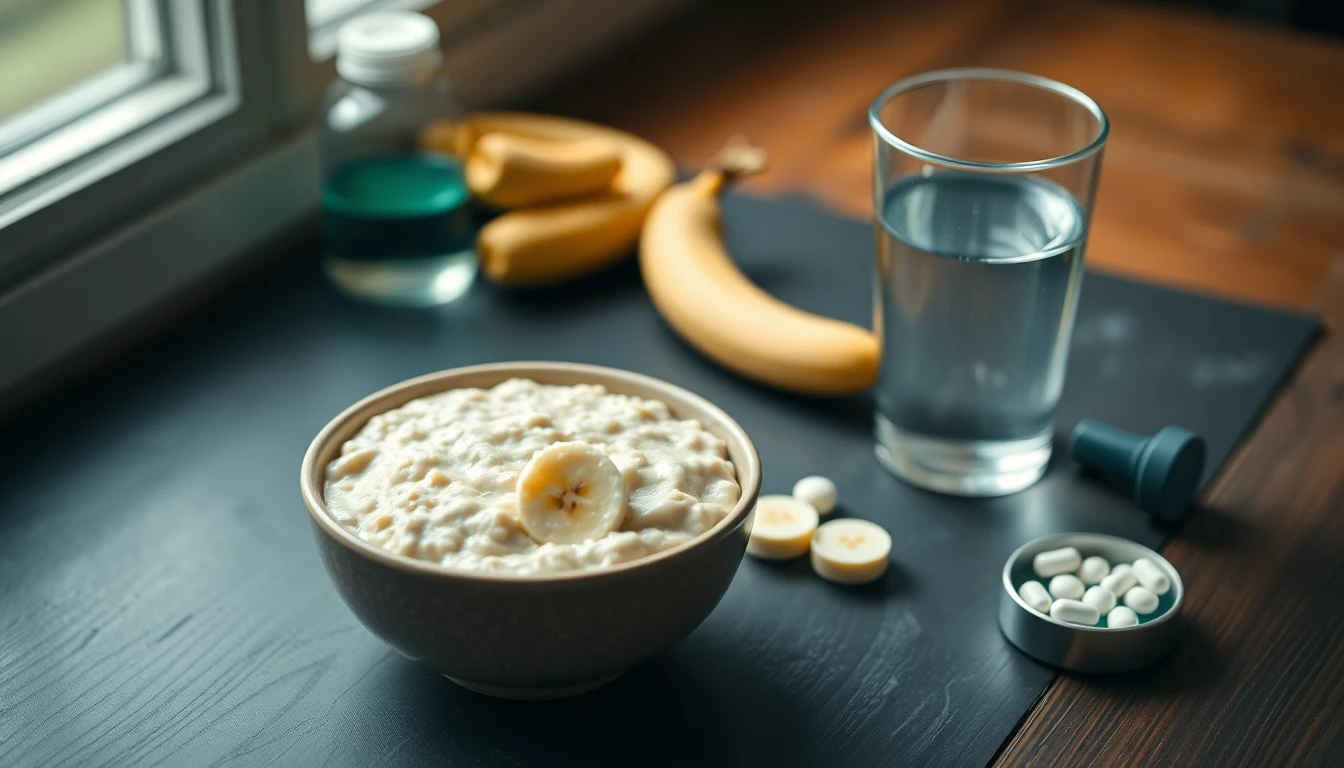
You can take sulfasalazine tablets with or without food, according to the NHS. Take the liquid with food. If the tablets make you feel sick, taking them after a meal often helps.
This guide covers what to eat if your stomach is unsettled, why fluids matter for your kidneys, how folate fits in, and when coated tablets might be worth asking about.
Should sulfasalazine be taken with food?
Sulfasalazine tablets can be taken with or without food, but the liquid should be taken with food. That is the NHS position, so with tablets you have a choice rather than a strict rule.
Food is a tool for managing side effects, not a requirement. Nausea, indigestion and loss of appetite are among the more common complaints when starting sulfasalazine. Taking a dose straight after a meal gives the tablet something to mix with and often takes the edge off. If you feel fine on an empty stomach, there is no need to change what you do.
- Tablets, with food — fine — can reduce nausea and indigestion if you are prone to them
- Tablets, without food — fine — the NHS says food is not required for the tablets
- Liquid, with food — required — the NHS advises taking the liquid with food
- Liquid, without food — avoid — not what the NHS recommends for the liquid form
Whether to take sulfasalazine before or after eating
Take the dose during or straight after a meal rather than before it. A small meal is enough. Whichever approach you choose, keep it consistent so your doses are spread evenly through the day, as your prescriber or pharmacist has advised.
What counts as a small meal
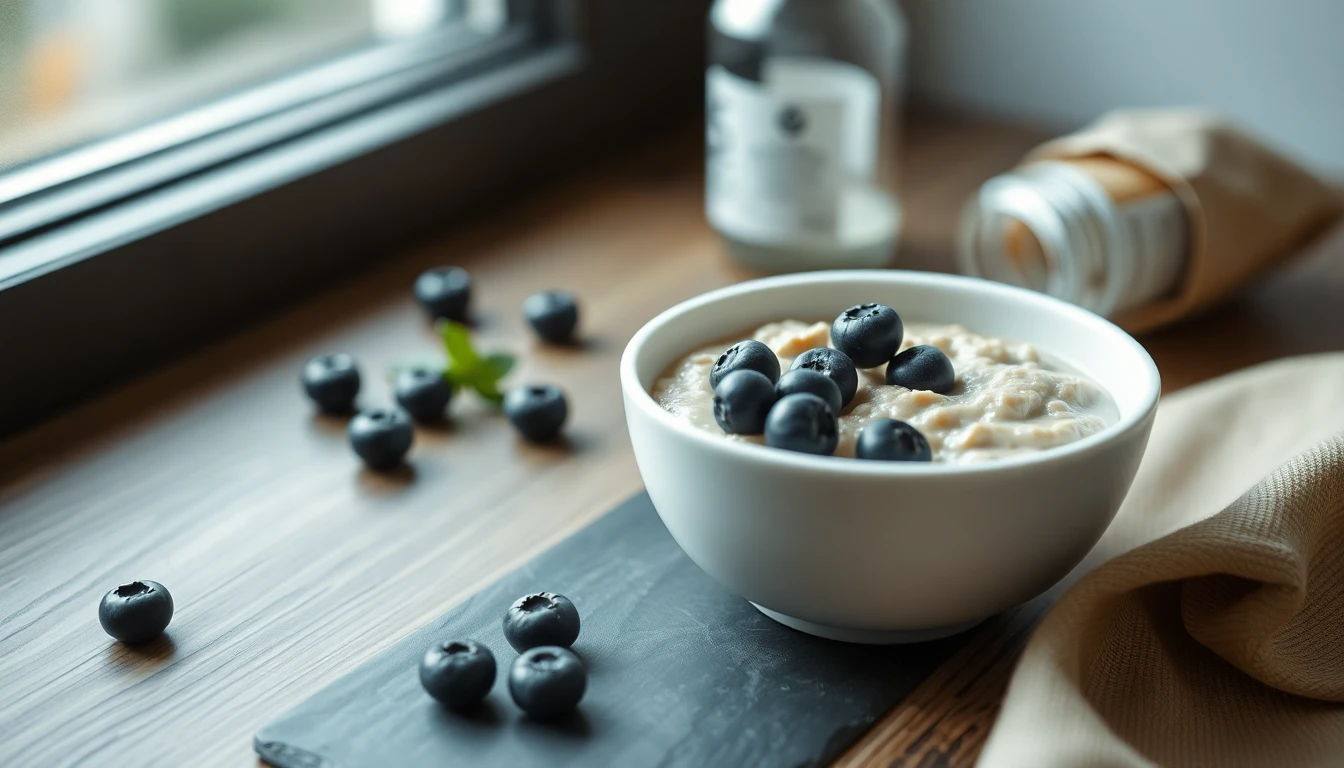
Plain, low-fat foods tend to sit best. Think porridge, toast, a banana, rice, or a bowl of plain pasta. Save anything heavy or highly spiced for days when your stomach is settled.
What the experts say
“You can take sulfasalazine tablets with or without food.”
What to eat if sulfasalazine makes you feel sick
If you have indigestion or feel sick, the NHS advice is to stick to simple meals and avoid rich or spicy food. It is the most useful dietary change for sulfasalazine-related nausea, and it costs nothing.
Rich food, such as creamy sauces, fried dishes and heavy takeaways, can make nausea and indigestion worse. Spicy food does the same. Acidic food may also bother some people, so if tomatoes or citrus seem to trigger symptoms, ease off them for a while. If you are also managing a flare of ulcerative colitis or Crohn's disease, our guide to anti-inflammatory foods covers gentler options, though the right choices during a flare can differ from person to person.
- Simple meals — fine — the NHS recommends them if you feel sick or have indigestion
- Rich food — take care — can make nausea and indigestion worse
- Spicy food — take care — can make nausea and indigestion worse
- Acidic food — take care — may aggravate an unsettled stomach in some people
- Small, regular meals — fine — often easier to tolerate than a few large ones
When nausea does not settle
Nausea is common in the first weeks and often eases as your body adjusts. If it continues, or you cannot keep your medicine down, speak to your pharmacist, GP or specialist team before changing anything yourself. Do not stop sulfasalazine suddenly without advice.
Why fluids matter when you take sulfasalazine
Drink plenty of fluids while taking sulfasalazine to help prevent possible kidney problems. This is NHS advice, and it is easy to overlook because it feels less urgent than nausea.
Water is the obvious choice, and squash counts too. The NHS suggests lots of fluids, such as water or squash, to avoid dehydration. If you have diarrhoea or vomiting as part of a flare or a side effect, you lose fluid faster, so pay extra attention. The NHS does not give a set number of cups, so follow your prescriber's advice and drink steadily across the day rather than catching up all at once.
- Water — fine — drink plenty to help prevent possible kidney problems
- Squash — fine — counts towards your fluids and helps avoid dehydration
- Alcohol — take care — can irritate the gut and may worsen symptoms in inflammatory bowel disease
- Tea and coffee — take care — fine in moderation, but avoid them in the evening if you have difficulty sleeping
Alcohol and sulfasalazine
You can drink alcohol while taking sulfasalazine, according to the NHS. However, alcohol can irritate your gut, so it may make symptoms worse if you have inflammatory bowel disease. If you feel sick or have indigestion, the NHS advice is to avoid alcohol along with spicy food. Many people with active symptoms find it easier to cut back during a flare.
Tea, coffee and sleep
Sulfasalazine can occasionally affect sleep. If you have difficulty sleeping, the NHS advises avoiding a big meal, smoking, and alcohol, tea or coffee in the evening. Switching to a decaffeinated drink after mid-afternoon is a simple first step.
Sulfasalazine and folate: what to know
Sulfasalazine can lower the amount of folate (vitamin B9) in the body, which is why some people are prescribed folic acid alongside it. This matters particularly if you are pregnant or planning a pregnancy, when folate needs are higher and your medical team will usually advise on dosage.
Folate-rich foods support your intake, but food alone does not replace a prescribed folic acid supplement. Good sources include leafy green vegetables such as spinach and broccoli, peas, beans, lentils and fortified breakfast cereals. If you are on a restricted diet because of Crohn's or colitis, you may be eating fewer vegetables and pulses than usual, so mention it to your dietitian or GP. If you eat little animal food, our guide to B12 deficiency signs and vegan sources is a useful companion, since B vitamins often come up together.
Do not start or stop any supplement without checking with your prescriber. They can arrange blood tests if they think your folate or other levels need monitoring.
- Leafy greens — fine — useful natural folate source, if your gut tolerates them
- Peas, beans and lentils — fine — good folate, but may cause wind during a flare
- Fortified cereals — fine — a convenient addition to breakfast
- Folic acid tablets — follow your prescriber — food does not replace a prescribed supplement
Enteric-coated tablets and other options
Sulfasalazine comes in plain tablets and in enteric-coated tablets, which have a coating designed to resist stomach acid and release the medicine further along. Enteric-coated versions are sometimes used when plain tablets upset the stomach, and some people find them easier to tolerate. They are not interchangeable with plain tablets in every situation, so ask your pharmacist or prescriber rather than swapping on your own.
Swallow enteric-coated tablets whole. Crushing or chewing them defeats the coating. Check the leaflet in your pack for exact instructions on your brand and strength.
If tablets still cause problems despite taking them after meals, your prescriber may adjust the dose, change the formulation or suggest a different treatment. Reporting side effects early gives them more options. For related reading on how timing affects other long-term medicines, see our guide to azathioprine food timing and absorption.
- Plain tablets — fine — with or without food
- Enteric-coated tablets — fine — may be gentler on the stomach; swallow whole
- Liquid — with food — the NHS advises taking it with food
- Painkillers — paracetamol is fine — the NHS says you can take paracetamol with sulfasalazine
How FreshPlate helps you eat around sulfasalazine
Tracking fluids, simple meals, folate and caffeine timing on top of a daily medicine is a lot to remember. FreshPlate's free food-medication interaction checker lets you check a food or drink against sulfasalazine in seconds.
When you add sulfasalazine to your profile, FreshPlate builds recipes around it automatically: gentle, simple meals when your stomach is unsettled, folate-rich ideas when you want them, and no rich or spicy dishes when you have flagged nausea. It also takes account of any other conditions and dietary needs you list, so your plan stays practical rather than generic.
Frequently asked questions
Should sulfasalazine be taken with food?
+
You can take sulfasalazine tablets with or without food, but the liquid should be taken with food. If tablets make you feel sick, taking them after a simple meal often helps.
Should I take clarithromycin with food?
+
Clarithromycin can generally be taken with or without food, though taking it with food may reduce stomach upset. Check your leaflet or ask your pharmacist, as the advice can differ between tablet types. Sulfasalazine tablets are fine with or without food.
Should ramipril be taken with food?
+
Ramipril can usually be taken with or without food, so pick whichever fits your routine. Sulfasalazine liquid differs: it should be taken with food. Check your leaflet for the exact advice on your medicine.
Should valsartan be taken with food?
+
Valsartan can generally be taken with or without food, as long as you take it at the same time each day. Sulfasalazine tablets are similarly flexible, though the liquid needs food. Confirm with your pharmacist for your own prescription.
Should I drink more water on sulfasalazine?
+
Yes, drink plenty of fluids to help prevent possible kidney problems. Water and squash both count, and you should pay extra attention if you have diarrhoea or vomiting.
Can I drink alcohol while taking sulfasalazine?
+
You can drink alcohol with sulfasalazine, but it can irritate your gut and may worsen symptoms if you have inflammatory bowel disease. If you feel sick or have indigestion, avoid it.
Sources
Did this answer your question?
Reece reads every reply. Questions we have not covered become new guides.
Eating around sulfasalazine shouldn’t be guesswork.
Get our free sulfasalazine food guide by email — the foods to watch, safe swaps, and meal ideas that work with your medication. One genuinely useful email a week — no spam, unsubscribe anytime.
Free forever. You'll also be first in line for the FreshPlate app — with a free trial at launch.