Thyroid-Friendly Lunch Ideas: Iodine & Selenium Rich
Practical thyroid-friendly lunch recipes balancing iodine and selenium. UK meal prep ideas that support thyroid function without overdoing goitrogens.

By Reece Douglas · Founder, FreshPlate
Listen to this article
Thyroid-Friendly Lunch Ideas: Iodine & Selenium Rich
Your thyroid gland may be small, but its impact on your metabolism, energy levels, and overall wellbeing is enormous. Whether you're managing hypothyroidism, hyperthyroidism, or simply want to support optimal thyroid function, what you eat at lunchtime can make a genuine difference to how you feel throughout the afternoon.
The relationship between nutrition and thyroid health centres largely on two trace minerals: iodine, which your thyroid uses to manufacture hormones, and selenium, which helps convert those hormones into their active forms and protects the thyroid from oxidative damage. Getting adequate amounts of both—without going overboard—is the key to a thyroid-friendly approach. At the same time, understanding goitrogens (compounds that can interfere with thyroid function when consumed raw in excessive amounts) helps you make informed choices without falling into unnecessary food fear. This guide offers practical, meal-prep-friendly lunch ideas that work with real UK ingredients and fit into busy schedules.
Understanding Thyroid Nutrition Basics
Before diving into specific recipes, it's worth understanding what your thyroid actually needs. The thyroid gland produces two main hormones—T4 (thyroxine) and T3 (triiodothyronine)—that regulate metabolism in virtually every cell of your body. Iodine forms the backbone of these hormones (the '4' and '3' refer to the number of iodine atoms attached), whilst selenium-dependent enzymes convert T4 into the more active T3 form.
In the UK, iodine deficiency has re-emerged as a concern, particularly among women of childbearing age and those avoiding dairy products. Unlike countries that mandate iodised salt, the UK relies primarily on dairy products and seafood as dietary iodine sources. Meanwhile, selenium intake has declined as imported wheat (lower in selenium than UK-grown varieties) has become more common. This makes thoughtful food choices increasingly important.
The Goitrogen Question
Goitrogens are compounds found in certain vegetables—primarily cruciferous ones like broccoli, cabbage, and kale—that can theoretically interfere with iodine uptake when consumed raw in very large quantities. However, the practical risk is often overstated. Cooking significantly reduces goitrogenic activity, and if your iodine intake is adequate, moderate amounts of these nutrient-dense vegetables pose no problem for most people.
The exception is if you have existing hypothyroidism with inadequate iodine intake, in which case it's sensible to cook cruciferous vegetables and avoid consuming them in excessive raw quantities (such as daily green smoothies with large amounts of raw kale). For most people, the anti-cancer and anti-inflammatory benefits of these vegetables far outweigh theoretical thyroid concerns.
Daily Targets
Adults need approximately 140 micrograms of iodine daily, whilst selenium requirements sit at around 60-75 micrograms for men and women respectively. These are modest amounts, easily achieved through a varied diet, but they do require some planning if you avoid major food groups or follow a plant-based diet.
Top Thyroid-Friendly Lunch Ingredients
Building thyroid-supportive lunches starts with knowing which ingredients deliver the nutrients your thyroid needs. Here are the UK-available staples worth keeping in your weekly shop.
- White fish (cod, haddock, pollock) — excellent iodine sources, widely available fresh or frozen in the UK, lean protein that pairs well with vegetables
- Tinned sardines or mackerel — provide both iodine and selenium, plus omega-3 fatty acids that support overall hormonal health and reduce inflammation
- Eggs — particularly the yolks, which contain selenium, iodine, and tyrosine (an amino acid needed for thyroid hormone production)
- Brazil nuts — extraordinarily rich in selenium; just two to three nuts daily meets your entire requirement, but don't overdo it as excess selenium is problematic
- Greek yoghurt or cottage cheese — major iodine sources in the UK diet, also providing protein and probiotics that support gut health
- Seaweed (nori, wakame) — incredibly iodine-dense, but use sparingly as it's easy to exceed safe upper limits; one sheet of nori or a small portion of wakame in miso soup is plenty
- Chicken and turkey — good selenium sources, versatile for meal prep, lean protein that stabilises blood sugar
- Quinoa and brown rice — provide selenium (amounts vary based on soil content), plus complex carbohydrates that prevent the blood sugar swings that stress the thyroid
- Sunflower seeds and cashews — contribute selenium and healthy fats, easy to add to salads or grain bowls
Five Thyroid-Friendly Lunch Ideas for Meal Prep
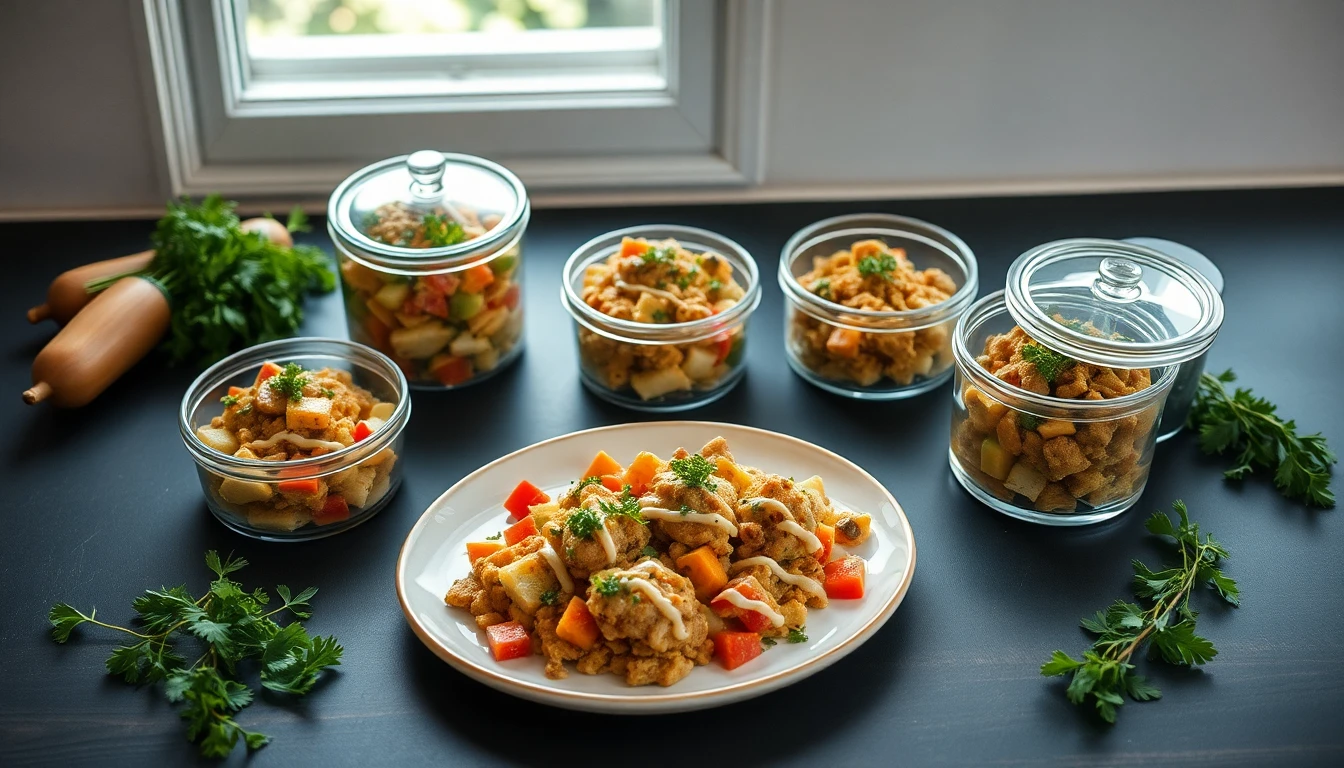
These recipes are designed to be prepared in batches, stored in the fridge for 3-4 days, and reheated easily. Each balances iodine and selenium whilst providing sustained energy without blood sugar spikes.
1. Mediterranean Mackerel Bowl
Cook 200g quinoa according to packet instructions and allow to cool. Divide between four containers. Top each with one tin of mackerel fillets (drained), a handful of cherry tomatoes (halved), cucumber slices, a few olives, and crumbled feta cheese. Dress with lemon juice and olive oil. Add a small handful of rocket just before eating.
This provides roughly 100 micrograms of iodine and 60 micrograms of selenium per serving, plus anti-inflammatory omega-3s. The quinoa offers sustained-release carbohydrates, whilst the vegetables provide fibre and antioxidants. Preparation time: 20 minutes for four servings.
2. Egg and Potato Salad with Watercress
Boil 500g baby new potatoes until tender; cool and halve. Hard-boil six eggs; cool, peel, and quarter. Combine in a large bowl with watercress, finely sliced spring onions, and two tablespoons of Greek yoghurt mixed with one tablespoon Dijon mustard and lemon juice. Season well. Divide between containers.
Eggs and yoghurt deliver both iodine and selenium, whilst watercress (a cruciferous vegetable, but one lower in goitrogens than kale) adds peppery flavour, iron, and vitamin C. The potatoes provide filling carbohydrates and resistant starch that supports gut health. Preparation time: 25 minutes for four servings.
3. Thai-Inspired Chicken and Brown Rice
Cook 200g brown rice. Meanwhile, poach or roast 400g chicken breast, then slice. Prepare a dressing with two tablespoons almond butter, one tablespoon soy sauce, lime juice, a small piece of grated ginger, and a splash of water to thin. Divide rice between containers, top with chicken, shredded carrot, mangetout (blanched briefly), and chopped coriander. Add dressing before eating and sprinkle with three crushed Brazil nuts per serving.
Chicken and Brazil nuts cover your selenium needs admirably, whilst the brown rice contributes additional selenium and provides steady energy. The vegetables add crunch and micronutrients without excessive goitrogens. This combination also works well with blood sugar control goals if you're managing both thyroid and metabolic health. Preparation time: 30 minutes for four servings.
4. Smoked Haddock and Lentil Soup
Sauté one diced onion, two carrots, and two celery sticks in a large pot. Add 200g dried red lentils, 1.2 litres vegetable stock, and 300g smoked haddock. Simmer until lentils are tender and fish flakes easily (about 25 minutes). Remove fish, flake it, and return to the pot. Add a handful of spinach to wilt. Season with black pepper and a squeeze of lemon.
Smoked haddock is an excellent iodine source, whilst lentils provide selenium, fibre, and plant protein. This freezes beautifully, making it ideal for batch cooking. Serve with oatcakes or sourdough bread. If you're concerned about sodium from smoked fish, balance it throughout the day rather than avoiding this nutritious ingredient entirely. Preparation time: 35 minutes for six servings.
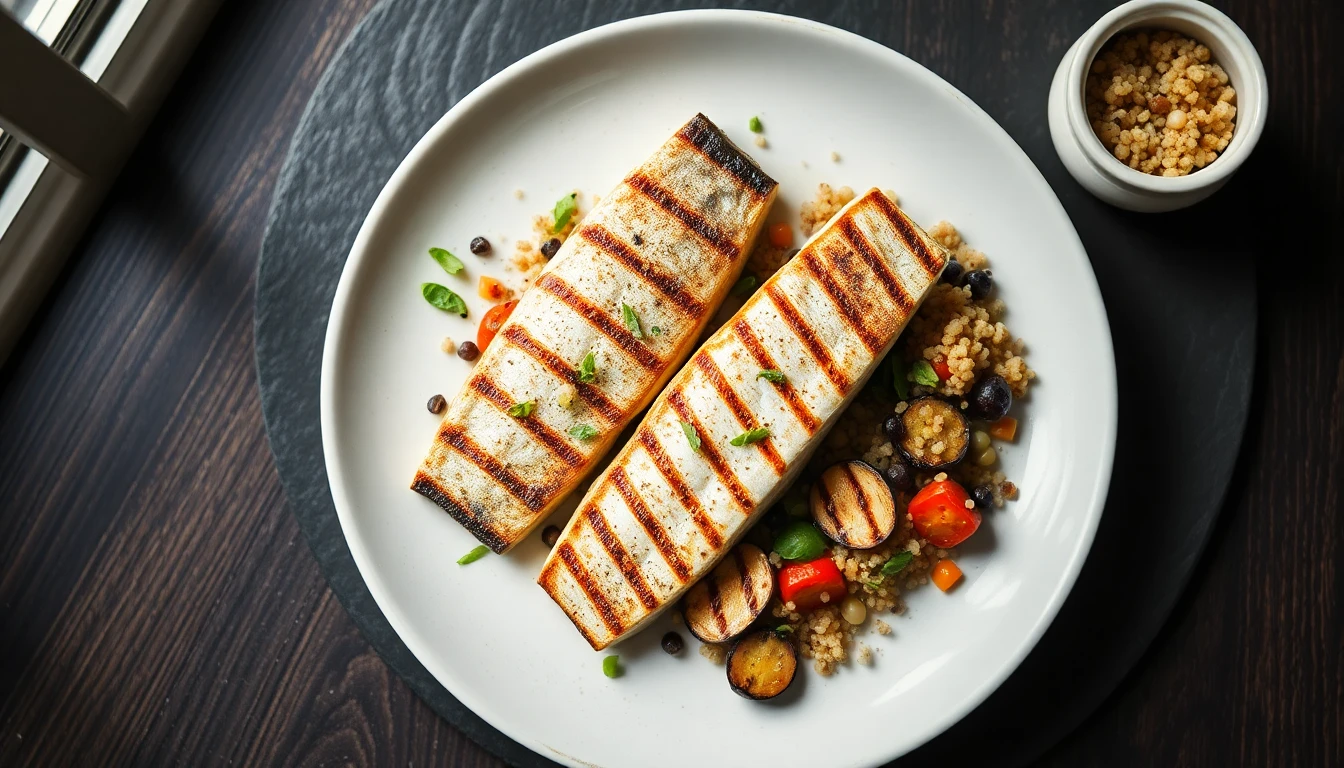
5. Sardine and Roasted Vegetable Couscous
Roast one courgette, one red pepper, and one red onion (all chopped) with olive oil at 200°C for 25 minutes. Meanwhile, prepare 200g wholegrain couscous according to packet instructions. Mix vegetables through couscous, then divide between containers. Top each with one tin of sardines in tomato sauce and a sprinkle of parsley. Add a dollop of Greek yoghurt before eating if desired.
Sardines provide both iodine and selenium, plus calcium from the edible bones. The roasted vegetables are cooked, reducing any goitrogenic effect, whilst the couscous offers quick-cooking convenience. This meal supports thyroid function whilst being genuinely delicious and satisfying. Preparation time: 30 minutes for four servings.
What to Avoid or Moderate
Whilst it's important to focus on what to include, a few considerations help optimise thyroid function. These aren't absolute rules but sensible guidelines, particularly if you have diagnosed thyroid conditions.
- Excessive soy in unfermented forms — very large amounts of soy protein isolate or soy milk may interfere with thyroid medication absorption; moderate amounts of whole soy foods (edamame, tofu) are generally fine, especially when consumed away from medication timing
- Refined carbohydrates and sugar — blood sugar crashes stress the adrenal glands and indirectly impact thyroid function; choose whole grains and pair carbohydrates with protein
- Ultra-processed foods — often contain hidden additives and lack the micronutrients your thyroid needs; batch cooking from scratch gives you control
- Excessive raw cruciferous vegetables — as discussed, cooking these vegetables significantly reduces goitrogenic compounds, so there's no need to avoid them entirely
- Too much seaweed — whilst iodine-rich, some seaweeds contain excessive amounts; stick to small portions of nori or wakame rather than daily kelp supplements
Medication Timing Considerations
If you take levothyroxine or other thyroid medications, you'll know they're best absorbed on an empty stomach, typically 30-60 minutes before breakfast. This means your lunch choices don't directly interfere with medication absorption, but it's still worth being consistent with meal timing and composition to maintain stable thyroid hormone levels throughout the day. Understanding drug-food interactions more broadly can help you optimise all your medications.
Making It Work on a Budget
Thyroid-friendly eating doesn't require expensive supplements or exotic ingredients. Tinned fish is remarkably affordable—sardines and mackerel often cost under £1 per tin in UK supermarkets. Eggs remain one of the most economical protein sources, delivering both iodine and selenium. Frozen white fish is cheaper than fresh and equally nutritious, whilst dried lentils and beans extend meals economically whilst adding selenium and fibre.
Brazil nuts seem expensive per bag but are incredibly cost-effective when you realise two nuts daily is sufficient—a 200g bag lasts months. Greek yoghurt bought in larger tubs rather than individual portions saves money, and cooking vegetables from frozen rather than fresh reduces waste without sacrificing nutrients. Many of these principles align with eating well on a budget more generally, making thyroid-friendly eating accessible regardless of income.
How FreshPlate Can Help With Your Thyroid-Friendly Lunches
Planning varied lunches around iodine and selenium, whilst keeping an eye on your medicines, takes real effort. FreshPlate takes some of the legwork out of it: every recipe the app generates is built around your own medication list, with medicines added by brand or generic name from the NHS's own medicines list, so a brand name is read by its active ingredient.
When you add a medical condition, the app steers rather than prescribes: recipes lean towards what public UK guidance (NHS, BDA) says suits the condition, and the app never claims to treat, prevent or cure anything. Each recipe also has a For you tab that lists your medicines. For the ones whose own NHS page, or US FDA label, our interaction checker has quoted on food, it opens those words about food, quoted word for word, with a link to the checker page. For the rest, it says there is no advice on file yet and points you to your pharmacist. If you take levothyroxine or anything else for your thyroid, that is the place to look, and your pharmacist or GP is the person to ask about timing. You can also type any medication or brand name into the free interaction checker on our website to see the foods to watch.
The For you tab also shows what was actually checked for you, such as allergens, diet and religious rules, gives a line per target on why the recipe suits your goal and conditions, and shows whether it fits what is left of your day. Recipes you keep go onto a shopping list, and if you make your own lunch dishes, Cook on the Meals tab can measure them from their ingredient lines so you can log a portion in one tap.
Frequently asked questions
Can I eat broccoli and kale if I have hypothyroidism?
+
Yes, absolutely. Cooking these cruciferous vegetables significantly reduces goitrogenic compounds, and moderate portions pose no problem when your iodine intake is adequate. There's no need to avoid these nutritious vegetables entirely—simply cook them rather than eating large amounts raw, and ensure you're getting enough iodine from fish, dairy, or eggs.
How much iodine is too much for thyroid health?
+
The safe upper limit for iodine is 600 micrograms daily for adults. Excessive iodine can actually worsen both hypothyroidism and hyperthyroidism. This is most relevant with seaweed and kelp supplements, which can contain thousands of micrograms per serving. Stick to food-based sources like fish, dairy, and moderate seaweed portions rather than high-dose supplements unless specifically recommended by your doctor.
What's the best lunch for hypothyroidism?
+
An ideal hypothyroid lunch combines iodine-rich protein (like fish, eggs, or Greek yoghurt), selenium sources (Brazil nuts, chicken, or wholegrains), vegetables (preferably cooked if cruciferous), and complex carbohydrates for stable blood sugar. The Mediterranean mackerel bowl or egg and potato salad described above are excellent examples that tick all boxes whilst being satisfying and meal-prep friendly.
Do I need Brazil nuts every day for selenium?
+
Brazil nuts are exceptionally selenium-rich—just two to three nuts provide your entire daily requirement. You don't need them every single day if you're getting selenium from other sources like fish, eggs, and chicken, but they're a convenient and concentrated source. Avoid eating more than a small handful daily, as excessive selenium can be harmful.
Will changing my lunch improve my thyroid function?
+
If you've been deficient in iodine or selenium, improving your intake through thyroid-friendly lunches can genuinely support better thyroid function over time. However, nutrition works alongside medical treatment, not as a replacement. If you're on thyroid medication, continue taking it as prescribed and work with your doctor to monitor thyroid levels. Nutritional changes may allow for medication adjustments eventually, but this should always be done under medical supervision.
Sources
Did this answer your question?
Reece reads every reply. Questions we have not covered become new guides.
Enjoyed these? There’s more where they came from.
Get fresh thyroid health recipes and meal ideas by email — practical, healthy, and built for real weeknights. One genuinely useful email a week — no spam, unsubscribe anytime.
Free forever. You'll also be first in line for the FreshPlate app — with a free trial at launch.