Can You Eat Bananas With Atenolol? Beta-Blocker Guide
Can you eat bananas with atenolol? Usually yes, one a day is fine. Learn when potassium becomes a risk, which medicines raise it, and how to monitor.

By Reece Douglas · Founder, FreshPlate
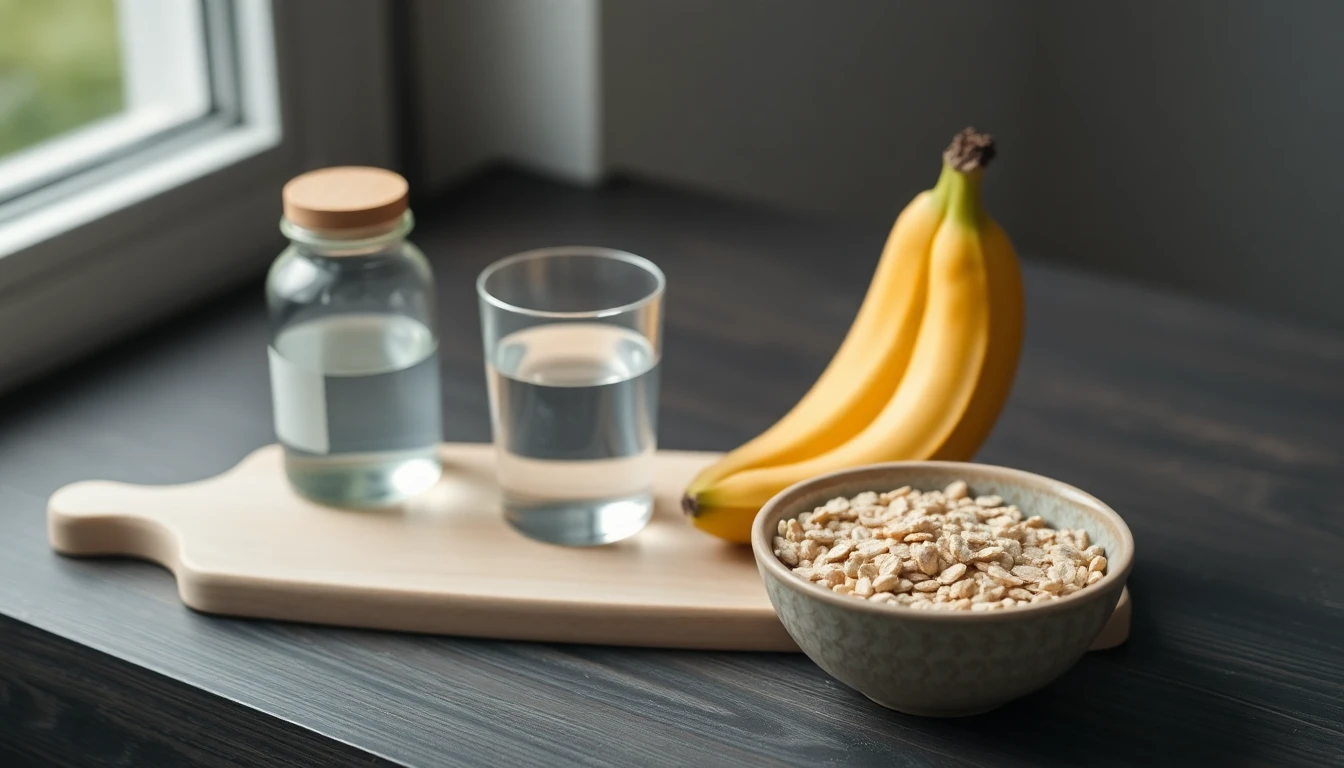
Yes, you can eat bananas with atenolol. Atenolol is a beta blocker, and the NHS says you can eat as normal while taking it. One medium banana a day is not a concern for most people on atenolol alone.
The picture changes when atenolol is one of several heart medicines. Some raise potassium in the blood, and then a banana habit or a potassium salt substitute deserves a closer look. This guide explains who that applies to and what to do.
Can you eat bananas with atenolol?
Yes, a banana a day is fine for most people taking atenolol on its own. A medium banana contains roughly 400 to 450 mg of potassium, a modest share of a normal day's intake. Atenolol itself does not stop your kidneys clearing potassium.
Beta blockers can nudge potassium up very slightly, because they affect how cells take up potassium after a meal. With healthy kidneys this effect is small and rarely matters. It becomes relevant mainly when other risk factors stack up, covered below.
Our interaction checker marks bananas as 'take care' for beta blockers. That label reflects the combination risk (beta blocker plus ACE inhibitor or potassium-sparing diuretic), not a problem with atenolol and bananas as such. If your doctor has not mentioned potassium, you are almost certainly in the first group.
- Atenolol only, normal kidneys — fine — one banana a day sits comfortably within a balanced diet
- Atenolol plus an ACE inhibitor or ARB — take care — both can raise potassium, so ask for a blood test before changing your intake
- Atenolol plus a potassium-sparing diuretic — take care — spironolactone and similar tablets hold potassium in the body
- Atenolol with kidney disease — ask your doctor — reduced kidney function slows potassium removal
When does potassium become a risk on heart medication?
Potassium becomes a risk when something reduces your kidneys' ability to clear it, or when intake is far above normal. Hyperkalaemia means too much potassium in the blood, usually defined as above about 5.5 mmol/L. It is uncommon in healthy people because the kidneys remove the excess.
High potassium can disturb heart rhythm, so it matters more for people with heart conditions. Mild cases often cause no symptoms and are found on a routine blood test, which is why monitoring beats guessing.
The main risk factors
Medicines and kidney function account for most of the risk. Food alone rarely causes trouble with healthy kidneys.
- Chronic kidney disease — kidneys clear less potassium, so even normal intake can build up
- ACE inhibitors and ARBs — ramipril, lisinopril, losartan and valsartan reduce potassium excretion
- Entresto (sacubitril/valsartan) — contains valsartan, so the same caution applies
- Potassium-sparing diuretics — spironolactone, eplerenone, amiloride
- Potassium supplements and salt substitutes — concentrated potassium chloride, often in large doses
- Uncontrolled diabetes and dehydration — both can shift potassium upward
Symptoms to take seriously
Muscle weakness, tingling, palpitations, a very slow or irregular pulse, nausea or feeling faint can all signal high potassium. Atenolol already slows the pulse, so judge it against your usual rate. If you notice new symptoms alongside a medication change, contact your GP or NHS 111 the same day, and call 999 for chest pain, collapse or severe palpitations.
Can you eat bananas while taking valsartan or Entresto?
Yes, you can usually eat bananas while taking valsartan or Entresto, but with more care than on atenolol alone. Valsartan is an ARB and Entresto contains valsartan, and both can raise potassium. One banana in a varied diet is generally acceptable unless your blood tests show high potassium or your kidneys are impaired.
Let your blood test results decide. Doctors usually check potassium and kidney function within a few weeks of starting or changing these medicines, then at regular intervals. If your potassium is normal, you are generally not asked to cut out bananas. If it is creeping up, you may be asked to limit high-potassium foods or change the dose.
If you take atenolol and valsartan together, the same advice applies. Our guide to ACE inhibitors and potassium-rich foods covers the pattern in more detail, as these medicines behave similarly on potassium.
- One medium banana a day — usually fine — if your last potassium result was normal
- Two or more a day plus other potassium-rich foods — check first — the total adds up quickly
- Potassium salt substitutes — avoid unless your doctor agrees — far more concentrated than fruit
- Sudden large increases in intake — avoid — your kidneys need time to adapt, and so does your monitoring
Can you eat bananas while taking clopidogrel?
Yes, you can eat bananas while taking clopidogrel. Clopidogrel is an antiplatelet medicine with no known interaction with bananas or potassium. If you take it with atenolol, the banana question still depends on your other medicines and kidney health, not clopidogrel.
With clopidogrel the food concerns are different: heavy alcohol raises bleeding risk, and some herbal products interact. If you take several heart tablets, check each one rather than assuming the answer for one applies to all.
How much banana is safe, and what else adds potassium?
For most adults, one or two bananas a day is well within a normal diet if you have no kidney problem and take no potassium-raising medicines. The NHS gives a reference intake of 3,500 mg of potassium a day, and a medium banana provides about 400 to 450 mg of that.
If your doctor has flagged a potassium concern, the aim is usually to avoid large, sudden increases rather than ban any single food. Bananas are one source among many, so look at the whole day's intake. Our atenolol food interactions guide covers the other foods and drinks worth thinking about with this medicine.
Potassium in common foods
Figures vary by size and ripeness, but this gives a feel for scale.
- Medium banana — moderate — roughly 400 to 450 mg
- Baked potato with skin — high — often 900 mg or more, more than a banana
- Spinach, cooked, a typical portion — high — notable potassium, though still part of a heart-healthy diet
- Yoghurt, one pot — moderate — provides calcium and moderate potassium, fine unless restricted
- Oily fish — fine — no direct interaction with beta blockers
- Whole grains — fine — support heart health and steady blood sugar
Salt substitutes are the bigger hidden risk
Low-sodium salt products often replace sodium chloride with potassium chloride. Heavy use, combined with an ACE inhibitor, ARB or potassium-sparing diuretic, can push potassium up far faster than fruit. Check the label for potassium chloride, and ask your pharmacist before using one.
Other things to watch with atenolol, and how FreshPlate helps
Bananas are rarely the main issue with atenolol. Alcohol adds to dizziness and low blood pressure, so keep it modest. Caffeine from coffee, tea and energy drinks can raise heart rate and work against the medicine, so most people do best with moderate amounts and watching their own response. Real liquorice can raise blood pressure and lower potassium, so avoid large amounts. Our overview of beta blockers and food interactions covers these in one place.
Monitoring is simple. Keep your blood test appointments, tell every prescriber and pharmacist about all your medicines, and report new weakness, palpitations or a markedly slow pulse. Never stop atenolol suddenly, as that can cause a rebound rise in heart rate and blood pressure.
FreshPlate's free food and medication interaction checker lets you look up bananas, salt substitutes and other foods against your own medicines in seconds. In the app, you enter your medications and conditions once, and recipes are built around them, so a potassium-sensitive combination such as atenolol with valsartan gets lower-potassium meal options without you counting milligrams.
Frequently asked questions
Can I eat bananas while taking Entresto?
+
Yes, usually, but with more care than on atenolol alone. Entresto contains valsartan, which can raise potassium, so one banana a day is generally fine if your blood tests are normal. Follow your doctor's advice if your potassium has been high.
Can you eat bananas while taking Entresto?
+
Yes, in moderation. Your potassium and kidney function are checked after starting Entresto, and those results decide whether you need to limit bananas and other high-potassium foods. Avoid potassium salt substitutes unless your doctor agrees.
Can I eat banana while taking clopidogrel?
+
Yes. Clopidogrel has no known interaction with bananas or potassium. If you also take atenolol or other heart medicines, the potassium question depends on those, especially ACE inhibitors, ARBs and potassium-sparing diuretics.
Can you eat bananas with valsartan?
+
Yes, usually, in moderation. Valsartan can raise potassium, so one banana a day is generally acceptable if your blood potassium is normal. Ask for a blood test if you plan to eat much more or use a potassium salt substitute.
Does atenolol raise potassium levels?
+
Only slightly, and rarely enough to matter with healthy kidneys. The bigger risk comes from combining atenolol with ACE inhibitors, ARBs, Entresto or potassium-sparing diuretics, or from kidney disease.
Sources
Did this answer your question?
Reece reads every reply. Questions we have not covered become new guides.
Eating around atenolol shouldn’t be guesswork.
Get our free atenolol food guide by email — the foods to watch, safe swaps, and meal ideas that work with your medication. One genuinely useful email a week — no spam, unsubscribe anytime.
Free forever. You'll also be first in line for the FreshPlate app — with a free trial at launch.