Carvedilol and Bananas: Is It Safe to Eat Them?
Carvedilol and bananas are fine together for most people. Learn how beta-blockers affect potassium, who needs care, and when to ask for a blood test.

By Reece Douglas · Founder, FreshPlate
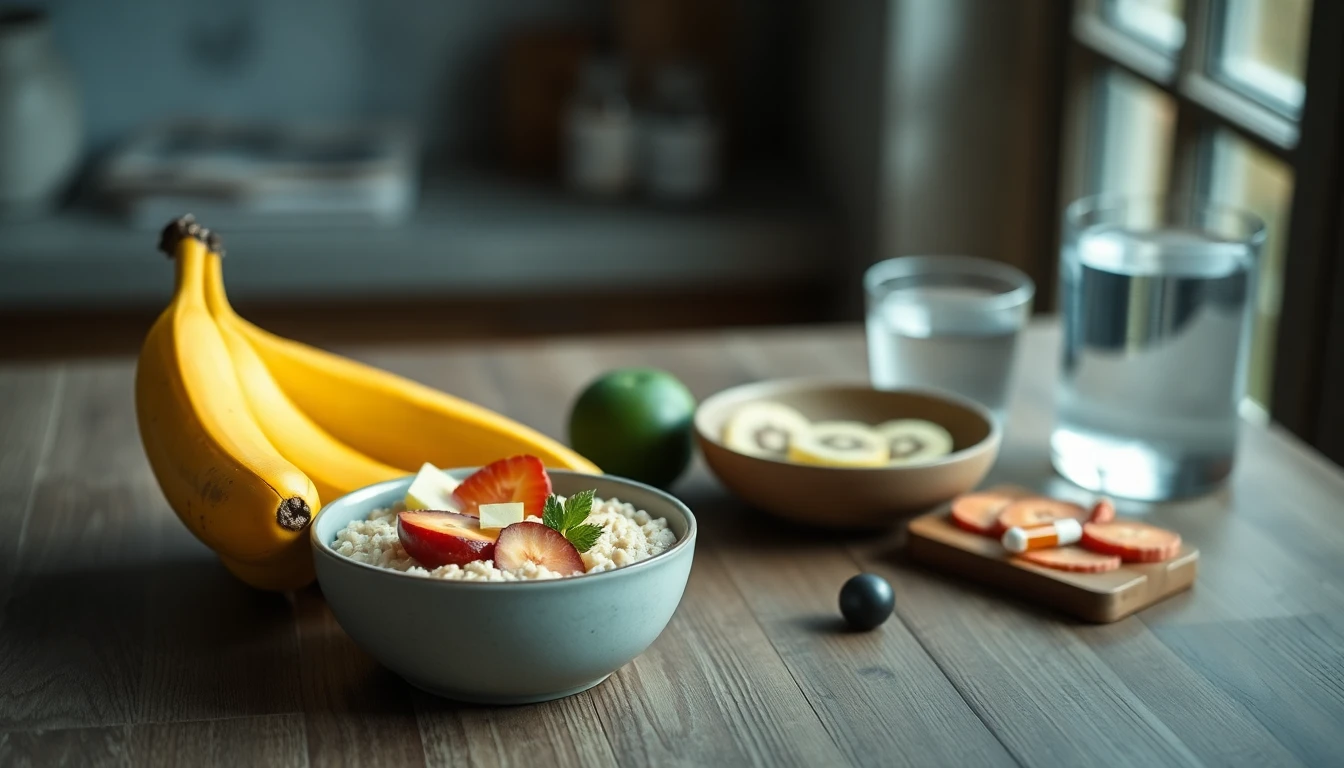
Yes, you can eat bananas while taking carvedilol. For most people the medicine's effect on potassium is small, and a banana a day will not cause a problem.
The picture changes if you have kidney disease, or take carvedilol alongside an ACE inhibitor, an ARB or spironolactone. This guide covers why, how much potassium a banana contains, and when to ask for a blood test.
Can you eat bananas while taking carvedilol?
Yes, bananas are safe for most people on carvedilol. A medium banana contains roughly 400 mg of potassium, a modest share of a normal day's intake, and the NHS advises a diet with plenty of fruit and vegetables for people on this medicine because it is good for your heart.
Carvedilol is a beta-blocker. Beta-blockers can nudge blood potassium up a little, because they interfere with the way cells take potassium in from the blood. In people with healthy kidneys, the kidneys clear the extra and levels stay in the normal range. That is why there is no general rule to avoid bananas, potatoes, tomatoes or other potassium-rich foods on carvedilol alone.
Your own situation matters more than the medicine alone. The groups below need to be more careful.
- Carvedilol alone, healthy kidneys — fine — the small rise in potassium is cleared by the kidneys, so a banana a day is not a concern
- Carvedilol plus an ACE inhibitor or ARB — take care — both can raise potassium, so ask for a blood test before making potassium-rich foods a daily habit
- Carvedilol plus spironolactone — take care — spironolactone holds potassium in the body, and the combination is common in heart failure
- Carvedilol with chronic kidney disease — limit and check — weaker kidneys clear potassium slowly, so your team may set a personal limit
- Potassium-based salt substitutes — avoid unless told otherwise — they can deliver a large potassium dose in a few shakes
What the experts say
“During the first few days of taking carvedilol, or after an increase in your dose, it's best to stop drinking alcohol until you see how the medicine affects you.”
Why does carvedilol affect potassium at all?
Carvedilol blocks beta receptors, some of which help move potassium from the blood into cells after you eat or exercise. Block them and a little more potassium stays in the blood. The effect is modest, and in healthy people it rarely pushes levels out of range.
Heart failure is the main reason carvedilol is prescribed, and it often comes with other medicines that also act on potassium. The combination, not carvedilol alone, usually raises a flag. Your doctor will usually check your potassium and kidney function when you start these medicines and again after dose changes.
Carvedilol with an ACE inhibitor, ARB or spironolactone
ACE inhibitors (such as ramipril or lisinopril), ARBs (such as losartan) and spironolactone all reduce the potassium your kidneys pass out in urine. Add carvedilol's small effect and the total can creep up, particularly if your kidneys are not working at full strength. Our guide to potassium foods on an ACE inhibitor covers the same issue in more detail.
If you take one of these combinations, you do not need to ban bananas outright. You do need regular blood tests, and you should mention any big change in what you eat, such as starting daily smoothies or a salt substitute.
Carvedilol with kidney disease
Healthy kidneys remove excess potassium within hours. If kidney function is reduced, clearing slows, and even normal amounts of potassium-rich food can build up. Kidney Care UK and the NHS both advise that people with kidney disease follow the potassium advice from their own renal team, because the right limit depends on your blood results.
If you have chronic kidney disease, ask whether you have a potassium target before eating bananas daily. Do not cut them out on your own, since fruit and vegetables still matter for your heart.
How much potassium is in a banana, and how much is too much?
A medium banana has roughly 400 mg of potassium, and most adults need about 3,500 mg a day, so one banana is around 11 per cent of a typical day's intake. The NHS says most people get enough from a varied diet, and that taking 3,700 mg or less a day from supplements is unlikely to cause harm.
Here is how a banana compares with other everyday foods, using approximate figures for typical portions.
- Medium banana (about 120 g) — fine for most — around 400 mg potassium
- Medium baked potato with skin — higher — roughly 900 mg or more, so it adds up faster than a banana
- Glass of orange juice (200 ml) — moderate — around 400 to 450 mg
- Handful of dried apricots or raisins — concentrated — dried fruit packs more potassium per mouthful than fresh
- Potassium-based salt substitute — avoid unless advised — can contain several hundred mg per small serving
Signs your potassium may be too high
High potassium often causes no symptoms, which is why blood tests matter. When it does, symptoms include muscle weakness, tingling, nausea, a slow or irregular heartbeat, or palpitations. Carvedilol already slows the heart, so report a new, unusual or irregular heartbeat promptly.
Seek urgent help if you have chest pain, fainting or a very slow or uneven pulse. Do not wait for your next appointment.
Should you take carvedilol with food?
Take carvedilol with food if you take it for heart failure; otherwise you can take it with or without. The NHS says carvedilol does not usually make you feel sick, so timing around meals is flexible for most people. For heart failure, food slows absorption, which helps limit the dizziness that can come from blood pressure dropping too quickly.
A banana with breakfast and your morning dose is a reasonable combination for most people. Keep the timing consistent from day to day so the medicine behaves predictably.
- With food — preferred for heart failure — slows absorption and softens the dip in blood pressure
- Without food — acceptable for other uses — the NHS says it can be taken either way
- Same time each day — best habit — keeps your blood levels steady and makes dizziness easier to spot
- Rich or spicy meals — take care — if carvedilol makes you feel sick, keep to simple meals
- Plenty of water — fine — drink more if you are being sick or have diarrhoea, to avoid dehydration
When should you get your potassium checked?
Ask for a potassium blood test if you take carvedilol with an ACE inhibitor, ARB or spironolactone, if you have kidney disease, or if you change your diet or medicines. Your GP or heart failure team will normally check potassium and kidney function when these combinations start and after any dose change, then at regular intervals.
Between tests, a few habits help. If you are being sick or have diarrhoea, tell your doctor, since dehydration can disturb kidney function and potassium. Check the label before using a salt substitute, because many replace sodium with potassium chloride. The NHS advice for people on carvedilol remains a balanced diet with plenty of fruit and vegetables, so the aim is to eat well and be monitored, not to eat less fruit.
Alcohol can add to carvedilol's blood pressure-lowering effect and make you dizzy, so avoid it for the first few days or after a dose increase. Too much salt works against the medicine by raising blood pressure, and caffeine can narrow blood vessels, which matters if you notice cold fingers or toes. For a wider overview, our guide to beta-blocker food interactions covers the whole class, and bisoprolol and green vegetables looks at a similar question for another beta-blocker.
How FreshPlate handles this for you
FreshPlate's free food and medication interaction checker lets you look up carvedilol and any food, including bananas, and see a clear fine, take care or avoid verdict with the reason behind it.
If you build a meal plan in the app, FreshPlate takes your medicines and conditions into account. It flags potassium-rich recipes if you also take an ACE inhibitor, an ARB or spironolactone, or have kidney disease, and keeps salt, rich food and alcohol in line with carvedilol advice. It does not replace your doctor's blood tests or advice, and its figures come from the same NHS guidance quoted here.
Frequently asked questions
Do beta-blockers raise potassium levels?
+
Yes, slightly. Beta-blockers such as carvedilol can cause a small rise in blood potassium, but in people with healthy kidneys the rise is usually too small to matter.
Can I eat potassium-rich foods on carvedilol?
+
For most people, yes. Bananas, potatoes and tomatoes are fine unless you have kidney disease or also take an ACE inhibitor, ARB or spironolactone, in which case ask your doctor about blood tests and any personal limit.
Should I take carvedilol with food?
+
Yes if you take it for heart failure, because food slows absorption and softens the drop in blood pressure. For other uses the NHS says you can take it with or without food.
What fruits should I avoid with carvedilol?
+
None need avoiding as a rule. Keep eating a range of fruit and vegetables, and take more care with dried fruit, large juice servings and potassium salt substitutes if your potassium is a concern.
What are the symptoms of high potassium?
+
Muscle weakness, tingling, nausea and palpitations or a slow or irregular heartbeat, though many people have no symptoms. Seek urgent help for chest pain, fainting or a very slow pulse.
Sources
Did this answer your question?
Reece reads every reply. Questions we have not covered become new guides.
Eating around carvedilol shouldn’t be guesswork.
Get our free carvedilol food guide by email — the foods to watch, safe swaps, and meal ideas that work with your medication. One genuinely useful email a week — no spam, unsubscribe anytime.
Free forever. You'll also be first in line for the FreshPlate app — with a free trial at launch.