Flucloxacillin: Foods to Avoid and When to Take It
No food is banned with flucloxacillin, but timing matters: take it 1 hour before or 2 hours after eating. Plus diarrhoea, probiotics and dairy myths.

By Reece Douglas · Founder, FreshPlate
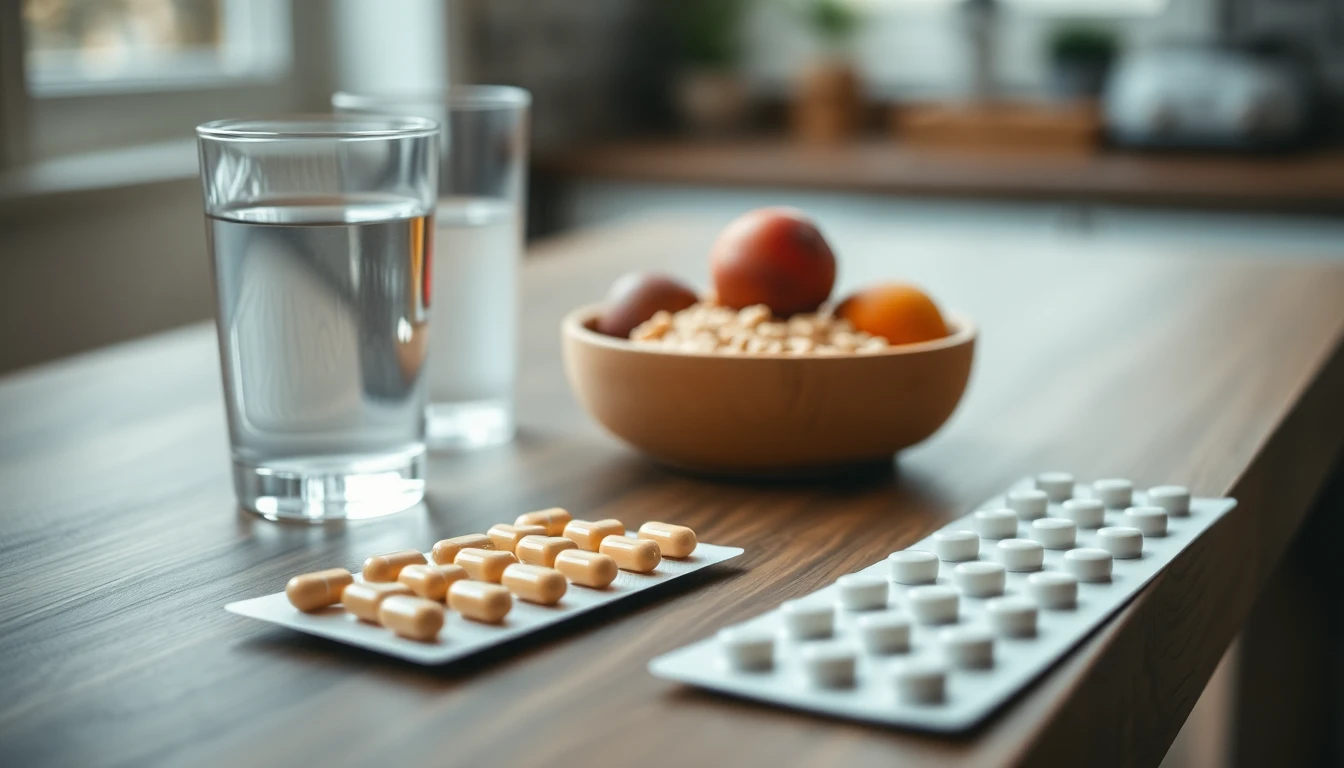
No food is banned while you take flucloxacillin. Timing matters: food reduces how much of the antibiotic your body absorbs, so take it on an empty stomach.
The NHS says at least 60 minutes before a meal or snack, or at least 2 hours after. Below: the timing window, foods that can worsen side effects, and the myths about dairy, acidic drinks and probiotics.
Are there foods to avoid with flucloxacillin?
No, there are no foods you must avoid while taking flucloxacillin. It has no known interaction with grapefruit, leafy greens, dairy or caffeine. The only food-related rule is about when you take it, not what you eat.
A few foods are worth easing off, but only if flucloxacillin upsets your stomach. They are about comfort, not safety. Here is the full picture:
- Alcohol — fine — the NHS says you can drink alcohol while taking flucloxacillin, and the two do not interact
- Water — fine — swallow capsules whole with a full glass (250ml) to protect your food pipe
- Squash — fine — useful for small, frequent sips if you are being sick and want to avoid dehydration
- Rich or spicy food — take care — can make feeling sick worse, so stick to simple meals
- Lentils, peas, beans, onions — take care — can cause wind, so skip them if you are bloated or have indigestion
- Any meal or snack within the timing window — take care — food lowers absorption, so keep 60 minutes before or 2 hours after
What the experts say
“It's best to take flucloxacillin on an empty stomach to help improve how much is absorbed. That means taking it at least 60 minutes before a meal or snack, or at least 2 hours after.”
When should you take flucloxacillin in relation to food?
Take flucloxacillin at least 60 minutes before a meal or snack, or at least 2 hours after one. The NHS advises this because an empty stomach improves absorption, and absorption is what makes an antibiotic work.
Flucloxacillin is usually taken four times a day, so fitting four doses around meals takes planning. Anchoring doses to a routine rather than the clock alone can help. Your prescriber or pharmacist will give you the exact dose and spacing; follow that.
- Before a meal — fine — take it at least 60 minutes before you eat
- After a meal — fine — wait at least 2 hours after your last mouthful
- With a meal — avoid if you can — absorption drops, so the dose may work less well
- With a snack — avoid if you can — a biscuit or banana counts as food for timing purposes
- Water alongside it — fine — take it with a full glass of water, not milk or juice, to keep things simple
A practical daily pattern
Take the first dose when you wake, then wait an hour before breakfast. A later dose can go at least 2 hours after lunch, and the last one about an hour before an evening meal or before bed on an empty stomach. Spread doses as evenly as your day allows, as your pharmacist advises.
If your stomach is unsettled, check with a pharmacist before changing the timing yourself. Do not skip doses to make meals easier.
What if you take it with food by mistake?
One dose with food will not usually ruin the course, but it may be absorbed less well. Return to the empty-stomach routine at the next dose. Do not double up to make up for it. If you are unsure, ask a pharmacist.
Do dairy and acidic drinks affect flucloxacillin?
No, dairy and acidic drinks such as orange juice do not stop flucloxacillin working. The old rule about avoiding milk comes from other antibiotics, like tetracyclines, where calcium binds to the drug. Flucloxacillin has no such interaction with milk, cheese or yoghurt.
Keep dairy away from your dose for a simpler reason: milk is food. A glass of milk or a yoghurt inside the 60-minute and 2-hour windows counts as eating, and food lowers absorption. Take your dose with water, and have dairy at mealtimes outside the window.
Orange juice will not neutralise the antibiotic. If you have a sore stomach or feel sick, very acidic or rich things may feel worse, so plain food and drinks are sensible for a few days.
- Milk, yoghurt, cheese — fine — no interaction, but keep them outside the dosing window as they count as food
- Orange juice and other acidic drinks — fine — no interaction, though they may irritate an upset stomach
- Tea and coffee — fine — no interaction listed, but milky drinks count as food for timing
- Water — fine — the best thing to take your dose with
What helps with flucloxacillin diarrhoea and an upset stomach?
Simple meals, plenty of fluids and, if needed, small frequent sips of water or squash are the NHS-backed first steps. Feeling sick and diarrhoea are among the more common side effects of flucloxacillin, and they usually settle once the course ends.
Antibiotic-associated diarrhoea happens because antibiotics disturb the balance of bacteria in your gut. It is usually mild. Keep drinking, eat plain food, and do not take anti-diarrhoea medicine without asking a pharmacist first. Severe, bloody or persistent diarrhoea, or diarrhoea with a fever or bad stomach pain, needs prompt medical advice.
If you feel sick
Stick to simple meals and avoid rich or spicy food. If you are being sick, take small, frequent sips of fluids such as water or squash to avoid dehydration. Eating within the timing window may feel tempting if you are nauseous. If that is the only way to get a dose down, speak to a pharmacist or your prescriber rather than guessing.
- Plain toast, rice, bananas, soup — fine — gentle on the stomach
- Curry, fried food, creamy sauces — take care — rich food can make nausea worse
- Small sips of water or squash — fine — helps prevent dehydration if you are being sick
If you are bloated or have wind
The NHS suggests avoiding foods that cause wind, like lentils, peas, beans and onions, while you have this side effect. You do not need to cut them out for the whole course if you feel fine. Ease off only if bloating or indigestion bothers you.
Should you take probiotics with flucloxacillin?
Probiotics are optional, not required. They will not harm most healthy people, but the evidence that they prevent antibiotic-associated diarrhoea is mixed, and they do not replace finishing your course. Our guide to taking probiotics with antibiotics covers the timing and the evidence in more detail.
If you try a probiotic or live yoghurt, keep it away from your antibiotic dose. Live bacteria can be damaged by the antibiotic, and yoghurt counts as food within your empty-stomach windows. Taking it with a meal, a few hours from your dose, avoids both problems.
Check with a pharmacist or your prescriber before starting a probiotic if you are seriously unwell, have a weakened immune system, or are caring for someone who does. Probiotics are not recommended for everyone in those situations.
- Live yoghurt or kefir — fine — have it with a meal, a few hours from your dose
- Probiotic supplements — optional — evidence is mixed, so do not rely on them
- Fibre-rich fruit, veg and wholegrains — fine — support gut health once your stomach has settled
How to make flucloxacillin work around your meals
Take your doses with a full glass of water, swallow capsules whole, and keep meals outside the 60-minute and 2-hour windows. The water protects your food pipe, and the timing protects absorption. Finish the whole course unless a clinician tells you otherwise, even if you feel better early.
FreshPlate's free food-medication interaction checker lets you look up any food against flucloxacillin and shows whether it is fine, worth taking care with, or best left until later. If you set up your medicines in the app, FreshPlate also builds your recipes and meal plans around them, so your timing windows and any stomach-friendly swaps are handled automatically. For related timing questions, our beta blocker food guide shows how the same logic works for other medicines.
Frequently asked questions
What are the foods to avoid when taking bisoprolol?
+
There is no food you must avoid completely with bisoprolol, but grapefruit and heavy alcohol are worth limiting because they can affect blood pressure and how you feel. Our [bisoprolol foods to avoid guide](/website/blog/bisoprolol-foods-to-avoid/) goes through it. This is a different medicine from flucloxacillin, so check your own leaflet too.
What is the list of foods to avoid with clopidogrel?
+
Clopidogrel has no long list of banned foods, but grapefruit juice and large amounts of alcohol are worth discussing with your pharmacist because of bleeding risk and possible interactions. Ask them about your own situation, as it depends on your other medicines.
What foods should you avoid when taking amlodipine?
+
Large amounts of grapefruit and grapefruit juice are the main thing to avoid with amlodipine, as they can raise the level of the medicine in your blood. Our [amlodipine diet guide](/website/blog/amlodipine-diet-interactions-guide/) has the detail.
Can I eat dairy with flucloxacillin?
+
Yes, dairy does not interact with flucloxacillin, but milk, yoghurt and cheese count as food, so keep them outside the 60 minutes before and 2 hours after your dose.
Can I drink alcohol while taking flucloxacillin?
+
Yes, the NHS says you can drink alcohol while taking flucloxacillin, as the two do not interact. If you feel unwell or sick, alcohol may make you feel worse.
A reader asked: What foods should I avoid with rivaroxaban?
+
There is no list of banned foods with rivaroxaban, but how you take it matters: some strengths need to be taken with food, the opposite of flucloxacillin, so follow the label and ask your pharmacist about your dose. Check with them about alcohol and herbal products such as St John's wort, which can affect it.
Sources
Did this answer your question?
Reece reads every reply. Questions we have not covered become new guides.
Eating around flucloxacillin shouldn’t be guesswork.
Get our free flucloxacillin food guide by email — the foods to watch, safe swaps, and meal ideas that work with your medication. One genuinely useful email a week — no spam, unsubscribe anytime.
Free forever. You'll also be first in line for the FreshPlate app — with a free trial at launch.