Fluoxetine Food Interactions and Weight: A Guide
Fluoxetine food interactions explained: take it with or without food, avoid alcohol and St John's wort, plus practical tips on appetite and weight changes.

By Reece Douglas · Founder, FreshPlate
Fluoxetine has very few food rules. You can take it with or without food, and the two things to avoid completely are alcohol and the herbal supplement St John's wort.
The more common question is what it does to your appetite and weight. This guide covers the interactions, the timing, and practical ways to manage eating while your body adjusts.
Can you take fluoxetine with food?
Yes, you can take fluoxetine with or without food. The NHS says "you can take it with or without food", so there is no need to plan your dose around meals.
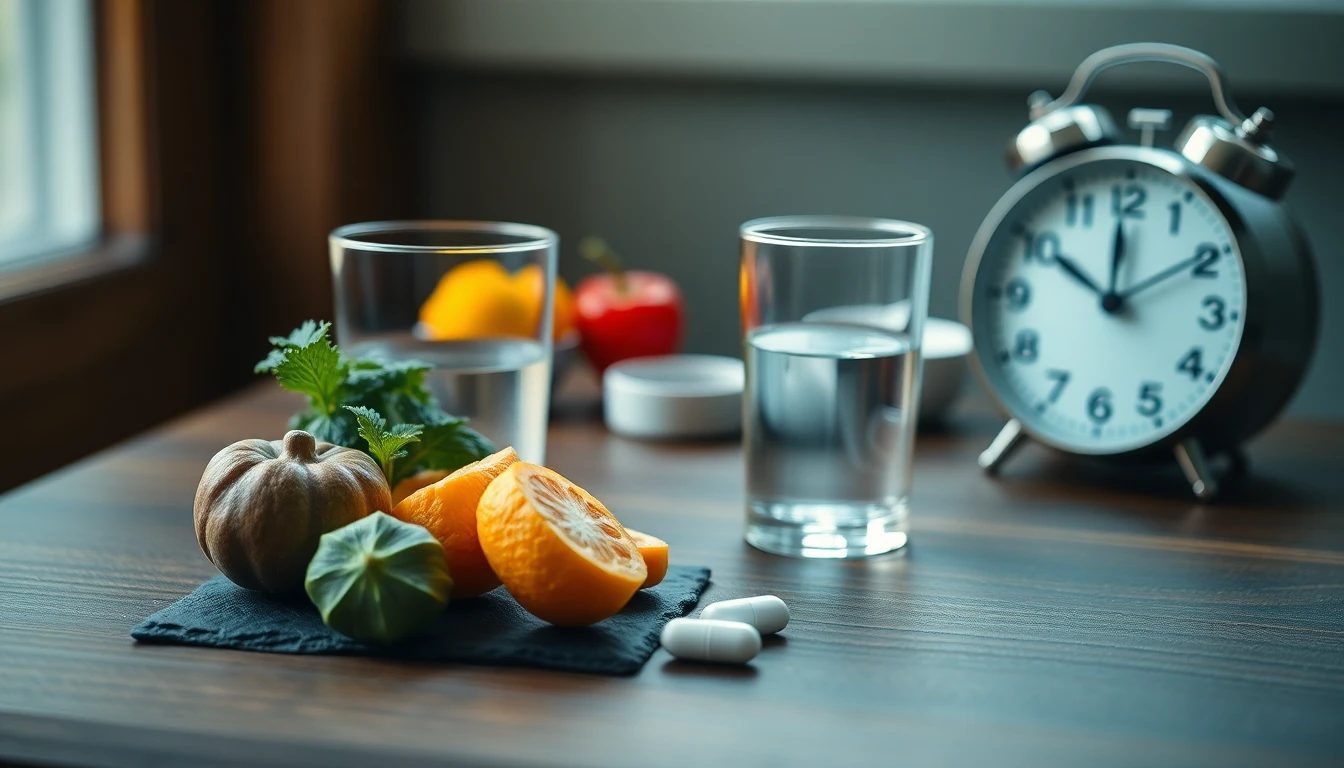
Consistency matters more. Take it at the same time each day so it becomes a habit and you are less likely to miss doses. Many people take it in the morning, because fluoxetine can sometimes make sleep lighter, but follow what your prescriber has told you.
- With breakfast — fine — helpful if you take other tablets with food or find a routine easier to keep
- On an empty stomach — fine — food does not change how fluoxetine is meant to be taken
- With a full glass of water — fine — the capsule or tablet is simply swallowed whole
- At the same time daily — recommended — steady habits make missed doses less likely
If fluoxetine upsets your stomach
Nausea is one of the commoner early side effects. If it bothers you, try taking your dose with a meal or a small snack, even though food is not required. If sickness is severe or does not settle after the first couple of weeks, speak to your pharmacist or prescriber rather than putting up with it.
What the experts say
“It's best to not to drink alcohol while taking fluoxetine because it can increase the risk of side effects, such as feeling very sleepy (drowsy).”
What should you avoid while taking fluoxetine?
Avoid alcohol and St John's wort. Both come straight from NHS guidance.
Fluoxetine has no grapefruit warning and no restricted food group. Searches such as amlodipine food interactions, nifedipine food interactions or bisoprolol food interactions relate to blood pressure and heart medicines, which behave differently.
- Alcohol — avoid — it can increase side effects such as feeling very sleepy (drowsy)
- St John's wort — avoid — the NHS says not to use this herbal supplement with fluoxetine
- Most food and drink — no restriction — fluoxetine can be taken with or without food
Alcohol and fluoxetine
The NHS advises it is best not to drink alcohol while taking fluoxetine because it can increase the risk of side effects such as feeling very sleepy. Alcohol is also a depressant, which works against what you are taking the medicine for. If you do drink occasionally, talk it through with your pharmacist first, and do not use alcohol to cope with low mood.
If you drink regularly and want to cut down, ask for support before stopping suddenly, as that can be risky in its own right.
St John's wort and other supplements
Do not use St John's wort when taking fluoxetine. It is sold as a mood-supporting herbal remedy, which is why people reach for it, and it is also found in some herbal teas and blends, so check labels. Before adding any supplement, ask a pharmacist, even if it is sold as natural.
Does fluoxetine change your appetite?
Yes, it can, and the direction varies between people. Some notice a reduced appetite or nausea in the first weeks, while others find they are hungrier or crave carbohydrates later on. Low mood itself also changes eating, so it is not always easy to separate the medicine from the condition.
Tracking what you notice for a few weeks is more useful than guessing. A short note on appetite, energy and mood, shared with your prescriber, helps them judge whether the dose or the plan needs adjusting.
- Early weeks — appetite may drop or nausea may appear — the body is adjusting to the medicine
- Weeks to months — appetite may return to normal or increase — mood often improves and eating patterns shift
- Poor appetite from low mood — common — small, regular meals are easier than forcing large ones
- Increased cravings — possible — keeping filling snacks to hand makes them easier to manage
If your appetite drops
Eat little and often rather than waiting until you feel hungry. Energy-dense but nourishing foods help: nut butter on toast, full-fat yoghurt with fruit, scrambled eggs, soup with beans or lentils. Smoothies are easier than solid food when nausea is strong. If you are losing weight without meaning to, tell your prescriber.
If your appetite rises
Build meals around protein and fibre, which keep you fuller for longer: eggs, fish, chicken, pulses, oats, vegetables. Plan snacks rather than grazing, and keep fruit, plain popcorn, hummus with vegetable sticks or a small handful of nuts within reach.
Does fluoxetine cause weight gain or weight loss?
It can do either, and for many people weight barely changes. Fluoxetine is generally associated with less weight gain than some other antidepressants, and early on it may reduce appetite. Over a longer period, some people do gain weight, partly because mood and appetite recover.
Our guide to amitriptyline weight gain and diet tips shows how different the picture can be between drugs. Do not stop fluoxetine because of weight worries without speaking to your prescriber. Stopping suddenly can cause withdrawal symptoms and relapse, and there are usually other options to discuss.
- Weight loss — possible early on — reduced appetite and nausea
- Weight gain — possible over months — appetite and mood often recover, and treatment is usually long term
- No change — common — many people stay at a stable weight
- Stopping suddenly — avoid — it can cause withdrawal symptoms and relapse, so always agree changes with your prescriber
Practical weight management strategies
Small, steady habits work better than strict diets, especially while your mood is still settling. Aim for regular meals at roughly the same times, which also pairs well with taking your dose at a fixed time each day.
Gentle activity helps both mood and weight. A daily walk is enough to start with. Sleep matters too, as poor sleep tends to push appetite up and make cravings harder to ignore.
- Regular meals — three meals and one or two planned snacks — avoids long gaps that lead to overeating
- Protein at each meal — eggs, fish, poultry, beans, lentils — helps fullness
- Fibre-rich carbohydrates — oats, wholegrain bread, brown rice, vegetables — steadier energy than sugary snacks
- Water and unsweetened drinks — instead of sugary drinks — cuts hidden calories
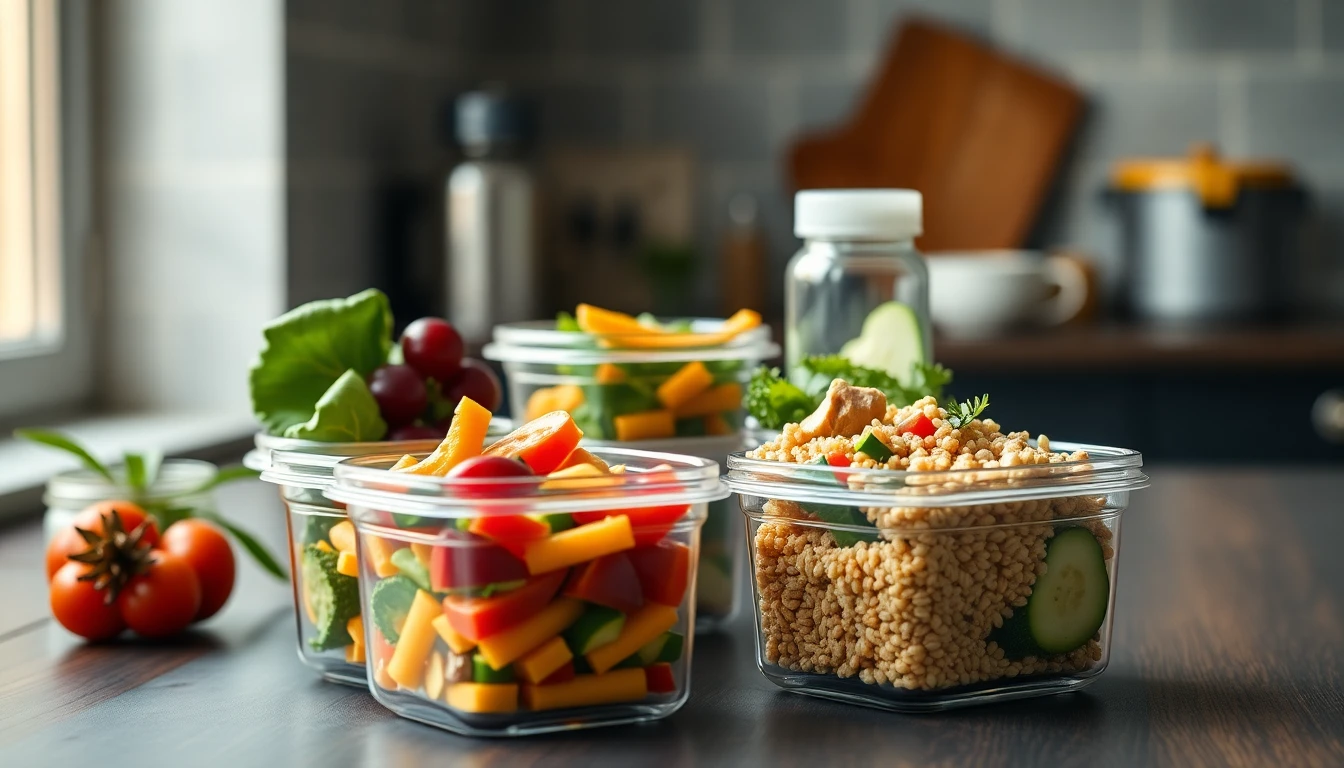
- Weekly batch cooking — see our batch cooking and freezer meals guide — healthy options on low-energy days
How FreshPlate handles fluoxetine and food
FreshPlate builds your recipes around your medicines, conditions and preferences, so the avoid list for fluoxetine, alcohol and St John's wort, is applied automatically.
If you take other medicines alongside fluoxetine, the plan accounts for those too. Many drugs have food interactions that fluoxetine does not, from grapefruit with some blood pressure medicines to vitamin K and blood thinners. You can also use FreshPlate's free food–medication interaction checker to look up any food against any medicine in seconds.
For appetite changes, you can set goals such as gentle weight management or maintaining weight, and meals are built with protein, fibre and realistic portions in mind. If your appetite shifts, update your preferences and the plan adjusts.
Frequently asked questions
What are the food interactions for amlodipine?
+
Amlodipine's main food concern is grapefruit, which can raise the level of some calcium channel blockers in the body, so ask your pharmacist how much, if any, is safe for you. Fluoxetine is separate: it has no food restrictions beyond avoiding alcohol and St John's wort.
Are there food interactions with clopidogrel?
+
Clopidogrel has no major food restrictions, but check with your pharmacist about alcohol, herbal supplements and anything that could raise bleeding risk. Fluoxetine is a different medicine, and its own rules are to avoid alcohol and St John's wort.
What food interactions does nifedipine have?
+
Nifedipine interacts with grapefruit and grapefruit juice, which can increase its effect and side effects, so most people are advised to avoid them. Fluoxetine does not carry a grapefruit warning.
Can I drink alcohol while taking fluoxetine?
+
It is best to avoid it. The NHS says alcohol can increase the risk of side effects such as feeling very sleepy, and it can also work against your mood. If you are unsure, ask your pharmacist or prescriber.
Is it safe to take St John's wort with Prozac?
+
No. The NHS says not to use the herbal supplement St John's wort when taking fluoxetine. Check herbal teas and supplement blends for it too.
Sources
Did this answer your question?
Reece reads every reply. Questions we have not covered become new guides.
Eating around fluoxetine shouldn’t be guesswork.
Get our free fluoxetine food guide by email — the foods to watch, safe swaps, and meal ideas that work with your medication. One genuinely useful email a week — no spam, unsubscribe anytime.
Free forever. You'll also be first in line for the FreshPlate app — with a free trial at launch.