What to Avoid If You Have Fructose Intolerance: UK Guide
What to avoid if you have fructose intolerance: the difference between hereditary and dietary types, high-fructose foods, FODMAPs and UK label terms to watch.

By Reece Douglas · Founder, FreshPlate

Avoid foods that deliver a lot of fructose without enough glucose: apples, pears, mango, honey, fruit juice, dried fruit and anything sweetened with fructose or glucose-fructose syrup. How strictly depends on which condition you have, and the two are very different.
Hereditary fructose intolerance is a rare genetic disorder that can be dangerous. Dietary fructose malabsorption is common and uncomfortable but not dangerous. This guide separates them, then covers foods, labels and swaps.
What is the difference between hereditary and dietary fructose intolerance?
Hereditary fructose intolerance (HFI) is a lifelong genetic condition in which the body lacks enough of the enzyme aldolase B to break down fructose, while dietary fructose intolerance, more accurately called fructose malabsorption, is a gut problem with no enzyme deficiency. The names sound alike, but the risks are not comparable.
If you suspect either, see your GP before you cut anything out. Self-diagnosing on a restrictive diet can mask the answer and, in HFI, delay a diagnosis that matters.
- Hereditary fructose intolerance (HFI) — rare, inherited, usually found in infancy when fruit, sugar or sweetened foods are introduced — fructose, sucrose and sorbitol can cause low blood sugar, vomiting and liver and kidney damage, so lifelong strict avoidance is needed under specialist metabolic care
- Fructose malabsorption — common, adult or child, no enzyme deficiency — fructose is poorly absorbed in the small intestine and ferments in the bowel, causing bloating, wind, cramps and loose stools — most people can tolerate a small, individually tested amount
- Fructose intolerance diagnosed by a breath test — usually a hydrogen breath test run through a gastroenterology or dietetic referral — it confirms malabsorption but not HFI, which is diagnosed by genetic testing
Why HFI is treated as a medical condition
In HFI the problem is not discomfort. Fructose and related sugars build up a compound in the liver that blocks glucose release, so even small amounts can cause a drop in blood sugar. Specialist metabolic dietitians manage people with HFI, and the diet is far stricter than anything described for malabsorption below.
If you have been told you have HFI, treat this article as background only and follow your metabolic team's list. Many HFI diets exclude sucrose and sorbitol entirely, as well as fructose, which a malabsorption diet does not.
Why malabsorption is a different problem
In malabsorption, the gut handles fructose badly, particularly when a food has more fructose than glucose. Glucose helps carry fructose across the gut wall, which is why foods with equal amounts of each, such as table sugar, are often better tolerated than apples or honey.
Tolerance varies from person to person and from day to day. Large amounts of fructose, often combined with other fermentable carbohydrates, tend to cause the symptoms.
What should you avoid if you have fructose malabsorption?
Avoid foods with more fructose than glucose, and foods containing fructans or sugar alcohols, during the elimination phase, which typically lasts two to six weeks before you test foods back in. This list applies to malabsorption, not HFI.
Quantities matter, so the verdicts below are by food rather than a blanket ban.
- Apples and pears — avoid — fructose well above glucose, and both are also high in sorbitol
- Mango, watermelon, cherries, apricots — avoid — high excess fructose
- Honey and agave syrup — avoid — fructose-dominant sweeteners
- Apple, pear and grape juice — avoid — concentrated fructose without fibre to slow absorption
- Dried fruit such as raisins, dates, figs and prunes — avoid — fructose is concentrated by removing the water
- Glucose-fructose syrup and fructose syrup — avoid — added fructose, common in soft drinks, sauces and sweets
- Sorbitol, mannitol, xylitol (E420, E421, E967) — avoid — sugar alcohols that are poorly absorbed and add to the symptoms
- Onion, garlic, leek — limit or avoid — high in fructans, which ferment in the bowel
- Wheat bread and pasta in large amounts — limit — fructans, tolerated better in small portions
- Sugar-free chewing gum and 'diabetic' sweets — avoid — usually sweetened with sugar alcohols
- Table sugar (sucrose) — limit — half fructose, half glucose, often tolerated in small amounts but split into fructose in the gut
Sucrose: the awkward one
Table sugar is half fructose, but its glucose helps the fructose get absorbed, so many people with malabsorption tolerate a teaspoon or two without trouble. If you have HFI, sucrose is not safe, because it still releases fructose once split.
Fruit you may be able to keep
Fruit with similar amounts of fructose and glucose is usually the easiest to reintroduce. Examples include oranges, kiwi, strawberries, blueberries, raspberries, pineapple and unripe bananas, taken in modest portions. Dietitians commonly suggest about one portion at a time, spaced through the day, rather than several fruits together.
How does the FODMAP diet overlap with a fructose-free diet?
The overlap is substantial, because fructose in excess of glucose is one of the FODMAP groups, so a low FODMAP diet removes most of the same foods. FODMAP stands for fermentable oligosaccharides, disaccharides, monosaccharides and polyols, which are short-chain carbohydrates that ferment in the gut.
A low FODMAP diet is wider in scope: it also removes lactose, galacto-oligosaccharides in pulses and mannitol in mushrooms. If your only trigger is fructose, you may not need the whole thing, which is why a dietitian-led approach beats guessing.
The NHS recommends the low FODMAP diet only under dietitian guidance because it is restrictive and meant to be temporary, with reintroduction. If you are already working on a related plan, our post on the low-residue and gut-friendly approach to SIBO staples shows how similar elimination phases are structured.
- Excess fructose — shared trigger — apples, pears, mango, honey, juice
- Fructans — FODMAP only — wheat, onion, garlic, leek
- Polyols (sorbitol, mannitol) — shared and FODMAP — stone fruit, mushrooms, sugar-free sweets
- Lactose — FODMAP only — milk, soft cheese, yoghurt
- Galacto-oligosaccharides — FODMAP only — beans, lentils, chickpeas
How do you spot fructose on UK food labels?
Look for fructose, glucose-fructose syrup, fruit juice concentrate, honey, agave, invert sugar syrup and any ingredient ending in -ol among the additives, because UK ingredient lists must name them. The product called high-fructose corn syrup in the US is usually labelled glucose-fructose syrup or isoglucose in the UK and EU.
Ingredients are listed in descending order by weight, so a sweetener near the top matters more than one at the end. The 'of which sugars' line on the nutrition table does not separate fructose from the rest, so the ingredient list is the more useful part of the label.
Allergens are highlighted on UK labels, but fructose is not an allergen, so it will not be flagged. Check every product, every time, because recipes change.
- Glucose-fructose syrup, fructose-glucose syrup, isoglucose — avoid — added fructose
- Fruit juice concentrate, apple juice concentrate — avoid — often used to claim 'no added sugar' while being high in fructose
- Honey, agave nectar, invert sugar syrup — avoid — fructose-dominant or fructose-rich
- Sorbitol (E420), mannitol (E421), xylitol (E967), maltitol (E965) — avoid — polyols that behave like fructose in the gut
- Dextrose, glucose syrup, maltodextrin — usually fine — glucose-based, no fructose
- Sucrose, 'sugar' — limit — half fructose, may be tolerated in small amounts if you have malabsorption
Products where fructose hides
Check ketchup, barbecue and sweet chilli sauces, ready meals, flavoured yoghurts, breakfast cereals, cereal bars, soft drinks, squash, bread, cured meats and 'light' or 'diet' products. Medicines can be a source too: liquid medicines and some chewable tablets contain sorbitol, so ask your pharmacist if you need to take something regularly.
What can you eat instead? Safe swaps for fructose intolerance
Most plain meat, fish, eggs, rice, potatoes, oats, hard cheese and glucose-based sweeteners contain little or no fructose, so a varied diet is still possible. Swap the problem ingredient; do not shrink the plate.
For HFI, use only the list from your metabolic dietitian, because even some vegetables and fruit are restricted at low doses. For malabsorption, the list below is a starting point for your elimination phase, and the verdicts reflect typical tolerance, not guarantees.
- Plain meat, poultry, fish and eggs — safe — no fructose, check marinades and glazes
- Rice, potatoes, plain oats, quinoa, polenta — safe — low fructose, no fructans in meaningful amounts
- Hard cheese, butter, plain lactose-free dairy — safe — negligible fructose
- Carrots, courgette, cucumber, spinach, lettuce, tomatoes — safe — low in excess fructose in normal portions
- Oranges, kiwi, strawberries, blueberries, raspberries, pineapple — safe in modest portions — fructose roughly balanced with glucose
- Glucose (dextrose) and maple syrup — usually safe — maple syrup is mostly sucrose, so test it carefully
- Rice malt syrup — usually safe — glucose-based, but check it is pure
- Apples, pears, mango, honey, juice — avoid in elimination — excess fructose
- Wheat bread and regular pasta — limit — fructans, try small portions or gluten-free versions
- Sugar-free sweets and gum — avoid — polyols
A simple day on a fructose-light plan
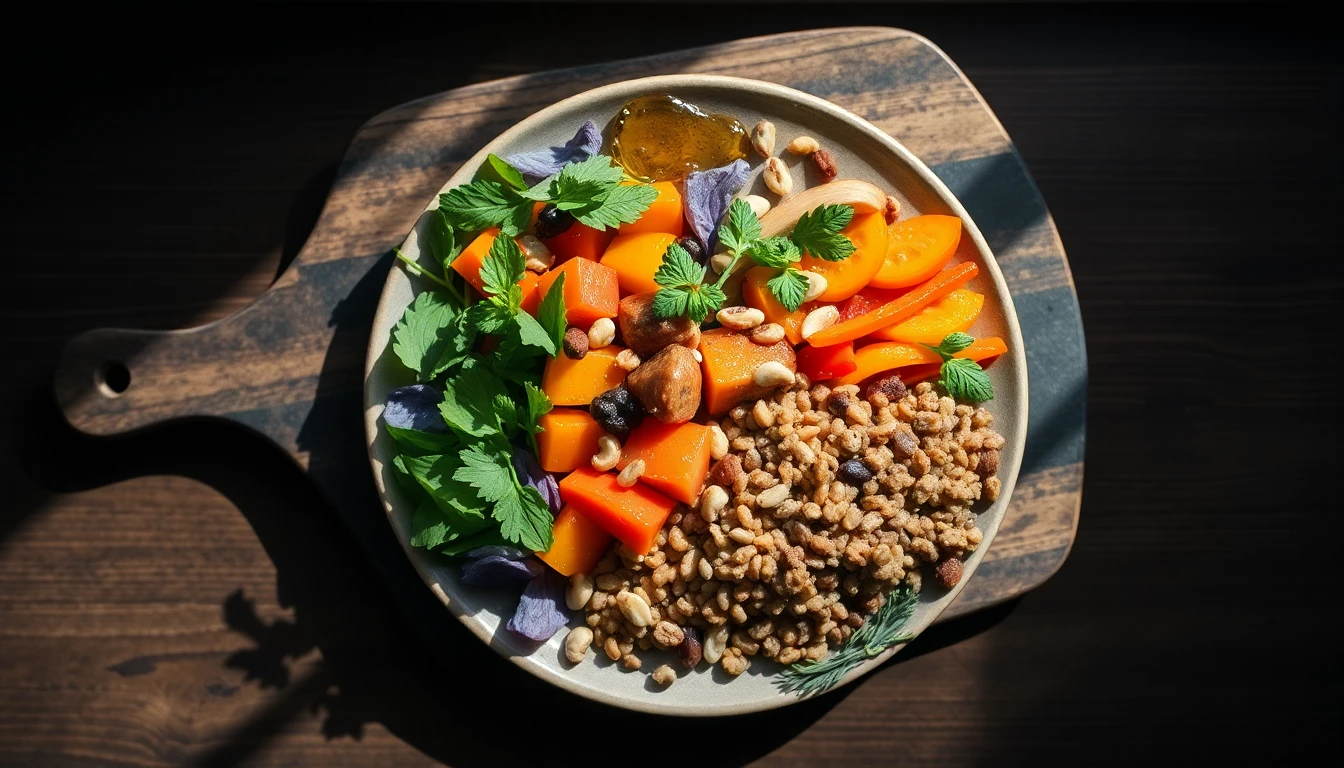
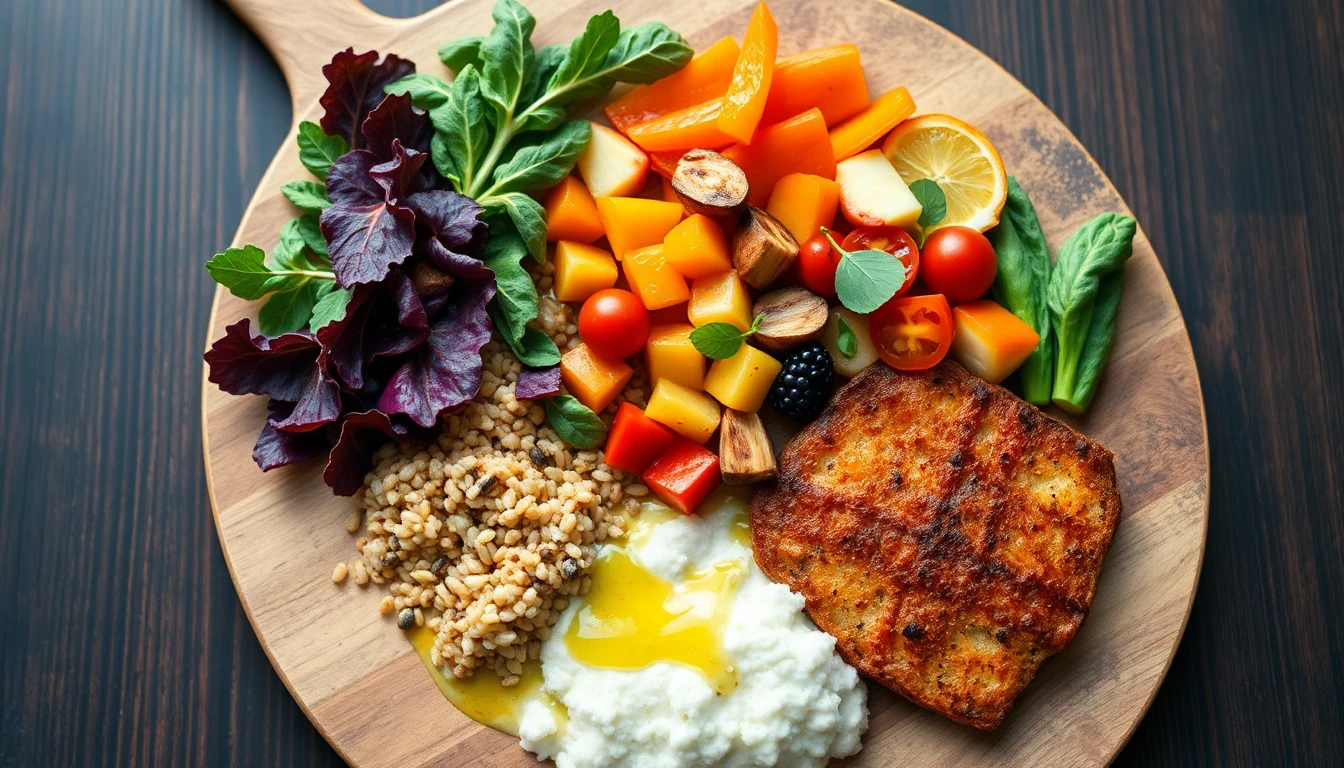
Porridge made with water or lactose-free milk and topped with blueberries, a jacket potato with tuna and grated hard cheese, and chicken with rice and carrots cover three meals without the main triggers. Snack on a small orange or a handful of strawberries rather than apple or dried fruit.
If you also take regular medicines, check the excipients, since sorbitol is common in liquids. Our post on anti-inflammatory foods shows how to build varied meals once you know your triggers.
Reintroducing foods
After the elimination phase, reintroduce one food at a time, in a small portion, and wait two to three days before testing another. Keep a diary of what you ate and how you felt. A dietitian can guide you so you do not stay on a restrictive diet longer than needed, which can reduce fibre and variety in your diet.
How does FreshPlate help if you have fructose intolerance?
FreshPlate builds recipes around your condition, your medicines and your own trigger list, filtering out fructose-heavy ingredients before a meal plan reaches you. You tell the app whether you are managing malabsorption or have been told you have HFI, and it adjusts the plan.
FreshPlate's free food–medication interaction checker lets you test any food against your medicines in seconds, which helps when liquid medicines or supplements may contain sorbitol or other sweeteners.
FreshPlate is not a replacement for a dietitian. If you suspect HFI, or you have lost weight, see blood in your stool or have persistent symptoms, speak to your GP first.
Frequently asked questions
Is fructose intolerance the same as a fruit allergy?
+
No. Fructose intolerance is a metabolic or digestive problem, while a fruit allergy is an immune reaction that can cause swelling, hives or breathing difficulty. If you get those symptoms, seek medical advice urgently.
Can you eat any fruit with fructose malabsorption?
+
Often yes. Fruit with roughly equal fructose and glucose, such as oranges, kiwi, strawberries and blueberries, is usually tolerated in modest portions. Apples, pears, mango and dried fruit are the usual problems.
Is sugar safe if you have fructose intolerance?
+
It depends on the type. People with fructose malabsorption often tolerate small amounts of table sugar because its glucose aids absorption, but people with hereditary fructose intolerance must avoid sucrose entirely.
How is fructose intolerance diagnosed in the UK?
+
Malabsorption is usually assessed with a hydrogen breath test or a supervised elimination and reintroduction diet, while hereditary fructose intolerance is confirmed by genetic testing through a specialist service. Your GP can refer you.
Is glucose-fructose syrup the same as high-fructose corn syrup?
+
Broadly, yes. UK and EU labels usually say glucose-fructose syrup or isoglucose, and the fructose share varies by product. Treat any of these as added fructose if you are avoiding it.
Sources
Did this answer your question?
Reece reads every reply. Questions we have not covered become new guides.
The right foods make living with fructose intolerance easier.
Get our free fructose intolerance food guide by email — what to eat more of, what to limit, and simple meals that support you day to day. One genuinely useful email a week — no spam, unsubscribe anytime.
Free forever. You'll also be first in line for the FreshPlate app — with a free trial at launch.