Low Glycemic Desserts: Blood Sugar-Friendly Sweet Treats
Discover delicious low glycemic desserts that won't spike your blood sugar. Learn how to use alternative sweeteners and fibre-rich ingredients for diabetes-friendly treats.

By Reece Douglas · Founder, FreshPlate
Listen to this article
Low Glycemic Desserts: Blood Sugar-Friendly Sweet Treats
Managing blood sugar doesn't mean eliminating sweet treats from your life entirely. The key is understanding how different ingredients affect your glucose levels and making informed swaps that keep desserts both delicious and diabetes-friendly. Low glycemic desserts are designed to minimise blood sugar spikes whilst still satisfying your sweet tooth.
The glycemic index (GI) measures how quickly foods raise blood glucose levels. Foods ranked low (55 or below) cause a gradual rise, whilst high-GI foods (70 and above) trigger rapid spikes. By focusing on low-GI ingredients like nuts, seeds, certain fruits, and alternative sweeteners, you can create desserts that support stable blood sugar levels. This approach benefits not just those with diabetes, but anyone looking to reduce sugar crashes, manage weight, or improve overall metabolic health.
Understanding the Glycemic Index in Desserts
Traditional desserts typically combine refined flour, white sugar, and minimal fibre—a recipe for rapid blood sugar elevation. When you consume these ingredients, your body breaks them down quickly into glucose, flooding your bloodstream and triggering an insulin response. This spike-and-crash pattern can leave you feeling tired, hungry again shortly after eating, and over time, may contribute to insulin resistance.
Low glycemic desserts work differently. They incorporate ingredients that slow digestion and glucose absorption, leading to a gentler, more sustained rise in blood sugar. This is achieved through three main mechanisms: replacing refined sugars with low-GI sweeteners, adding fibre and protein to slow absorption, and including healthy fats that moderate the glycemic response.
The Science Behind Blood Sugar-Friendly Sweets
When you pair carbohydrates with protein, fat, or fibre, you create what's called a 'glycemic load'—a more accurate measure of how a food affects blood sugar in real-world eating scenarios. A small portion of pure sugar has a high GI, but if you combine it with almonds and Greek yoghurt, the overall glycemic load is much lower because the protein and fat slow down digestion.
Research published in the American Journal of Clinical Nutrition demonstrates that meals with a lower glycemic load improve long-term blood sugar control and reduce the risk of type 2 diabetes complications. This principle forms the foundation of smart dessert creation for blood sugar management.
Best Alternative Sweeteners for Low Glycemic Desserts
Not all sweeteners are created equal when it comes to blood sugar impact. Whilst traditional table sugar has a GI of 65, several alternatives offer sweetness with minimal glucose elevation. Choosing the right sweetener depends on your taste preferences, how you're using it, and any individual tolerances.
- Erythritol — A sugar alcohol with zero glycemic impact and about 70% the sweetness of sugar. It doesn't cause digestive upset in most people at moderate amounts and works well in baking
- Stevia — Derived from plant leaves with a GI of zero. It's intensely sweet, so you need very little. Some find it has a slight aftertaste, but newer blends have improved significantly
- Monk fruit sweetener — Another zero-GI natural option that's about 200 times sweeter than sugar. Often blended with erythritol for better baking properties
- Allulose — A rare sugar that tastes and bakes like regular sugar but has minimal impact on blood glucose. It's absorbed but not metabolised, making it virtually calorie-free
- Coconut sugar — Whilst not zero-GI (around 35), it's lower than regular sugar and contains small amounts of fibre and minerals. Best used sparingly in recipes where you want a caramel-like flavour
- Xylitol — Another sugar alcohol with a GI of 7, though it must be kept away from pets as it's toxic to dogs. Works particularly well in baked goods
Sweeteners to Approach with Caution
Some products marketed as 'natural' or 'healthy' alternatives still significantly impact blood sugar. Agave nectar, despite its health food reputation, has a GI similar to or higher than table sugar. Honey, whilst offering some antioxidants, still raises blood glucose substantially. Dates and date syrup, though nutrient-dense, are high in natural sugars and should be used mindfully in diabetes-friendly recipes.
Key Ingredients for Blood Sugar-Friendly Baking
Beyond sweeteners, the foundation ingredients you choose dramatically affect a dessert's glycemic impact. Swapping refined white flour for nutrient-dense, high-fibre alternatives transforms both the nutritional profile and blood sugar response of your treats.
- Almond flour — Made from ground almonds, it's high in protein, healthy fats, and fibre whilst being naturally low in carbohydrates. It creates moist, tender baked goods with a subtle nutty flavour
- Coconut flour — Extremely high in fibre and absorbs large amounts of liquid. You typically need only a quarter of the amount compared to regular flour, and it must be paired with extra eggs or binding agents
- Ground flaxseed — Adds omega-3 fatty acids, fibre, and a binding quality to recipes. When mixed with water, it creates a gel that can replace eggs in vegan baking
- Oat flour — Made from ground oats, it has a moderate GI (around 44) and works well in recipes where you want a softer texture. Ensure you choose gluten-free certified oats if you have coeliac disease
- Chia seeds — Packed with soluble fibre that forms a gel when wet, helping to slow sugar absorption. They add texture and nutrients to puddings and baked goods
- Dark chocolate (70% cocoa or higher) — Lower in sugar than milk chocolate and rich in flavonoids. The fat content also helps moderate blood sugar response
- Greek yoghurt — High in protein, which slows carbohydrate absorption. It adds moisture and a creamy texture to desserts whilst boosting nutritional value
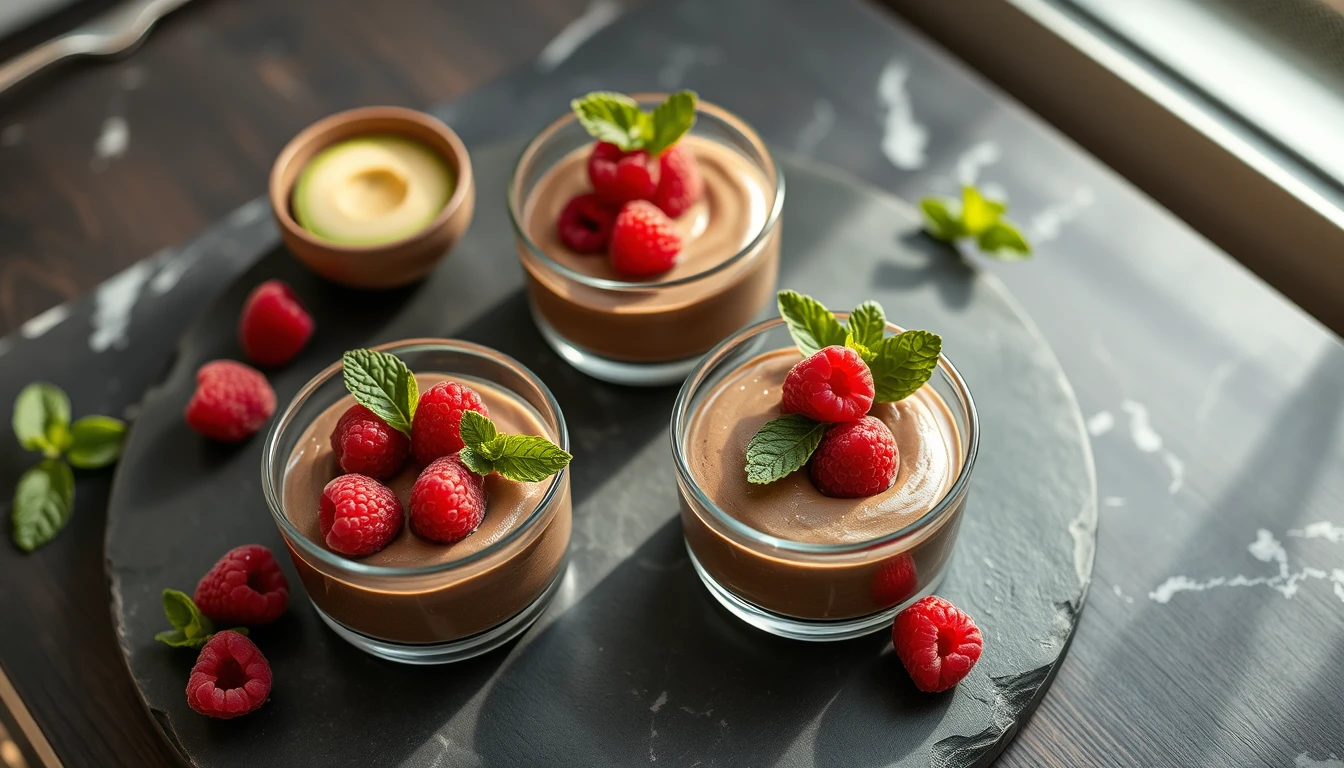
- Avocado — Provides healthy fats and creates incredibly creamy mousses and puddings with minimal impact on blood sugar
Delicious Low Glycemic Dessert Recipes
These recipes demonstrate how simple ingredient swaps create satisfying desserts that support stable blood sugar levels. Each incorporates the principles we've discussed: low-GI sweeteners, high-fibre ingredients, and blood sugar-moderating fats or proteins.
Chocolate Avocado Mousse
Blend 2 ripe avocados with 3 tablespoons cocoa powder, 3 tablespoons erythritol or monk fruit sweetener, 60ml unsweetened almond milk, and 1 teaspoon vanilla extract until completely smooth. The healthy fats from avocado create an incredibly creamy texture whilst keeping the glycemic load low. Chill for at least an hour and top with fresh berries for added fibre and antioxidants. This dessert provides approximately 8g of fibre per serving and has an estimated glycemic load of less than 5.
Almond Flour Berry Crumble
For the filling, toss 400g mixed berries (strawberries, blueberries, raspberries) with 2 tablespoons erythritol and a squeeze of lemon juice. For the topping, combine 100g almond flour, 50g chopped walnuts, 3 tablespoons melted coconut oil, 2 tablespoons erythritol, and a pinch of cinnamon. Spread the fruit in a baking dish, cover with the crumble topping, and bake at 180°C for 25-30 minutes until golden. Berries are among the lowest-GI fruits, and the almond flour topping provides protein and healthy fats.
Chia Seed Chocolate Pudding
Whisk together 240ml unsweetened almond milk, 3 tablespoons chia seeds, 2 tablespoons cocoa powder, 2 tablespoons monk fruit sweetener, and half a teaspoon vanilla extract. Refrigerate for at least 4 hours or overnight, stirring occasionally. The soluble fibre in chia seeds expands to create a pudding-like consistency whilst dramatically slowing sugar absorption. Each serving provides about 10g of fibre and 5g of protein.
Coconut Flour Lemon Cake
Combine 60g coconut flour, half a teaspoon baking powder, and a pinch of salt. In another bowl, whisk 4 eggs, 80ml melted coconut oil, 100g erythritol, zest and juice of 2 lemons, and 60ml unsweetened almond milk. Mix wet and dry ingredients and pour into a lined loaf tin. Bake at 175°C for 35-40 minutes. Coconut flour's exceptional fibre content (around 40g per 100g) creates a cake that's surprisingly blood sugar-friendly despite its light, tender crumb.
Practical Tips for Low Glycemic Dessert Success
Creating blood sugar-friendly desserts becomes easier once you understand a few key principles. These strategies help ensure your treats are both delicious and supportive of stable glucose levels.
- Portion awareness matters — Even low-GI desserts should be enjoyed in reasonable portions. A smaller serving of a satisfying treat is often more enjoyable than overindulging and experiencing guilt or blood sugar fluctuations
- Timing counts — Having dessert immediately after a balanced meal that includes protein and vegetables results in a lower overall glycemic response than eating sweets on an empty stomach
- Add protein — Including a protein source like Greek yoghurt, nuts, or protein powder further moderates blood sugar impact and increases satiety
- Don't fear fat — Healthy fats from nuts, seeds, avocado, and coconut actually help slow sugar absorption. They also make desserts more satisfying
- Experiment with sweeteners — Different alternative sweeteners work better in different applications. Erythritol crystallises well for frostings, whilst liquid stevia disperses easily in beverages. Trial and error helps you find your preferences
- Monitor your response — Individual blood sugar reactions vary. If you use a glucose monitor, checking your levels 1-2 hours after trying a new dessert helps you understand what works for your body
Adjusting Traditional Recipes
You can often adapt favourite recipes by replacing regular flour with a combination of almond and coconut flour (start with 25% coconut flour as it's highly absorbent), substituting sugar with an equivalent amount of erythritol or a stevia blend designed for baking, and adding an extra egg or tablespoon of ground flaxseed to compensate for altered binding properties. The texture may differ slightly from the original, but the familiar flavours remain whilst the blood sugar impact drops significantly.
How FreshPlate Simplifies Blood Sugar-Friendly Eating
Creating low glycemic desserts and meals that support stable blood sugar whilst accounting for medications, health conditions, and personal preferences requires considerable planning and nutritional knowledge. FreshPlate removes this complexity by automatically generating personalised recipes that factor in your specific requirements.
Whether you're managing diabetes, taking medications that affect blood sugar, or simply want to maintain stable glucose levels for better energy and health, FreshPlate's algorithm ensures every recipe—including desserts—aligns with your needs. The app considers potential food-drug interactions, adjusts macronutrient ratios based on your health goals, and provides alternatives if certain ingredients don't suit your situation.
Rather than spending hours researching which sweeteners work best or calculating glycemic loads, you receive tailored dessert recipes that are both safe and delicious for your individual circumstances. FreshPlate tracks your preferences over time, learning which flavours and textures you enjoy most, so your blood sugar-friendly treats become increasingly personalised to your taste. This means you can enjoy desserts with confidence, knowing they support rather than undermine your health goals.
Frequently asked questions
Can diabetics eat desserts every day?
+
People with diabetes can include desserts in their daily meal plan if they choose low glycemic options and account for the carbohydrates within their overall daily intake. Working with a healthcare provider to understand your individual carbohydrate tolerance and monitoring blood sugar responses helps determine what frequency and portion sizes work best for you.
What is the lowest glycemic sweetener?
+
Erythritol, stevia, monk fruit sweetener, and allulose all have a glycemic index of zero, meaning they don't raise blood sugar levels. These sweeteners provide sweetness without the glucose spike associated with regular sugar, making them excellent choices for blood sugar management.
Are sugar-free desserts always diabetes-friendly?
+
Not necessarily. Some sugar-free products use ingredients like maltodextrin or white flour that still significantly raise blood sugar. Always check the total carbohydrate content and ingredient list rather than relying solely on 'sugar-free' labelling. The best diabetes-friendly desserts combine low-GI sweeteners with high-fibre, nutrient-dense ingredients.
Do artificial sweeteners affect blood sugar levels?
+
Most artificial sweeteners like aspartame, sucralose, and saccharin don't directly raise blood glucose levels. However, some research suggests they may affect insulin sensitivity and gut bacteria in ways that could indirectly influence blood sugar regulation. Natural zero-calorie options like stevia and monk fruit are generally preferred for those concerned about these potential effects.
What fruits are best for low glycemic desserts?
+
Berries (strawberries, blueberries, raspberries, blackberries) have the lowest glycemic impact among fruits, with GI values typically between 25-40. Cherries, apples, pears, and citrus fruits are also good choices. These fruits are high in fibre and antioxidants whilst being relatively low in sugar compared to tropical fruits like pineapple or watermelon.
Sources
Did this answer your question?
Reece reads every reply. Questions we have not covered become new guides.
Enjoyed these? There’s more where they came from.
Get fresh diabetes recipes and meal ideas by email — practical, healthy, and built for real weeknights. One genuinely useful email a week — no spam, unsubscribe anytime.
Free forever. You'll also be first in line for the FreshPlate app — with a free trial at launch.