Raynaud's Disease Diet: Foods That Support Circulation
A raynauds disease diet cannot cure attacks, but warm meals, steady caffeine and the right nutrients may help. Here is what to eat, limit and avoid, with amounts.

By Reece Douglas · Founder, FreshPlate
Listen to this article
Raynaud's Disease Diet: Foods That Support Circulation
No food treats Raynaud's, and no diet replaces keeping your hands and feet warm. What you eat can still support general circulation and help you avoid a few known triggers.
This guide covers what to include, what to limit, and how Raynaud's medicines such as nifedipine interact with food. Follow your GP's treatment advice first; the diet below sits alongside it.
Does a Raynaud's disease diet actually help?
Diet cannot cure Raynaud's, but it can reduce avoidable triggers and support the blood vessels that attacks affect. The NHS describes Raynaud's as a condition where blood vessels in the fingers and toes narrow in response to cold or stress, and its main advice is about keeping warm, not eating specific foods. Trials of individual foods are small and inconclusive, so any claim that one food prevents attacks is overstated.
Diet can do three practical things: keep your blood pressure and vessel health in good shape, avoid stimulants that tighten blood vessels, and ensure you eat regularly enough to generate body heat. If your Raynaud's is secondary to another condition such as scleroderma or lupus, your specialist's dietary advice for that condition takes priority. A general anti-inflammatory food pattern is a reasonable base.
Which foods support circulation if you have Raynaud's?
Foods that suit a heart-healthy pattern are the sensible choice, because they support the blood vessels Raynaud's affects. The evidence is for the overall pattern, not any single food. The British Heart Foundation recommends at least two portions of fish a week, one of them oily, and five portions of fruit and vegetables a day.
The nutrients below are the ones most often discussed for circulation. Getting them from food is safer than relying on supplements, which can interact with medicines.
Nutrients worth including
None of these has been shown to stop attacks. They support normal blood vessel and blood function, and ordinary meals cover each one.
- Oily fish (salmon, mackerel, sardines) — aim for one 140g portion a week; omega-3 fats support heart and vessel health, and small studies have looked at fish oil in Raynaud's with mixed results
- Nuts and seeds — a 30g handful a day provides vitamin E and magnesium, which contribute to normal blood vessel and muscle function
- Citrus fruit, peppers and berries — vitamin C supports collagen in vessel walls and helps absorb iron
- Leafy greens and beetroot — dietary nitrates convert to nitric oxide in the body, which relaxes blood vessels; this is a general circulation effect, not a Raynaud's treatment
- Iron-rich foods (lean red meat, lentils, fortified cereal) — iron deficiency anaemia can cause cold hands and feet, so correct it if a blood test shows you are low
- Wholegrains and pulses — steady energy, plus fibre for cholesterol control
Check for deficiency before supplementing
Cold extremities are also a sign of anaemia, low thyroid function or low vitamin B12. If you have not had a blood test, ask your GP before spending money on supplements. Vegans and vegetarians should check their B12 intake; our guide to B12 deficiency signs and vegan sources explains what to look for.
Can warming foods and drinks help with Raynaud's?
Warm food and drink can help you feel warmer and are worth using, but they do not stop an attack by themselves. Eating regularly matters more than any single ingredient, because your body produces heat from food. Long gaps between meals in cold weather make it harder to keep warm.
Hot meals and drinks raise your core comfort, and holding a warm mug gives your hands direct heat. Ginger, cinnamon and chilli are traditionally called warming. Their effect on Raynaud's has not been established, but they flavour hot dishes without extra salt or sugar.
- Porridge with a handful of berries — good — a hot, slow-release breakfast before going out in the cold
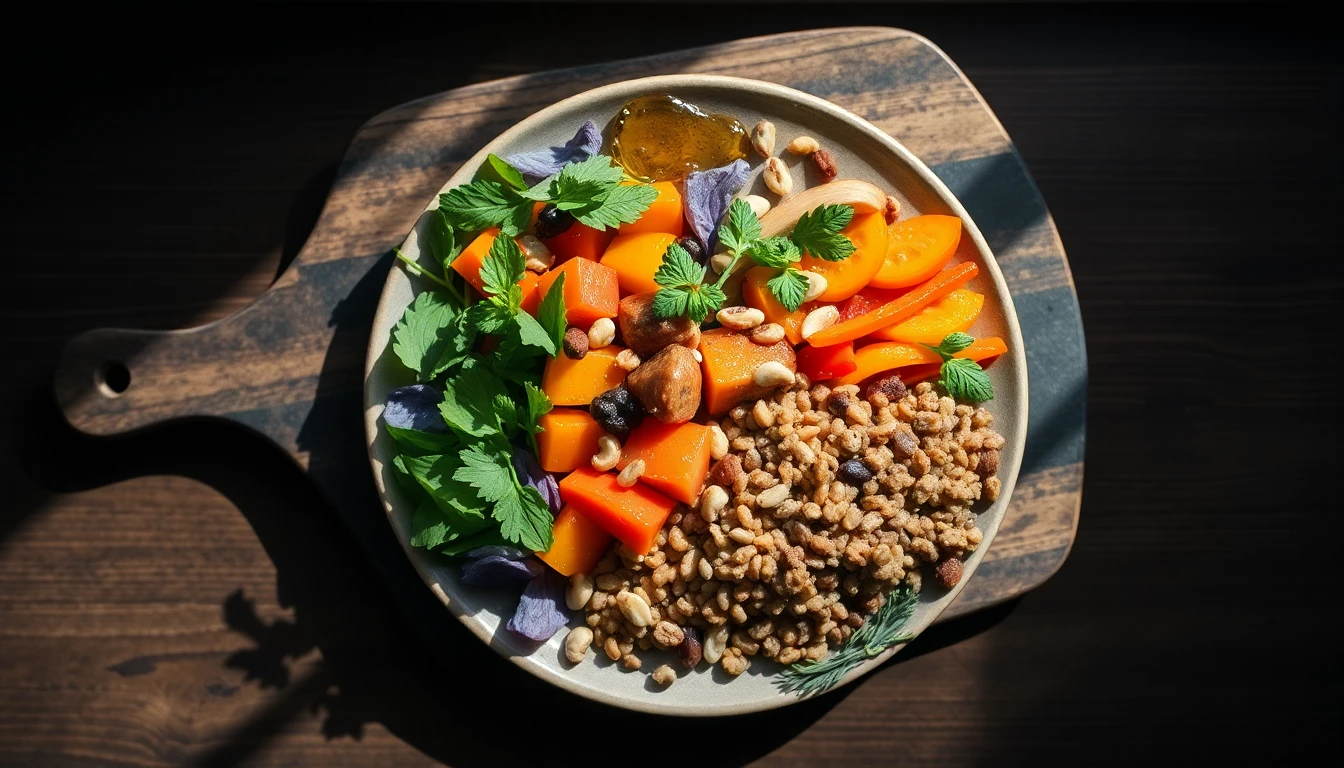
- Soups and stews with lentils or beans — good — hot, filling, and rich in iron and fibre
- Herbal teas (ginger, peppermint, rooibos) — good — warm, caffeine-free fluid you can hold
- Hot water with lemon — fine — warm, but not a treatment
- Spicy food in moderation — fine — adds flavour and may feel warming, but evidence for circulation benefit is weak
- Iced drinks and cold smoothies — limit — the cold glass in your hand can trigger an attack in some people
Timing meals around cold exposure
Eat a proper meal one to two hours before a long spell outdoors, such as a winter commute or walk. Carry a flask of a hot drink and keep a snack to hand, so you are not outside for hours on an empty stomach.
What foods and drinks should you avoid with Raynaud's?
Nicotine is the one clear thing to avoid, and caffeine and alcohol are worth limiting if you notice a link to your attacks. The NHS advises stopping smoking, because nicotine narrows blood vessels and can make Raynaud's worse. Response to caffeine and alcohol varies, so a short diary of attacks against intake is more useful than a blanket ban.
NHS guidance also notes that caffeine can narrow blood vessels, which is why it features on most trigger lists. Evidence that cutting it reduces attacks is limited, so test it yourself rather than treating it as a rule. Our piece on caffeine and ADHD breaks down how much caffeine common drinks contain.
- Cigarettes and vapes with nicotine — avoid — nicotine constricts blood vessels and can trigger or worsen attacks
- Coffee and energy drinks — limit — keep to around 200mg caffeine a day (about two mugs of instant coffee) and see whether attacks change
- Strong tea and cola — limit — contain caffeine, so count them in your total
- Alcohol — limit — it widens vessels briefly, then you lose heat faster; stay within 14 units a week, spread over several days
- Very cold drinks and frozen food handled bare-handed — avoid — direct cold contact can set off an attack, so use gloves for the freezer
- Skipping meals — avoid — less food means less body heat
Does Raynaud's medication change what you can eat?
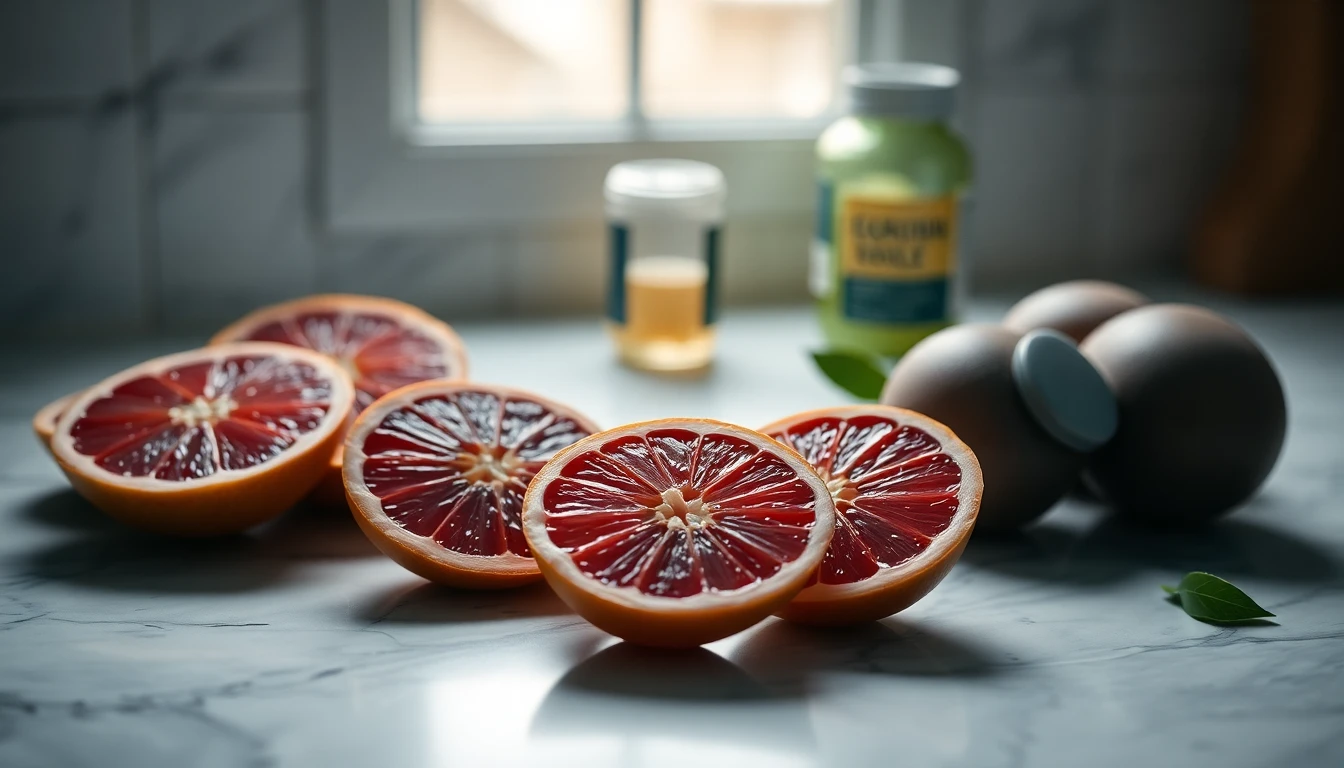
Yes, in a few specific ways, mainly with calcium channel blockers such as nifedipine, which GPs and specialists use for severe Raynaud's. Grapefruit and grapefruit juice can raise the blood level of some calcium channel blockers, increasing side effects such as dizziness and flushing. Ask your pharmacist whether your medicine is affected; our guide to calcium channel blockers and grapefruit explains the mechanism.
Alcohol can add to the blood-pressure-lowering effect of these medicines, so go carefully until you know how you react. Do not stop or change a prescribed medicine to try a dietary approach.
- Grapefruit and its juice — avoid or check first — can raise levels of nifedipine and some other calcium channel blockers
- Oranges, lemons and limes — fine — these do not affect the same enzyme in the way grapefruit does
- Alcohol — limit — can lower blood pressure further and add to dizziness
- Fish oil and vitamin E supplements — check first — can affect clotting, so tell your GP or pharmacist, especially if you take blood thinners
How does FreshPlate help with a Raynaud's meal plan?
FreshPlate builds recipes around your medicines and conditions, so a nifedipine prescription automatically keeps grapefruit out of your meal plan and flags caffeine-heavy suggestions if you tell us it is a trigger. FreshPlate's free food–medication interaction checker lets you look up any food against your prescription in seconds.
You can set warm, filling meals as a preference, such as soups, stews and porridge, and the app schedules regular eating times so long gaps do not leave you cold. It is a planning tool, not a treatment; your GP or specialist still leads on Raynaud's care.
Frequently asked questions
What foods are good for Raynaud's disease?
+
No food treats Raynaud's, but oily fish, nuts, fruit, vegetables, wholegrains and iron-rich foods fit a heart-healthy pattern that supports circulation. Warm meals and hot drinks help you stay comfortable in cold weather.
Does caffeine make Raynaud's worse?
+
It can for some people, because caffeine narrows blood vessels, though the evidence is limited. Try keeping to around 200mg a day and note whether your attacks change.
Is alcohol bad for Raynaud's?
+
Alcohol makes the skin feel warm but causes you to lose body heat faster, so it is a poor choice in the cold. Stay within the UK guideline of 14 units a week and avoid drinking outdoors in winter.
Can I eat grapefruit if I take nifedipine for Raynaud's?
+
Avoid it unless your pharmacist says otherwise, because grapefruit can raise nifedipine levels in the blood and increase side effects. Oranges are generally not affected in the same way.
Do vitamins help Raynaud's?
+
There is no proven vitamin treatment for Raynaud's. Check for anaemia, low B12 or thyroid problems with your GP, because those can also cause cold hands and feet and are treatable.
Sources
Did this answer your question?
Reece reads every reply. Questions we have not covered become new guides.
The right foods make living with raynauds easier.
Get our free raynauds food guide by email — what to eat more of, what to limit, and simple meals that support you day to day. One genuinely useful email a week — no spam, unsubscribe anytime.
Free forever. You'll also be first in line for the FreshPlate app — with a free trial at launch.