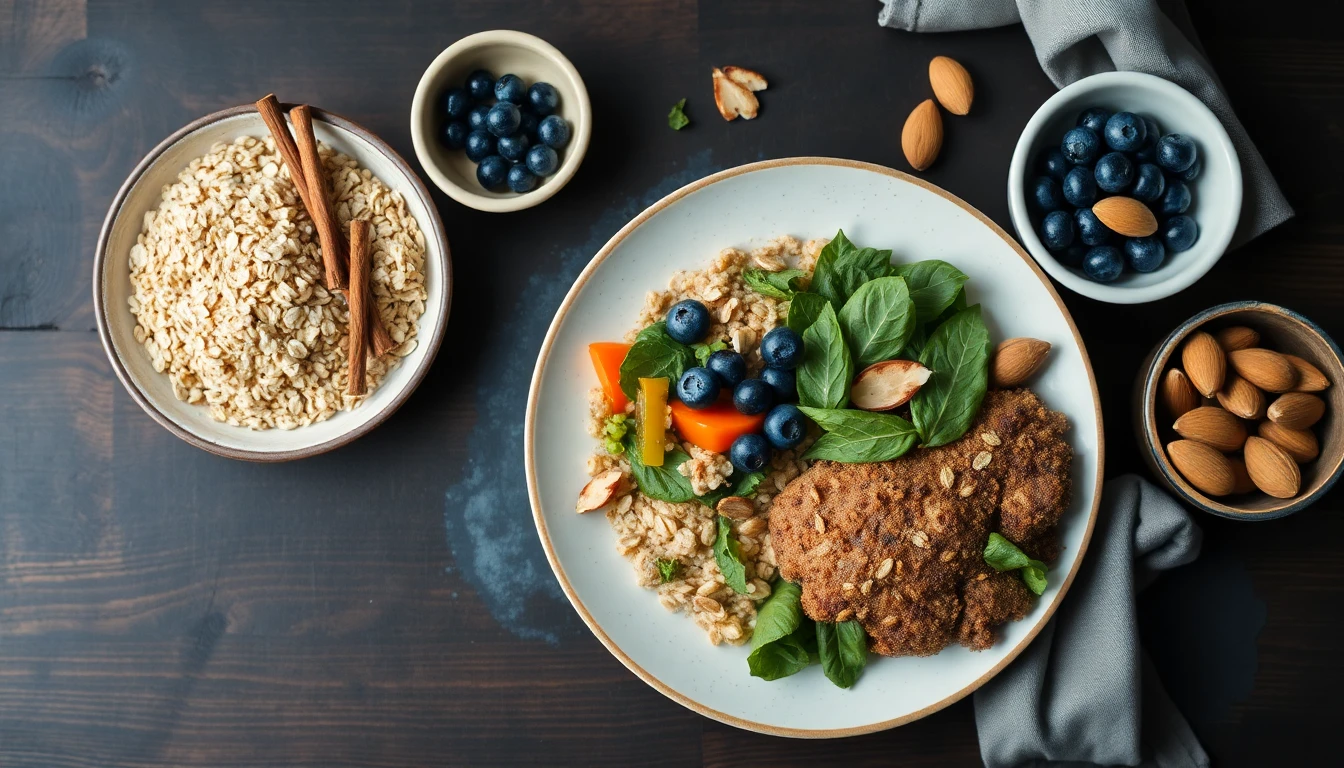
Shift Work Meal Timing: Support Your Circadian Rhythm
Shift work meal timing made practical: when to eat on nights, how to time protein and caffeine, and how to avoid 3am blood sugar crashes. Plain, tested advice.

By Reece Douglas · Founder, FreshPlate
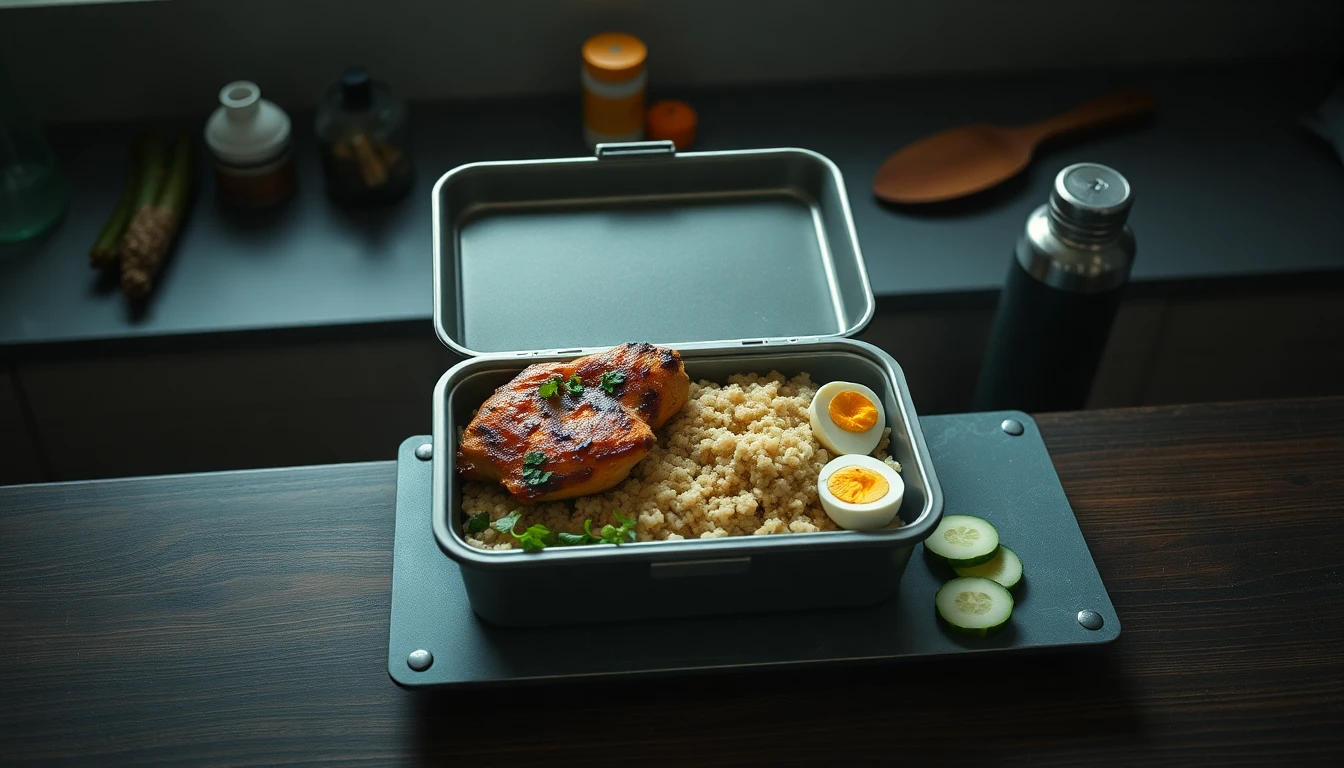
Eat your main meal before a night shift starts, not in the small hours. Your body handles a large meal worst between midnight and 6am, which is when most people on nights eat their worst.
Below: when to eat, how to use protein to stay steady, how to avoid the 3am crash, and how to time caffeine so you can still sleep at 8am.
What is the best shift work meal timing for night shifts?
Eat your largest meal before the shift, have a small snack of around 200 to 300 kcal during it, and avoid heavy meals between midnight and 6am. Your body clock keeps pushing for sleep at night and digestion works less efficiently then. Studies of simulated night work show glucose handling is worse when people eat at night than when they eat the same food by day, which is why the same meal can leave you feeling worse at 3am than at 3pm.
Most people on permanent nights never fully flip their body clock, because daylight, family life and days off pull it back. Treat the plan below as a way to reduce the strain, not as a fix. A pattern you can repeat on every shift beats a perfect plan you abandon by Wednesday.
A workable template for a 7pm to 7am shift:
- 5 to 6pm, main meal — eat a full, balanced plate: lean protein, slow-release carbohydrate and vegetables. This is your last big meal of the night.
- Around midnight to 1am, light meal — keep it to roughly 300 to 400 kcal with protein and fibre, such as eggs on wholegrain toast or a bean salad.
- Around 3 to 4am, small snack only — a handful of nuts, a yoghurt or an apple with nut butter. Skip anything heavy or sugary.
- After the shift, small breakfast — a light protein-led meal about 30 to 60 minutes before sleep if you are hungry. Going to bed starving wakes you early.
Why eating at night is harder on your body
Your roughly 24-hour internal clock sets when you are alert, when you sleep and how you process food. Insulin response is generally weaker in the biological night, so the same carbohydrate load produces a higher blood glucose reading. Over years, this is one reason long-term night work is associated with a higher risk of type 2 diabetes and weight gain.
You need not fast all night. Eat smaller portions, choose steadier foods and avoid late, large, high-sugar meals.
Fixed nights versus rotating shifts
If you work fixed nights, keep meal times as consistent as you can, including on days off, even if you drift a little. If you rotate, anchor to the shift you are about to work: eat your main meal at the start of your waking period, whatever the clock says.
On the first night of a rotation, expect poorer appetite control and more cravings. Prepare food in advance so the decision is already made.
Does protein timing help on night shifts?
Yes, spreading protein across the shift helps you stay full and steady, and roughly 20 to 30 g at each main meal is a practical target. Protein slows the rise in blood sugar after a meal and keeps hunger down longer than carbohydrate alone, which matters when vending machines and biscuit tins are within reach.
You do not need supplements. Whole foods cover it, and the portions are modest. Here is how common options compare:
- Two eggs on wholegrain toast — good choice — about 14 to 18 g protein, quick to prepare, easy to carry as hard-boiled eggs.
- Grilled chicken with rice and vegetables — best before-shift meal — around 30 g protein plus slow-release carbohydrate.
- Greek yoghurt with berries — good 3am snack — roughly 10 g protein per 150 g pot, light on the stomach.
- Tinned fish on crackers — good choice — oily fish adds protein and healthy fats; keep the portion modest overnight.
- Handful of nuts (about 30 g) — fine as a snack — protein and fat keep you full, but they are energy dense, so measure rather than graze.
- Protein bars — limit — convenient, but many are high in sugar; check the label for under 10 g sugar.
Protein after the shift
A protein-led meal after the shift supports muscle repair if you train or need to recover. Keep it light if you are about to sleep. Two eggs, a small bowl of porridge made with milk, or cottage cheese with fruit are gentle enough not to disturb sleep. For wider background on food and energy, see our guide to blood sugar control foods.
How do you avoid blood sugar crashes on a night shift?
Pair carbohydrate with protein or fibre every time you eat, and avoid gaps longer than about 4 hours between food. A crash usually follows a quick spike: sugary drink or biscuit, rapid rise, then a drop that leaves you shaky, foggy and craving more of the same around 3am.
Slow-release carbohydrates with fibre release glucose gradually, and the protein alongside blunts the peak. If you have diabetes or take glucose-lowering medicines, your plan needs to match your treatment, so speak to your diabetes team about night work before changing anything. Diabetes UK also publishes practical guidance on shift work.
Quick swaps that make a measurable difference:
- Wholegrain toast, oats, brown rice — choose — slower glucose release and more fibre than white versions.
- Fruit with nuts or yoghurt — choose — the fat and protein slow the sugar rise.
- Energy drinks (often 27 g or more sugar per can) — avoid — a fast spike followed by a crash, plus a heavy caffeine hit.
- Sweets, biscuits, vending machine chocolate — limit — fine occasionally, but they are the usual cause of the 3am dip.
- Water or herbal tea between meals — choose — thirst is often mistaken for hunger and tiredness.
Warning signs worth acting on
Shakiness, sweating, sudden hunger and difficulty concentrating suggest low blood sugar. A small carbohydrate-plus-protein snack usually settles it. If you have diabetes and these happen repeatedly, or you have symptoms you cannot explain, speak to your GP or diabetes nurse rather than managing it alone.
Plan the vending-machine problem away
Most night-shift crashes are logistics, not willpower. If healthy food is not in your bag, whatever is on the wall will win. Batch-cooked portions that travel well solve most of it, and our guide to batch cooking and freezer meals covers how to prepare a week of shifts in one session.
When should you stop caffeine on a night shift?
Stop caffeine at least 6 hours before you plan to sleep, which for a 7am finish means your last coffee at about 1am. Caffeine has a half-life of roughly 5 to 6 hours in most adults, so a coffee at 4am can still be half-active when you go to bed at 8am, and it cuts both the length and quality of daytime sleep.
Used deliberately, caffeine works well. Used constantly, it just stacks up. A sensible approach:
- Up to 400 mg a day — safe limit for most healthy adults — that is roughly four cups of instant or filter coffee; the NHS gives a lower limit of 200 mg for pregnancy.
- One coffee early in the shift (about 100 mg) — good use — one mug of instant coffee holds roughly 100 mg, enough to lift alertness when you need it.
- Small doses spread out (around 50 to 100 mg) — better than one huge dose — keeps alertness steadier with fewer jitters.
- Caffeine in the last 6 hours before bed — avoid — it is the main reason daytime sleep after nights is short and broken.
- Energy drinks and caffeine tablets — limit — easy to overshoot the 400 mg ceiling without noticing, especially on top of tea and coffee.
Caffeine and your medicines
Some medicines interact with caffeine or change how quickly you clear it. If you take medication for blood pressure, heart rhythm, thyroid conditions or ADHD, caffeine can add to side effects such as palpitations or poor sleep. Our piece on ADHD and coffee shows how this plays out in practice, and your pharmacist can advise on your specific tablets.
FreshPlate has a free food–medication interaction checker that tells you which foods and drinks, caffeine included, affect your specific medicines.
Sleeping after nights: what to eat and when
Have a small, light meal 30 to 60 minutes before sleeping, and avoid both a large meal and an empty stomach. A heavy breakfast right before bed can cause reflux and restless sleep, while going to bed hungry often wakes you after three or four hours.
Good pre-sleep choices are about 150 to 250 kcal: a small bowl of porridge, a banana with a spoonful of peanut butter, or a slice of wholegrain toast with cottage cheese. Keep alcohol out of the routine. It may help you drop off, but it fragments sleep, and sleep after nights is already fragile.
Light matters too. Wear sunglasses on the journey home, sleep in a dark, cool room and keep the same sleep window as often as your life allows. Food timing works best on top of those habits.
Making shift work meal timing automatic with FreshPlate
Planning meals around a changing rota, a body clock that will not cooperate and possibly medication is a lot to hold in your head. FreshPlate builds recipes around your shift pattern, your medicines and your dietary needs, so the pre-shift meal, the 3am snack and the post-shift breakfast are already chosen and the portions are set.
If you take regular medication, FreshPlate also flags foods and drinks, including coffee and energy drinks, that interact with it, so you are not guessing at 2am. Tell it your shift times once and it adjusts as your rota changes.
Frequently asked questions
What should I eat during a night shift?
+
Eat a full meal before the shift, then a light 300 to 400 kcal meal around midnight to 1am, and only a small snack around 3 to 4am. Choose protein with fibre, such as eggs, yoghurt, nuts or bean salad, over sugary foods.
Is it better to eat or fast on a night shift?
+
Eating small, regular portions is better for most people than fasting through the night. Long gaps lead to cravings and crashes, but large meals between midnight and 6am are harder to digest and handle poorly, so keep them small.
How much caffeine is safe on a night shift?
+
Up to 400 mg a day is considered safe for most healthy adults, about four mugs of instant coffee at roughly 100 mg each. Stop at least 6 hours before you plan to sleep.
Why do I crave sugar at 3am on nights?
+
Tiredness, a body clock pushing for sleep and a weaker insulin response all raise cravings for quick energy. Eating protein and fibre earlier in the shift and keeping healthy snacks to hand reduces the pull.
Does night shift work cause weight gain?
+
Night work is associated with a higher risk of weight gain and type 2 diabetes, probably because of disrupted sleep, late eating and more snacking. Regular meal times, smaller night-time portions and good sleep help reduce the risk.
Sources
Did this answer your question?
Reece reads every reply. Questions we have not covered become new guides.
Small food changes. Big difference.
Get practical shift work tips by email — simple, evidence-based changes you can make this week. One genuinely useful email a week — no spam, unsubscribe anytime.
Free forever. You'll also be first in line for the FreshPlate app — with a free trial at launch.