Can I Eat Chocolate With Solifenacin? Bladder Tips
Can I eat chocolate with solifenacin? Yes, there is no direct interaction, but caffeine can worsen bladder symptoms. Food tips for dry mouth and constipation.

By Reece Douglas · Founder, FreshPlate
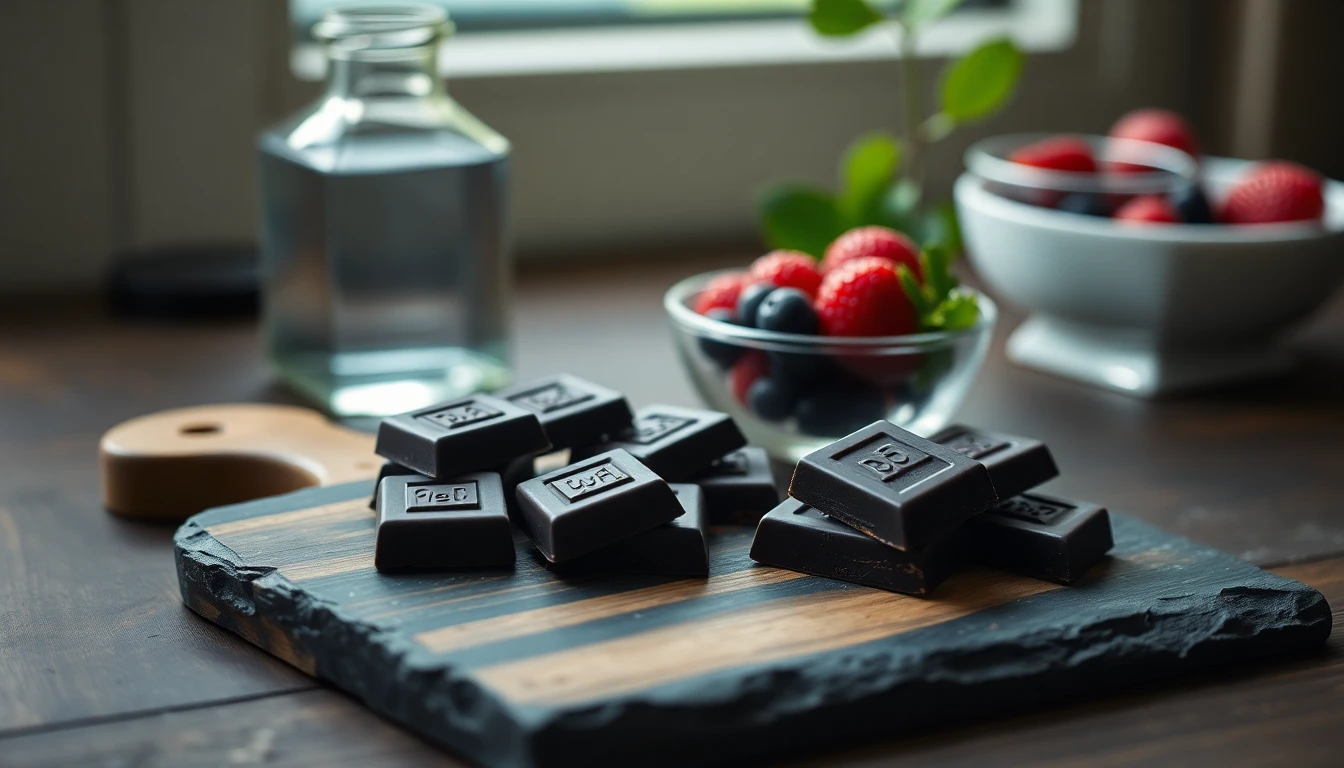
Yes, you can eat chocolate while taking solifenacin. Nothing in the official guidance says the two interact, and you can take the tablets with or without food.
The catch is caffeine. Chocolate contains some, and caffeine can work against solifenacin. Below: how much to worry, what else to watch, and what helps with constipation and dry mouth.
Can I eat chocolate with solifenacin?
Yes. There is no direct interaction between solifenacin and chocolate, and the NHS says you can take solifenacin with or without food. The question is comfort, not safety: whether chocolate makes your bladder symptoms harder to manage.
The NHS does not name chocolate specifically. It advises cutting down on drinks containing caffeine, such as tea, coffee, cola and energy drinks, if you have urinary incontinence, because caffeine can increase how much you pee. Chocolate contains caffeine too, so the same logic applies in principle, though a few squares delivers far less than a mug of coffee.
Treat chocolate as something to test rather than ban. Eat your usual amount for a week, notice whether urgency or night-time trips change, then adjust.
- Milk chocolate, small portion — usually fine — lower in caffeine than dark chocolate, so less likely to affect your bladder
- Dark chocolate, large portion — take care — higher cocoa content means more caffeine, which may increase how much you pee
- Chocolate drinks and hot chocolate — take care — you are adding fluid as well as caffeine, and drinking a lot in the evening can worsen night-time symptoms
- Chocolate-flavoured sweets with no cocoa — fine — little or no caffeine
What the experts say
“You can take solifenacin with or without food.”
Why caffeine matters more than chocolate itself
Solifenacin relaxes the bladder muscle so you get fewer sudden urges and fewer leaks. Caffeine pushes the other way: the NHS notes it can increase how much you pee, which can undo some of the benefit.
The bigger wins are usually in your drinks rather than your snacks. The NHS lists tea, coffee, cola and energy drinks as the main sources to cut down on if you have urinary incontinence.
Cut back gradually. Dropping several coffees a day overnight can bring headaches. Swapping one cup at a time for decaf or herbal tea is easier to stick with, and our post on caffeine and coffee effects covers how to taper without feeling rough.
Caffeine sources compared
Use this as a guide to where to start if you reduce caffeine.
- Coffee — cut down — caffeine can increase how much you pee
- Tea — cut down — same reason; swap some cups for decaf or herbal
- Cola — cut down — caffeine plus often a lot of sugar
- Energy drinks — cut down — caffeine, usually in large amounts
- Chocolate — keep portions modest — contains caffeine, but typically much less per serving than a cup of coffee
- Water — fine — the NHS advises drinking the right amount through the day, not too much or too little, as either can make incontinence worse
Alcohol and solifenacin
Alcohol is a separate issue from caffeine. The NHS advises trying not to drink alcohol when you first start solifenacin, or if your dose is increased, until you see how the medicine makes you feel, because the combination can make you feel very sleepy. It also helps to cut down on alcohol if you have urinary incontinence.
What about grapefruit with solifenacin?
Be cautious with grapefruit, mainly at higher doses. Grapefruit and its juice can slow the breakdown of some medicines in the body, which may raise the amount of drug in your blood. Solifenacin is broken down by the same liver enzyme system that grapefruit affects, so the licensed product information advises care, particularly if you take the higher 10 mg dose or have liver or kidney problems.
If you take 5 mg and have a glass of grapefruit juice now and then, a serious problem is unlikely, but mention it to your pharmacist rather than guess. If you eat or drink grapefruit regularly, ask your pharmacist or prescriber before continuing. Our guide to calcium channel blockers and grapefruit explains the mechanism in more detail.
Turmeric is another to flag. The NHS says some herbal products such as turmeric may change the way your body processes solifenacin, so check before taking turmeric supplements.
Constipation and dry mouth: eating around the side effects
Constipation and dry mouth are common side effects of solifenacin, and food and drink can help with both. The NHS suggests getting more fibre into your diet, such as fresh fruit and vegetables and cereals, and drinking plenty of water.
Fibre needs fluid to work, but the NHS also warns that drinking too much or too little can make incontinence worse. Spread your drinks across the day, and ease off in the last couple of hours before bed if night-time trips are a problem.
Easing constipation
Build fibre up gradually so you do not trade constipation for bloating.
- High-fibre cereals — fine — help with constipation; eat more if you get constipated
- Fresh fruit — fine — adds fibre and fluid; berries, pears and kiwi are easy options
- Vegetables — fine — aim for a portion with most meals
- Lentils, peas, beans and onions — take care — useful fibre, but they can cause wind and bloating, so eat less if you get bloated
Easing dry mouth
Sip water through the day and keep it nearby.
- Sugar-free gum — fine — chewing encourages saliva
- Sugar-free sweets — fine — the NHS suggests sucking them for dry mouth, and sugar-free keeps your teeth protected
- Sugary sweets and chocolate — take care — if your mouth is dry, sugar lingers on your teeth, so brush well and do not graze all day
If you feel sick
Nausea can occur. The NHS suggests taking your tablets with food, and avoiding rich or spicy food if you feel sick, as they may make nausea worse. Rich chocolate desserts fall into the first category, so go light on them if your stomach is unsettled.
A bladder-friendly day of eating on solifenacin
There is no special solifenacin diet. The aim is a pattern that keeps your bowels moving, your mouth comfortable and your bladder calm, without giving up everything you enjoy.
For meals that bring fibre up gently, our anti-inflammatory foods list has plenty of vegetable- and fruit-based options.
- Breakfast — porridge or a high-fibre cereal with fresh fruit and a decaf or herbal drink — gets fibre in early and keeps caffeine low
- Mid-morning — water or a weak cup of tea if you want one — one caffeinated drink is a good place to test your tolerance
- Lunch — vegetable soup or a salad with wholegrain bread — fibre without heavy richness
- Afternoon — a piece of fruit and a few squares of chocolate if you like — small portion, earlier in the day, so any effect on your bladder is less likely to disturb your sleep
- Evening — a balanced meal with plenty of vegetables, and fewer drinks in the last couple of hours before bed — may reduce night-time trips
- Tablets — at the same time each day, with or without food — the NHS confirms either is fine
How FreshPlate helps you eat around solifenacin
FreshPlate's free food–medication interaction checker lets you look up solifenacin and see which foods and drinks are fine, which need care and why, in plain language.
In the app, your medication, conditions and dietary needs shape your recipes. For solifenacin that means meal ideas that add fibre for constipation, keep caffeine low and avoid heavy, rich dishes if you tend to feel sick, without cross-checking every ingredient yourself. It supports your pharmacist's advice and does not replace it.
Frequently asked questions
Can I eat chocolate while taking prednisone?
+
Yes, there is no known direct interaction between prednisone and chocolate, so an occasional treat is fine. Prednisone can raise appetite and blood sugar, so keep portions sensible, and ask your pharmacist if you are unsure about your own situation.
Can I eat chocolate with solifenacin?
+
Yes, there is no direct interaction between chocolate and solifenacin. Chocolate contains some caffeine, which can increase how much you pee, so keep portions modest if your bladder symptoms are not well controlled.
Should I avoid coffee and tea on solifenacin?
+
You do not have to avoid them, but the NHS advises cutting down on caffeinated drinks such as tea, coffee, cola and energy drinks if you have urinary incontinence. Swapping some cups for decaf or herbal alternatives is an easy first step.
Can I take solifenacin with food?
+
Yes, you can take solifenacin with or without food. Taking it with food may help if the tablets make you feel sick.
What can I eat to help with constipation caused by solifenacin?
+
The NHS suggests more fibre from fresh fruit, vegetables and cereals, plus plenty of water. Introduce fibre gradually, and ask your pharmacist if constipation continues.
Sources
Did this answer your question?
Reece reads every reply. Questions we have not covered become new guides.
Eating around solifenacin shouldn’t be guesswork.
Get our free solifenacin food guide by email — the foods to watch, safe swaps, and meal ideas that work with your medication. One genuinely useful email a week — no spam, unsubscribe anytime.
Free forever. You'll also be first in line for the FreshPlate app — with a free trial at launch.