What to Eat With ADHD Meds: Appetite and Timing
What to eat with ADHD meds: why stimulants cut appetite, why breakfast before the dose helps, how to eat well when hungry, and when to snack later.

By Reece Douglas · Founder, FreshPlate
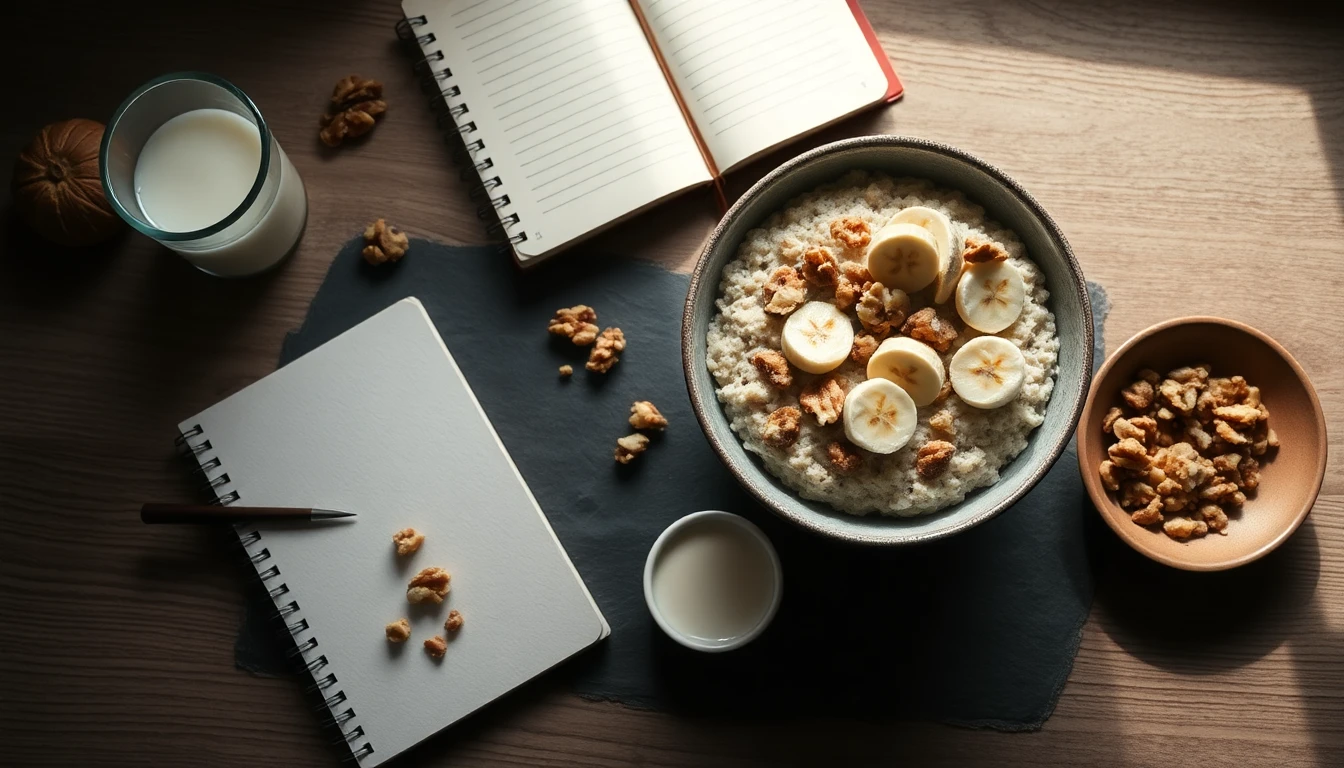
Eat breakfast before or with your ADHD stimulant. For many people appetite drops sharply within an hour or two of the dose and may not return until the evening. Reduced appetite is a common side effect of these medicines, and planning manages it.
This article covers what to eat and when, how to get enough nutrition in the hours you are hungry, and the one food-and-drink interaction worth asking your prescriber about.
Why do ADHD meds suppress appetite?
Stimulant ADHD medicines such as methylphenidate, lisdexamfetamine and dexamfetamine commonly reduce appetite, and decreased appetite is listed as a common side effect in their official patient information. The effect is usually strongest while the dose is working, then fades as it wears off.
The result is a familiar pattern: little or no hunger from mid-morning to late afternoon, then a rush of hunger in the evening. Left unmanaged, this can mean skipping meals, eating most of the day's food late at night, and over time losing weight or missing out on nutrients. Children and teenagers are monitored for growth and weight for this reason, and adults are usually asked to report significant weight loss.
Non-stimulant medicines such as atomoxetine and guanfacine can also affect appetite, though the pattern differs. If your medicine is not a stimulant, the timing advice below still applies, but check the patient information leaflet for your specific tablet.
- Methylphenidate (Ritalin, Concerta, Equasym) — appetite loss is common — often strongest in the hours after the dose, with hunger returning as it wears off
- Lisdexamfetamine (Elvanse) — appetite loss is common — the effect can last through the day because the dose is long-acting
- Dexamfetamine — appetite loss is common — shorter-acting tablets mean the dip is more clearly tied to dose times
- Atomoxetine — appetite loss is possible — often settles after the first weeks, and taking it with food can reduce nausea
Should I eat breakfast before taking ADHD medication?
Yes, eating breakfast before or alongside your dose is the single most useful habit, because once the medicine takes effect you may not feel like eating for hours. Get a real meal in while your appetite still exists.
Taking the dose with or just after food also tends to be gentler on the stomach. Nausea, stomach ache and reduced appetite are all listed side effects, and a settled stomach makes the first meal easier to finish. On a once-daily long-acting product, the timing of that first meal matters most, because the effect carries through the day.
Eating when you are not hungry feels like a chore, so make breakfast easy and high in value rather than large. For children, our guide to the best breakfast for ADHD kids has practical ideas that work when mornings are rushed.
What a good ADHD-medication breakfast contains
A good breakfast has protein, a slow-release carbohydrate and some fat. This combination keeps you fuller and steadier than sugary cereal or a plain slice of toast, which matters because you may eat little else until the evening.
- Porridge made with milk, plus nuts and fruit — good choice — slow carbohydrate, protein and fat in one bowl
- Eggs on wholegrain toast — good choice — roughly 12 g of protein from two eggs, with fibre from the bread
- Greek yoghurt with oats and berries — good choice — easy to eat when appetite is low, and needs no cooking
- Peanut butter on wholegrain toast with a banana — good choice — quick, energy-dense and portable
- Sugary cereal or pastry alone — limit — fast energy, little protein, and you will be hungry sooner than you can eat again
What if you cannot face food in the morning?
If solid food is a struggle, a smoothie or a glass of milk with a banana still counts. Liquid calories go down more easily than a plate of food when appetite is suppressed. Blend milk or a fortified plant drink with oats, a spoonful of nut butter and fruit for a breakfast that takes two minutes and needs no chewing.
What should I eat when my appetite comes back?
Eat the most nutrient-dense meal you can when hunger returns, because this window is when most of your day's nutrition has to happen. For many people on stimulants that is late afternoon or evening, and the temptation is to fill it with whatever is fastest.
Fast food and snack foods are fine occasionally, but if they become the only meal of the day, protein, fibre, iron, calcium and vitamins can fall short. A plate built around protein, vegetables and a starchy carbohydrate does the job. Our article on foods that support focus and concentration in ADHD covers the key nutrients in more detail.
Planning helps more than willpower. Hunger arrives fast and decision-making is not at its best, so having something ready beats cooking from scratch. A freezer stocked with portioned meals removes the problem, and batch cooking healthy freezer meals is a practical way to do it on a day when you feel well.
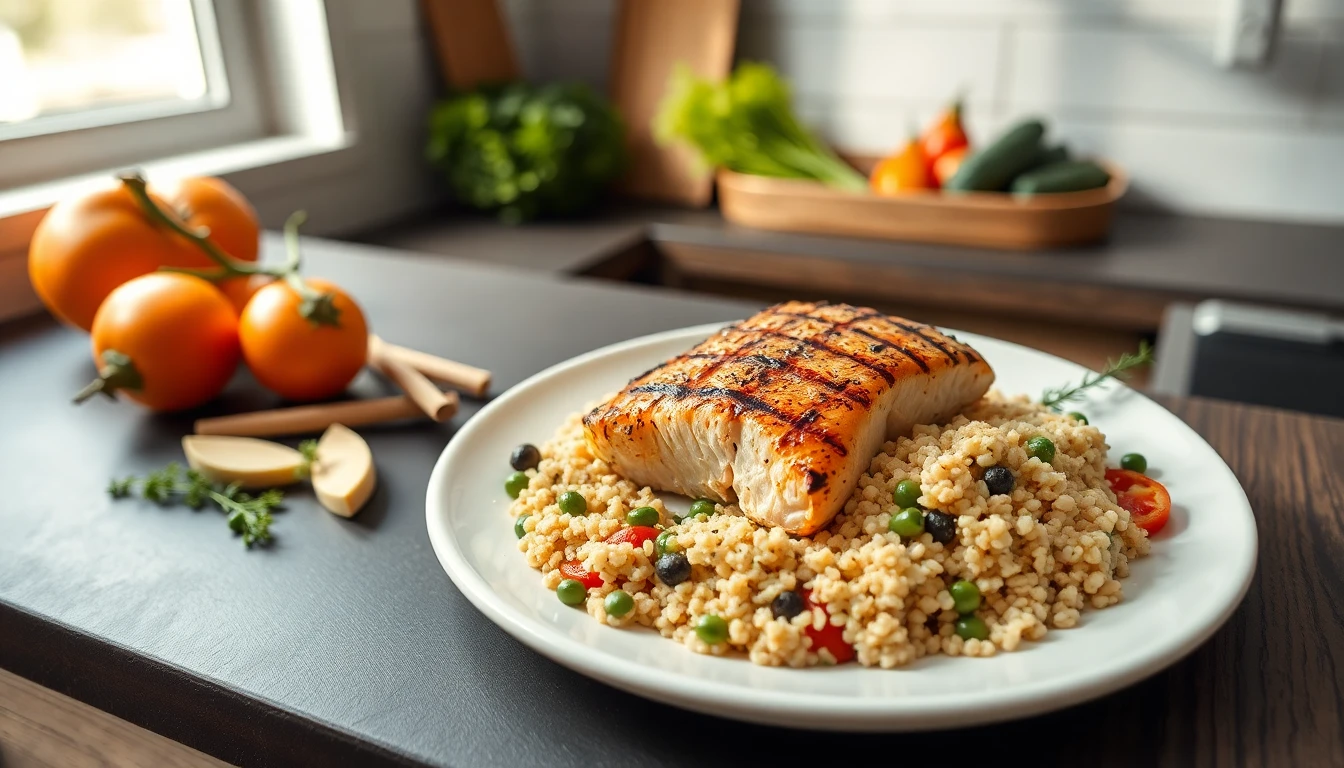
- Salmon, rice and broccoli — strong choice — protein, omega-3 fats and fibre in one plate
- Chicken and vegetable stew with potatoes — strong choice — protein, vegetables and slow carbohydrate, and it reheats well
- Lentil and vegetable curry with rice — strong choice — plant protein, iron and fibre
- Omelette with cheese, peppers and a side of beans — strong choice — quick, high protein and filling
- Takeaway or ready meal every evening — limit — convenient, but often low in vegetables and high in salt
What are the best snacks for later in the day?
The best late-day snacks combine protein and fibre, such as nuts with fruit, yoghurt with oats, or hummus with wholemeal pitta. Snacking later in the day is not a failing; it is a sensible response to appetite that has been switched off for most of it.
Keep the snacks easy. When the medication wears off you may be tired and irritable as well as hungry, so anything that takes effort is likely to lose out to biscuits. Leave options within reach and aim for roughly 10 to 20 g of protein in your evening snacks if your main meals have been light.
The same principle holds for children. Our list of ADHD snacks for kids covers options that are easy to hand over after school, when the dose has worn off and hunger arrives.
- Handful of nuts and a piece of fruit — good choice — fat, protein and fibre together, no preparation
- Greek yoghurt with honey and oats — good choice — around 10 g of protein per 150 g pot of plain Greek yoghurt
- Hummus with wholemeal pitta and carrot sticks — good choice — protein, fibre and slow carbohydrate
- Cheese and wholegrain crackers — good choice — protein and calcium, easy to prepare
- Crisps, sweets or biscuits alone — limit — quick to eat but leave you hungry again soon
Do vitamin C and acidic drinks affect ADHD medication?
Possibly, for some amphetamine-based medicines, but the evidence is limited, so ask your prescriber or pharmacist rather than change anything on your own. Acidic drinks and foods taken with the dose could reduce how much of certain stimulants is absorbed.
The clearest basis concerns amphetamine-type medicines. The UK product information for some of them advises that substances that acidify the stomach or urine, including ascorbic acid (vitamin C) and fruit juices, can lower the amount of drug absorbed or speed its removal, which may reduce its effect. For this reason, some prescribers suggest taking the dose with water and keeping orange juice or large vitamin C supplements away from it by an hour or so.
You do not need to avoid fruit or vitamin C altogether. It is mainly a timing question around the dose, and it applies most to certain amphetamine-based products rather than every ADHD medicine. Methylphenidate and non-stimulants are treated differently, so read the leaflet for your own medicine.
FreshPlate's free food-medication interaction checker lets you look up your ADHD medicine and see which foods and drinks have known timing or absorption considerations.
- Orange juice taken with the dose — ask your prescriber — acidic drinks may reduce absorption of some amphetamine-based medicines
- High-dose vitamin C supplements near the dose — ask your prescriber — the same acidity concern applies
- Water with the dose — fine — no known interaction
- Fruit and vegetables eaten as part of meals — fine — normal dietary amounts are not the concern, and food away from the dose time is unaffected
How does coffee fit in, and how does FreshPlate help?
Caffeine adds to the stimulant effect of ADHD medicines, so heavy coffee drinking can worsen jitteriness, a racing heart and poor sleep, and can suppress appetite further. Many people find that keeping caffeine modest on dose days makes both the medicine and eating easier. Our guide to ADHD and coffee explains how to judge your own limit.
Tell your prescriber about changes in weight, appetite or sleep. Dose, formulation or timing can often be adjusted, and that conversation is far more effective than quietly skipping meals.
FreshPlate builds meal plans around your medicines and conditions, so the timing and nutrient-density points in this article are handled for you. You enter your ADHD medication and dose times, and the app plans a breakfast before the dose, a substantial meal for when your appetite returns, and snacks for the evening, while flagging any food or drink worth checking with your prescriber.
Frequently asked questions
What should I eat when taking ADHD medication?
+
Eat a protein-rich breakfast before or with your dose, then a nutrient-dense meal when appetite returns, and plan snacks for the evening. Good options include eggs on wholegrain toast, porridge with nuts, salmon with vegetables and rice, and yoghurt with oats.
Why do I have no appetite on ADHD medication?
+
Reduced appetite is a common side effect of stimulant ADHD medicines such as methylphenidate and lisdexamfetamine. It is usually strongest while the dose is active and eases as it wears off, often leaving you hungry in the evening.
Should I take ADHD medication on an empty stomach?
+
Most people do better eating breakfast first or taking the dose with food, which can ease nausea and stomach ache. Check your leaflet, because advice varies slightly between medicines and formulations, and ask your pharmacist if unsure.
Can I drink orange juice with ADHD medication?
+
It depends on the medicine. Acidic drinks and vitamin C may reduce absorption of some amphetamine-based medicines, so ask your prescriber or pharmacist and consider taking your dose with water instead.
How can I stop losing weight on ADHD medication?
+
Eat breakfast before the dose, make the most of meals when you are hungry, and keep calorie-dense snacks such as nut butter, yoghurt and cheese within reach. If weight keeps falling, tell your prescriber, as the dose or timing can often be adjusted.
Sources
Did this answer your question?
Reece reads every reply. Questions we have not covered become new guides.
Get the essentials, straight to your inbox.
Get our free ADHD guide by email — the key takeaways, food lists, and meal ideas from this guide, ready when you need them. One genuinely useful email a week — no spam, unsubscribe anytime.
Free forever. You'll also be first in line for the FreshPlate app — with a free trial at launch.