Is Banana Good for Ankylosing Spondylitis? Diet Guide
Is banana good for ankylosing spondylitis? Yes, in sensible portions. See what bananas, starch, potassium and other fruits can and cannot do for AS.

By Reece Douglas · Founder, FreshPlate
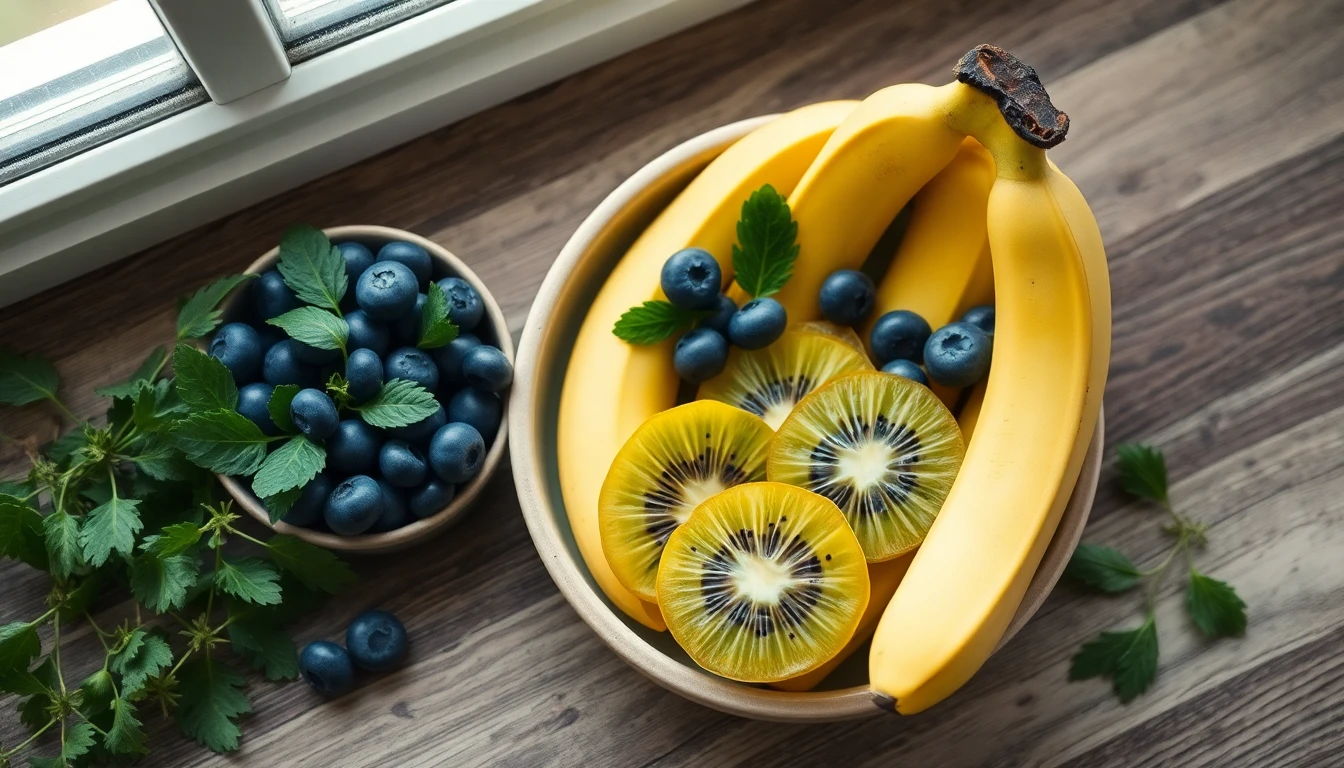
Yes, a banana is a sensible choice if you have ankylosing spondylitis (AS). It gives you about 420 mg of potassium, 3 g of fibre and a steady energy lift, and nothing in the evidence says it makes AS worse.
It will not calm your spine, though. The real value is in your overall eating pattern. This guide covers where bananas fit, the starch question that keeps coming up in AS circles, and which other fruits are worth buying.
Is banana good for ankylosing spondylitis?
Yes, one medium banana (about 120 g peeled) a day suits most people with AS, as a source of potassium, fibre and vitamin B6 rather than as a treatment. No trial shows that bananas reduce AS inflammation or slow the disease. Their case rests on what they provide and on being a convenient, low-effort whole food.
AS is a form of inflammatory arthritis that mainly affects the spine and sacroiliac joints. Treatment is medicines and movement: NSAIDs, physiotherapy and exercise first, then biological drugs if needed. Food plays a supporting role. Eating well helps with energy, weight, bone health and cardiovascular risk, all of which matter in a long-term condition.
- Potassium (about 420 mg per medium banana) — supports normal blood pressure and muscle function, which matters if you take NSAIDs regularly
- Fibre (about 3 g) — feeds gut bacteria and helps keep bowels regular, useful when painkillers cause constipation
- Vitamin B6 (about 0.4 mg) — contributes to normal energy metabolism and immune function
- Convenience — a banana is easy to eat on a stiff, tired morning when cooking feels like too much
Does potassium in bananas reduce inflammation?
No, potassium has not been shown to reduce the joint and spinal inflammation of AS. Potassium helps regulate fluid balance, nerve signals and blood pressure. Population studies link higher potassium intake with lower blood pressure, but that is a cardiovascular benefit, not an anti-inflammatory one for your joints.
That cardiovascular link still matters. People with AS have a higher risk of heart and circulation problems than the general population, and long-term NSAID use can nudge blood pressure up. Getting your 3,500 mg of potassium a day, the UK adult reference intake, from food is a sensible protective habit. A banana gets you roughly an eighth of the way there.
One caution: if you take an ACE inhibitor, an ARB or a potassium-sparing diuretic, or have reduced kidney function, potassium can build up in the blood. Bananas are fine for most people on these drugs in normal amounts, but ask your pharmacist or GP before eating several a day. Our guide to potassium-rich foods and ACE inhibitors explains the thresholds.
Potassium per portion: banana against other foods
Bananas are good but not exceptional for potassium. Approximate values per typical portion:
- Baked potato with skin (180 g) — high — about 900 mg or more, more than two bananas
- Cooked spinach (80 g) — high — about 450 mg, similar to one banana
- Medium banana (120 g) — moderate — about 420 mg
- Orange (150 g) — moderate — about 240 mg
- Apple (150 g) — lower — about 160 mg
Should I avoid starch if I have ankylosing spondylitis?
No, you do not need to avoid starch, and the evidence for a low-starch diet in AS is weak. The idea comes from the London AS Diet, which proposes that Klebsiella bacteria in the gut feed on starch and trigger immune cross-reactions in people carrying the HLA-B27 gene. Some small studies found higher Klebsiella antibodies in people with AS, and one small uncontrolled study of a low-starch diet reported symptom improvements. That is a hypothesis, not proof.
Larger, better-controlled trials have not confirmed that cutting starch changes disease activity, and no UK clinical guideline recommends it. A very restrictive diet carries real costs: you can lose weight you do not need to lose, miss fibre and B vitamins, and make eating socially miserable. If you want to test it, treat it as a time-limited experiment, keep a symptom diary, and involve a registered dietitian.
Bananas sit awkwardly in this debate. A ripe banana is about 20 g of carbohydrate, mostly sugars. An unripe green banana is higher in resistant starch, which is not digested in the small intestine and reaches the colon. Resistant starch is normally considered good for gut bacteria, but followers of the low-starch theory sometimes avoid green bananas for exactly that reason. Ripe ones are generally the safer pick under that approach.
- Ripe banana (yellow, a few brown spots) — fine — mostly sugars and less resistant starch
- Green or just-yellow banana — your call — more resistant starch, which is good for most guts but avoided on a strict low-starch trial
- White bread, pasta, potatoes — fine in normal portions — no proven harm in AS, choose wholegrain where you can
- Ultra-processed starchy snacks — limit — high in refined starch, salt and sugar, with little else to offer
What is the best diet for ankylosing spondylitis?
The best-supported eating pattern for AS is a Mediterranean-style, anti-inflammatory diet: plenty of vegetables, fruit, pulses, wholegrains, oily fish, nuts and olive oil, with little processed food or red meat. No diet is proven to change AS activity itself, but this pattern has the best evidence for protecting your heart, bones and weight, and some studies link it with lower inflammatory markers.
Our anti-inflammatory foods list covers the basics in more detail. The practical version for AS:
- Oily fish (2 portions a week, one of them oily, about 140 g each) — include — omega-3 fats, vitamin D and protein
- Vegetables and fruit (5 portions of 80 g a day) — include — fibre, vitamin C and polyphenols
- Wholegrains, beans, lentils — include — fibre and steady energy
- Nuts, seeds, olive oil — include — unsaturated fats
- Processed meat, sugary drinks, deep-fried food — limit — linked to weight gain and poorer cardiovascular health
- Alcohol — limit — adds to stomach irritation from NSAIDs; stay within 14 units a week
Bone health matters more than most people expect
AS carries a higher risk of osteoporosis, including in the spine. Aim for 700 mg of calcium a day from food, and consider a vitamin D supplement of 10 micrograms daily through autumn and winter, as NHS advice recommends for everyone in the UK. If you take alendronic acid or a similar bone drug, timing matters: see our alendronic acid food timing guide.
Take NSAIDs with food
Take ibuprofen, naproxen or similar NSAIDs with a meal or a snack rather than on an empty stomach, as they can irritate the stomach lining. A banana and a glass of milk is better than nothing, though a proper meal is better still.
What are the best fruits for joint health?
The best fruits for joint health are berries, cherries, citrus fruit, kiwi and apples, alongside bananas, because they offer the broadest mix of vitamin C, fibre and plant polyphenols. No single fruit protects joints, so variety beats picking a favourite. Aim for five portions of fruit and vegetables a day; an 80 g portion is roughly one medium banana, one apple or a small handful of berries.
Fruit juice counts as at most one portion a day (150 ml), because the sugars are released and the fibre is lost. Dried fruit counts too, but a 30 g portion is small and sticks to teeth.
- Blueberries and strawberries — good choice — anthocyanins and vitamin C, with low sugar for the portion
- Tart cherries — good choice — small studies in gout and exercise recovery, but no AS trials
- Oranges and kiwi — good choice — vitamin C, which the body needs to make collagen
- Apples and pears — good choice — soluble fibre and very easy to carry
- Banana — good choice — potassium and convenience, one a day is plenty
- **Grapefruit — check first — interacts with some medicines, including certain statins and calcium channel blockers; see the grapefruit and calcium channel blockers guide**
How FreshPlate handles AS-friendly eating
FreshPlate builds recipes around the medicines you take and the conditions you live with, so an NSAID, a biologic, a blood pressure tablet or a bone drug each shape your plan. If you take an ACE inhibitor or similar, potassium-rich foods such as bananas are flagged and portioned for you.
FreshPlate's free food–medication interaction checker lets you look up any food against any medicine before you eat it. Combine that with a weekly plan based on the Mediterranean pattern, with recipes sized for real kitchens and tired mornings, and daily decisions get easier.
Frequently asked questions
Can I eat bananas every day with ankylosing spondylitis?
+
Yes, one medium banana a day is fine for most people with AS. If you take an ACE inhibitor, ARB or potassium-sparing diuretic, or have kidney problems, check with your pharmacist or GP before eating more than one or two a day.
Do green bananas make ankylosing spondylitis worse?
+
There is no evidence that green bananas worsen AS. They contain more resistant starch, which is usually good for gut bacteria, but people trialling a low-starch diet sometimes avoid them. Ripe bananas are the safer choice on that approach.
What foods should I avoid with ankylosing spondylitis?
+
No food has to be avoided outright. Limiting processed meat, sugary drinks, deep-fried food and alcohol is sensible for heart and weight reasons. If a specific food clearly flares your symptoms, keep a diary and discuss it with a dietitian.
Does diet change the course of ankylosing spondylitis?
+
No, no diet has been proven to slow or stop AS. Medicines, exercise and physiotherapy are the treatments that change outcomes. A balanced diet supports weight, bone and heart health, which matter a great deal in a long-term condition.
Sources
Did this answer your question?
Reece reads every reply. Questions we have not covered become new guides.
The right foods make living with ankylosing spondylitis easier.
Get our free ankylosing spondylitis food guide by email — what to eat more of, what to limit, and simple meals that support you day to day. One genuinely useful email a week — no spam, unsubscribe anytime.
Free forever. You'll also be first in line for the FreshPlate app — with a free trial at launch.