Graves Disease Diet: Foods to Help Manage Symptoms
A practical guide to eating with Graves disease, focusing on the autoimmune aspect, iodine balance, cruciferous vegetables and foods that help manage hyperthyroidism.

By Reece Douglas · Founder, FreshPlate
Listen to this article
Graves Disease Diet: Foods to Help Manage Symptoms
Graves disease is an autoimmune condition that causes your thyroid to overproduce hormones, leading to hyperthyroidism. Unlike other forms of overactive thyroid, Graves disease involves your immune system attacking the thyroid gland, which means diet needs to address both hyperthyroidism symptoms and the underlying autoimmune response.
Medication remains the primary treatment, but dietary choices can help manage symptoms, reduce inflammation, and support thyroid function without worsening the autoimmune attack. Balance iodine intake, choose foods that don't overstimulate the thyroid, and calm the immune response.
FreshPlate steers recipes towards what suits Graves disease based on NHS and BDA guidance, without ever claiming to treat or cure anything. Every recipe explains how it fits your condition — why the iodine level works, why we've included cooked broccoli, why we've limited caffeine. Your day rolls up into one health score against your own nutrition targets, including micronutrients like selenium that support thyroid function. I built it this way because people with Graves disease need clarity on what helps day to day, not meal plans that promise to fix a condition that requires medical treatment. And of course, don't forget your own recipes! If you like cooking, simply snap and search your meal or bake and we'll instantly tell you the impact it has on your goals, conditions, medication and allergies!
What is a Graves disease diet and how does it differ from general hyperthyroidism?
A Graves disease diet manages both hyperthyroid symptoms and the autoimmune inflammation that drives the condition, whereas general hyperthyroidism diets primarily address excess thyroid hormone production.
The diet centres on three priorities: controlling iodine intake to avoid fuelling excess hormone production, including anti-inflammatory foods to reduce the autoimmune attack, and avoiding foods that worsen inflammation or interfere with thyroid medication.
- Iodine control — moderate intake prevents excess thyroid hormone synthesis without causing deficiency
- Anti-inflammatory focus — reduces immune system activity attacking the thyroid gland
- Medication compatibility — timing meals around thyroid medication for optimal absorption
- Symptom management — addresses rapid heart rate, anxiety, weight loss and digestive changes through food choices
How to balance iodine intake with Graves disease
Iodine directly influences thyroid hormone production. Too much iodine can worsen hyperthyroidism by providing more raw material for hormone synthesis, while too little can interfere with thyroid function long-term.
The British Thyroid Foundation recommends avoiding high-iodine foods during active Graves disease, particularly iodine supplements, kelp, and excessive dairy. Aim for moderate intake around 140 micrograms daily, which is the UK recommended nutrient intake, without the spikes that can trigger symptom flares.
Many people with Graves disease benefit from temporarily reducing iodine intake to 50-100 micrograms daily during active phases, then gradually returning to normal levels once the condition stabilises with treatment. Your endocrinologist can guide the right level for your situation.
Foods high in iodine to limit or avoid
These foods provide concentrated iodine that can worsen hyperthyroidism symptoms:
- Seaweed and kelp — limit strictly; one sheet of nori contains 16-2,900 micrograms depending on type
- Iodised salt — switch to non-iodised table salt or sea salt
- Dairy products — limit to 1-2 servings daily; UK milk contains 30-60 micrograms per 200ml
- Fish high in iodine — cod (170 micrograms per 100g) and haddock; choose lower-iodine options like salmon (50 micrograms per 100g)
- Egg yolks — contain 20-30 micrograms each; limit to 2-3 weekly during active phases
- Iodine supplements and multivitamins — avoid any supplement containing more than 150 micrograms iodine
Moderate-iodine foods that are generally safe
These foods contain iodine in amounts that support normal function without excess:
- Poultry — chicken and turkey contain 5-10 micrograms per 100g
- Beef and pork — 3-8 micrograms per 100g
- Grains and cereals — oats, rice and bread contain 2-10 micrograms per serving
- Most vegetables — 1-5 micrograms per serving, with variation by soil content
- Fruits — minimal iodine content, safe to eat freely
Cruciferous vegetables and thyroid function in Graves disease
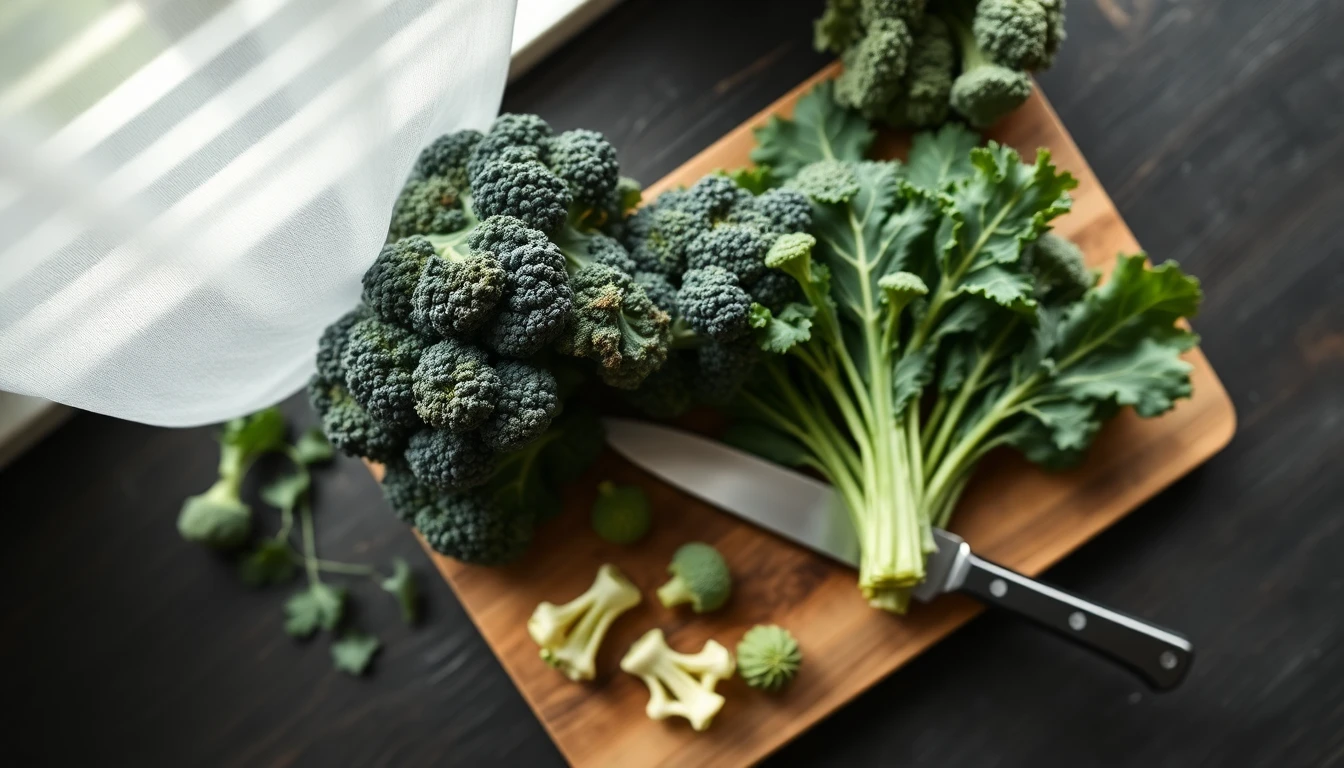
Cruciferous vegetables such as broccoli, kale, cauliflower and Brussels sprouts contain goitrogens, compounds that interfere with thyroid hormone production. In Graves disease, this effect is beneficial because it may help reduce excess hormone synthesis naturally.
Goitrogens only significantly affect thyroid function when consumed in very large amounts or when iodine intake is already low. For most people with Graves disease, eating moderate portions of cooked cruciferous vegetables (1-2 cups daily) supports health without causing problems.
Cooking reduces goitrogen activity by 30-60 percent, making steamed or roasted cruciferous vegetables safer than raw. The anti-inflammatory and antioxidant benefits often outweigh any mild thyroid-suppressing effects, particularly given that Graves disease involves overproduction rather than underproduction of hormones.
- Cooked broccoli and cauliflower — safe at 1-2 cups daily, goitrogens reduced by cooking
- Kale and cabbage — beneficial when cooked, high in anti-inflammatory compounds
- Brussels sprouts — eat cooked in moderate portions, 6-8 sprouts per serving
- Raw cruciferous vegetables — limit large salads with raw kale or cabbage to occasional consumption
- Fermented options — sauerkraut and kimchi retain some goitrogens but provide gut health benefits
Anti-inflammatory foods for autoimmune thyroid disease
Graves disease is an autoimmune condition, so reducing systemic inflammation can help calm the immune attack on the thyroid. This approach aligns with broader autoimmune disease diet strategies but tailored to thyroid-specific concerns.
Focus on whole foods rich in omega-3 fatty acids, antioxidants and polyphenols. These compounds modulate immune responses and reduce inflammatory markers that drive autoimmune activity. People with autoimmune thyroid disease often have higher levels of oxidative stress, which anti-inflammatory foods can help counteract.
- Fatty fish — salmon, mackerel, sardines provide omega-3s; aim for 2-3 portions weekly
- Berries — blueberries, strawberries and blackberries are high in anthocyanins that reduce inflammation
- Leafy greens — spinach and chard (non-cruciferous) provide magnesium and antioxidants
- Nuts and seeds — walnuts, flaxseed and chia seeds offer omega-3 ALA and selenium
- Olive oil — extra virgin olive oil contains oleocanthal with anti-inflammatory properties
- Turmeric and ginger — curcumin and gingerols reduce inflammatory cytokines; use 1-2 teaspoons daily in cooking
Selenium and zinc for thyroid and immune support
Selenium plays a specific role in thyroid hormone metabolism and has been shown to reduce thyroid antibody levels in autoimmune thyroid disease. The recommended intake is 60-75 micrograms daily, easily met through food.
Zinc supports immune regulation and thyroid hormone production. Deficiency is common in autoimmune conditions and can worsen symptoms. Aim for 9-11 mg daily from food sources.
- Brazil nuts — 1-2 nuts daily provide 70-90 micrograms selenium; don't exceed 3 nuts to avoid toxicity
- Sunflower seeds — 30g provides 25 micrograms selenium plus vitamin E
- Chicken and turkey — 100g provides 20-30 micrograms selenium and 2-3mg zinc
- Pumpkin seeds — 30g provides 2.5mg zinc
- Shellfish — oysters are exceptionally high in zinc but also very high in iodine, so limit to occasional consumption
Foods and substances to avoid with Graves disease
Certain foods and additives can worsen hyperthyroidism symptoms, interfere with thyroid medication absorption, or increase autoimmune inflammation.
Stimulants are particularly problematic because Graves disease already causes increased heart rate, anxiety and restlessness. Caffeine and similar compounds amplify these symptoms even when thyroid hormone levels are being treated.
- Caffeine — coffee, strong tea and energy drinks worsen tremors, anxiety and rapid heart rate; limit to one weak coffee daily or switch to decaf
- Excess sugar and refined carbohydrates — white bread, pastries and sweets spike blood sugar and increase inflammation; choose whole grains instead
- Processed foods with additives — carrageenan and other emulsifiers may worsen gut inflammation and immune response
- Alcohol — interferes with thyroid medication and can worsen liver function during treatment; limit to 1-2 units weekly maximum
- Soy in large amounts — isoflavones may interfere with thyroid medication absorption; eat soy foods 3-4 hours away from medication
- High-glycaemic foods — rapid blood sugar changes stress metabolism already challenged by hyperthyroidism
Timing meals around thyroid medication
Carbimazole and propylthiouracil, the main medications for Graves disease, have specific food interactions that affect absorption. Taking medication correctly maximises effectiveness and helps stabilise thyroid hormone levels.
Carbimazole is best taken with or just after food to reduce stomach upset, though food doesn't significantly affect absorption. Propylthiouracil should be taken on an empty stomach for optimal absorption. Both medications should be taken at the same time each day for consistent blood levels.
Calcium and iron supplements can interfere with thyroid medication absorption, so take these at least 4 hours apart from your thyroid medication. This includes calcium-fortified foods and dairy products if consumed in large amounts at once.
- Morning medication — take carbimazole with breakfast; take propylthiouracil 30 minutes before breakfast
- Calcium-rich foods — space dairy, fortified plant milks and calcium supplements 4 hours from medication
- Iron supplements — take at opposite end of day from thyroid medication, ideally evening
- Consistent timing — same time daily helps maintain stable medication levels and symptom control
- Fibre timing — very high-fibre meals may slightly reduce absorption; don't dramatically change fibre intake without monitoring
Building a practical Graves disease meal pattern
A sustainable Graves disease diet emphasises whole foods, moderate iodine, anti-inflammatory ingredients and consistent meal timing. Rather than strict restriction, including beneficial foods naturally crowds out problematic ones.
Aim for three balanced meals with optional snacks, prioritising protein and healthy fats to support metabolism and reduce the muscle loss common in hyperthyroidism. Include vegetables with every meal, choosing a variety of cruciferous and non-cruciferous options. Keep portions moderate to match potentially increased metabolic rate without encouraging unhealthy weight loss.
FreshPlate's free food–medication interaction checker helps you identify which foods to time around your specific thyroid medication and flags high-iodine ingredients automatically.
Stabilising blood sugar through balanced meals reduces the anxiety, tremors and energy crashes that come with Graves disease. Pairing anti-inflammatory foods with consistent eating times supports both thyroid management and overall wellbeing.
Frequently asked questions
What is the best diet for autoimmune disease like Graves?
+
Focus on anti-inflammatory whole foods, moderate iodine intake, and include omega-3 fatty acids, selenium-rich foods, and cooked cruciferous vegetables. Avoid excess iodine, processed foods, and stimulants that worsen symptoms.
Can diet alone manage Graves disease?
+
No, diet alone cannot manage Graves disease. Medical treatment with antithyroid medication, radioactive iodine or surgery is necessary to control thyroid hormone production. Diet supports symptom management and may reduce inflammation but does not replace medical treatment.
Should I avoid cruciferous vegetables completely with Graves disease?
+
No, you don't need to avoid cruciferous vegetables completely. Moderate amounts of cooked broccoli, kale and cauliflower (1-2 cups daily) are safe and beneficial for most people with Graves disease, as the goitrogens may help reduce excess thyroid hormone production.
How much iodine should I consume with Graves disease?
+
During active Graves disease, aim for 50-100 micrograms of iodine daily rather than the standard 140 micrograms UK recommendation. Avoid iodine supplements, kelp, and excessive dairy while the condition is active, gradually returning to normal intake once stabilised with treatment.
Does caffeine affect Graves disease symptoms?
+
Yes, caffeine significantly worsens Graves disease symptoms including rapid heart rate, tremors, anxiety and insomnia. Limit caffeine to one weak coffee daily or switch to decaffeinated options during active hyperthyroidism.
Sources
Did this answer your question?
Reece reads every reply. Questions we have not covered become new guides.
The right foods make living with graves disease easier.
Get our free graves disease food guide by email — what to eat more of, what to limit, and simple meals that support you day to day. One genuinely useful email a week — no spam, unsubscribe anytime.
Free forever. You'll also be first in line for the FreshPlate app — with a free trial at launch.