Meal Preparation for Beginners: Complete UK Guide
Learn meal preparation techniques, food safety rules, storage times and batch cooking methods. Practical guidance on containers, portions and shortcuts.

By Reece Douglas · Founder, FreshPlate

Listen to this article
Meal Preparation for Beginners: Complete UK Guide
Meal preparation means cooking food ahead of time and storing it safely for later meals. Done properly, it saves time during busy weekdays, reduces food waste, and makes healthy eating easier to maintain.
This guide covers storage containers, safe cooling and reheating methods, how long different foods keep, and batch cooking approaches for a UK kitchen. The focus is on food safety and technique rather than recipes.
I built the Cook feature in FreshPlate because meal preparation only works if logging what you made is faster than deciding not to bother. You measure a tray bake or a pot of soup from its ingredient lines once, the app calculates it per 100 g with a real portion size, then you log a serving in one tap from a photo in your kitchen. It scores against what is left of your day, and every recipe explains on its For you tab why it suits your conditions and whether it fits your remaining targets — no guesswork, just the working shown. You also have the option to convert to US metrics if you prefer!
Essential Meal Preparation Equipment and Containers
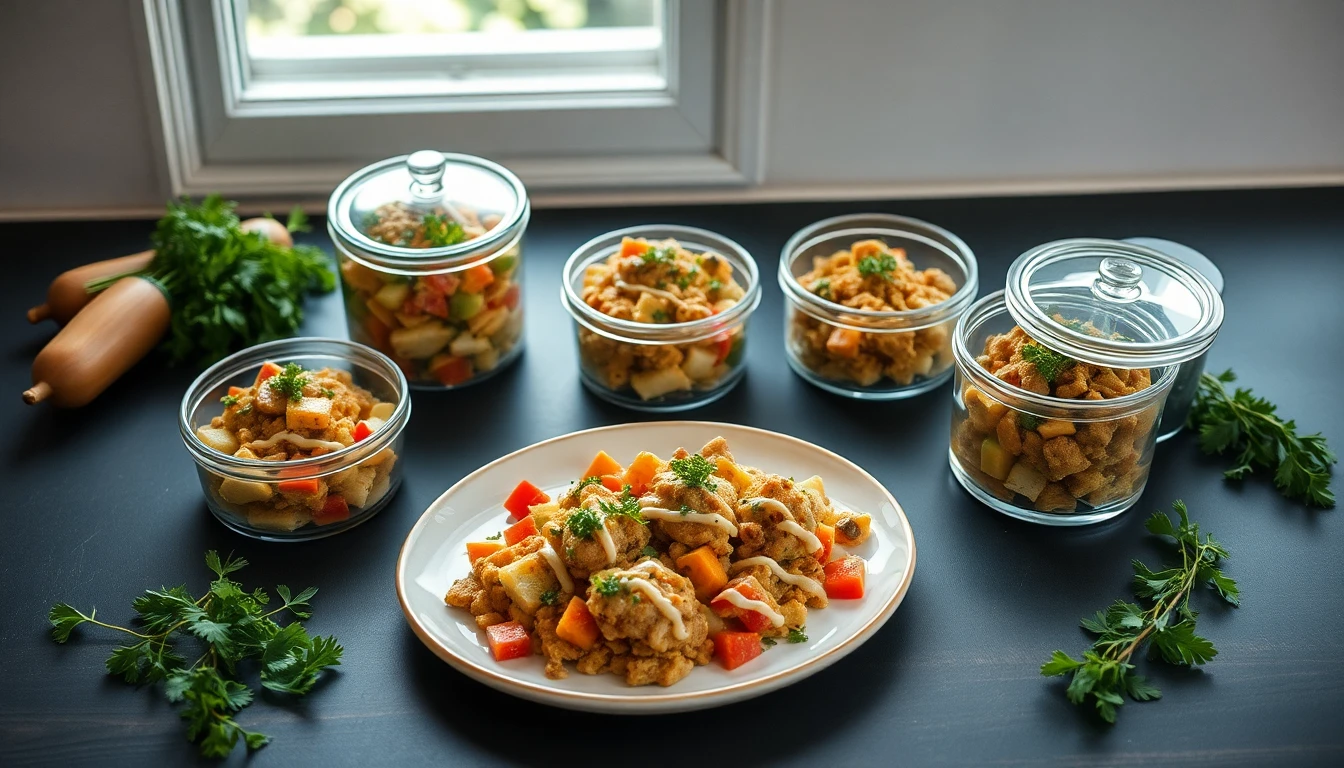
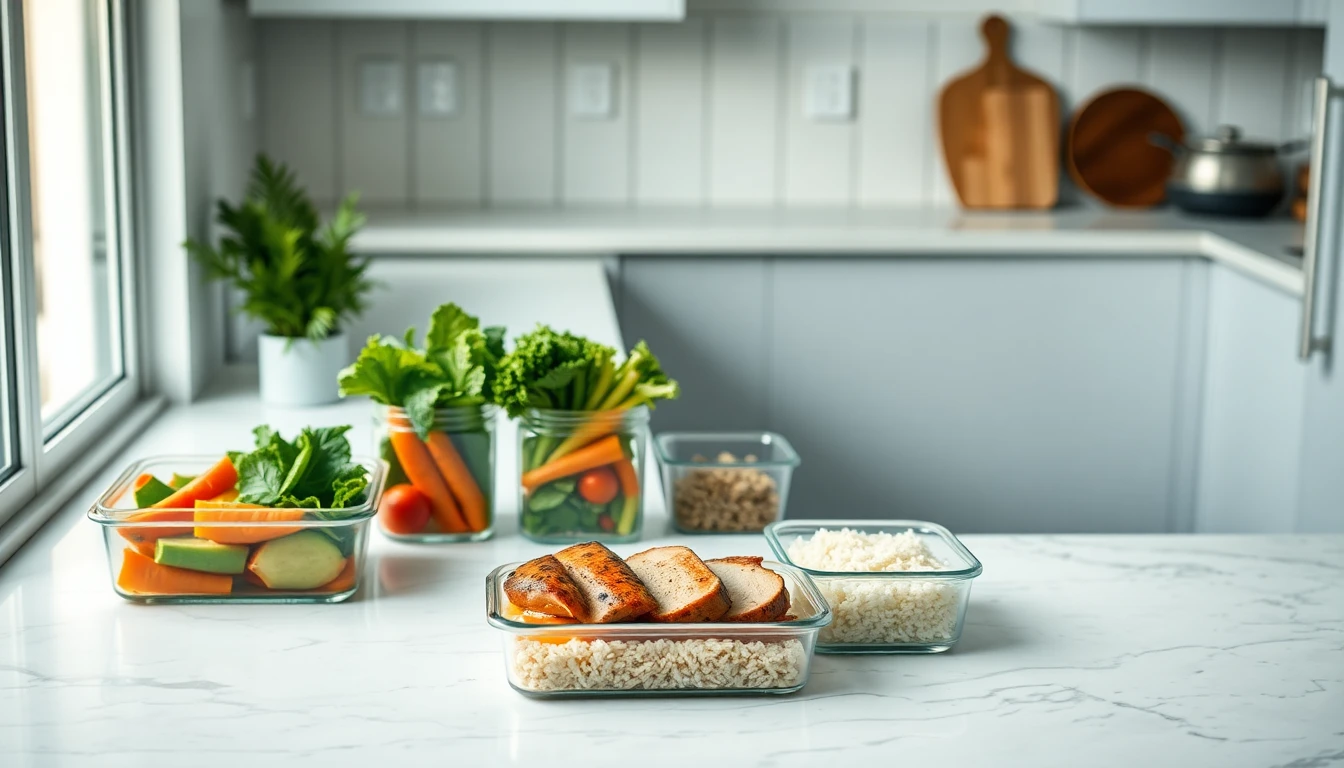
Glass and BPA-free plastic containers with airtight seals are the most practical options for meal preparation. Your choice affects both food safety and how long meals stay fresh.
Glass containers can go from freezer to oven to microwave safely. They do not absorb smells or stains and last years with normal use. Plastic containers are lighter and less fragile but must be marked as freezer-safe and microwave-safe if you plan to use them for those purposes.
For portion control, individual 500-700ml containers work well for complete meals. Larger 2-3 litre containers suit batch-cooked components like grains, roasted vegetables or soups that you will portion out later.
- Glass containers with snap lids — best for reheating and freezing — do not warp or stain
- BPA-free plastic containers — lighter and cheaper — check freezer-safe markings
- Silicone bags — space-efficient for freezing — lay flat and stack easily
- Labels and permanent marker — essential for dating — food looks similar after a week
- Baking trays and tins — for batch roasting — standardise your oven sessions
Food Safety Rules for Meal Preparation
Food safety depends on temperature control and time limits. The FSA confirms that bacteria multiply rapidly between 8°C and 63°C, so cooked food must move through this danger zone quickly.
After cooking, cool food within 90 minutes to get it below 8°C. Split large batches into smaller, shallow containers to speed this up. Never put hot food straight into the fridge as it raises the internal temperature and risks warming other items. Let food cool for 30-60 minutes at room temperature, then refrigerate.
Your fridge should run at 5°C or below, and your freezer at -18°C or colder. Check these temperatures monthly with a fridge thermometer. Store raw meat on the bottom shelf in sealed containers to prevent drips contaminating ready-to-eat food.
- Cool cooked food to below 8°C within 90 minutes — split large quantities into shallow containers
- Refrigerate at 5°C or below — check with a fridge thermometer monthly
- Freeze at -18°C or colder — freezer burn occurs above this temperature
- Reheat to 75°C throughout — use a food probe for thick dishes like casseroles
- Reheat only once — bacteria multiply during cooling, reheating repeatedly increases risk
Safe Storage Times for Common Prepared Foods
Storage times depend on the food type and how you have prepared it. The NHS provides clear guidance on maximum safe storage periods for cooked foods in the fridge and freezer.
- Cooked rice — 1 day in fridge, 1 month frozen — cools and reheats it quickly to avoid toxin formation
- Cooked pasta — 3 days in fridge, 2 months frozen — store with a little oil to prevent clumping
- Cooked chicken and turkey — 3 days in fridge, 2-3 months frozen — ensure fully cooled before sealing
- Cooked beef, pork, lamb — 3-4 days in fridge, 2-3 months frozen — slice before freezing for faster defrosting
- Soups and stews — 3-4 days in fridge, 2-3 months frozen — leave headspace in containers for expansion
- Roasted vegetables — 3-4 days in fridge, 8-10 months frozen — blanch first for better texture after freezing
- Cooked fish — 2 days in fridge, 2 months frozen — quality deteriorates faster than meat
Batch Cooking Techniques That Save Time
Batch cooking means preparing larger quantities of one or two components in a single session. This is more efficient than cooking entire meals because you can combine components in different ways throughout the week.
Choose one or two proteins, one or two carbohydrate sources, and two or three vegetable options. Cook them all on the same day using different methods simultaneously. Roast vegetables and meat in the oven while grains simmer on the hob and a soup or curry cooks in a slow cooker.
Prepare components separately rather than complete assembled meals. Cooked chicken, roasted sweet potatoes, steamed broccoli and cooked quinoa can be mixed into different combinations each day, added to salads, or reheated as a bowl meal.
Efficient Batch Cooking Methods
Different cooking methods suit different batch sizes and storage needs. Match your technique to the food type and how long you plan to store it.
- Oven roasting — use multiple trays — handles 2-3kg vegetables or 1.5kg protein in one session
- Slow cooker — ideal for soups, stews, curries — cook overnight or during work hours
- Large pot on hob — for grains, pasta, legumes — 500g dried weight yields 1.5kg cooked
- Sheet pan meals — protein and vegetables together — reduces washing up and cooking time
- Pressure cooker — speeds up beans, grains, tough cuts — 30-40 minutes for dried chickpeas
Portioning and Labelling System
Portion your food immediately after it has cooled. Weigh or measure portions to match your nutritional needs rather than guessing. A kitchen scale is the most accurate tool for this.
Label every container with the contents and the date you cooked it. Use the oldest items first to minimise waste. Write the day of the week rather than the date, so you know at a glance that Tuesday's chicken needs eating before Friday's.
Meal Preparation Shortcuts, Tips and Resources
Meal preparation shortcuts include using pre-chopped frozen vegetables, buying pre-cooked grains and pulses, and choosing cuts of meat that cook quickly. These reduce active cooking time without sacrificing nutritional quality.
Frozen vegetables are picked and frozen within hours of harvest, so their nutrient content often matches or exceeds fresh produce that has travelled for days. Canned beans and lentils are fully cooked and ready to use, though check the salt content and rinse them before adding to your meals.
Pre-cooked vacuum-packed grains like quinoa, brown rice and mixed grains cost more per portion but need only reheating. They are useful when you are learning meal preparation and want to simplify the process.
- Frozen chopped onions and peppers — skip the chopping — same nutritional value as fresh
- Canned pulses — already cooked — rinse to reduce sodium by up to 40 per cent
- Pre-cooked grains in pouches — ready in 90 seconds — useful for small batches
- Rotisserie chicken — fully cooked protein — shred and portion for multiple meals
- Jarred garlic and ginger — time-saver — less flavour than fresh but acceptable
- Parchment paper and foil — line trays before roasting — easier cleanup encourages consistency
Time-Saving Preparation Strategies
A two-hour batch cooking session on Sunday can provide components for 8-10 meals. Start with the longest-cooking items first, then add quicker tasks as oven and hob space becomes available.
Prepare ingredients the night before if mornings are difficult. Chop vegetables, measure out grains, and defrost protein overnight in the fridge so you can cook quickly after work.
Reheating Prepared Meals Safely
Food must reach 75°C in the centre and stay at that temperature for at least 30 seconds. Reheating food properly prevents bacterial growth and ensures even temperature throughout the meal.
Microwaving is the fastest method but creates hot and cold spots. Stir food halfway through reheating and let it stand for one minute before eating so the heat distributes evenly. Cover the container with a microwave-safe lid or plate to trap steam and speed up the process.
Oven reheating takes longer but works better for larger portions and meals with crispy elements. Preheat to 180°C, cover the container with foil to prevent drying, and heat for 20-30 minutes depending on portion size. Remove the foil for the final five minutes if you want a crisp top.
- Microwave — fastest for single portions — stir halfway and check temperature at the centre
- Oven — better for larger portions — cover with foil and heat at 180°C for 20-30 minutes
- Hob — for soups, stews, curries — stir frequently and bring to a rolling boil
- Never reheat in the container you stored it in — unless marked microwave-safe — some plastics leach chemicals when heated
Defrosting Frozen Meals
Defrost frozen meals in the fridge overnight rather than at room temperature. This keeps food below 8°C throughout the defrosting process and prevents bacterial multiplication.
If you need to defrost quickly, use the microwave defrost setting or submerge the sealed container in cold water, changing the water every 30 minutes. Once defrosted, cook or reheat immediately and do not refreeze unless you cook it first.
Managing Meal Preparation Around Medications and Health Conditions
Meal preparation becomes especially valuable when you need to follow specific dietary patterns for a health condition or manage food-medication interactions. Preparing meals in advance means you can control ingredients precisely and avoid last-minute decisions that compromise your health goals.
Some medications require consistent timing with food, consistent levels of certain nutrients, or avoidance of specific ingredients. Batch cooking lets you prepare compliant meals ahead of time so you always have safe options ready. If you take warfarin, you can prepare meals with consistent vitamin K content each week. For those managing blood sugar, having portioned meals with measured carbohydrates removes guesswork.
FreshPlate's free food-medication interaction checker helps you identify which ingredients to limit or avoid based on your specific medications, so you can plan your batch cooking sessions accordingly.
People following elimination diets or managing conditions like Crohn's disease find meal preparation helpful because it reduces the daily decision-making load. Preparing safe, tested meals in advance means less stress and better adherence to dietary requirements.
Frequently asked questions
What are the best meal preparation shortcuts and tips?
+
Using frozen pre-chopped vegetables, canned pulses that are already cooked, and pre-cooked vacuum-packed grains reduces active cooking time by 30-40 minutes per session without sacrificing nutritional quality. Batch cooking one or two components rather than complete meals also saves time because you can combine them in different ways throughout the week.
How long can I keep prepared meals in the fridge?
+
Most cooked meals keep for 3-4 days in the fridge at 5°C or below. Cooked rice should be eaten within 1 day, and cooked fish within 2 days. Always label containers with the date you cooked the food and store them in airtight containers to maintain freshness and prevent cross-contamination.
Can I freeze all types of prepared meals?
+
Most cooked meals freeze well for 2-3 months at -18°C. Rice-based dishes, soups, stews, cooked meats and most vegetables freeze successfully. Avoid freezing cream-based sauces, mayonnaise, soft cheese, and salad vegetables as they separate or become watery when thawed.
Do I need special containers for meal preparation?
+
You need airtight containers that are freezer-safe and microwave-safe if you plan to freeze and reheat meals. Glass containers with snap lids are the most versatile option and last longer, but BPA-free plastic containers marked as freezer-safe work well and cost less. Individual 500-700ml containers are ideal for single-portion meals.
How do I prevent prepared meals from becoming soggy?
+
Store wet and dry components separately to prevent sogginess. Keep sauces, dressings and gravies in small separate containers and add them just before eating. For meals with crispy elements like roasted vegetables, store them uncovered in the fridge for the first few hours to release steam, then seal them. Reheat crispy items in the oven rather than the microwave to restore texture.
Sources
Did this answer your question?
Reece reads every reply. Questions we have not covered become new guides.
Small food changes. Big difference.
Get practical meal prep tips by email — simple, evidence-based changes you can make this week. One genuinely useful email a week — no spam, unsubscribe anytime.
Free forever. You'll also be first in line for the FreshPlate app — with a free trial at launch.