Polyphenol Supplements: Do You Need Them? UK Guide
Most people get enough polyphenols from food. We examine when supplements might help, effective doses, and which forms are backed by evidence.

By Reece Douglas · Founder, FreshPlate
Listen to this article
Polyphenol Supplements: Do You Need Them? UK Guide
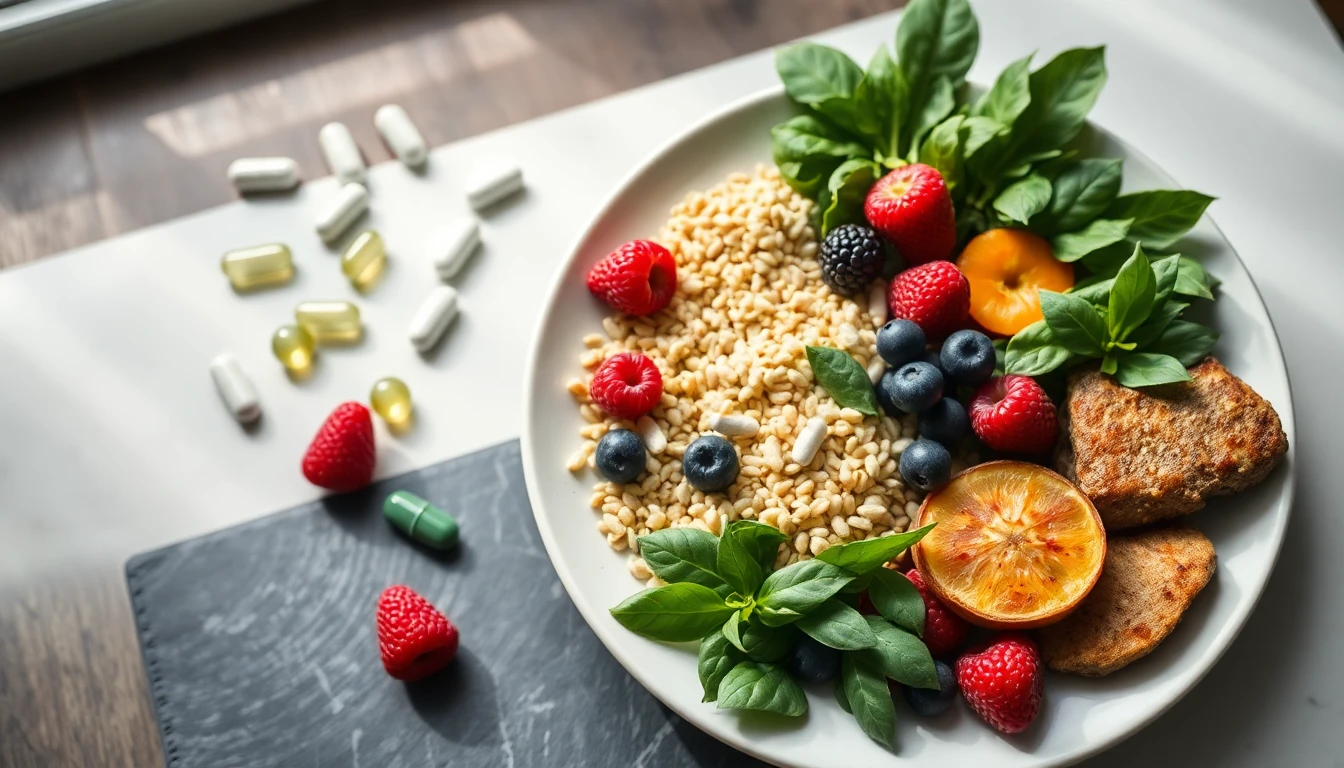
Polyphenol supplements are concentrated versions of compounds found in berries, tea, dark chocolate and red wine. But polyphenols from whole foods are better absorbed, come with fibre and other nutrients, and cost far less per dose.
Supplements can help in specific situations. This guide examines the evidence for polyphenol supplements, compares them to food sources, and explains who might genuinely benefit.
I wrote this guide because the supplement industry has convinced people that concentrated polyphenols in pill form are somehow better than eating an apple or drinking tea. They're not. The research is clear: whole foods deliver polyphenols your body can actually use, packaged with the fats, fibre and co-factors that make absorption possible. Strip those away and you're paying £15 a month for something a handful of berries does better. The only time supplements make sense is when food intake is genuinely limited by medical conditions, and even then they're a bridge, not a solution. This is to encourage you to be conscious of products that are hurting your pocket and having no benefit. I hope this this help!
Do polyphenol supplements work as well as food sources?
No. Studies measuring polyphenol levels in blood after consumption show higher bioavailability from whole foods compared to isolated supplements, even at the same quantity of compound.
Polyphenols in whole foods are packaged with fats, fibre, vitamins and other phytochemicals that help your body absorb and use them. Remove those supporting compounds, and absorption drops.
A 2021 review in Nutrients found that quercetin from onions was absorbed 3-5 times better than quercetin supplements at equivalent doses. Similar patterns appear for resveratrol, catechins and anthocyanins.
- Food sources — Better absorbed — arrive with fats, fibre and co-factors that aid uptake
- Isolated supplements — Lower bioavailability — missing the supporting compounds that enhance absorption
- Cost comparison — Food wins — 100g blueberries (£1) delivers similar absorbed polyphenols to a £15-20 monthly supplement
What types of polyphenol supplements are available in the UK?
The UK market offers broad-spectrum polyphenol blends and single-compound products. Broad-spectrum supplements combine extracts from multiple plants, typically berries, green tea, grape seed and pomegranate. Single-compound options focus on resveratrol, quercetin, EGCG or curcumin.
Some products contain standardised extracts with verified polyphenol content, stated as a percentage on the label. Others list only the plant source without specifying active compound levels.
Broad-spectrum polyphenol blends
These combine 5-15 plant extracts. Most provide 200-500mg total polyphenols per dose. The advantage is variety; the disadvantage is that individual compound amounts are often too low to match doses used in research studies.
Single-compound supplements
Resveratrol supplements typically provide 100-500mg per capsule, far exceeding what you'd get from wine or grapes. Quercetin products usually offer 500-1,000mg. Green tea extracts standardised to EGCG provide 200-400mg. These higher doses mirror clinical trials but carry higher risk of side effects.
When might polyphenol supplements actually help?
Supplements make sense when food intake is genuinely limited. They're useful when dietary intake is medically restricted or absorption is impaired.
The strongest evidence exists for people with conditions affecting nutrient absorption, those on very restricted elimination diets, and individuals who cannot tolerate common polyphenol-rich foods due to allergies or intolerances.
- Inflammatory bowel disease — During flares when fruit and vegetable intake drops significantly, supplements can maintain polyphenol intake until normal eating resumes
- Severe food allergies — When multiple plant foods are avoided, a broad-spectrum supplement provides polyphenol variety that's hard to achieve through limited safe foods
- Malabsorption conditions — Some people with coeliac disease or short bowel syndrome absorb fat-soluble polyphenols poorly from food but may benefit from concentrated supplements
- Elimination diets — During the restriction phase of protocols for identifying food intolerances, supplements can fill gaps, though most people are better without them
What the research shows
Clinical trials show benefits for specific polyphenols in defined situations. A 2020 meta-analysis found that resveratrol supplements at 300-500mg daily improved markers of inflammation in people with metabolic syndrome. Quercetin at 500mg twice daily reduced upper respiratory infections in athletes undergoing intense training.
Nearly all successful trials used single compounds at high doses, not the broad-spectrum blends popular in health shops. The same trials found no benefit when participants already had adequate fruit and vegetable intake.
What are the risks and side effects of polyphenol supplements?
High-dose polyphenol supplements can cause digestive upset, interact with medications, and in rare cases damage the liver. The risk increases with dose: 1,000mg of a single polyphenol is very different from eating foods that contain 200mg along with fibre and other compounds.
Green tea extract supplements have caused acute liver injury in some users, particularly at doses above 800mg EGCG daily. The European Food Safety Authority issued a warning in 2018. Resveratrol at doses above 1,000mg daily can thin the blood, creating risk for people taking anticoagulants.
Quercetin supplements interact with several common medications. They inhibit enzymes that metabolise statins, some blood pressure medications, and certain antibiotics. This can either increase drug levels or reduce drug effectiveness.
- Green tea extract — Limit to 800mg EGCG daily maximum — higher doses linked to liver injury in susceptible individuals
- Resveratrol — Avoid with anticoagulants — can enhance blood-thinning effects of warfarin, apixaban and similar drugs
- Quercetin — Check medication interactions — affects how the liver processes many common drugs
- All supplements — Take with food — reduces digestive upset and may improve absorption despite food-matrix loss
How much do you need and can you get it from food?
A varied diet provides 1,000-2,000mg of total polyphenols daily, though there's no official UK recommendation. A cup of coffee provides 200-300mg, an apple around 200mg, a handful of berries 150-400mg depending on type.
To match that through whole foods, you need roughly 5 portions of polyphenol-rich plants daily. Not all fruits and vegetables are equal: berries, apples and leafy greens far outperform iceberg lettuce or bananas for polyphenol content.
The antioxidant-rich foods guide covers the top food sources in detail. Regular tea or coffee, daily berries or apples, dark leafy greens, and occasional dark chocolate or red wine will put most people well above 1,000mg daily without supplements.
- Coffee (250ml) — 200-300mg polyphenols — chlorogenic acid is the main compound
- Black tea (250ml) — 150-200mg — primarily theaflavins and catechins
- Blueberries (100g) — 300-400mg — rich in anthocyanins
- Apple with skin — 200mg — quercetin concentrated in the peel
- Dark chocolate (30g, 70%+ cocoa) — 200-300mg — flavanols are the active compounds
- Extra virgin olive oil (1 tablespoon) — 10-20mg — small amount but used daily adds up
Signs you might need more
There's no blood test for polyphenol status, so you assess by diet. If you regularly eat fruits, vegetables, drink tea or coffee, and use olive oil, you're almost certainly getting adequate amounts.
Consider supplements only if your diet genuinely lacks variety for medical reasons. A pattern of white bread, plain chicken, white rice and no hot drinks suggests low intake, but the solution is still food first. Supplements are for when food changes aren't possible.
Choosing supplements: what to look for
Choose products with standardised extracts that list specific polyphenol content. A label saying 'green tea extract 500mg' tells you nothing; '500mg green tea extract standardised to 50% EGCG' tells you it contains 250mg of the active compound.
Look for third-party testing certification from organisations like Informed-Sport or NSF International, particularly if you're an athlete subject to drug testing.
Start with the lowest effective dose from research. For resveratrol, that's typically 150-300mg daily. For quercetin, 500mg once or twice daily. For green tea extract, aim for 250-400mg EGCG. Take with food and never exceed the stated dose.
How FreshPlate helps with polyphenol intake and supplement safety
FreshPlate's meal plans automatically incorporate polyphenol-rich foods based on your preferences and dietary restrictions. The recipe library prioritises ingredients like berries, leafy greens, tea and extra virgin olive oil.
If you take medications that interact with polyphenol supplements, FreshPlate's free food-drug interaction checker flags potential issues before you buy a product. The checker covers interactions between supplements and common medications including anticoagulants, statins, and blood pressure drugs.
For users who need supplements due to medical restrictions, the app tracks your dietary polyphenol intake from food so you can choose an appropriate supplement dose that fills the gap without exceeding safe levels.
Frequently asked questions
Are polyphenol supplements worth taking?
+
For most people, no. Polyphenols from whole foods like berries, tea, apples and leafy greens are better absorbed and cheaper than supplements. Supplements may help those with restricted diets due to medical conditions or severe allergies, but food sources should always be the first choice.
What is the best polyphenol supplement?
+
If you need a supplement, choose single-compound products with standardised extracts over broad-spectrum blends. Look for resveratrol 150-300mg, quercetin 500mg, or green tea extract standardised to 250-400mg EGCG, all with third-party testing certification.
Can you take too many polyphenols?
+
Yes, particularly from supplements. High-dose green tea extract above 800mg EGCG daily can cause liver damage. Resveratrol above 1,000mg can increase bleeding risk. Food sources rarely cause problems because polyphenol concentrations are much lower and come with protective co-factors.
Do polyphenol supplements interact with medications?
+
Yes, several do. Quercetin affects how the liver processes statins and some blood pressure drugs. Resveratrol enhances blood-thinning medications. Green tea extract can interfere with some antibiotics. Always check with your pharmacist before starting polyphenol supplements if you take regular medications.
How long does it take for polyphenol supplements to work?
+
Polyphenols appear in blood within 1-2 hours of consumption, but measurable health effects take weeks. Studies showing benefits for inflammation or cholesterol typically run 8-12 weeks. If you're taking supplements to address a deficiency, expect similar timeframes.
Sources
Did this answer your question?
Reece reads every reply. Questions we have not covered become new guides.
Make polyphenols one less thing to worry about.
Get our free polyphenols guide by email — the best food sources, what helps and hinders absorption, and a week of meal ideas. One genuinely useful email a week — no spam, unsubscribe anytime.
Free forever. You'll also be first in line for the FreshPlate app — with a free trial at launch.