Spironolactone Potassium Foods: What to Limit & Why
Taking spironolactone? Learn which potassium-rich foods to limit, how this potassium-sparing diuretic works, and safe meal planning for PCOS and heart failure.

By Reece Douglas · Founder, FreshPlate
Listen to this article
Spironolactone Potassium Foods: What to Limit & Why
If you've been prescribed spironolactone for PCOS, heart failure, or high blood pressure, you may have been told to 'watch your potassium intake' without much explanation. This can feel confusing, especially since potassium is usually considered a healthy nutrient. The key difference with spironolactone is that it's a potassium-sparing diuretic, which means it works differently from other water tablets you might have heard about.
Unlike traditional diuretics that flush potassium out of your body, spironolactone actually helps your kidneys hold onto it. Whilst this has benefits for your treatment, it also means that eating too many potassium-rich foods can cause levels to climb too high—a condition called hyperkalemia that can affect your heart rhythm and muscle function. Understanding which foods to moderate and how to plan balanced meals is essential for staying safe whilst managing your condition effectively.
How Spironolactone Affects Potassium Levels
Spironolactone belongs to a class of medications called potassium-sparing diuretics. To understand why your diet matters, it helps to know exactly how this medication works in your body.
Most diuretics—sometimes called 'water tablets'—work by helping your kidneys remove excess fluid and sodium through urine. Traditional loop or thiazide diuretics also cause you to lose potassium in the process, which is why people taking those medications often need to eat more potassium-rich foods or take supplements. Spironolactone works differently.
The Potassium-Sparing Mechanism
Spironolactone blocks the action of aldosterone, a hormone that tells your kidneys to hold onto sodium and release potassium. By blocking aldosterone, spironolactone does the opposite: it helps you get rid of excess sodium and water whilst keeping potassium in your body. This makes it particularly useful for conditions like heart failure, where maintaining potassium balance is crucial, and for PCOS, where its anti-androgen properties help manage symptoms like excess hair growth and acne.
Why High Potassium Becomes a Risk
Because spironolactone prevents potassium loss, continuing to eat large amounts of potassium-rich foods can push your levels too high. Normal blood potassium ranges from 3.5 to 5.0 mmol/L. When levels climb above 5.5 mmol/L, you enter hyperkalemia territory, which can cause muscle weakness, abnormal heart rhythms, and in severe cases, cardiac arrest.
- Mild hyperkalemia (5.5-6.0 mmol/L) — Often symptom-free but requires dietary adjustment
- Moderate hyperkalemia (6.1-6.5 mmol/L) — May cause muscle weakness, tingling, or nausea
- Severe hyperkalemia (above 6.5 mmol/L) — Medical emergency requiring immediate treatment
High-Potassium Foods to Moderate on Spironolactone
The goal isn't to eliminate potassium entirely—your body needs this mineral for normal muscle and nerve function. Rather, you want to avoid consuming excessive amounts, especially from concentrated sources. Your doctor will likely recommend keeping your daily potassium intake below 3,000-3,500 mg, though individual targets vary based on your kidney function and spironolactone dose.
Very High Potassium Foods (Limit or Avoid)
These foods contain more than 400 mg of potassium per standard serving. Whilst you don't need to ban them completely, they should be occasional treats rather than daily staples.
- Bananas and plantains — A medium banana contains around 420 mg potassium
- Potatoes (especially baked with skin) — One medium potato has 900+ mg
- Sweet potatoes — Similar potassium content to regular potatoes
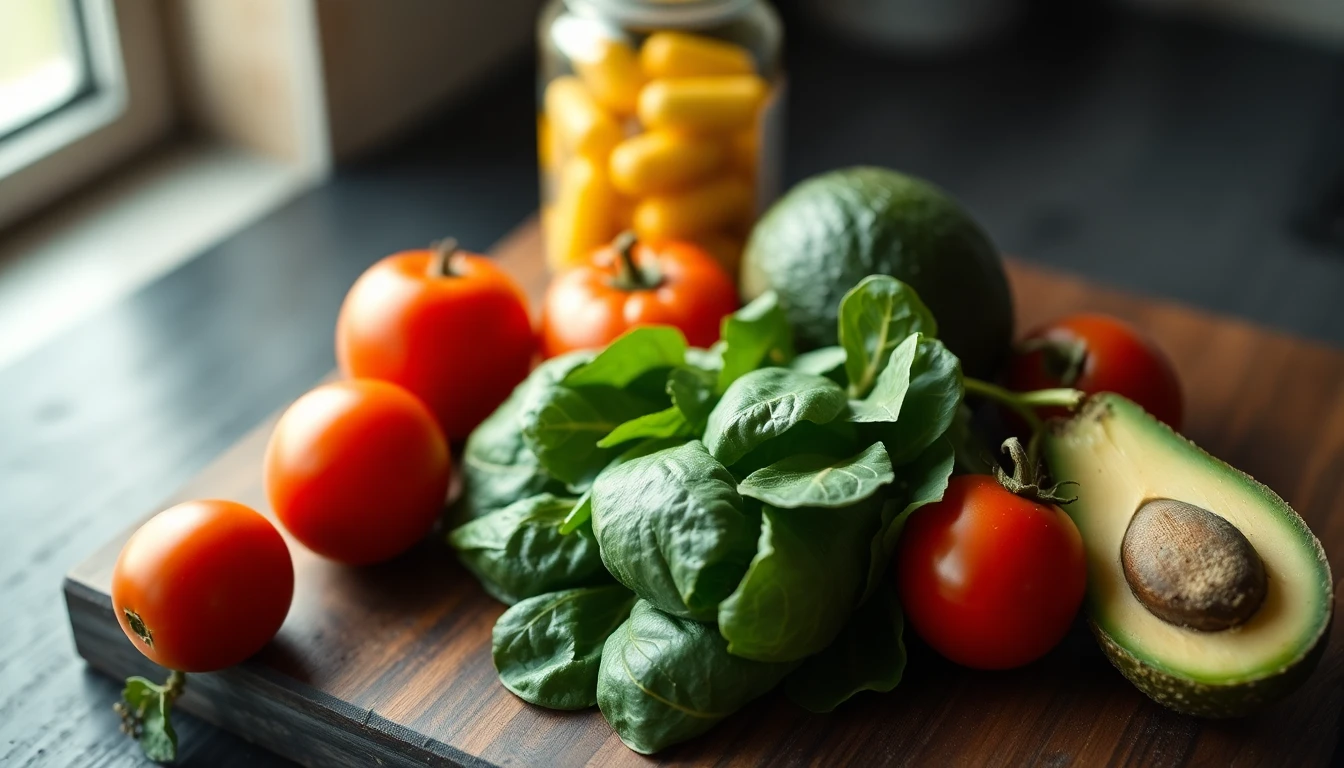
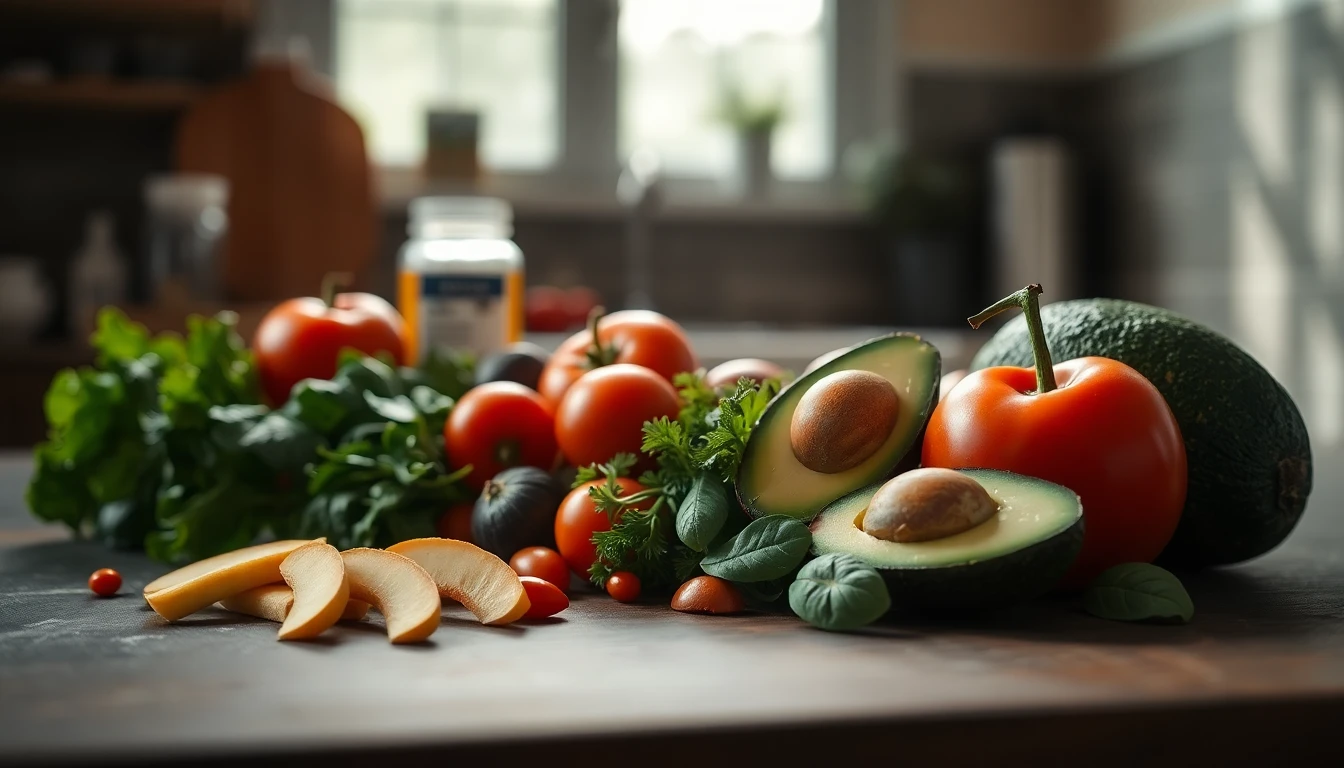
- Avocados — Half an avocado provides roughly 480 mg
- Dried fruits — Raisins, dried apricots, and prunes are concentrated sources
- Salt substitutes (Lo-Salt, etc.) — These replace sodium with potassium chloride and can be dangerous
- Coconut water — Often marketed as healthy but extremely high in potassium
- Tomato products — Passata, tomato purée, and sun-dried tomatoes are concentrated
- White beans and lentils — Cooked pulses contain 400-700 mg per cup
Moderate Potassium Foods (Enjoy in Smaller Portions)
These foods contain 200-400 mg potassium per serving. You can include them in your diet, but be mindful of portion sizes and don't combine several in one meal.
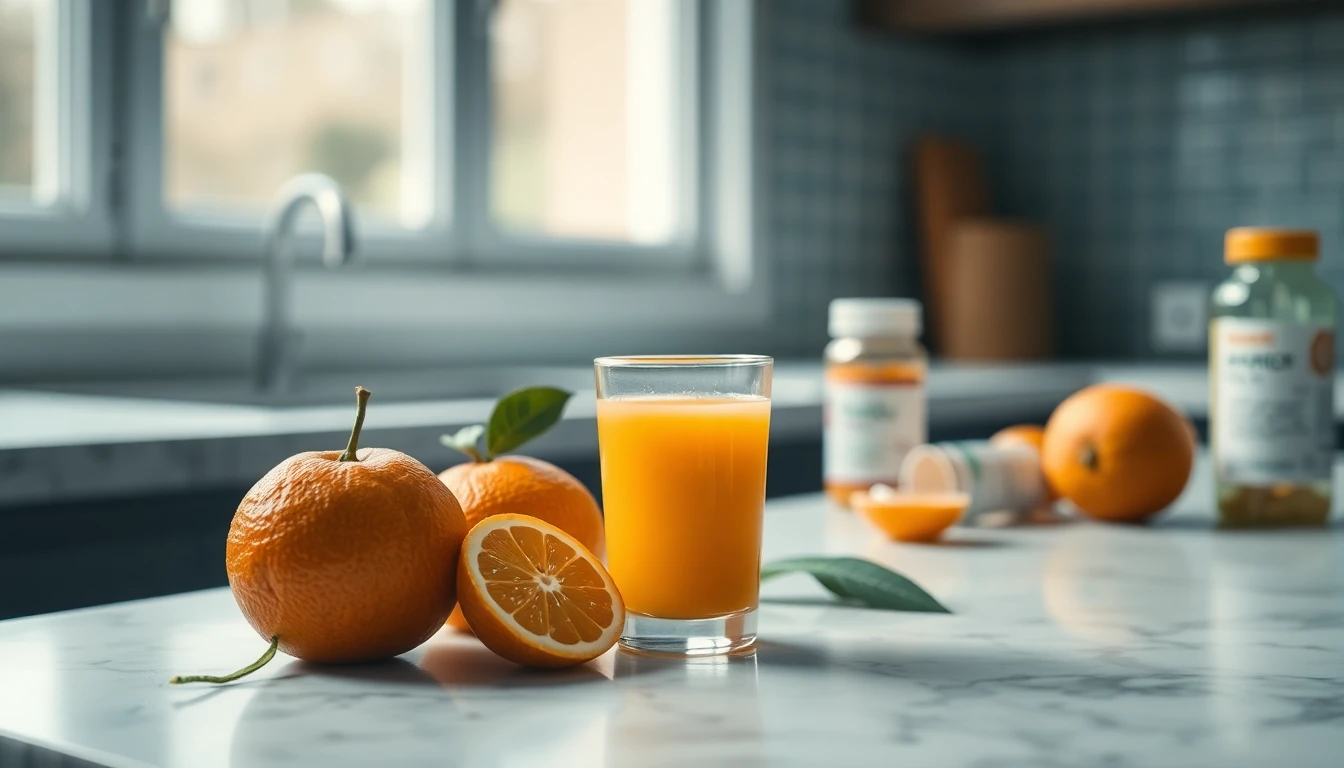
- Oranges and orange juice — One medium orange has about 240 mg
- Melon (cantaloupe, honeydew) — Roughly 270 mg per cup
- Mushrooms — Cooked mushrooms contain around 300 mg per cup
- Brussels sprouts — About 250 mg per cooked cup
- Yoghurt — One pot typically provides 250-350 mg
- Fish (salmon, cod, tuna) — Most fish contains 200-400 mg per 100g serving
- Beetroot — Fresh or pickled beetroot is moderately high
- Kiwi fruit — One medium kiwi contains roughly 210 mg
Lower Potassium Alternatives
These foods contain less than 200 mg potassium per serving and can form the foundation of your meals whilst taking spironolactone.
- Berries — Strawberries, blueberries, and raspberries are lower in potassium
- Apples and pears — Both contain around 150-190 mg per medium fruit
- White rice and pasta — Much lower than sweet potatoes or beans
- Cauliflower — Only 150 mg per cooked cup
- Green beans — Approximately 115 mg per cup
- Cucumber and lettuce — Very low potassium content
- Chicken and turkey — Leaner than fish, with 200-250 mg per serving
- Eggs — One large egg has just 60 mg potassium
Safe Meal Planning Strategies for Spironolactone Users
Managing your potassium intake doesn't mean bland or restrictive eating. With some simple strategies, you can enjoy varied, nutritious meals whilst keeping your levels in the safe range.
- Build meals around lower-potassium proteins — Choose chicken, turkey, eggs, or small portions of white fish rather than salmon or tuna at every meal
- Swap your carbohydrates — Replace baked potatoes and sweet potatoes with white rice, pasta, couscous, or small portions of white bread
- Leach potassium from vegetables — Peel, chop, and soak potatoes or root vegetables in warm water for at least two hours before cooking to reduce potassium content by up to 50%
- Control portion sizes — Rather than eliminating favourite foods entirely, have a quarter of a banana or a small handful of dried fruit as an occasional treat
- Read nutrition labels carefully — Check for potassium content, especially in processed foods and meal replacements
- Avoid salt substitutes completely — These are marketed as heart-healthy but can be extremely dangerous on spironolactone
- Space out moderate-potassium foods — Don't combine several moderate sources in one meal; spread them across the day
- Stay hydrated — Adequate fluid intake helps your kidneys regulate potassium, though follow your doctor's advice if you have fluid restrictions
Sample Day of Eating on Spironolactone
Here's what a balanced, lower-potassium day might look like for someone taking spironolactone for PCOS or heart failure.
- Breakfast — Scrambled eggs on white toast with grilled tomatoes (fresh, not concentrated), plus a cup of tea
- Mid-morning — Small apple with a tablespoon of almond butter
- Lunch — Chicken and vegetable stir-fry with white rice, using green beans, peppers, and cauliflower
- Afternoon snack — Handful of strawberries with a small pot of lower-fat yoghurt
- Dinner — Grilled white fish with pasta and a mixed salad (lettuce, cucumber, radishes) dressed with olive oil and lemon
- Evening — Two plain digestive biscuits with decaf coffee
Monitoring and Working With Your Healthcare Team
Dietary changes are just one part of managing spironolactone safely. Regular blood tests and open communication with your GP or specialist are essential.
When you first start spironolactone, your doctor will typically check your potassium and kidney function within the first few weeks, then periodically thereafter. The frequency depends on your dose, age, kidney function, and whether you're taking other medications that affect potassium (such as ACE inhibitors or ARBs).
- Attend all monitoring appointments — Don't skip blood tests even if you feel well; hyperkalemia often has no symptoms until levels are dangerously high
- Report symptoms promptly — Muscle weakness, irregular heartbeat, tingling sensations, or unexplained fatigue should be reported to your doctor
- Discuss other medications and supplements — Some painkillers (like ibuprofen), herbal remedies, and supplements can raise potassium levels
- Ask about individual targets — Your safe potassium range may differ from general guidelines based on your kidney function
- Keep a food diary if levels are borderline — This helps identify dietary patterns that might be pushing your potassium up
When Potassium Levels Rise: What Happens Next
If your blood test shows elevated potassium, your doctor may adjust your spironolactone dose, review other medications, or recommend stricter dietary limits. In most cases, modest elevations can be managed with diet changes alone. Very high levels may require temporary medication adjustments or, rarely, emergency treatment with medications or dialysis to bring levels down quickly.
Special Considerations for PCOS and Heart Failure Patients
The dietary approach to spironolactone varies slightly depending on why you're taking it.
PCOS Patients on Spironolactone
If you're taking spironolactone for PCOS—usually at doses of 50-200 mg daily—you're likely younger with normal kidney function, which means your risk of hyperkalemia is lower than in older adults with heart or kidney disease. However, you still need to moderate high-potassium foods, especially if you're also following a PCOS-friendly diet rich in whole grains, nuts, and legumes (which tend to be higher in potassium).
Many PCOS nutrition plans emphasise foods like sweet potatoes, beans, and bananas for their fibre and nutrient content. Whilst these foods are generally healthy, you'll need to choose lower-potassium alternatives or smaller portions. Focus on getting fibre from oats, berries, apples, and vegetables like broccoli and green beans instead.
Heart Failure Patients on Spironolactone
For those managing heart failure, spironolactone is often prescribed alongside ACE inhibitors or ARBs, which also raise potassium levels. This combination increases your hyperkalemia risk, so dietary vigilance becomes even more important. You may also have fluid restrictions, which means you need nutrient-dense foods in smaller volumes—making it trickier to balance nutrition with potassium limits.
Work closely with a cardiac dietitian if possible, as they can help you navigate both potassium restrictions and the heart-healthy eating patterns (like reducing sodium) that support your condition. In some cases, your doctor may prescribe a potassium binder if dietary changes alone aren't sufficient.
How FreshPlate Supports Your Spironolactone Diet
Managing medication-specific dietary needs manually can feel overwhelming, especially when you're juggling multiple conditions or medications. This is where FreshPlate's personalised approach makes a real difference.
When you set up your FreshPlate profile and add spironolactone to your medications list, our algorithm automatically adjusts your meal plans to limit high-potassium ingredients. We swap baked sweet potatoes for lower-potassium grains, replace banana-based smoothies with berry alternatives, and ensure your daily totals stay within safe limits—all whilst keeping meals delicious and nutritionally balanced.
If you're managing PCOS alongside spironolactone, FreshPlate factors in both your medication needs and PCOS-friendly eating patterns, giving you recipes that support insulin sensitivity without pushing potassium levels up. For heart failure patients, we can layer in sodium restrictions and ensure adequate protein without relying on high-potassium fish or pulses at every meal.
Every recipe comes with full nutritional breakdowns, including potassium content, so you can see exactly what you're eating and make informed choices. And because we know life doesn't always go to plan, our smart swap feature lets you replace ingredients you don't fancy whilst keeping potassium levels in check. It's like having a dietitian and pharmacist working together in your pocket—taking the guesswork out of eating well with spironolactone.
Frequently asked questions
Can I eat bananas whilst taking spironolactone?
+
You can occasionally enjoy a small portion of banana (around a quarter to a third), but daily bananas aren't recommended on spironolactone due to their high potassium content (420 mg per medium banana). Opt for lower-potassium fruits like berries, apples, or pears most days.
What are the symptoms of too much potassium on spironolactone?
+
Hyperkalemia often has no symptoms until levels are quite high. When symptoms do occur, they may include muscle weakness, fatigue, tingling sensations, nausea, irregular heartbeat, or chest discomfort. Always attend monitoring blood tests, as this is the only reliable way to detect elevated potassium early.
Should I avoid all high-potassium foods on spironolactone?
+
No, you don't need to eliminate potassium entirely—your body needs this mineral. The goal is to moderate very high sources (like salt substitutes, coconut water, and large portions of potatoes or dried fruit) and limit moderate sources to small portions. Focus on lower-potassium alternatives as your dietary foundation.
Can I use salt substitutes like Lo-Salt whilst taking spironolactone?
+
No, salt substitutes are dangerous on spironolactone because they replace sodium with potassium chloride, which can cause potassium levels to spike. Use herbs, spices, lemon juice, or small amounts of regular table salt instead (unless you've been told to restrict sodium).
How often will I need blood tests to check potassium on spironolactone?
+
Typically, you'll have blood tests within 1-2 weeks of starting spironolactone, again after any dose change, and then every 3-6 months once stable. The frequency depends on your age, kidney function, other medications, and spironolactone dose. Your GP will advise on your individual monitoring schedule.
Sources
Did this answer your question?
Reece reads every reply. Questions we have not covered become new guides.
Eating around spironolactone shouldn’t be guesswork.
Get our free spironolactone food guide by email — the foods to watch, safe swaps, and meal ideas that work with your medication. One genuinely useful email a week — no spam, unsubscribe anytime.
Free forever. You'll also be first in line for the FreshPlate app — with a free trial at launch.