Valsartan and Foods to Avoid: A Plain-English Guide
Valsartan has few food restrictions, but potassium salt substitutes, alcohol and high-salt foods matter. Here is what to limit, what is fine, and why.

By Reece Douglas · Founder, FreshPlate
Listen to this article
Valsartan and Foods to Avoid: A Plain-English Guide
Valsartan has no long banned-foods list. The ones that matter are potassium-based salt substitutes, too much alcohol, and a high-salt diet that works against the tablet.
Valsartan lowers blood pressure and can raise potassium in your blood, so a few food choices deserve attention. This guide covers each one, says what is not a concern, and gives a simple do and do not table.
Does valsartan have foods you must avoid?
No, valsartan has no long list of forbidden foods. The NHS says you can take it at any time of day, with or without food, and it is best taken with water at the same time each day.
A few things do matter. Valsartan can raise the level of potassium in your blood, so anything that adds a lot of potassium needs care. Alcohol can add to side effects such as dizziness. A salty diet can undo some of the tablet's good work.
- Potassium salt substitutes (LoSalt and similar) — take care — they can push potassium up further; tell your doctor if you use them regularly
- Alcohol — take care — it can add to dizziness, light-headedness and dehydration
- High-salt foods — limit — salt raises blood pressure, which is what valsartan is trying to lower
- Water — fine — it is the best thing to take valsartan with
- Grapefruit — not a known concern with valsartan — see the grapefruit section below
- Everyday potassium-rich foods such as bananas — fine for most people — your doctor will say if you need to limit them
Are potassium salt substitutes safe with valsartan?
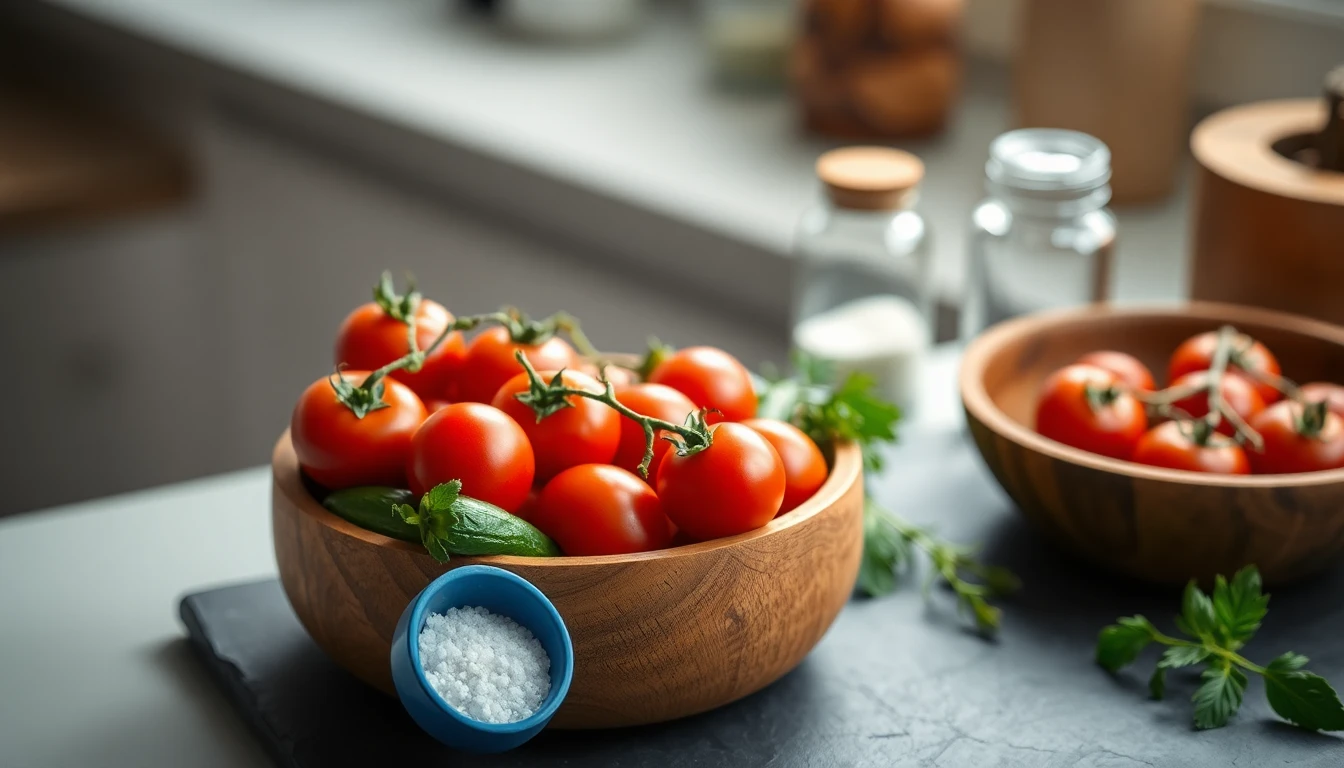
Not without checking first. Salt substitutes that replace sodium with potassium, such as LoSalt, can raise your potassium on top of what valsartan already does, so the NHS advises telling your doctor if you regularly use them while taking valsartan.
This catches people out because swapping to a low-sodium salt feels like the healthy move after a high blood pressure diagnosis. For many people on valsartan it is not the right swap. Too much potassium in the blood (hyperkalaemia) can cause muscle weakness or an irregular heartbeat, and it often gives no warning until a blood test picks it up.
What to do instead of reaching for the potassium salt
You do not need a salt replacement at all. Taste adapts within a few weeks of using less salt, and there is plenty of flavour to be had elsewhere.
- Lemon or lime juice and zest — good swap — brightens soups, fish and vegetables without sodium or potassium salt
- Garlic, ginger and chilli — good swap — add punch to stir-fries and curries
- Dried herbs and spices (smoked paprika, cumin, oregano) — good swap — build depth in stews and roasts
- Pepper and vinegar — good swap — work well on chips, salads and eggs
- Potassium-based salt substitutes — check first — only use them if your doctor or pharmacist has said they are suitable for you
Other things that raise potassium
Potassium supplements and some other medicines, including potassium-sparing diuretics such as spironolactone, can also push levels up when combined with valsartan. If you take any of these, your doctor will usually arrange blood tests to monitor it. The same logic applies to other medicines in this family, covered in our guide to ACE inhibitors and potassium-rich foods.
Can you drink alcohol on valsartan?
Yes, in moderation, but try not to drink too much. The NHS notes that alcohol can cause dizziness, light-headedness and dehydration, which are also side effects of the tablet, so the two can stack up.
Valsartan and alcohol both lower blood pressure a little, and alcohol also dehydrates you. If you stand up quickly after a drink and feel faint, that is the combination at work. Sit or lie down until it passes.
- Sticking within 14 units a week, spread over several days — sensible — this is the UK low-risk guideline for adults
- Drinking on an empty stomach — avoid — alcohol hits harder and dizziness is more likely
- Alternating with water — helpful — slows intake and offsets dehydration
- Heavy or binge drinking — avoid — raises blood pressure over time and undermines the medicine
- Starting a new dose or just starting valsartan — go gently — you do not yet know how dizzy you get
Is grapefruit a problem with valsartan?
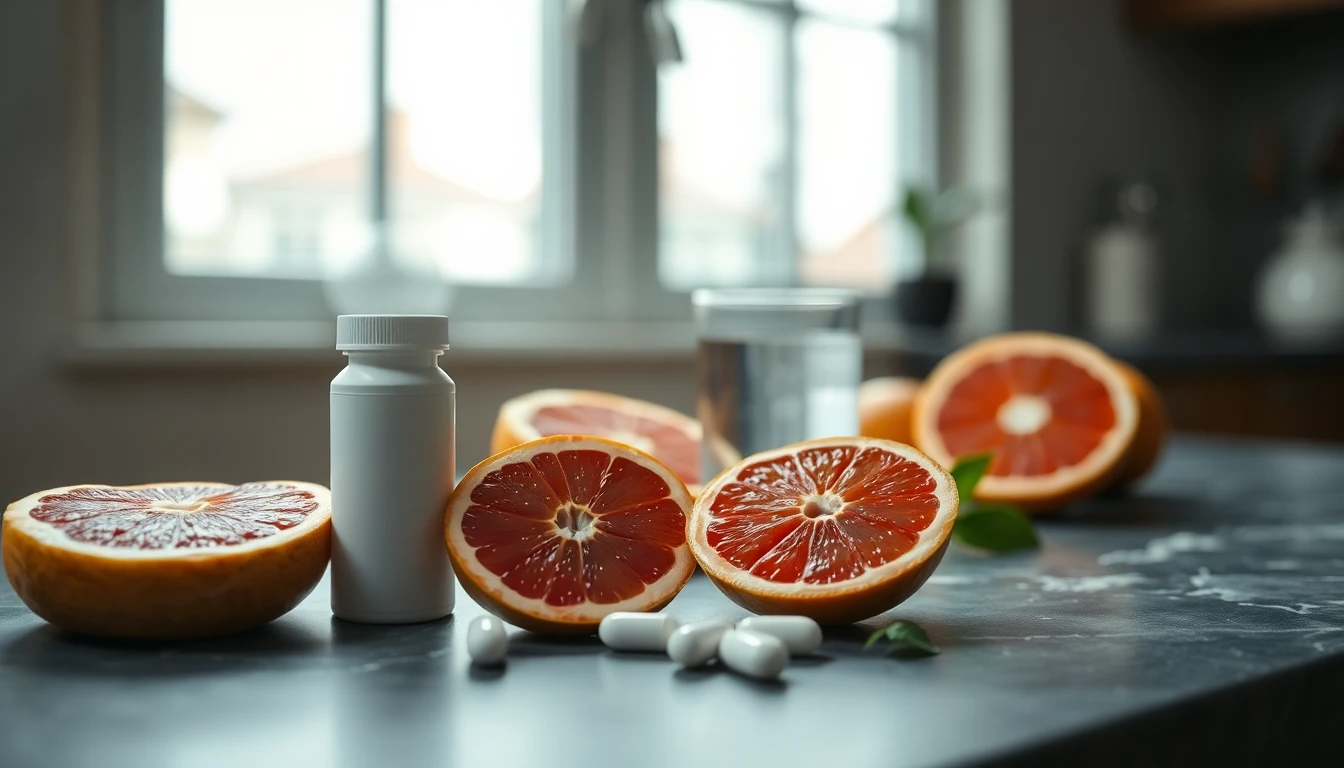
No, not according to the main UK guidance. The NHS page for valsartan does not tell you to avoid grapefruit. Grapefruit is a known problem for some other blood pressure and cholesterol medicines because it can slow how the body breaks them down, but valsartan is not on that list.
Grapefruit warnings are often repeated for every heart medicine, yet they apply only to some, such as certain calcium channel blockers. If you take valsartan together with something like amlodipine, the picture can differ, so see our guide to calcium channel blockers and grapefruit. If any of your medicines has a grapefruit warning on the leaflet, follow it.
Which salty foods should you cut back on with valsartan?
Cut back on processed and ready-made foods first, because most of the salt in a typical diet comes from them rather than the salt shaker. Adults are advised to have no more than 6g of salt a day, about a level teaspoon, and less is better if you have high blood pressure.
Valsartan works best when your diet is not pushing the other way. Treat the tablet and the diet as one plan.
- Bacon, ham, sausages and other cured meats — limit — very high in salt for the portion
- Ready meals, tinned soups and instant noodles — limit — often a third or more of the daily salt in one serving
- Takeaways, pizza and fish and chips — limit — salt in the food and on top
- Salted snacks, crisps and salted nuts — limit — easy to eat a lot without noticing
- Stock cubes, gravy granules and soy sauce — limit — small amounts carry a lot of salt
- Bread and breakfast cereals — check labels — a major hidden source because we eat them daily
- Fresh vegetables, fruit, plain meat and fish — fine — naturally low in salt
How to read a label quickly
Look at salt per 100g on the label. Under 0.3g is low, over 1.5g is high. Where a label gives sodium instead of salt, multiply sodium by 2.5 to get the salt figure. The eating pattern that lowers blood pressure most reliably is described in our DASH diet guide.
What to eat on valsartan: a simple do and do not table
Use this as a quick reference. It reflects the NHS advice for valsartan plus general guidance for lowering blood pressure through diet. If your doctor has given you personal advice, for example because of kidney problems, follow that first.
- DO take valsartan with water at the same time each day — with or without food is fine
- DO eat plenty of vegetables, fruit, wholegrains, beans and lentils — they support blood pressure control
- DO flavour food with herbs, spices, lemon, garlic and pepper — cuts salt without cutting taste
- DO check labels and aim for under 6g of salt a day — most salt hides in processed food
- DO tell your doctor or pharmacist if you use potassium salt substitutes — they may want to check your potassium
- DO NOT add potassium-based salt substitutes without checking first — they can raise potassium further
- DO NOT drink heavily — alcohol adds to dizziness and dehydration and raises blood pressure
- DO NOT rely on the tablet alone while eating a very salty diet — salt works against it
- DO NOT start potassium supplements unless prescribed — valsartan can already raise potassium
- DO NOT stop valsartan because of something you read about a food — ask your pharmacist or GP first
What about bananas and other high-potassium foods?
For most people on valsartan, normal portions of potassium-rich food are fine, and these foods are part of a healthy diet for blood pressure. The detail depends on your blood tests and kidney function, so see our separate guide on valsartan and bananas.
Checking your own medicines and foods with FreshPlate
FreshPlate has a free food–medication interaction checker that lets you look up valsartan, and your other medicines, against the foods you eat.
In the app, you tell FreshPlate which medicines you take and any conditions such as high blood pressure or kidney disease. It then builds recipes and meal plans around them, keeping salt low, flagging potassium-heavy swaps, and steering clear of anything that clashes. It does not replace your pharmacist or GP, but it saves you checking every ingredient by hand.
Frequently asked questions
What are the foods to avoid when taking bisoprolol?
+
Bisoprolol has no strict list of foods to avoid, and you can take it with or without food. Keep alcohol modest because it can add to dizziness, and cut back on salty foods so your blood pressure stays well controlled. See our [bisoprolol foods to avoid guide](/website/blog/bisoprolol-foods-to-avoid/) for the detail.
What is the list of foods to avoid with clopidogrel?
+
Clopidogrel has no foods that must be avoided, and you can take it with or without food. The practical concerns are heavy alcohol, which raises the risk of stomach bleeding, and checking with your pharmacist before taking herbal products or supplements. Our [clopidogrel food interactions guide](/website/blog/clopidogrel-plavix-food-interactions-guide/) covers it in full.
What foods should I avoid when taking amlodipine?
+
Grapefruit and grapefruit juice are the main thing to be careful with when taking amlodipine, and large amounts are best avoided. Otherwise you can eat normally; see our [amlodipine diet interactions guide](/website/blog/amlodipine-diet-interactions-guide/) for what to watch.
Is it safe to use LoSalt while taking valsartan?
+
Not without checking first, because LoSalt contains potassium and valsartan can already raise your potassium level. The NHS says to tell your doctor if you regularly use salt alternatives containing potassium. Herbs, spices, lemon juice and pepper are safer ways to add flavour.
Can I drink alcohol with valsartan?
+
Yes, in moderation, but try not to drink too much. Alcohol can cause dizziness, light-headedness and dehydration, which are also valsartan side effects, so the two can add up.
A reader asked: What foods should I avoid with rivaroxaban?
+
Rivaroxaban has no foods you must avoid, unlike warfarin, and you do not need to restrict green vegetables. The 15mg and 20mg doses should be taken with a meal so they are absorbed properly, and heavy alcohol is best avoided because it raises bleeding risk. Check with your pharmacist before using herbal products such as St John's wort.
Sources
Did this answer your question?
Reece reads every reply. Questions we have not covered become new guides.
Eating around valsartan shouldn’t be guesswork.
Get our free valsartan food guide by email — the foods to watch, safe swaps, and meal ideas that work with your medication. One genuinely useful email a week — no spam, unsubscribe anytime.
Free forever. You'll also be first in line for the FreshPlate app — with a free trial at launch.