What Vegetables to Avoid When Taking Clopidogrel
Find out which vegetables need monitoring with clopidogrel, why vitamin K matters, and how to keep your intake consistent rather than cutting foods out.

By Reece Douglas · Founder, FreshPlate
Listen to this article
What Vegetables to Avoid When Taking Clopidogrel
Clopidogrel works differently from warfarin, and that difference matters for your diet. Warfarin requires careful monitoring of vitamin K intake from leafy greens; clopidogrel does not interact with vitamin K at all.
Both medications affect blood clotting, leading many to assume the same dietary restrictions apply. They don't. Understanding what clopidogrel actually interacts with helps you eat well without unnecessary restrictions.
FreshPlate's medication checker flags grapefruit when you add clopidogrel to your profile, but leaves every vegetable available in your recipe feed. I built it that way because generic "blood thinner" advice collapses important distinctions—clopidogrel doesn't interact with vitamin K, so there's no reason to restrict kale, spinach or any other greens. The system also tracks whether you're on clopidogrel alongside warfarin, because in that case vitamin K does become relevant and the app adjusts recommendations accordingly. Each recipe explains itself in a For you tab, so you see what was actually checked for your medication list, not a cautious guess that applies to everyone on antiplatelet or anticoagulant therapy. Feel free to checkout more of our guides on this or head over to our interaction checker to see for yourself now!
Do you need to avoid any vegetables on clopidogrel?
No. You do not need to avoid any vegetables when taking clopidogrel. Clopidogrel prevents blood clots by stopping platelets from sticking together, and this mechanism is independent of vitamin K.
Warfarin works by blocking vitamin K, which is why people taking warfarin need to keep their intake of vitamin-K-rich vegetables consistent. Clopidogrel blocks a specific receptor on platelets called P2Y12. Vitamin K levels have no effect on how clopidogrel works.
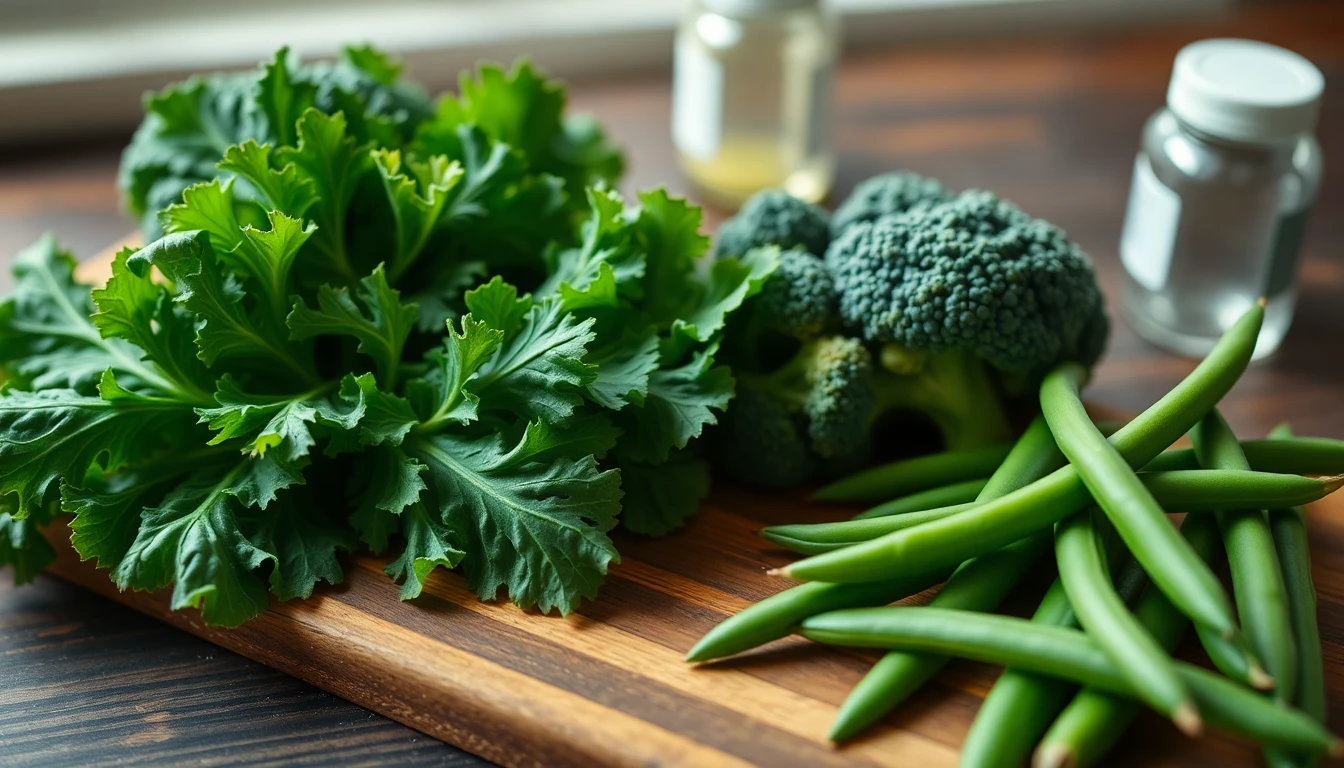
You can eat kale, spinach, broccoli, Brussels sprouts, and all other vegetables freely without affecting your medication. No need to track portions or worry about eating leafy greens inconsistently.
What the experts say
“Do not drink grapefruit juice while taking clopidogrel.”
The vitamin K confusion: why it doesn't apply to clopidogrel
The belief that all blood-thinning medications interact with vitamin K comes from experience with warfarin. Warfarin requires detailed dietary guidance about vitamin K because sudden changes in intake can make the medication too strong or too weak.
Clopidogrel belongs to a different drug class called antiplatelets, not anticoagulants. While both prevent clots, they do it through separate mechanisms. Clopidogrel blocks the chemical signals that tell platelets to stick. Vitamin K never enters this process.
- Warfarin — Blocks vitamin K, requires consistent vegetable intake
- Clopidogrel — Blocks platelet receptors, no vitamin K interaction
- Apixaban and other DOACs — Work independently of vitamin K, similar freedom to clopidogrel
Why the advice still gets mixed up
Many resources use 'blood thinner' as a catch-all term for both anticoagulants and antiplatelets, which creates confusion. Guidance written for warfarin gets incorrectly applied to all clot-prevention medications. Healthcare teams may give cautious blanket advice rather than drug-specific information.
If you're taking both clopidogrel and an anticoagulant together—which happens after certain procedures—the vitamin K advice applies only to the anticoagulant portion. Our clopidogrel food interactions guide covers combination scenarios in detail.
Foods and drinks that actually interact with clopidogrel
While vegetables are safe, clopidogrel has a small number of genuine food interactions worth knowing about. The most important involves grapefruit and grapefruit juice.
- Grapefruit juice — Avoid — Decreases how well clopidogrel works to prevent blood clots
- Alcohol — Take care — Keep to 14 units per week; too much irritates your stomach and raises stomach ulcer risk
- Most vegetables — Fine — No interaction, eat freely
- Water and squash — Fine — Take your tablet with water; squash is helpful if you have diarrhoea to avoid dehydration
Why grapefruit reduces clopidogrel effectiveness
Grapefruit juice contains compounds that interfere with enzymes in your gut and liver. Clopidogrel is a prodrug, meaning it needs to be converted into its active form by these enzymes before it can work. Grapefruit juice reduces this conversion, leaving you with less active medication in your bloodstream.
The NHS advises not to drink grapefruit juice while taking clopidogrel because it decreases the effects of your medicine, so it may not work as well to prevent blood clots. This applies to grapefruit segments and other grapefruit products as well, not just the juice.
Other citrus fruits like oranges, lemons, limes, and tangerines do not have this effect and are safe to eat.
Alcohol and stomach irritation
Clopidogrel can cause stomach upset or indigestion in some people. Drinking too much alcohol can irritate your stomach and raise the risk of stomach ulcer. The safe limit is 14 units per week, spread across several days rather than saved up for one or two sessions.
You can take clopidogrel with or without food. If you experience stomach discomfort, taking it with a meal may help.
Leafy greens and cardiovascular health on clopidogrel
Eating plenty of vegetables, including leafy greens, supports the reasons you're taking clopidogrel. Most people take clopidogrel to prevent heart attacks and strokes after cardiovascular events or procedures. A diet rich in vegetables reduces inflammation, supports healthy blood vessels, and helps manage blood pressure and cholesterol.
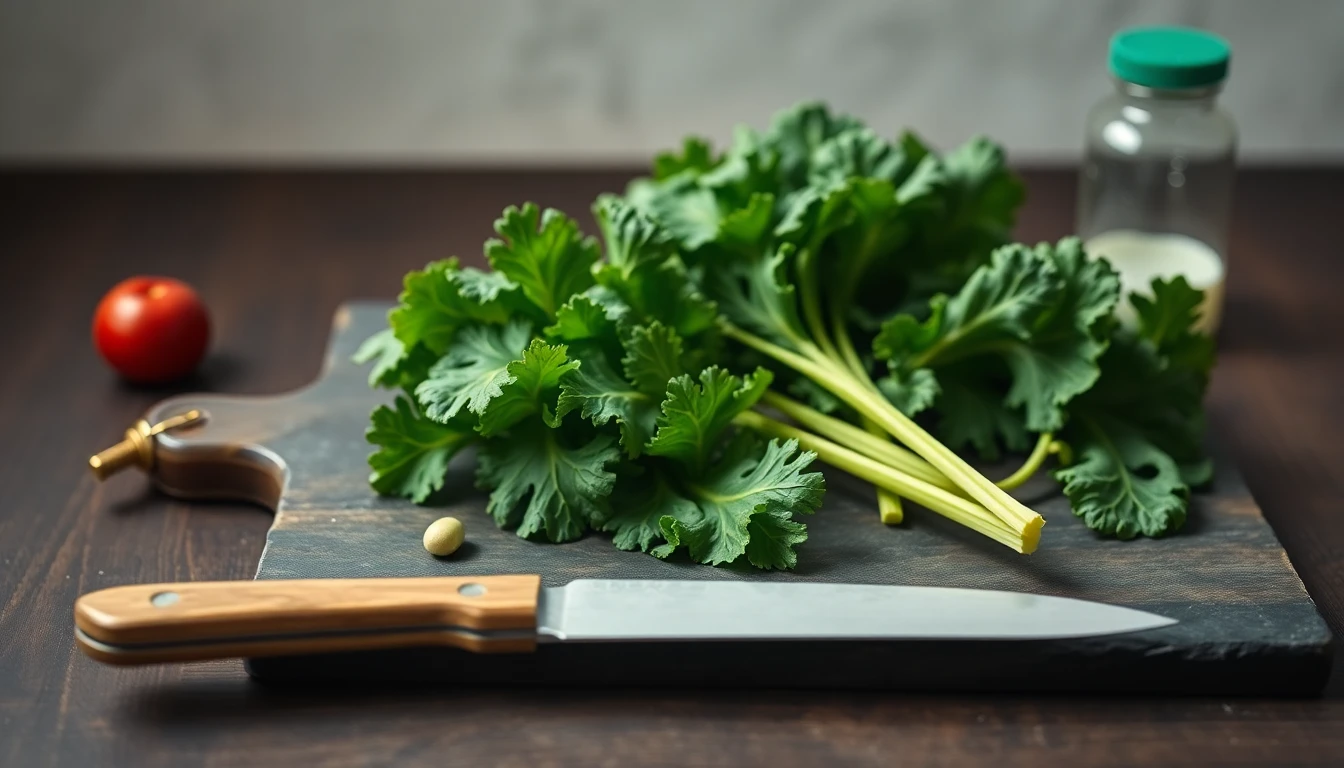
Spinach, kale, chard, rocket, cabbage, and other greens provide folate, potassium, magnesium, nitrates, and fibre—all beneficial for heart health. Restricting these foods would undermine your cardiovascular care.
- Dark leafy greens — Excellent source of folate and nitrates that support blood vessel function
- Cruciferous vegetables — Broccoli, cauliflower, Brussels sprouts provide anti-inflammatory compounds
- Colourful vegetables — Tomatoes, peppers, beetroot offer antioxidants that protect blood vessels
- Root vegetables — Carrots, parsnips, sweet potatoes give fibre for cholesterol management
Building a heart-healthy plate
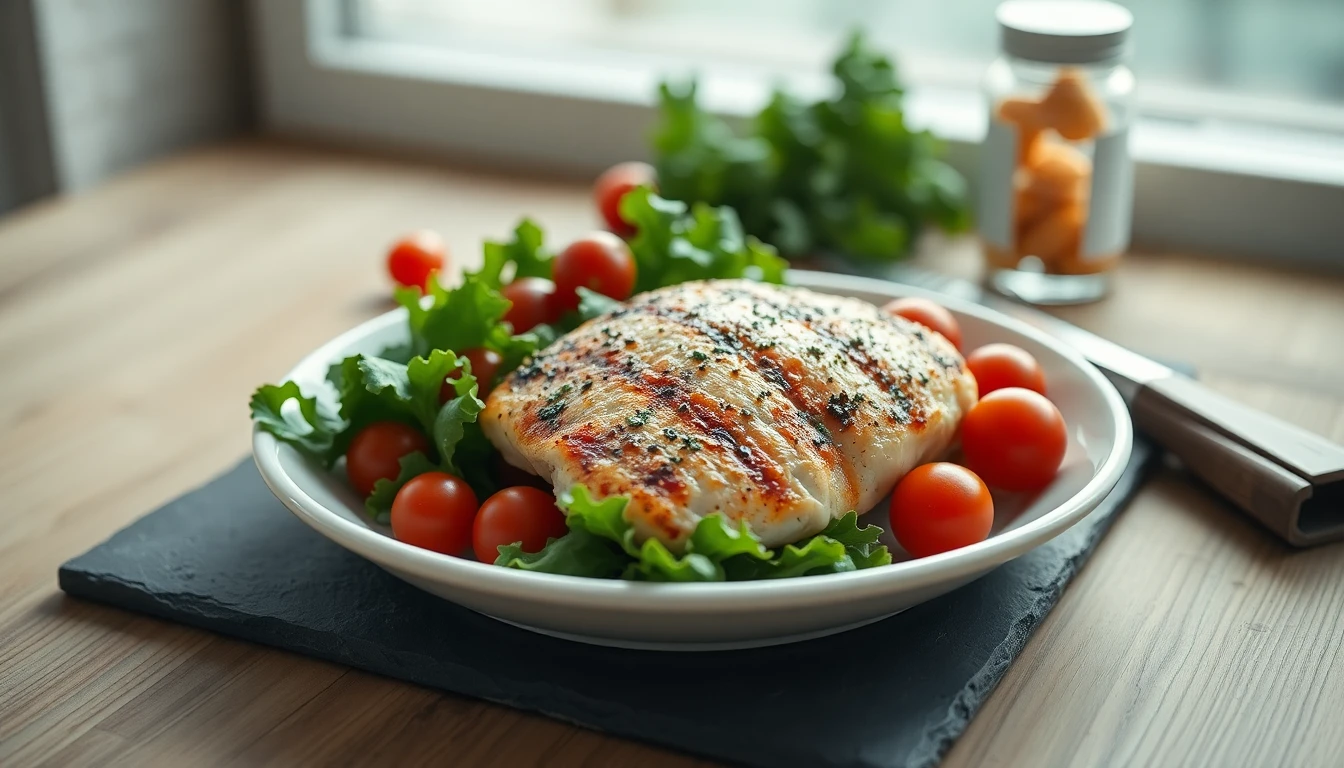
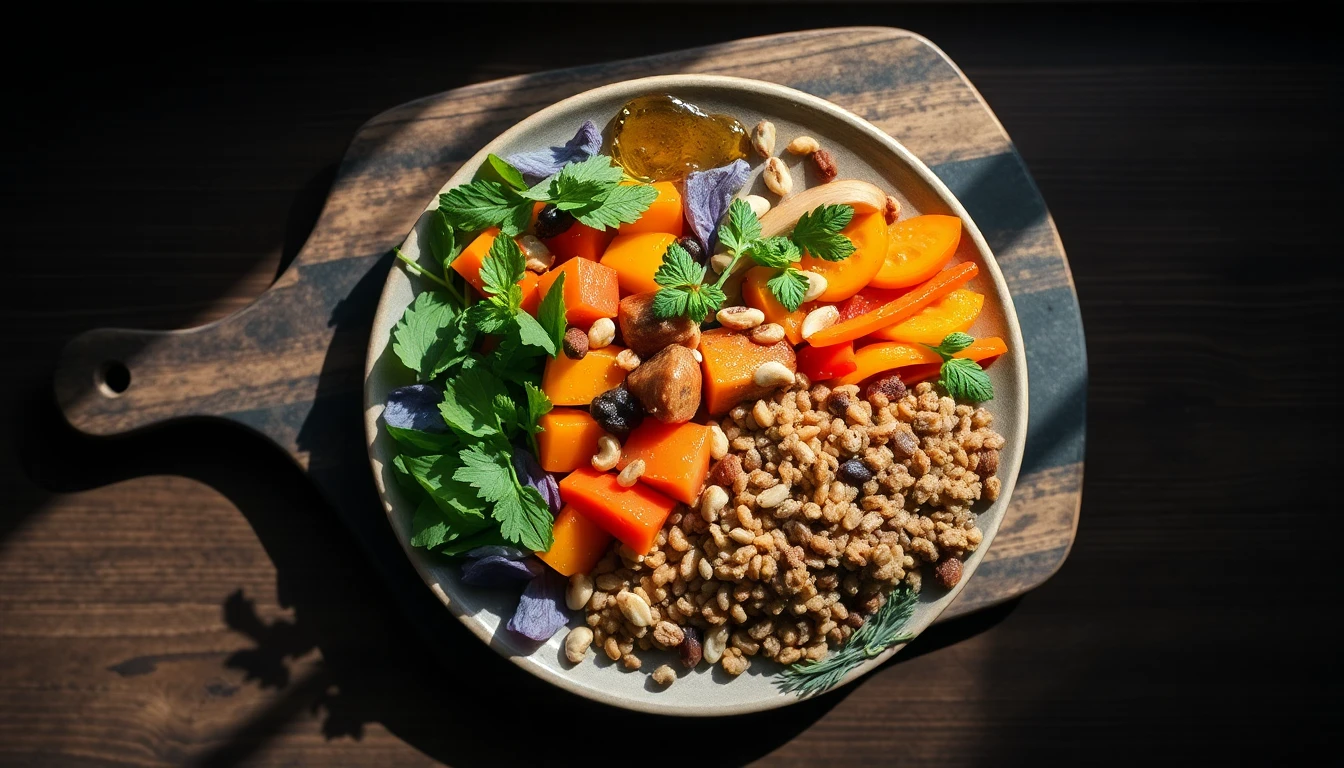
Aim to fill half your plate with vegetables at main meals. Include at least one or two portions of leafy greens daily, alongside a variety of other vegetables for different nutrients. Cooking methods matter less for clopidogrel—steam, roast, stir-fry, or eat raw according to your preference.
Combining vegetables with other anti-inflammatory foods like oily fish, nuts, olive oil, and whole grains creates the dietary pattern most strongly associated with cardiovascular protection. This way of eating complements your medication.
Complete list of foods to monitor with clopidogrel
Beyond grapefruit and alcohol, a few supplements and herbal products need attention. These aren't vegetables, but they sometimes come up in conversations about clopidogrel and diet.
- St John's wort — Take care — Increases clopidogrel levels in your blood and raises bleeding risk
- Ginkgo biloba — Take care — Can affect your blood and may increase bleeding risk
- High-dose fish oil supplements — Take care — May have additive effects on bleeding; food sources of omega-3 are fine
- Turmeric/curcumin supplements — Take care — High doses may theoretically increase bleeding risk; normal culinary use is safe
When to check with your pharmacist
Before starting any herbal remedy or supplement while taking clopidogrel, check with your pharmacist or doctor. There might be a problem with taking some herbal remedies and supplements with clopidogrel, especially ones that can affect your blood. This includes less common preparations like dong quai, feverfew, and garlic supplements in concentrated doses.
Eating these herbs and spices as part of normal cooking doesn't cause problems—the concern is with extracted, concentrated forms sold as supplements. A curry containing turmeric or a stir-fry with garlic is different from taking high-dose capsules daily.
How FreshPlate handles clopidogrel interactions
FreshPlate's medication checker flags genuine food and supplement interactions with clopidogrel, so you see accurate guidance without the confusion that comes from generic 'blood thinner' advice. When you add clopidogrel to your profile, the app filters recipes to avoid grapefruit and its relatives while leaving all vegetables available.
The system also tracks other medications you're taking, because the interaction picture changes if you're on clopidogrel alongside warfarin or other anticoagulants. In those cases, vitamin K does become relevant, and FreshPlate adjusts recommendations accordingly. You get personalised guidance that accounts for your complete medication list.
FreshPlate's free food–medication interaction checker gives you instant answers about specific foods and your medications, so you can make decisions confidently.
Frequently asked questions
What foods should I avoid while taking clopidogrel?
+
Avoid grapefruit and grapefruit juice, which reduce how well clopidogrel works. Limit alcohol to 14 units per week to reduce stomach irritation risk. You do not need to avoid any vegetables, including leafy greens high in vitamin K.
Can I eat spinach and kale on clopidogrel?
+
Yes, you can eat spinach, kale, and all other leafy greens freely on clopidogrel. Unlike warfarin, clopidogrel does not interact with vitamin K, so there are no restrictions on these vegetables.
Does clopidogrel interact with vitamin K like warfarin?
+
No, clopidogrel does not interact with vitamin K. Clopidogrel blocks platelet receptors through a mechanism independent of vitamin K, so you don't need to monitor or restrict vitamin-K-rich foods.
Can I drink orange juice with clopidogrel?
+
Yes, orange juice and other citrus juices except grapefruit are safe with clopidogrel. Only grapefruit juice reduces how well the medication works.
Should I take clopidogrel with or without food?
+
You can take clopidogrel with or without food according to your preference. If you experience stomach discomfort, taking it with a meal may help.
Sources
Did this answer your question?
Reece reads every reply. Questions we have not covered become new guides.
Eating around clopidogrel shouldn’t be guesswork.
Get our free clopidogrel food guide by email — the foods to watch, safe swaps, and meal ideas that work with your medication. One genuinely useful email a week — no spam, unsubscribe anytime.
Free forever. You'll also be first in line for the FreshPlate app — with a free trial at launch.