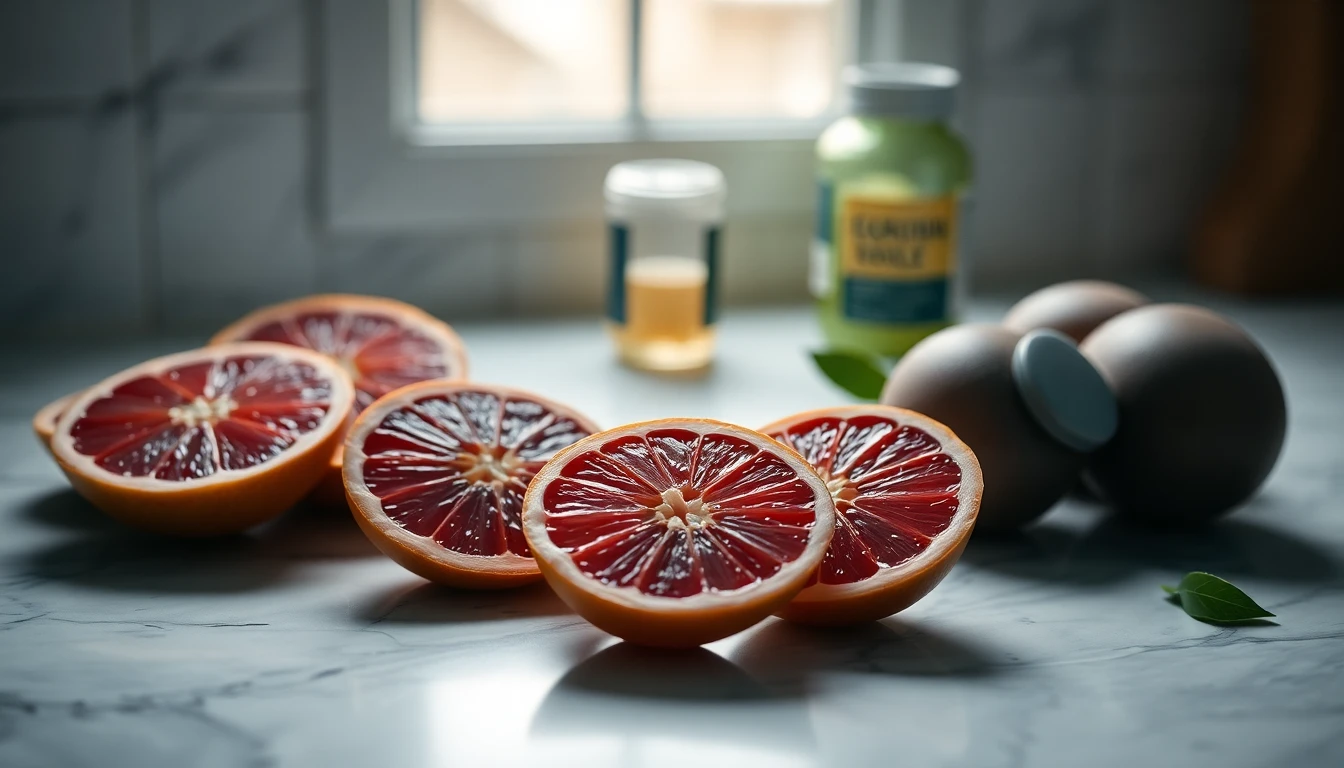
Can I Eat Oranges While Taking Amlodipine?
Oranges are safe with amlodipine. Learn which citrus fruits to avoid, what foods interact with this blood pressure medication, and how to eat safely.

By Reece Douglas · Founder, FreshPlate
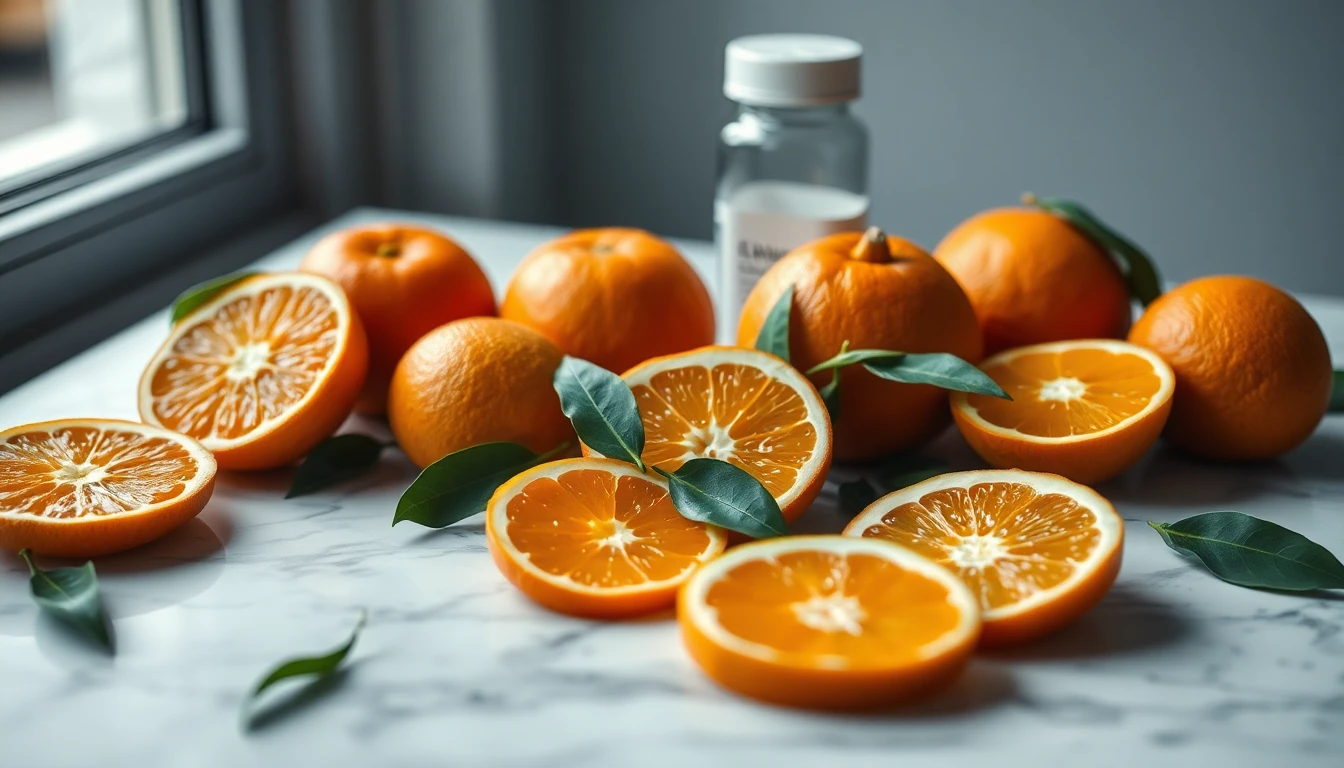
Listen to this article
Can I Eat Oranges While Taking Amlodipine?
Oranges are safe to eat while taking amlodipine. The confusion stems from grapefruit, which does interact with this calcium channel blocker.
Amlodipine is prescribed for high blood pressure and angina. While grapefruit and Seville oranges (the bitter type used in marmalade) can increase the amount of amlodipine in your bloodstream, sweet oranges, mandarins, lemons and limes do not cause this interaction.
FreshPlate's free interaction checker flags grapefruit and Seville oranges when you type amlodipine, so you see the actual restrictions in seconds rather than second-guessing every piece of fruit. Every recipe the app builds around your medications treats this as a hard block — grapefruit and grapefruit juice will never appear if you take amlodipine, clopidogrel, certain statins, ciclosporin or tacrolimus. I built it that way because the interaction isn't advisory, it's biochemical, and spacing your dose apart doesn't help. The app removes the guesswork so you can plan meals confidently. Take a look at our free interaction checker
Can You Eat Oranges If You Are Taking Amlodipine?
Yes, you can eat sweet oranges while taking amlodipine. Sweet oranges (sold in supermarkets as eating oranges or used for orange juice) do not contain the compounds that interfere with amlodipine metabolism.
The interaction involves furanocoumarins, natural chemicals found in grapefruit and Seville oranges. These compounds block an enzyme called CYP3A4 in your gut, which normally breaks down amlodipine. When this enzyme is blocked, more of the medication enters your bloodstream, potentially causing dizziness, flushing, ankle swelling, or an excessive drop in blood pressure.
Sweet oranges contain negligible amounts of furanocoumarins. You can enjoy them fresh, as juice, or in cooking without affecting how your body processes amlodipine. This applies to navel oranges, blood oranges and Valencia oranges.
Which Citrus Fruits Are Safe with Amlodipine?
Most citrus fruits pose no risk when you take amlodipine. The key distinction is between fruits that contain furanocoumarins and those that do not.
- Sweet oranges — safe — no furanocoumarins present
- Mandarins and tangerines — safe — no interaction reported
- Lemons — safe — negligible furanocoumarin content
- Limes — safe — no clinically significant interaction
- Grapefruit — avoid — high furanocoumarin content blocks drug metabolism
- Seville oranges — avoid — contain furanocoumarins, commonly used in marmalade
- Pomelos — avoid — related to grapefruit with similar compounds
Why Grapefruit Interacts but Sweet Oranges Do Not
Grapefruit contains high levels of furanocoumarins, particularly bergamottin and 6',7'-dihydroxybergamottin. These compounds irreversibly inhibit CYP3A4, the enzyme responsible for metabolising amlodipine in your small intestine.
When CYP3A4 is blocked, your body cannot break down amlodipine as efficiently. More of the drug enters your bloodstream than intended, potentially increasing blood levels by 15-25%. The effect lasts for 24 hours or more, because your body needs time to produce new enzyme.
Sweet oranges contain virtually no furanocoumarins. Laboratory studies show sweet oranges have levels too low to affect drug metabolism. This is why guidance on calcium channel blockers and grapefruit specifically names grapefruit and Seville oranges, not all citrus.
How Much Grapefruit Causes an Interaction?
Even small amounts of grapefruit can affect amlodipine metabolism. A single 200ml glass of grapefruit juice or half a fresh grapefruit is enough to inhibit CYP3A4. The interaction begins within 2 hours of consumption and the enzyme remains suppressed for up to 24 hours.
Timing grapefruit consumption does not work reliably. The enzyme inhibition persists throughout the day, so eating grapefruit at breakfast still affects an evening dose of amlodipine.
Can I Eat Grapes While Taking Amlodipine?
Yes, grapes are safe to eat with amlodipine. Despite the similar name, grapes are not related to grapefruit and do not contain furanocoumarins or any other compounds that interfere with calcium channel blockers.
Grapes provide around 190mg of potassium per 100g serving. This supports healthy blood pressure. You can eat grapes fresh, dried as raisins, or drink grape juice without concern about medication interactions.
May I Eat Nuts After Taking Amlodipine?
Yes, you can eat nuts while taking amlodipine with no restrictions. Nuts do not interact with this medication and are beneficial for cardiovascular health.
Nuts provide unsaturated fats, fibre, magnesium and potassium. A 30g serving of almonds contains approximately 80mg of magnesium and 210mg of potassium, both of which support blood pressure regulation. Walnuts, hazelnuts, Brazil nuts, cashews and other varieties are all safe choices.
If you experience stomach upset from amlodipine, taking the medication with a small amount of food, such as a handful of nuts, may reduce any nausea. Otherwise, you can eat nuts at any time regardless of when you take your dose.
Other Foods That Interact with Amlodipine
Beyond grapefruit and Seville oranges, amlodipine has relatively few dietary restrictions compared to some other blood pressure medications.
Alcohol can amplify amlodipine's blood pressure-lowering effect, potentially causing dizziness or lightheadedness. The NHS advises limiting alcohol to no more than 14 units per week, spread over at least 3 days, when taking blood pressure medication.
Very high salt intake can counteract the benefits of amlodipine by raising blood pressure. The recommended limit is 6g of salt per day (about one teaspoon). This does not mean salt interacts with the drug directly, but eating less salt helps your medication work more effectively.
Some people taking amlodipine need to monitor potassium intake, particularly if they also take ACE inhibitors or potassium-sparing diuretics. Amlodipine alone does not typically affect potassium levels, but your GP may advise you about this if you take multiple medications. For detailed guidance, see our guide to ACE inhibitors and potassium-rich foods.
Seville Orange Marmalade and Amlodipine
Seville orange marmalade contains furanocoumarins, but the concentration depends on how it was made. Most commercial marmalades use Seville oranges, which are bitter and high in the compounds that affect amlodipine.
There is limited data on exactly how much marmalade would cause an interaction. A thin spread (about 15g) on morning toast is unlikely to contain enough furanocoumarins to significantly affect most people, but a larger serving or daily consumption could have an effect. If you eat marmalade regularly, choose one made from sweet oranges rather than Seville oranges, or discuss the amount with your pharmacist.
Managing Your Diet with Amlodipine Using FreshPlate
FreshPlate's free food and medication interaction checker flags grapefruit and Seville oranges when you enter amlodipine.
The app builds personalised meal plans that account for your medications automatically. If you take amlodipine alongside other drugs with dietary considerations, FreshPlate identifies foods to limit or avoid across all your prescriptions, removing the guesswork from meal planning.
The app suggests recipes that support blood pressure management through balanced sodium and potassium intake, helping your medication work more effectively.
Frequently asked questions
Can you eat oranges if you are taking amlodipine?
+
Yes, sweet oranges are safe to eat with amlodipine. Only grapefruit and Seville oranges (used in marmalade) interact with this medication.
Can I eat grapes while taking amlodipine?
+
Yes, grapes are safe with amlodipine. Despite the name, grapes are unrelated to grapefruit and contain no compounds that interfere with calcium channel blockers.
May I eat nuts after taking amlodipine?
+
Yes, all nuts are safe to eat with amlodipine at any time. Nuts provide beneficial nutrients for cardiovascular health and do not interact with this blood pressure medication.
How long after taking amlodipine can I eat grapefruit?
+
You should avoid grapefruit entirely while taking amlodipine. The interaction lasts at least 24 hours, so spacing them apart does not prevent the effect. Grapefruit blocks the enzyme that breaks down amlodipine, causing more of the drug to enter your bloodstream.
Does orange juice affect amlodipine?
+
No, orange juice made from sweet oranges does not affect amlodipine. Only grapefruit juice and juice made from Seville oranges contain the compounds that interfere with this medication.
Sources
Did this answer your question?
Reece reads every reply. Questions we have not covered become new guides.
Eating around amlodipine shouldn’t be guesswork.
Get our free amlodipine food guide by email — the foods to watch, safe swaps, and meal ideas that work with your medication. One genuinely useful email a week — no spam, unsubscribe anytime.
Free forever. You'll also be first in line for the FreshPlate app — with a free trial at launch.