Entresto and Bananas: Can You Eat Them Together?
Can you eat bananas while taking Entresto? Learn how sacubitril/valsartan affects potassium levels, safe serving sizes, and which high-potassium foods to monitor.

By Reece Douglas · Founder, FreshPlate
Listen to this article
Entresto and Bananas: Can You Eat Them Together?
Entresto (sacubitril/valsartan) helps the heart pump more efficiently in people with heart failure, but it changes how your body handles potassium. Because bananas are rich in potassium, many people taking Entresto wonder whether they need to avoid them.
Most people can include moderate amounts of potassium-rich foods, but 'moderate' depends on your kidney function, other medications, and blood results. Here is what the evidence shows.
Tracking potassium across every meal when you're on Entresto is tedious, and generic lists do not account for your dose, kidney function or the other medications in your drawer. That is why I built the free food–medication interaction checker at freshplate.health: type Entresto, and you see the foods to watch in seconds. The app I am building goes further—every recipe is written around your own medication list, and each one explains itself in a For you tab that shows what was checked and why it suits your goals. You log meals by photo, barcode or search, and the app handles the arithmetic so you can focus on eating well without second-guessing every banana or bowl of soup. I hope this helps and of course if you have any questions fire them my way!
Can You Eat Bananas While Taking Entresto?
Yes, you can typically eat bananas while taking Entresto, but watch portion sizes and monitor your potassium levels through regular blood tests. Entresto contains valsartan, an angiotensin receptor blocker that reduces potassium loss through urine, which can lead to elevated blood potassium (hyperkalaemia) when combined with high dietary intake.
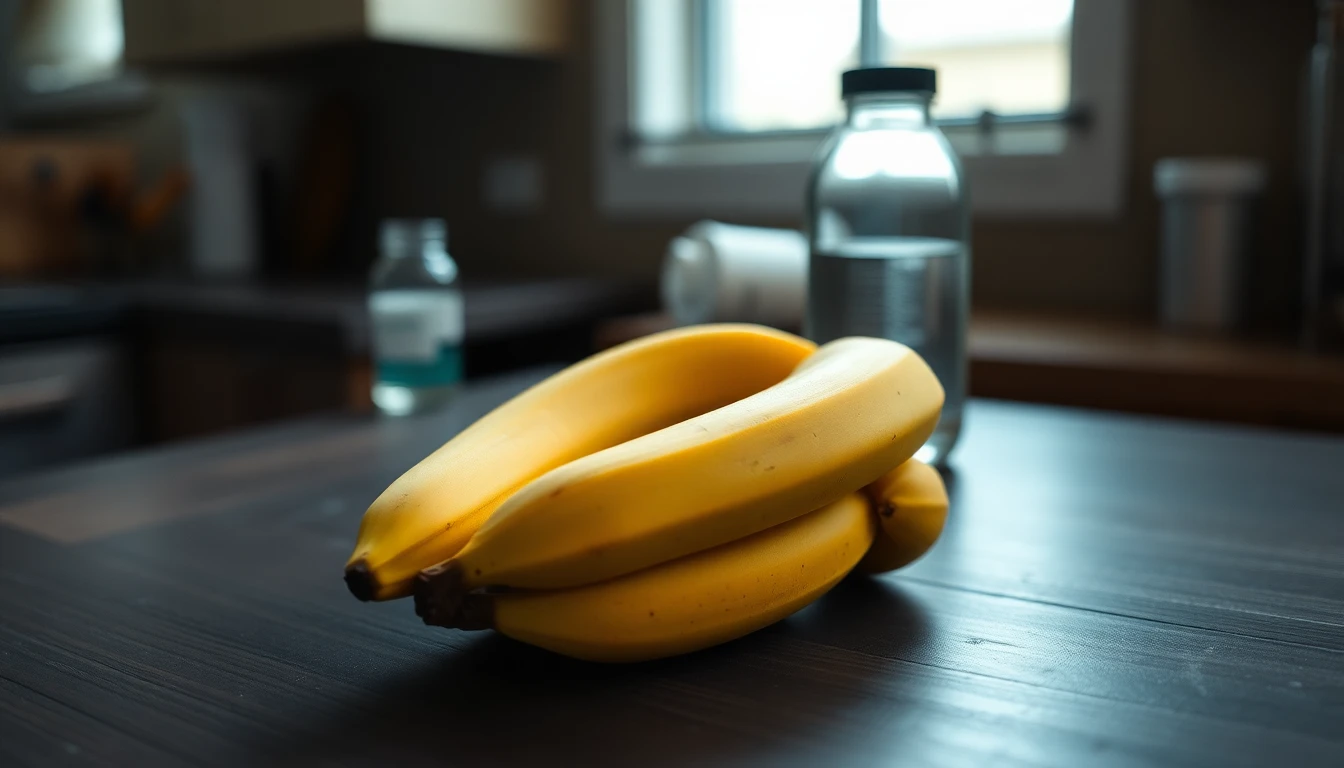
A medium banana (around 120g) contains approximately 422mg of potassium. For most people taking Entresto, eating one medium banana per day is unlikely to cause problems if kidney function is normal and no other potassium-raising medications are being taken. The NHS advises that people with heart failure should not drastically restrict potassium unless blood tests show levels are climbing above the normal range of 3.5-5.0 mmol/L.
Your doctor will check your potassium levels before starting Entresto and within one to two weeks of any dose increase. If your results stay within the safe range, moderate banana consumption is generally fine. If levels start creeping toward 5.5 mmol/L or higher, your doctor may recommend reducing high-potassium foods or adjusting medication.
How Entresto Affects Potassium Balance
Entresto combines sacubitril (a neprilysin inhibitor) with valsartan. Valsartan blocks angiotensin II receptors, which normally trigger aldosterone release. Aldosterone tells the kidneys to excrete potassium, so blocking this pathway means your body holds onto more potassium.
This potassium-sparing effect is helpful for people who take diuretics that flush potassium out, but it also means dietary potassium adds up faster. The risk is highest in the first few weeks of treatment, when switching doses, or if you have reduced kidney function (eGFR below 60 mL/min/1.73m²).
Safe Potassium Intake on Entresto
There is no universal potassium limit for everyone taking Entresto because tolerance varies with kidney function, dose, and concurrent medications. The average UK adult consumes around 3,000-3,500mg of potassium daily. People with normal kidney function on Entresto can often continue with their usual intake, while those with stage 3 chronic kidney disease or worse may be advised to stay closer to 2,000-2,500mg per day.
Your clinical team will set targets based on blood results. If your potassium sits consistently at 4.0-4.5 mmol/L, you have more flexibility. If it trends toward 5.0 mmol/L, you will be asked to moderate intake and possibly adjust medications.
- One medium banana (120g) — 422mg potassium — typically safe as part of a balanced daily intake if kidney function is normal
- Half a large banana (90g) — around 316mg — a cautious option if blood tests show levels creeping upward
- One small banana (80g) — approximately 280mg — lower-risk choice for anyone with stage 3 kidney disease or potassium above 5.0 mmol/L
How Often Should Potassium Be Monitored?
Monitoring frequency depends on your starting potassium level and kidney function. NICE guidance recommends checking potassium within one to two weeks of starting Entresto or increasing the dose, then at four to eight weeks, and every four months once stable. If you have chronic kidney disease, your GP may test more frequently.
If potassium climbs above 5.5 mmol/L, your doctor will usually halve the Entresto dose or pause it temporarily, review your diet, and stop any potassium supplements or salt substitutes. Once levels normalise, Entresto can often be reintroduced at a lower dose.
Other High-Potassium Foods to Watch
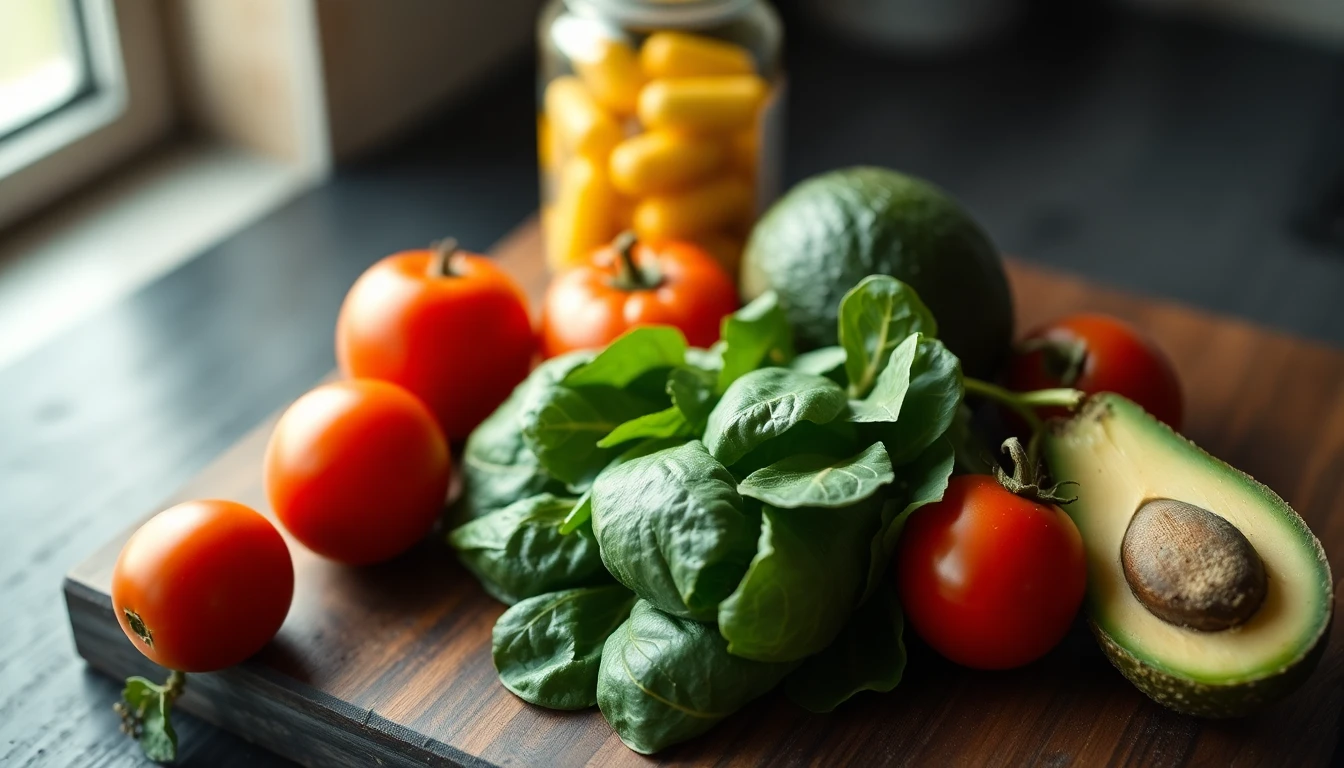
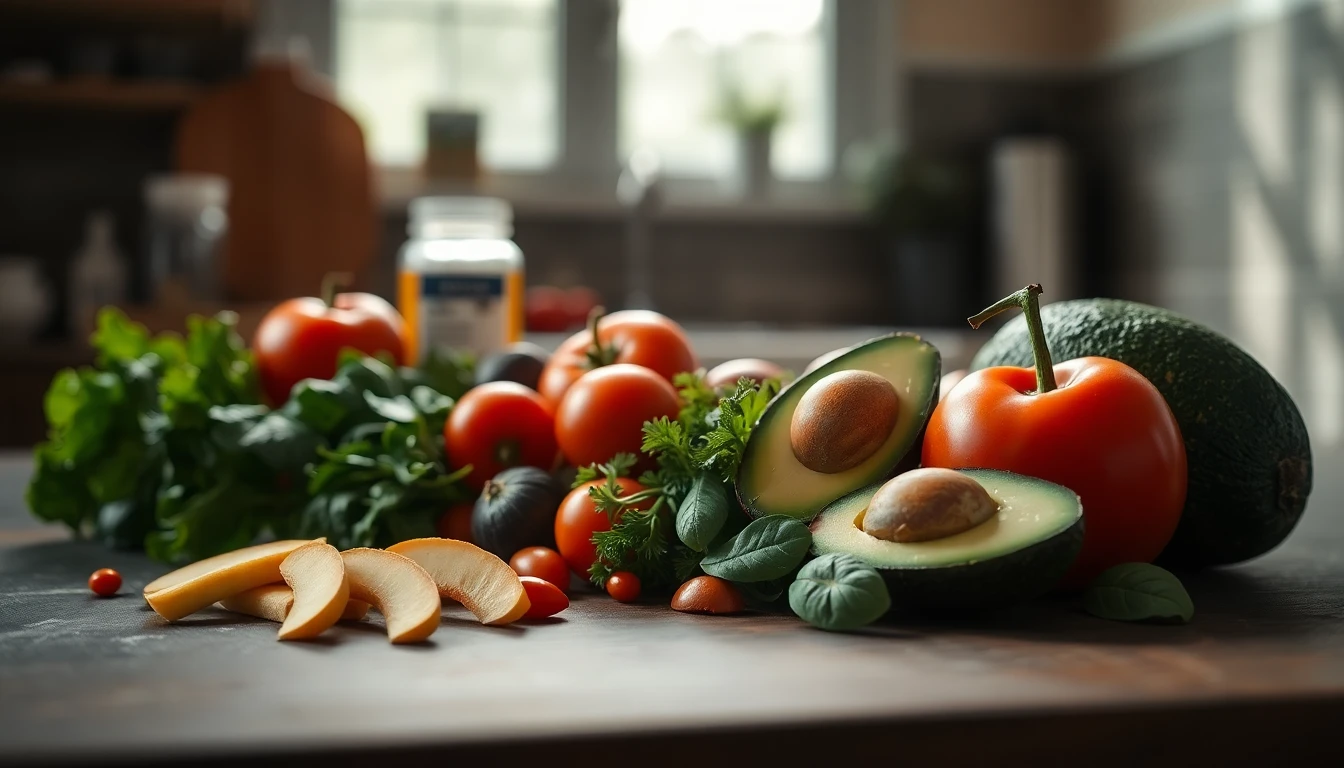
Many foods contain as much or more potassium than bananas. If you are managing your intake, it helps to know where potassium hides. Dried fruit, potatoes, tomatoes, and certain fish are concentrated sources.
You do not need to eliminate these foods, but spreading them across the day and choosing smaller portions reduces the chance of a sharp potassium spike. Cooking methods also matter: boiling vegetables in plenty of water and discarding the liquid removes some potassium, while roasting or steaming retains more.
- Baked potato with skin (180g) — 800mg — higher than two bananas; consider having half or choosing white rice instead
- Dried apricots (50g) — 750mg — concentrated source; fresh apricots have around 280mg per 100g
- Tomato passata (100ml) — 290mg — adds up in pasta sauces; dilute with extra vegetables or water
- Salmon fillet (120g cooked) — 500mg — nutrient-dense but worth pairing with lower-potassium sides
- Spinach (cooked, 100g) — 460mg — boiling and draining reduces this to around 150mg
- Orange juice (200ml) — 380mg — whole oranges have less per serving due to fibre bulk
- Avocado (half, 100g) — 485mg — rich in heart-healthy fats but potassium-dense; quarter portions work well
Salt Substitutes and Supplements
Many salt substitutes (such as LoSalt) replace sodium chloride with potassium chloride. A teaspoon can add 600-800mg of potassium, turning a moderate meal into a high-potassium one. If you are on Entresto, stick to reduced-sodium products that do not use potassium, or use herbs and spices for flavour.
Over-the-counter multivitamins sometimes contain potassium, though usually in small amounts (under 100mg per dose). Always check labels and tell your pharmacist you are taking Entresto before starting any supplement, including herbal remedies that claim to support heart health.
When to Contact Your Doctor
Mild hyperkalaemia often has no symptoms, which is why blood tests are essential. Potassium above 6.0 mmol/L can affect the heart's electrical system and requires urgent medical review. Symptoms of dangerously high potassium include muscle weakness, fatigue, nausea, tingling sensations, and irregular or slow heartbeat.
If you develop these symptoms, or if you miss a scheduled blood test, contact your GP or heart failure nurse promptly. Do not stop Entresto without medical advice, because abrupt withdrawal can worsen heart failure symptoms. In most cases, temporary dose adjustments and dietary tweaks bring potassium back into range.
People taking other potassium-raising medications alongside Entresto—such as spironolactone, amiloride, or certain blood pressure treatments—need closer monitoring and may be advised to keep dietary potassium toward the lower end of the safe range.
Balancing Nutrition and Heart Health
Potassium is essential for heart rhythm, muscle function, and blood pressure control. Restricting it too much can backfire, especially if you are on diuretics that deplete potassium. The goal is not to avoid potassium-rich foods but to spread intake evenly and keep total daily amounts within your personal target.
Heart failure often requires multiple dietary considerations: sodium restriction to manage fluid retention, adequate protein to prevent muscle wasting, and enough fibre to support gut health. Bananas fit well into this picture when portioned sensibly, providing fibre, vitamin B6, and natural sweetness without added sugar.
If you are unsure how to balance these needs, ask for a referral to a registered dietitian with experience in cardiovascular conditions. They can review your medication list, blood results, and eating patterns to create a plan that supports your heart without unnecessary restrictions.
How FreshPlate Helps Manage Entresto and Diet
Tracking potassium across every meal is tedious, and generic advice does not account for your specific medication combination or kidney function. FreshPlate's free food–medication interaction checker flags high-potassium ingredients when you log Entresto, suggests portion adjustments, and builds recipes that fit your targets automatically.
The app pulls together your medications, conditions, and preferences so you do not have to cross-check every banana, potato, or bowl of soup. It updates recommendations as your prescriptions change, and highlights when to request a blood test.
Frequently asked questions
Can I eat bananas while taking Entresto?
+
Yes, one medium banana per day is usually safe if your kidney function is normal and your potassium blood levels stay within the target range of 3.5-5.0 mmol/L. Your doctor will monitor potassium regularly and adjust dietary advice based on your results.
How much potassium is safe on Entresto?
+
There is no single limit for everyone. People with normal kidneys often tolerate 3,000-3,500mg daily, while those with reduced kidney function may be advised to stay closer to 2,000-2,500mg. Your doctor sets the target based on blood tests and your medication combination.
What happens if my potassium gets too high on Entresto?
+
Potassium above 5.5 mmol/L may prompt your doctor to lower the Entresto dose, pause treatment temporarily, or review your diet and other medications. Severe hyperkalaemia (above 6.0 mmol/L) can cause heart rhythm problems and requires urgent medical attention.
Can I use salt substitutes while taking Entresto?
+
No. Most salt substitutes contain potassium chloride and can add 600-800mg of potassium per teaspoon. Use herbs, spices, lemon juice, or low-sodium products without added potassium instead.
Do I need to avoid all high-potassium foods on Entresto?
+
No. Moderate portions spread across the day usually work well if blood tests stay in range. Focus on controlling total daily intake rather than eliminating individual foods, and work with your clinical team to find the right balance for you.
Sources
Did this answer your question?
Reece reads every reply. Questions we have not covered become new guides.
Eating around entresto shouldn’t be guesswork.
Get our free entresto food guide by email — the foods to watch, safe swaps, and meal ideas that work with your medication. One genuinely useful email a week — no spam, unsubscribe anytime.
Free forever. You'll also be first in line for the FreshPlate app — with a free trial at launch.