Ferrous Sulfate: Foods and Drinks to Avoid for Absorption
Ferrous sulfate foods to avoid: tea, coffee, eggs and dairy block iron absorption. Get a practical 2-hour timing plan, plus food tips for constipation and nausea.

By Reece Douglas · Founder, FreshPlate
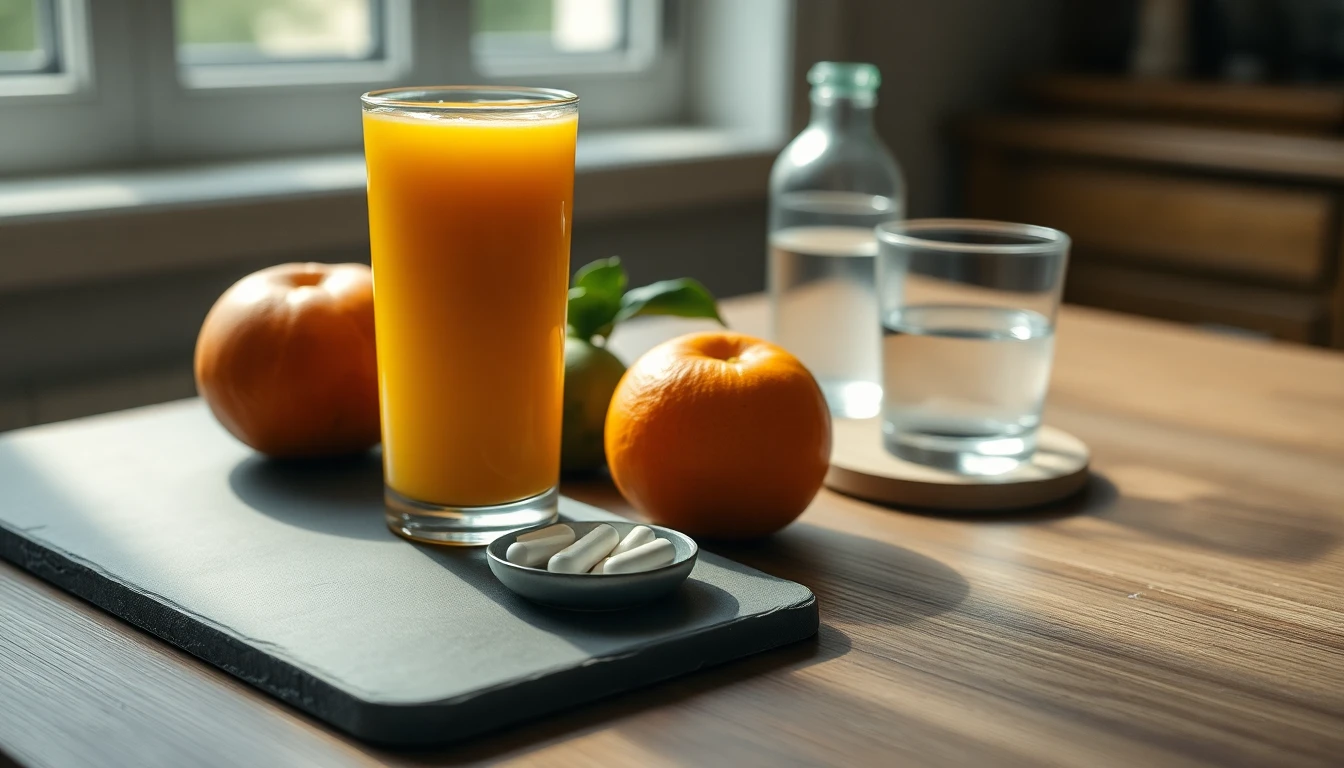
Tea, coffee, eggs and dairy are the main ferrous sulfate foods to avoid around your dose, because they reduce how much iron reaches your blood. The NHS advice is a 2-hour gap either side.
Once you have a routine, the gap is easy to keep. Below: what blocks iron, what helps, a day schedule, and how to handle constipation, dark stools and nausea.
Which foods and drinks should you avoid with ferrous sulfate?
Tea, coffee, eggs, milk and other dairy products are the ones to keep away from your dose. The NHS says not to take ferrous sulfate with them because they can reduce the amount of iron that gets into your system, and to leave a 2-hour gap before having them.
You do not need to give any of these up. Timing is the fix: the tablet goes in at one point of the day, and the tea, toast-and-egg or yoghurt at another.
- Tea — take care — leave a 2-hour gap, as tannins reduce how much iron you absorb
- Coffee — take care — leave a 2-hour gap for the same reason
- Red wine — take care — it contains tannins too, so keep it 2 hours from your dose
- Eggs — take care — keep them 2 hours away from your iron dose
- Milk, yoghurt and cheese — take care — dairy foods should be kept 2 hours from your dose
- Orange juice — fine — it helps you absorb more iron
- Water — fine — swallow the tablet whole with a drink of water
- Alcohol — fine — you can drink alcohol while taking ferrous sulfate, though stomach upset may be worse for some people
What about calcium supplements and antacids?
Treat calcium supplements and indigestion remedies the same way. Calcium in dairy is part of why milk and cheese get in the way, and antacids can also interfere with how iron is absorbed. If you take either regularly, ask your pharmacist how far to space them from your iron. If you are cutting back on dairy generally, calcium without dairy lists other sources, but the same spacing logic applies to calcium-rich supplements.
Does high-fibre food block iron?
No. High-fibre food is not on the NHS avoid list for ferrous sulfate, and the NHS suggests more fibre if iron makes you constipated. You do not need to cut fibre out. If you want to be cautious, keep a big bowl of bran cereal away from the moment you swallow the tablet rather than skipping it.
What the experts say
“Do not take it with tea, coffee, eggs or dairy products, as they can reduce the amount of iron that gets into your system.”
When is the best time to take ferrous sulfate?
Take it 30 minutes before eating or 2 hours after eating, if you can. The NHS adds that if it upsets your stomach, you can take it with or after food instead. Some absorption is a fair trade for a medicine you can keep taking.
A schedule that works for most people uses the gap in your morning, since that is when tea and coffee usually appear.
- On waking, with water — best absorption — 30 minutes before breakfast, no tea, coffee or dairy yet
- Breakfast, 30 minutes later — fine — but keep eggs, milk, yoghurt and tea or coffee away if you can, or wait until 2 hours after your tablet for them
- Mid-morning tea or coffee — wait — leave 2 hours after your tablet
- Lunch — fine — a meat, lentil or leafy veg meal is good for iron intake, but eat it 2 hours from your dose
- Evening — take care — if you take a second dose, treat it the same way, with water or orange juice
If the tablet upsets your stomach
Take it with or after food and accept slightly lower absorption. Choose a plain meal, such as porridge or a sandwich, rather than milky cereal or a cooked breakfast with eggs. The NHS advises that taking it with food is better than stopping.
What helps you absorb more iron?
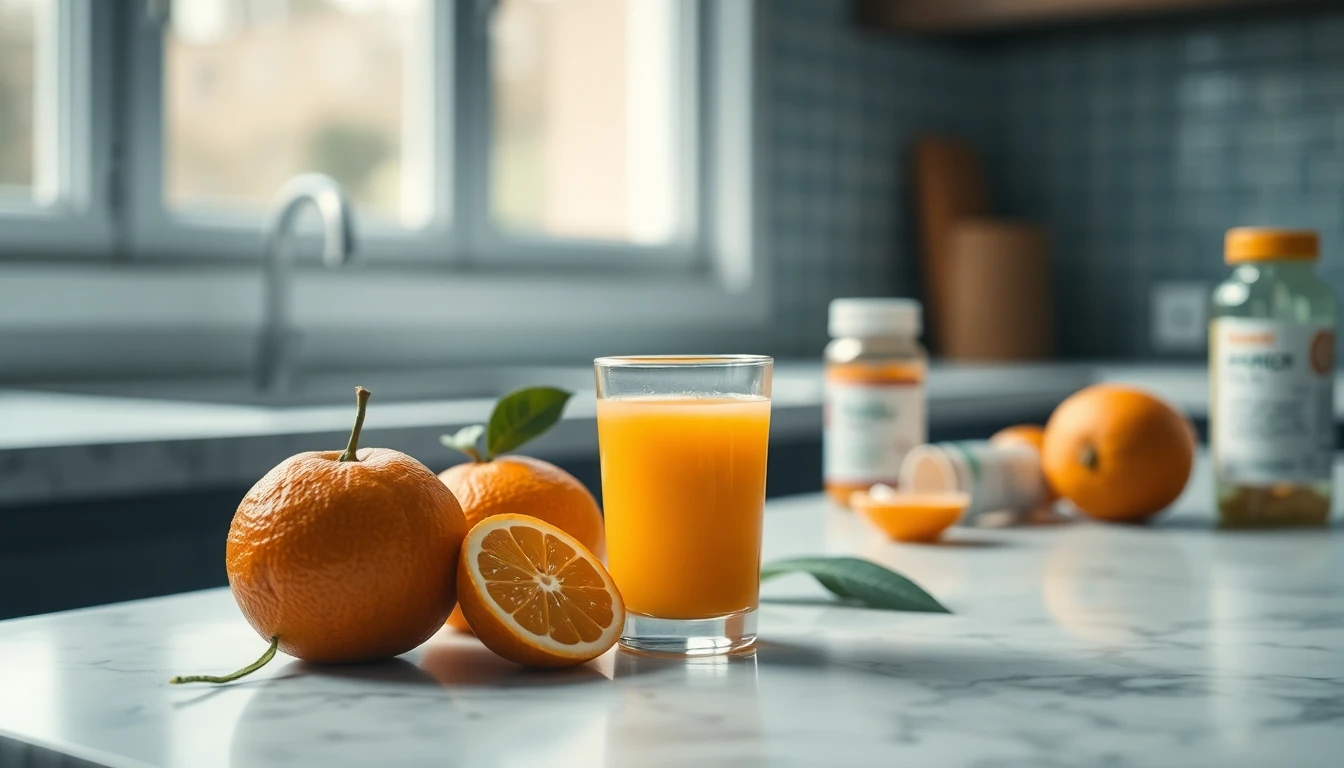
Vitamin C helps you absorb more iron, so a glass of orange juice with your tablet is a sensible pairing. The NHS says a doctor or pharmacist may recommend taking ferrous sulfate with orange juice or a vitamin C supplement, and notes that vitamin C is believed to increase the amount of iron absorbed.
The broader principles are in the bioavailability guide, which covers how absorption works across nutrients.
- Orange juice — fine — a good drink to take with your tablet, as vitamin C helps iron absorption
- Vitamin C supplement — fine — can be taken with ferrous sulfate if your doctor or pharmacist suggests it
- Dark-green leafy vegetables — fine — watercress and curly kale are good iron sources if diet is part of the problem
- Pulses — fine — beans, peas and lentils are good iron sources
- Fortified cereals and bread — fine — those with added iron count towards your intake
- Meat — fine — a good iron source, though leave a 2-hour gap from your dose
What should you eat if iron causes constipation or nausea?
Eat more fibre and drink plenty of water for constipation, and keep meals simple for nausea. The NHS suggests getting more fibre from fresh fruit, vegetables and cereals, and drinking plenty of water. For feeling sick, it says to stick to simple meals and avoid rich or spicy food.
Constipation
Constipation is a common side effect of iron tablets. Build fibre up gradually, as adding it all at once can cause bloating, and drink water through the day.
- Fresh fruit and vegetables — fine — add fibre and fluid
- Cereals and wholegrain foods — fine — a steady source of fibre
- Water — fine — drink plenty throughout the day
Nausea and loss of appetite
If iron makes you feel sick, take it after a light meal and avoid heavy food. If you have gone off your food, small nutritious snacks help.
- Rich or spicy food — take care — avoid it if iron makes you feel sick
- Simple meals — fine — plain food is easier to keep down
- Dried fruit and nuts — fine — good high-calorie, high-protein snacks if iron has put you off eating
Dark stools
Dark or black stools are a known effect of iron tablets and are usually harmless. If you are unsure, or you also have stomach pain or notice stools that look tarry or sticky and very foul-smelling, speak to your pharmacist or GP promptly, because these can mean bleeding rather than the iron.
Other medicines people search about: what to know
People who take ferrous sulfate often take other medicines too, and searches such as foods to avoid with bisoprolol, clopidogrel, amlodipine, mirtazapine, dapagliflozin, colchicine, edoxaban and methotrexate are common. Each has its own food advice, none of it matches iron's tea-and-dairy rules, so do not assume the 2-hour gap applies to them.
For two of those, we have dedicated reading: bisoprolol foods to avoid and amlodipine diet interactions. For the others, check the patient leaflet or ask your pharmacist, and tell them you take iron so they can advise on spacing doses.
How FreshPlate handles ferrous sulfate for you
FreshPlate builds your recipes and meal plan around your medicines, so tea, coffee, eggs and dairy land outside your iron window without you tracking it. Add ferrous sulfate to your profile and your plan adds orange juice or vitamin C where it helps, keeps simple meals on days iron upsets your stomach, and includes iron-rich foods like lentils, kale and fortified cereal. You can also use FreshPlate's free food and medication interaction checker to look up any food against ferrous sulfate in seconds.
Frequently asked questions
What foods should I avoid when taking bisoprolol?
+
There is no long list of foods to avoid with bisoprolol, and grapefruit is not a problem as it is for some other heart medicines. Keep alcohol modest, as it can add to dizziness, and see our [bisoprolol foods to avoid](/website/blog/bisoprolol-foods-to-avoid/) guide for the detail.
Is there a list of foods to avoid with clopidogrel?
+
There is no strict food avoid list for clopidogrel, but check with your pharmacist about grapefruit juice and heavy alcohol, and tell them about any supplements. If you also take iron, keep the 2-hour gap from tea, coffee, eggs and dairy for the iron only.
What foods should I avoid when taking amlodipine?
+
Avoid grapefruit and grapefruit juice with amlodipine, as it can raise the level of the medicine in your body. Our [amlodipine diet interactions guide](/website/blog/amlodipine-diet-interactions-guide/) covers other foods and drinks.
Can I drink tea or coffee while taking ferrous sulfate?
+
Yes, but leave a 2-hour gap between your tablet and tea or coffee, because both reduce how much iron you absorb. Have your tablet with water or orange juice and your cuppa later.
Can I take ferrous sulfate with food?
+
Yes, if the tablet upsets your stomach, you can take it with or after food. If you can tolerate it, taking it 30 minutes before eating or 2 hours after eating gives better absorption.
A reader asked: Foods to avoid with rivaroxaban?
+
There is no long list of foods to avoid with rivaroxaban, but it is usually taken with food at the same time each day, and you should keep alcohol modest and tell your pharmacist about any supplements or herbal products. This post is about ferrous sulfate, so ask your pharmacist or check your patient leaflet for specific advice, and mention if you also take iron.
Sources
Did this answer your question?
Reece reads every reply. Questions we have not covered become new guides.
Eating around ferrous sulfate shouldn’t be guesswork.
Get our free ferrous sulfate food guide by email — the foods to watch, safe swaps, and meal ideas that work with your medication. One genuinely useful email a week — no spam, unsubscribe anytime.
Free forever. You'll also be first in line for the FreshPlate app — with a free trial at launch.