Pernicious Anaemia Diet: B12 Absorption & Nutrition Guide
Pernicious anaemia blocks B12 absorption. Learn why diet alone isn't enough, how injections work, and which supportive foods optimise your health.

By Reece Douglas · Founder, FreshPlate

Listen to this article
Pernicious Anaemia Diet: B12 Absorption & Nutrition Guide
If you've been diagnosed with pernicious anaemia, you've likely learned that simply eating more B12-rich foods won't resolve your deficiency. This autoimmune condition affects how your body absorbs vitamin B12, no matter how much salmon, liver, or fortified cereals you consume. Understanding why this happens—and what role diet can still play—is crucial for managing your health effectively.
Pernicious anaemia accounts for roughly 20-50% of vitamin B12 deficiency cases in adults, and it requires lifelong treatment with B12 injections or high-dose oral supplements. But whilst food alone can't cure the condition, strategic nutrition choices can support your energy levels, complement your medical treatment, and reduce the risk of related deficiencies. This guide explains the science behind B12 absorption, why the intrinsic factor matters, and how to build a pernicious anaemia diet that works alongside your prescribed treatment.
Understanding Pernicious Anaemia and Intrinsic Factor
Pernicious anaemia is an autoimmune condition in which your immune system attacks the cells in your stomach lining that produce intrinsic factor—a protein absolutely essential for vitamin B12 absorption. Without intrinsic factor, your small intestine cannot absorb B12 from food, regardless of how much you eat.
Vitamin B12 (cobalamin) plays a vital role in red blood cell formation, neurological function, and DNA synthesis. When absorption is blocked, you develop a deficiency that leads to fatigue, weakness, neurological symptoms like tingling or numbness, cognitive difficulties, and eventually anaemia. Left untreated, pernicious anaemia can cause permanent nerve damage.
The Absorption Process Explained
In a healthy digestive system, vitamin B12 from food binds to intrinsic factor in the stomach. This B12-intrinsic factor complex then travels to the terminal ileum (the end of your small intestine), where specialised receptors absorb it into the bloodstream. In pernicious anaemia, the autoimmune attack destroys parietal cells—the stomach cells that make intrinsic factor—breaking this entire chain.
- Parietal cells — produce both intrinsic factor and stomach acid, both needed for B12 processing
- Autoantibodies — attack parietal cells or intrinsic factor itself, blocking absorption
- Terminal ileum receptors — can only absorb B12 when it's bound to intrinsic factor
- Passive diffusion — only about 1% of oral B12 can be absorbed without intrinsic factor, requiring very high doses
Who's at Risk?
Pernicious anaemia typically develops in people over 60, though it can occur at any age. It's more common in those with Northern European ancestry, people with other autoimmune conditions (such as type 1 diabetes, vitiligo, or thyroid disease), and those with a family history of the condition. Women are slightly more affected than men.
Why Diet Alone Cannot Treat Pernicious Anaemia
This is the most important point to understand: no amount of dietary vitamin B12 will correct pernicious anaemia if you lack intrinsic factor. You could eat liver every day—one of the richest B12 sources—and still remain profoundly deficient.
Standard dietary B12 sources include meat, fish, eggs, dairy products, and fortified foods. These foods are valuable for people with adequate intrinsic factor, but for someone with pernicious anaemia, the B12 in food simply passes through the digestive system unabsorbed. This is why medical treatment—typically intramuscular B12 injections or very high-dose oral/sublingual supplements (1000-2000 mcg daily)—is non-negotiable.
- Injections bypass the gut — intramuscular B12 goes directly into the bloodstream, completely sidestepping the need for intrinsic factor
- High-dose oral supplements — exploit passive diffusion, allowing about 1% absorption even without intrinsic factor (hence the need for 1000 mcg+ doses)
- Dietary B12 absorption — requires intrinsic factor for the standard 1.5-2.4 mcg daily requirement
- Treatment is lifelong — pernicious anaemia doesn't resolve, so B12 replacement continues indefinitely
Supportive Nutrition for Pernicious Anaemia
Whilst diet cannot treat the underlying B12 deficiency, strategic nutrition choices can support your overall health, energy levels, and recovery once treatment begins. Many people with pernicious anaemia develop related deficiencies or experience digestive changes that affect nutrient absorption more broadly.
Folate-Rich Foods
Folate (vitamin B9) works closely with B12 in red blood cell production and DNA synthesis. Some people with pernicious anaemia also have lower folate levels, and adequate folate helps optimise the benefits of B12 treatment. However, never take high-dose folic acid supplements without treating B12 deficiency first—this can mask anaemia symptoms whilst allowing neurological damage to progress.
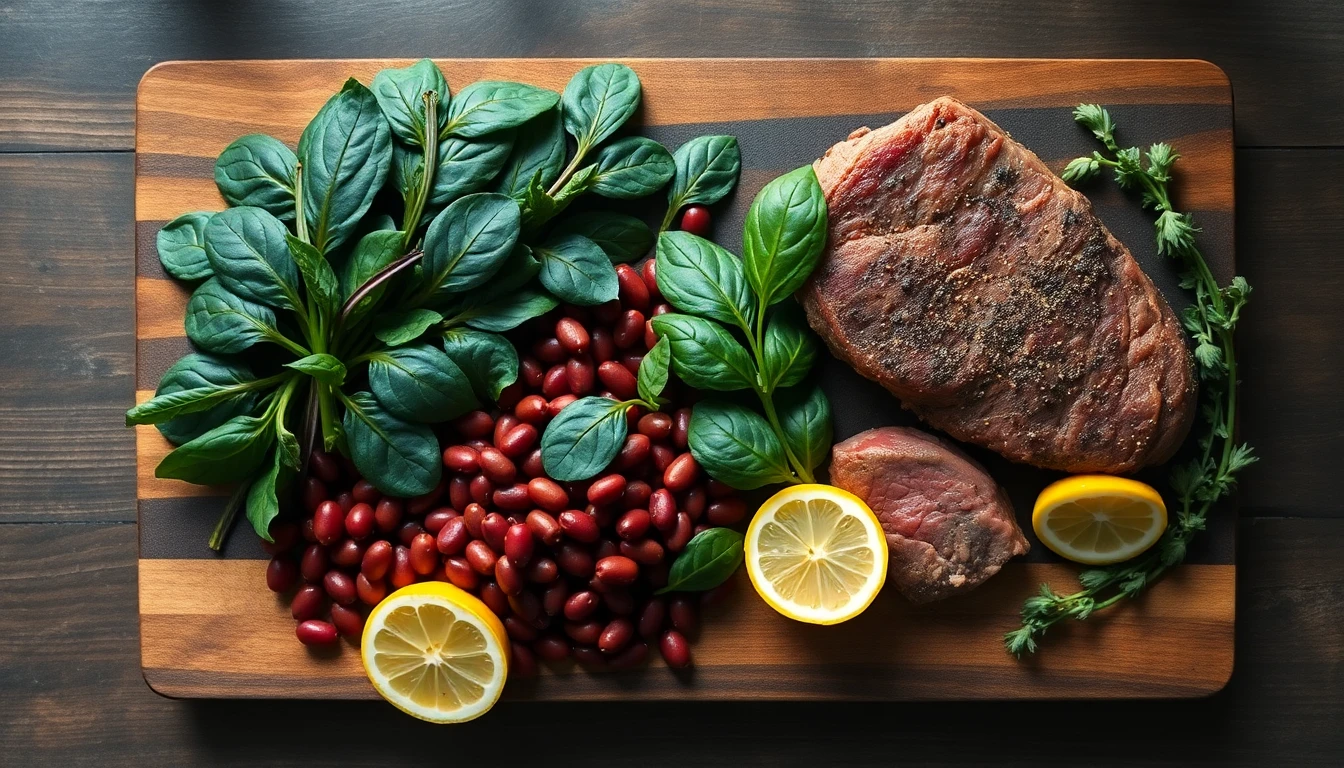
- Dark leafy greens — spinach, kale, spring greens, Swiss chard
- Pulses — lentils, chickpeas, black beans, kidney beans
- Asparagus and broccoli — excellent vegetable sources
- Fortified cereals — check labels for folic acid content
- Citrus fruits — oranges and grapefruits provide modest amounts
Iron Support
Pernicious anaemia can coexist with iron deficiency anaemia, particularly in women with heavy menstrual periods or people with digestive conditions. The stomach damage that causes pernicious anaemia can also reduce stomach acid production, which impairs iron absorption. Supporting iron intake through diet—especially once B12 treatment is underway—helps optimise red blood cell production.
- Haem iron sources — red meat, poultry, fish (better absorbed than plant sources)
- Non-haem iron — beans, lentils, tofu, fortified cereals, dried apricots
- Vitamin C pairing — consume iron-rich plant foods with peppers, tomatoes, or citrus to enhance absorption
- Avoid iron inhibitors — tea and coffee with meals can reduce iron absorption
Digestive Health and Whole Foods
The autoimmune damage in pernicious anaemia affects stomach function, sometimes reducing acid production (hypochlorhydria) and altering the gut environment. Eating a varied, whole-food diet supports overall digestive health and ensures you're getting a broad spectrum of nutrients that work together.
- Probiotic foods — live yoghurt, kefir, sauerkraut, kimchi may support gut health
- Prebiotic fibre — onions, garlic, leeks, bananas, oats feed beneficial gut bacteria
- Adequate protein — supports tissue repair and immune function
- Omega-3 fatty acids — from oily fish, walnuts, flaxseed may help reduce inflammation
- Limit processed foods — focus on nutrient-dense whole foods to support overall health
Working with Your B12 Treatment Plan
Your prescribed B12 regimen is the cornerstone of managing pernicious anaemia. In the UK, standard treatment typically begins with intramuscular hydroxocobalamin injections—often 1 mg every other day until symptoms improve, then maintenance injections every two to three months. Some people require more frequent injections based on symptom response.
Diet complements this medical treatment but never replaces it. Your energy levels, cognitive function, and neurological symptoms should improve within weeks to months of starting injections, though nerve recovery can take longer. During this recovery period, supporting your body with balanced nutrition helps optimise healing and energy production.
- Monitor symptoms — fatigue, brain fog, and tingling should gradually improve with treatment
- Regular blood tests — your GP will monitor B12 levels, full blood count, and sometimes folate and iron
- Report persistent symptoms — some people need more frequent injections than standard protocols
- Nutrient timing — there's no need to time meals around B12 injections; they work independently of food
- Avoid mega-dosing other vitamins — focus on balanced intake rather than excessive supplementation
What About Oral B12 Supplements?
High-dose oral B12 (1000-2000 mcg daily) can be effective for some people with pernicious anaemia because such large doses allow passive diffusion—absorbing roughly 1% even without intrinsic factor. However, this approach requires daily compliance and regular monitoring. Many clinicians prefer injections because they guarantee absorption and require less frequent administration. Never switch from injections to oral supplements without discussing it with your healthcare provider first.
Common Dietary Questions with Pernicious Anaemia
Many people newly diagnosed with pernicious anaemia wonder whether they should change their diet dramatically or avoid certain foods. In most cases, the answer is no—pernicious anaemia doesn't require restrictive eating. Instead, focus on a balanced, varied diet that supports your overall health whilst your B12 treatment addresses the deficiency.
- Can I still eat B12-rich foods? — absolutely; they provide other nutrients even if B12 isn't absorbed, and they're valuable if you ever regain any intrinsic factor function
- Should I avoid certain foods? — no specific foods worsen pernicious anaemia, though excessive alcohol can impair B12 metabolism generally
- Do I need a special diet? — no, but a balanced diet rich in folate, iron, and whole foods supports overall health and energy
- What about vegetarian or vegan diets? — these are possible with pernicious anaemia, but you'll still need B12 injections or high-dose supplements regardless of dietary pattern
- Can probiotics help? — there's no evidence they restore intrinsic factor, but they may support general digestive health
How FreshPlate Supports Your Pernicious Anaemia Nutrition
Managing a chronic condition like pernicious anaemia means balancing medical treatment with everyday nutrition—something that can feel overwhelming when you're already dealing with fatigue and other symptoms. FreshPlate takes the guesswork out of meal planning by automatically building recipes around your condition, medications, and nutritional needs.
When you tell FreshPlate you have pernicious anaemia, our system understands that B12 injections are your primary treatment and that dietary B12 won't address the deficiency. Instead, we focus your meal plans on foods rich in folate, iron, and other supportive nutrients that complement your treatment. We'll suggest meals with leafy greens, pulses, lean proteins, and vitamin C-rich pairings to optimise iron absorption—all whilst accommodating any other dietary requirements or food preferences you have.
You don't need to become a nutrition expert or spend hours researching which foods support anaemia recovery. FreshPlate handles that automatically, giving you more energy to focus on feeling better and enjoying varied, delicious meals that truly work for your body.
Frequently asked questions
Can diet cure pernicious anaemia?
+
No. Pernicious anaemia is caused by a lack of intrinsic factor, which prevents B12 absorption from food regardless of how much you eat. Lifelong B12 injections or high-dose oral supplements are required, but a balanced diet rich in folate and iron supports overall health.
What foods should I avoid with pernicious anaemia?
+
There are no specific foods to avoid with pernicious anaemia. Focus on a balanced, varied diet and limit excessive alcohol, which can interfere with B12 metabolism. Your main treatment is B12 replacement, not dietary restriction.
How long does it take to feel better after starting B12 injections?
+
Many people notice improved energy and reduced fatigue within days to weeks of starting B12 injections. Neurological symptoms like tingling can take several months to improve, and nerve recovery may take up to a year or longer in some cases.
Do I need to take folic acid with pernicious anaemia?
+
Only if your doctor finds you're also deficient in folate. Never take high-dose folic acid supplements before treating B12 deficiency, as this can mask anaemia whilst allowing nerve damage to progress. Eating folate-rich foods is safe and beneficial.
Can I stop B12 injections if my levels return to normal?
+
No. Pernicious anaemia is a lifelong condition because the autoimmune damage preventing intrinsic factor production doesn't reverse. You'll need continued B12 replacement indefinitely, even when blood levels normalise, to prevent deficiency from returning.
Sources
Did this answer your question?
Reece reads every reply. Questions we have not covered become new guides.
The right foods make living with pernicious anaemia easier.
Get our free pernicious anaemia food guide by email — what to eat more of, what to limit, and simple meals that support you day to day. One genuinely useful email a week — no spam, unsubscribe anytime.
Free forever. You'll also be first in line for the FreshPlate app — with a free trial at launch.