What Foods to Avoid When Taking Edoxaban: Complete Guide
Edoxaban has fewer food restrictions than warfarin. Learn which foods are safe, what to limit, and how to eat confidently on this anticoagulant.

By Reece Douglas · Founder, FreshPlate
Listen to this article
What Foods to Avoid When Taking Edoxaban: Complete Guide
Edoxaban is a direct oral anticoagulant (DOAC) that works differently from warfarin, so the old food rules no longer apply. You do not need to monitor vitamin K intake, avoid cranberry juice, or worry about leafy greens.
The main concerns are alcohol (which raises bleeding risk), St John's wort (which lowers edoxaban levels), and large daily amounts of grapefruit. Beyond those, you can eat normally.
I built FreshPlate's free interaction checker because piecing together food rules across multiple medications is exhausting, and most sources still conflate warfarin with newer drugs like edoxaban. You type your medication, see what actually matters, in seconds. Every recipe the app generates is built around your own medication list — grapefruit is a hard block with some statins and clopidogrel, but edoxaban carries no specific food restriction the app enforces. Each recipe explains itself in a For you tab, so you know why it works for your plan. No guesswork, no overreach. I hope this helps feel free to head over to the interaction checker - it’s free!
Foods You Can Eat Freely on Edoxaban
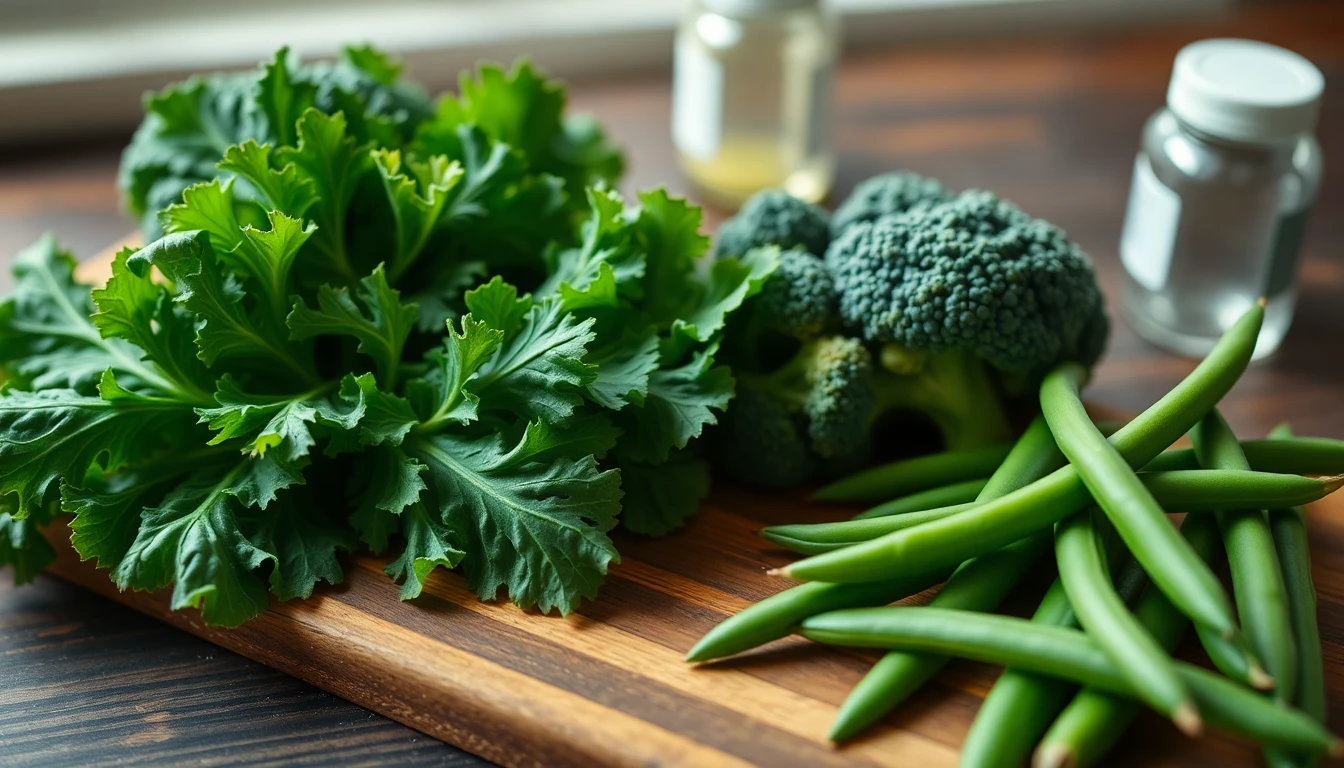
Edoxaban does not rely on blocking vitamin K pathways, so you can eat spinach, kale, broccoli, and other greens without tracking portions or worrying about consistency.
Cranberry juice poses no risk with edoxaban. The NHS confirms that you can eat and drink normally while taking edoxaban, with only a few exceptions.
- Leafy greens — Fine — spinach, kale, spring greens, cabbage, broccoli all carry no restrictions
- Cranberry juice — Fine — no interaction with DOACs like edoxaban, unlike with warfarin
- Most fruits and vegetables — Fine — no portion limits or timing rules
- Meat, fish, and poultry — Fine — eat as normal, including liver and other organ meats
- Dairy, grains, and pulses — Fine — no restrictions on cheese, milk, bread, pasta, beans, or lentils
What the experts say
“You can eat and drink normally while taking edoxaban, but try to avoid drinking a lot of alcohol because this can increase the risk of side effects.”
What Foods to Avoid or Limit When Taking Edoxaban
Only a handful of foods and supplements require caution. The restrictions are simpler than with warfarin but still important for safety.
Alcohol
Alcohol increases bleeding risk on any anticoagulant, including edoxaban. The NHS advises trying to avoid drinking a lot of alcohol because this can increase the risk of side effects. Staying within the UK guideline of 14 units per week, spread over at least three days, is safer than heavy drinking or binge sessions.
- Moderate drinking — Limit — up to 14 units per week, spread across several days, carries lower risk
- Heavy or binge drinking — Avoid — sharply raises bleeding risk and can cause stomach irritation
Grapefruit and Grapefruit Juice
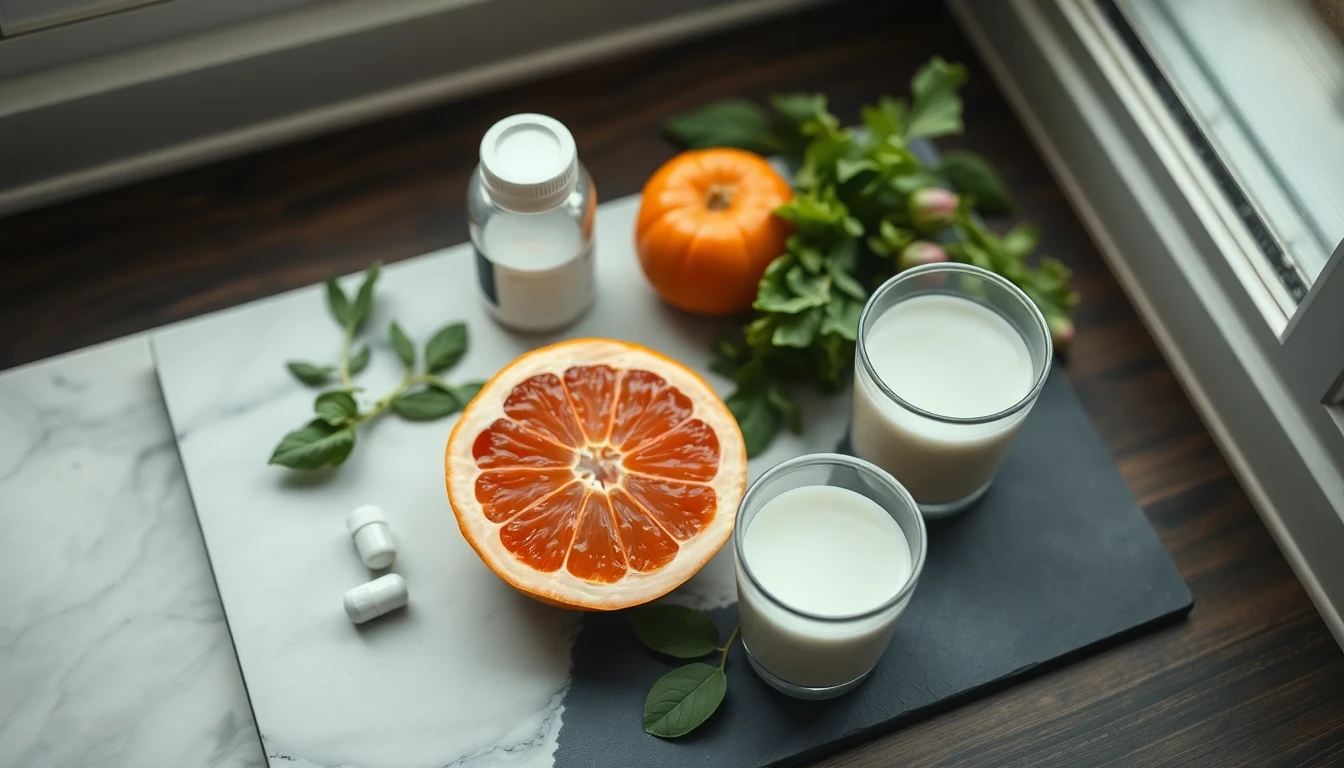
Grapefruit can raise DOAC levels modestly if consumed in large regular amounts. An occasional glass of juice or half a grapefruit is fine, but a daily habit of drinking grapefruit juice is not ideal. The same caution applies to Seville oranges (often used in marmalade) and pomelo.
- Occasional grapefruit — Fine — one portion now and then poses minimal risk
- Daily grapefruit juice — Limit — regular large amounts may raise edoxaban levels
- Seville oranges and pomelo — Limit — contain similar compounds to grapefruit
St John's Wort
St John's wort reduces DOAC levels in the blood, which can leave you under-protected against clots. Do not combine St John's wort with edoxaban. If you are already taking it, speak to your GP or pharmacist before stopping, as they may need to adjust your treatment plan.
Fish Oil and Other Supplements
High-dose fish oil supplements can add to bleeding risk when taken alongside anticoagulants. If you are considering starting omega-3 supplements, tell your prescriber first. The same applies to other herbal or high-dose nutritional supplements, as some can interact with bleeding or clotting pathways. For more on understanding drug-food interactions, our pharmacist guide offers practical advice.
- Fish oil supplements — Take care — high doses add bleeding risk; inform your prescriber before starting
- Herbal supplements — Take care — some interact with clotting or bleeding; check with your pharmacist
Practical Meal Planning on Edoxaban
Edoxaban has so few food restrictions that meal planning is straightforward. You do not need to count vitamin K portions, avoid specific vegetables, or time meals around doses.
Focus on a balanced diet rich in vegetables, whole grains, lean protein, and healthy fats. If you enjoy leafy greens, eat them freely. If you have other health conditions or take additional medications, those may bring their own dietary considerations. For example, people on beta-blockers or amlodipine may have separate food rules to follow.
- Breakfast — porridge with berries, scrambled eggs with spinach, or wholegrain toast with avocado all work well
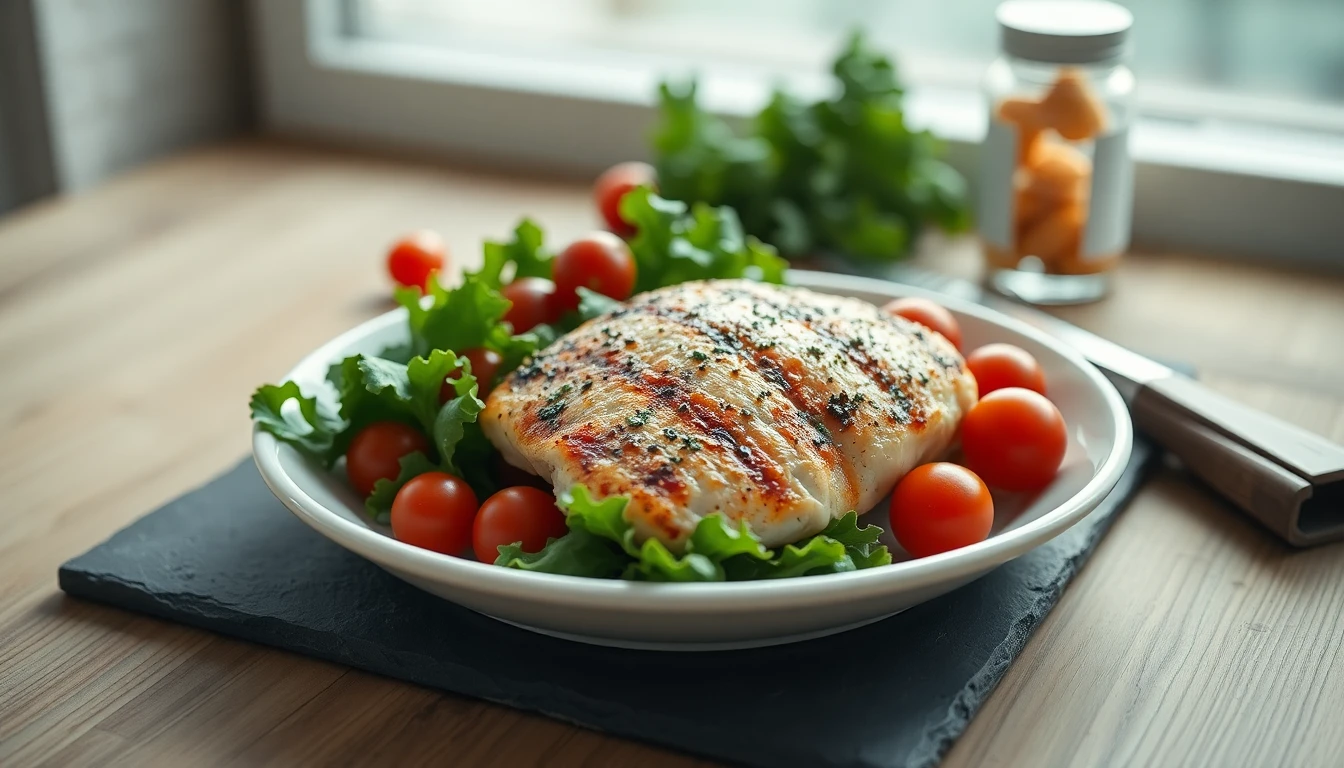
- Lunch — salads with leafy greens, chicken, chickpeas, or tuna; soups with vegetables and pulses
- Dinner — grilled fish or poultry with roasted vegetables, stir-fries with broccoli and peppers, pasta with tomato sauce and greens
- Snacks — fruit, nuts, yoghurt, hummus with vegetable sticks
Eating Out and Special Occasions
You can eat out without worry on edoxaban. Order what you like from the menu, including dishes with spinach, kale, or other greens. The only caution is to moderate alcohol intake, particularly if you are having several drinks over a long meal. For tips on managing eating out with dietary requirements, we have a separate guide.
Common Mistakes to Avoid
Many people assume the old warfarin rules still apply and unnecessarily restrict their diet. You do not need to limit vitamin K foods, avoid cranberries, or maintain rigid consistency in what you eat. These rules applied to warfarin, not to DOACs like edoxaban.
Do not skip mentioning supplements to your prescriber. Even if a supplement seems harmless, it is worth checking, particularly if it is high-dose or herbal. Some people underestimate the bleeding risk from heavy alcohol use. A few drinks now and then is different from regular heavy drinking or binge sessions.
How FreshPlate Helps You Navigate Food and Medication Interactions
FreshPlate's free food–medication interaction checker flags potential issues and tailors recipe suggestions to your treatment plan, so you can eat confidently without second-guessing every meal.
Our app builds personalised meal plans around your medications, conditions, and dietary preferences. If you are on edoxaban alongside other drugs, FreshPlate highlights any overlapping food rules and suggests practical swaps and safe alternatives.
Frequently asked questions
Can I eat leafy greens while taking edoxaban?
+
Yes, you can eat leafy greens freely while taking edoxaban. Unlike warfarin, edoxaban does not require you to monitor or limit vitamin K intake, so spinach, kale, broccoli, and other greens carry no restrictions.
Does grapefruit interact with edoxaban?
+
Large regular amounts of grapefruit can raise DOAC levels modestly, so daily grapefruit juice is not ideal. Occasional consumption of grapefruit or grapefruit juice is fine and poses minimal risk.
Can I drink alcohol on edoxaban?
+
You can drink alcohol in moderation, but avoid drinking a lot because it increases bleeding risk. Staying within the UK guideline of 14 units per week, spread over at least three days, is safer than heavy or binge drinking.
Is cranberry juice safe with edoxaban?
+
Yes, cranberry juice is safe with edoxaban. The cranberry interaction applies to warfarin, not to DOACs like edoxaban, so you can drink cranberry juice without concern.
What supplements should I avoid on edoxaban?
+
Avoid St John's wort, as it lowers edoxaban levels and increases clot risk. High-dose fish oil and some herbal supplements can add to bleeding risk, so tell your prescriber before starting any new supplement.
Sources
Did this answer your question?
Reece reads every reply. Questions we have not covered become new guides.
Eating around edoxaban shouldn’t be guesswork.
Get our free edoxaban food guide by email — the foods to watch, safe swaps, and meal ideas that work with your medication. One genuinely useful email a week — no spam, unsubscribe anytime.
Free forever. You'll also be first in line for the FreshPlate app — with a free trial at launch.